 Search


- The world's first non-governmental international organization focusing on green shipping corridors is established in Beijing
- 45 founding members from 12 countries join forces to install unified rules and collaborative engines for dispersed zero carbon routes
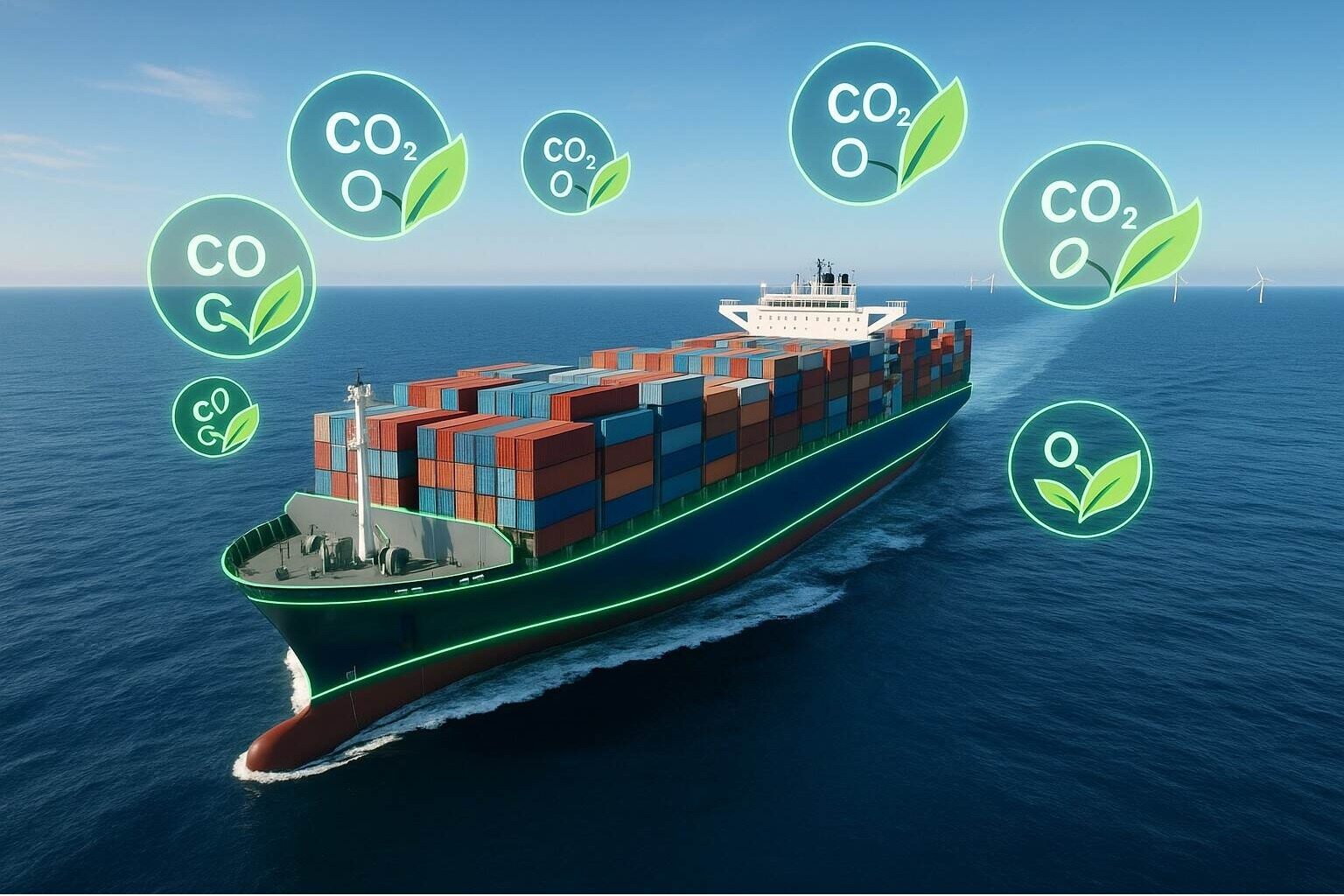
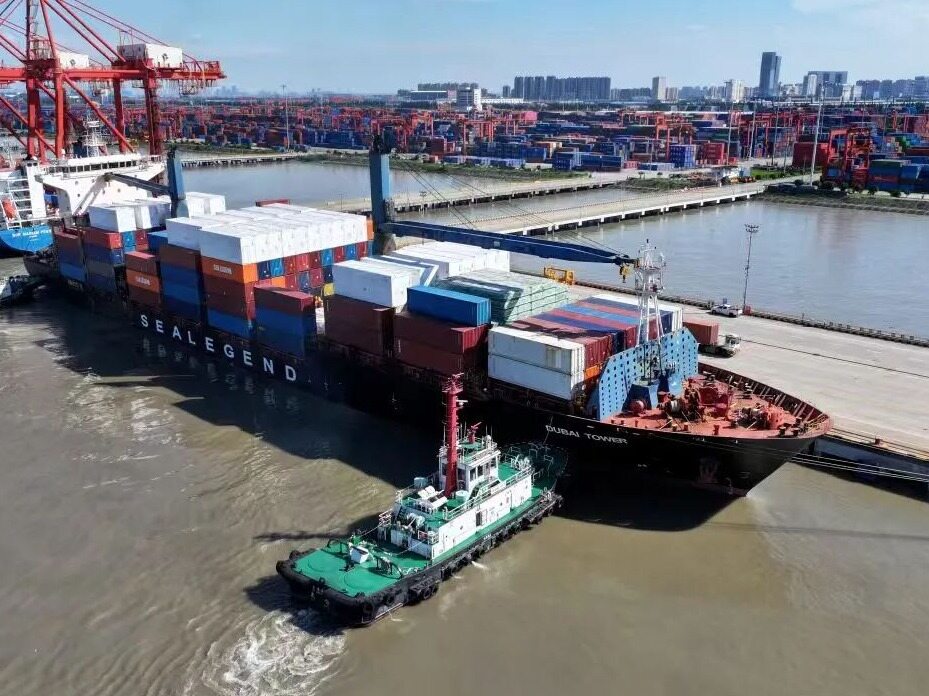
A methanol dual fuel container ship slowly docks at Yangshan Port in Shanghai, where the night is still lingering. The cables are securely fastened, shore power is connected, and the roar of the engine room is replaced by the quietness of the dock; The refueling ship docked and transported thousands of tons of domestically produced green methanol into the fuel tank. A few years ago, this image was only a paper proposal, but now it is a routine operation in Shanghai Port. It is precisely in such daily life that a trans Pacific route is given new meaning.
From Manifesto to Alliance
The starting point of the story is in 2021. At the Glasgow Climate Conference, 22 countries signed the Clydebank Declaration, committing to building at least 6 green shipping corridors between global ports by 2025 and expanding their numbers thereafter. Two years later, the International Maritime Organization proposed to achieve net zero emissions from international shipping by around 2050, with a reduction of at least 20% in total emissions by 2030 compared to 2008 and a goal of 30%. When the goal falls into reality, the corridor transforms from a concept into action, and the number of similar initiatives worldwide quickly increases to dozens.
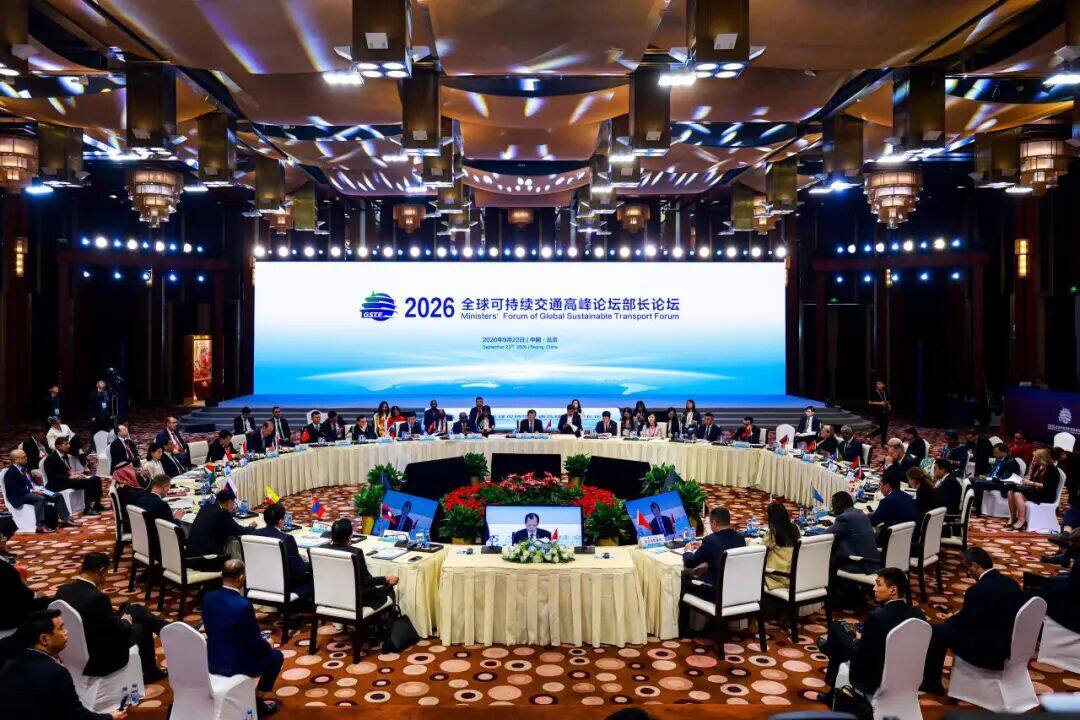
But the more routes there are, the more a weakness is exposed: each one goes their own way. On September 23, the Global Sustainable Transport Summit (2026) concluded in Beijing, during which the International Green Shipping Corridor Alliance was officially established, widely regarded as one of the most important achievements of this forum. The alliance is jointly initiated by China International Sustainable Transport Innovation and Knowledge Center, COSCO Shipping Group, French Dafei Group, China Energy Engineering Group, Shanghai Port Group, etc. Its founding members cover 45 leading enterprises from 12 countries, covering the upstream and downstream of the green shipping industry chain.
China's foundation and confidence
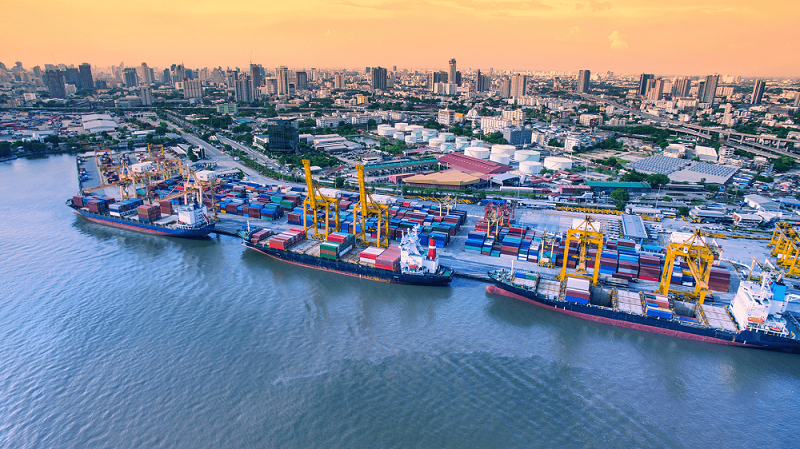
China was not the earliest initiator of this issue, but it is already a deep participant. At present, China has participated in a total of 25 green shipping corridor initiatives, among which the Shanghai Port Los Angeles Port/Long Beach Port green shipping corridor has completed its phased goals.
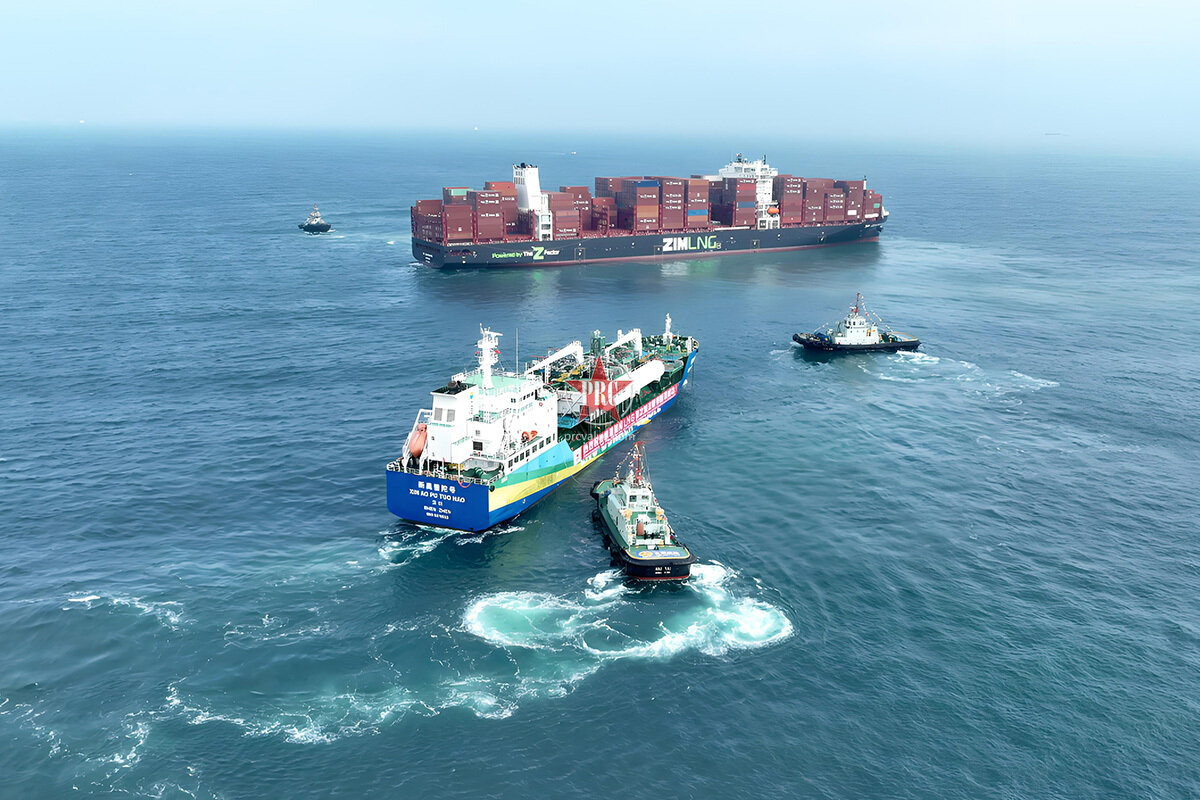
This corridor will be launched in January 2022 and is the earliest one in the world. Afterwards, the partners set up a framework consisting of a steering committee and four working groups, and released an implementation plan outline in 2023. By 2025, the first phase milestone will be achieved: COSCO Shipping, Maersk Line, and Dafei have deployed ships with full lifecycle low-carbon emission capabilities on their routes, and Shanghai Port, Los Angeles Port, and Long Beach Port have achieved 100% coverage of shore power for container berths. The support at the port is also solid. Since completing the first domestic green methanol injection in April 2024, Shanghai Port has added a total of 36000 tons, ranking first among major ports in the world; The coverage rate of electrical facilities at China's coastal ports has exceeded 90%.
How to make up for the four shortcomings
Despite the excitement, there are still hard bones. Fu Xuyin candidly stated that the cost of green and environmentally friendly fuels remains high, investment risks in green shipping still exist, the international standard and regulatory system is not yet sound, and the supporting infrastructure network urgently needs to be improved. Completing these shortcomings is precisely the original intention of establishing the alliance.
Behind these four sentences is a realistic economic account: fuel prices are several times higher than traditional fuels, and the number of refueling ports is far less than that of liquefied natural gas ports, so ship owners tend to be cautious when placing orders. Inconsistent rules are even more difficult to solve, as the certification standards for the same ship of green methanol vary at different ports, making it difficult to smoothly pass through with reduced emissions.
The answer sheet of the alliance is thus unfolded: to comprehensively promote the construction of international green shipping corridors, to promote the connection between domestic rules and international standards for green ships, green fuels, and green ports, to accelerate the construction of an international certification system for green marine fuels, to coordinate the implementation of transportation facilitation measures, to create demonstration projects with international influence, and to carry out technology research and development, achievement transformation, and capacity building, becoming a new platform for promoting innovation and transformation of the international shipping industry.
Whether a route can truly turn green depends on whether the ship, port, fuel, cargo owner, and rule maker are working in the same direction. The value of the alliance lies in fixing this synergy.Editor/Yang Meiling
Comment



 Praise
 Collect
 Comment

 Share
Share


Write something~