 Search


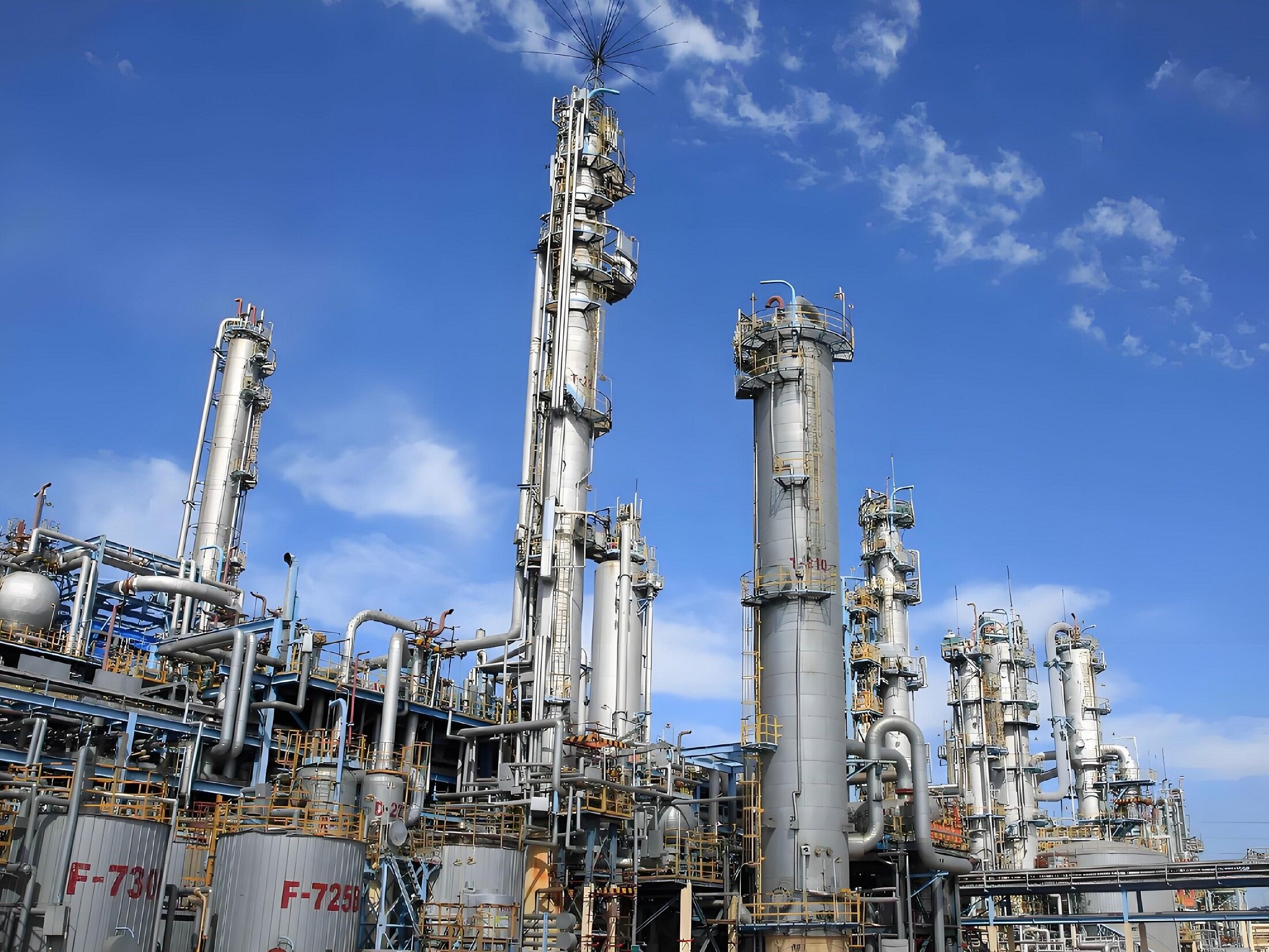
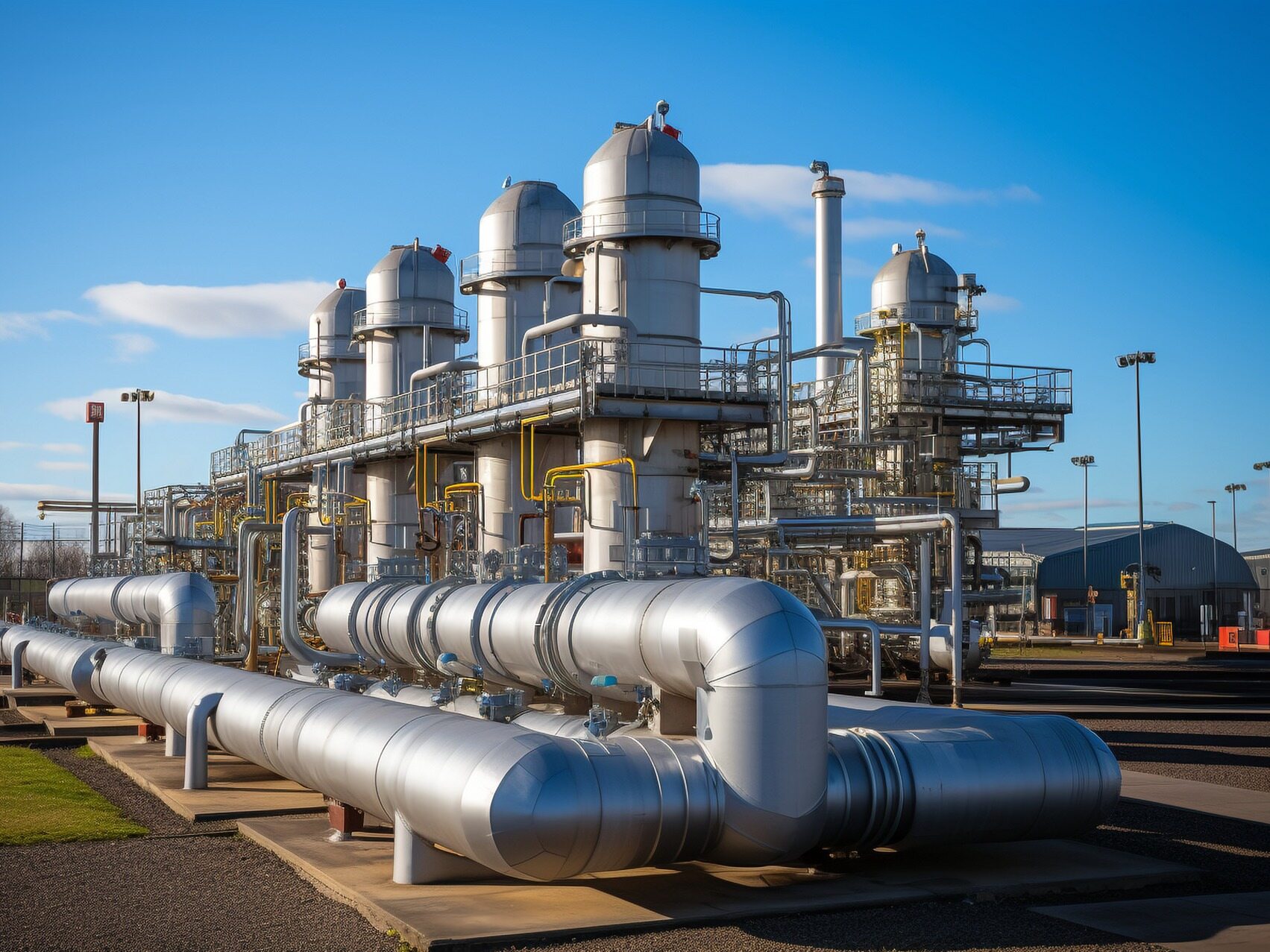
- Ghana plans to build a 1200 MW state-owned gas-fired power plant, surpassing Akosombo as the largest power source
- Supporting industrialization and energy independence with local natural gas
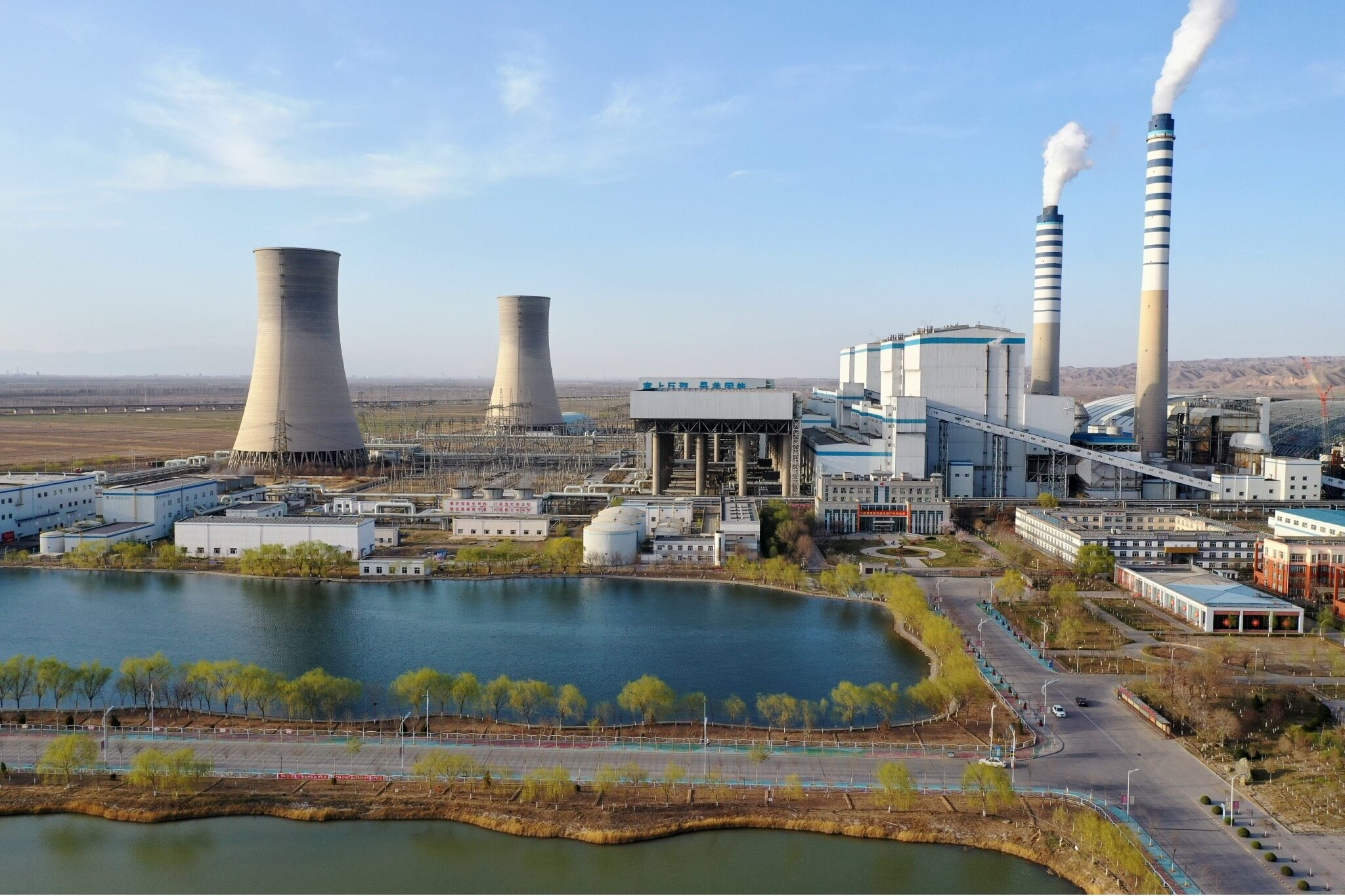
The Akosombo Dam on the Walter River has been standing for over half a century. The six units put into operation in 1966, with an installed capacity of 1020 megawatts, meet about 30% of the country's electricity demand and have long been regarded as the star of Ghana's power industry. This record, which has been held for sixty years, will soon be rewritten.
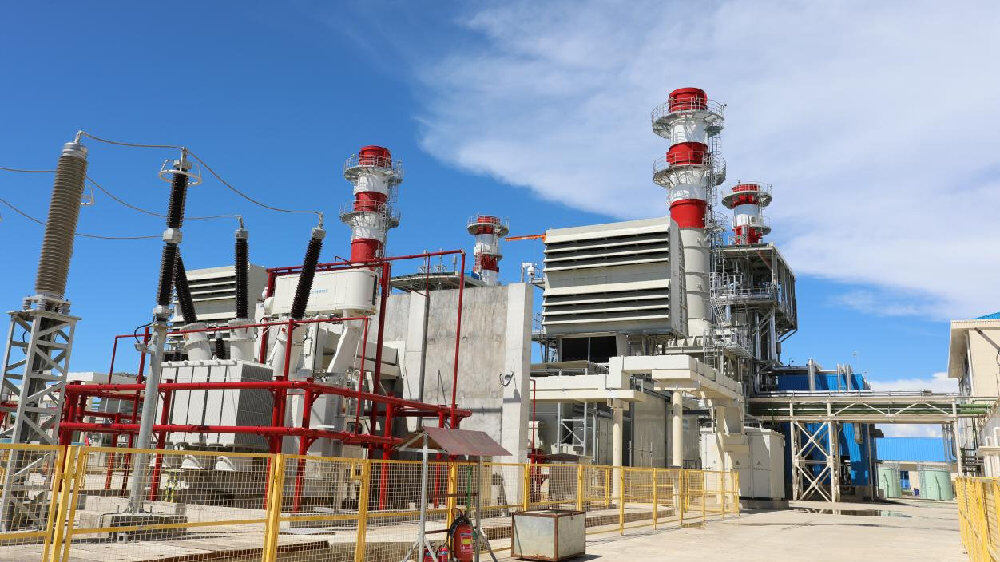
The turning point of the story takes place in New York. On September 25, 2026, on the sidelines of the United Nations General Assembly, Ghanaian President John Dramani Mahama walked into a diaspora town hall meeting and announced to scattered compatriots that a 1200 megawatt state-owned gas-fired power plant was about to be launched, and the agreement would be signed before the end of 2026. After completion, it will officially surpass Akosombo and become the largest power generation facility in Ghana.
Beyond Akosombo
Beyond scale, what is more worth pondering is timing. The global energy transition, accelerated adoption of renewable energy and electric vehicles, and the construction of new thermal power plants seem to be going against the trend. The reason given by Mahama is that it is precisely because of the need to avoid asset stranding and lock in local resources during the transition window period that adding thermal power installed capacity has become a necessary option. The offshore natural gas discovered in Ghana will lose its value over time if it is not converted into electricity on site in a timely manner.
Another set of arrangements during the same period echoes this logic. In November 2025, Ghana will launch a total of 22 billion cedi (approximately $204 million) energy sector reform plan, of which 15.2 billion cedi will be used to make up for accumulated shortfall payments, 4.8 billion cedi will be dedicated to clearing historical debts owed to independent power generators, and another 2 billion cedi will be invested in rural power acceleration and urban power enhancement.
Pay off the outstanding debt first
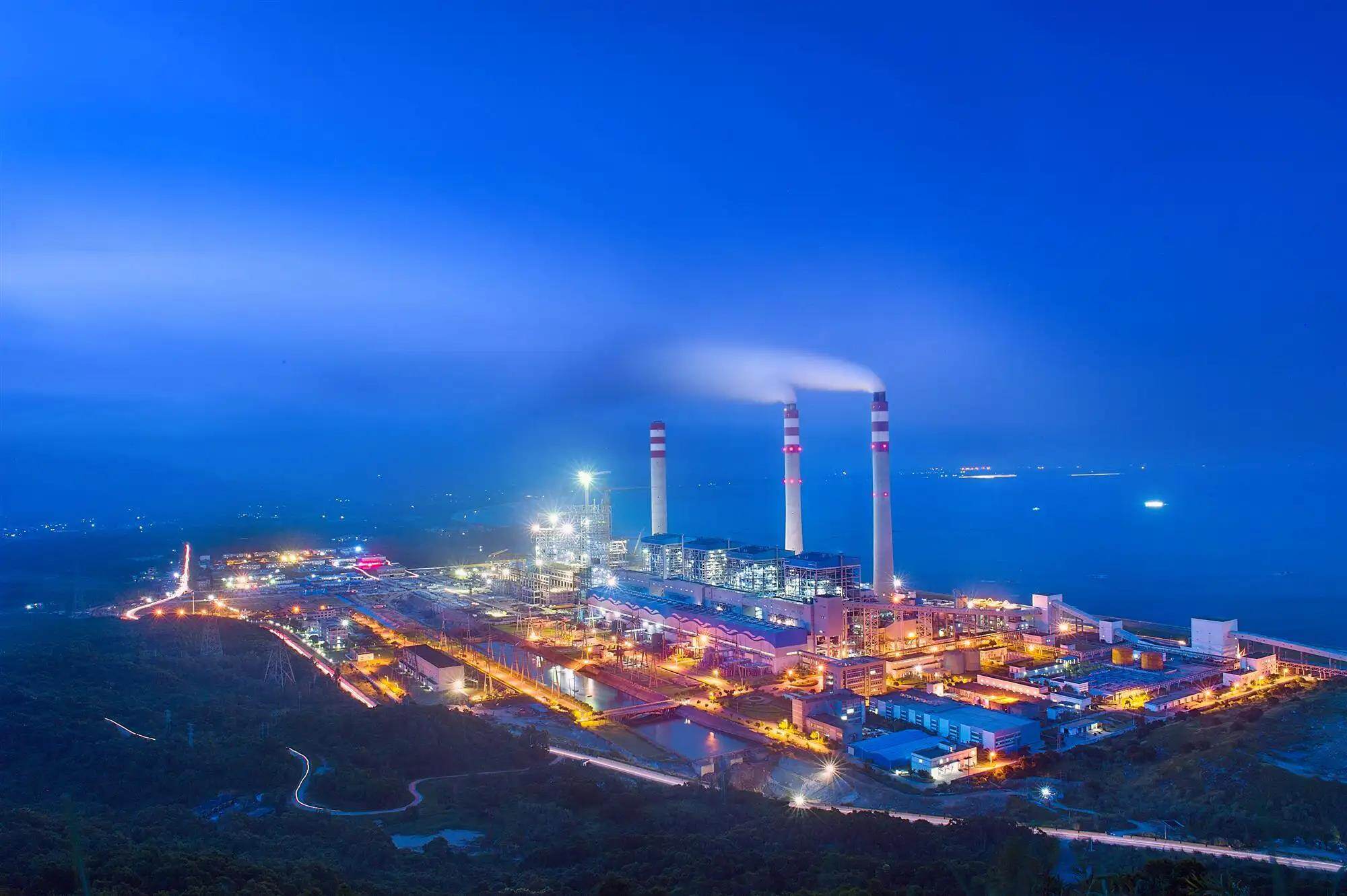
In the past, owing fees was the deepest wound in this industry. Ghana has a total power generation capacity of approximately 5083 megawatts, of which over 60% is provided by independent electricity producers. However, the government once owed it $1.4 billion in electricity bills, and the threat of power outages has repeatedly emerged. Mahama said that now that the energy debt has been settled and Ghana Electricity Company (ECG) has been restructured, the first expenditure received is paid to the power generation company. Procurement has also been re audited, and priority will no longer be given to buying cables and streetlights that will not be needed for ten years.
Change follows: Independent power producers who once threatened power outages are now actively proposing an additional investment of 500 megawatts. But the government's direction is clear - it is more inclined to build state-owned power generation capacity and hold the initiative in its own hands. The World Bank's calculations illustrate the cost from another perspective: in 2024, Ghana will spend about $1.4 billion to fill the energy sector gap, and this number is expected to rise to about $2 billion in 2026, equivalent to 2% of GDP.
Gas comes from the sea
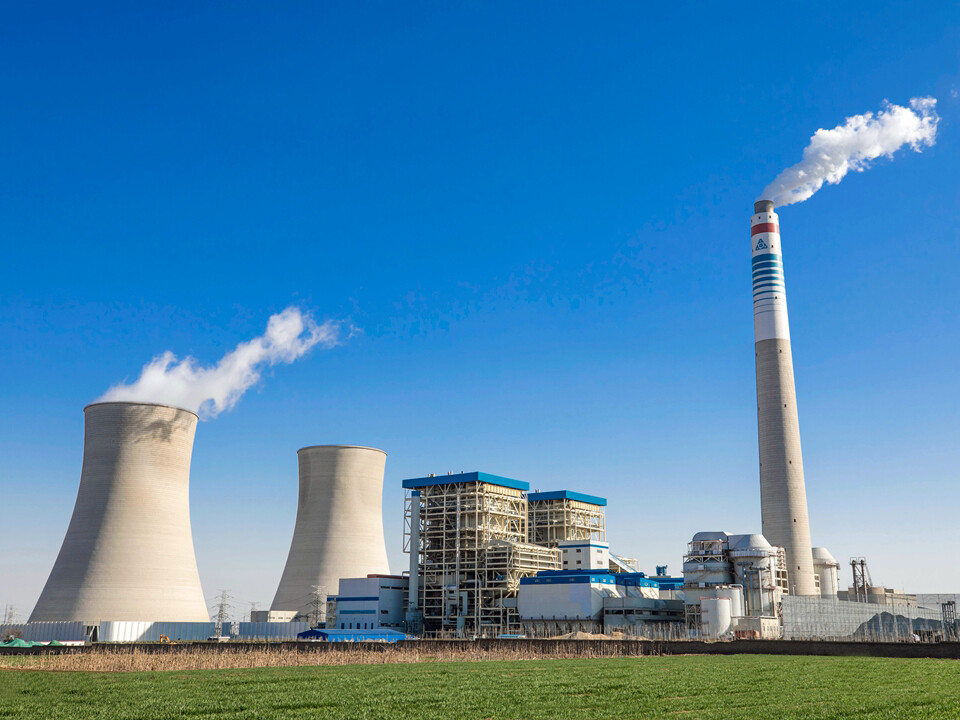
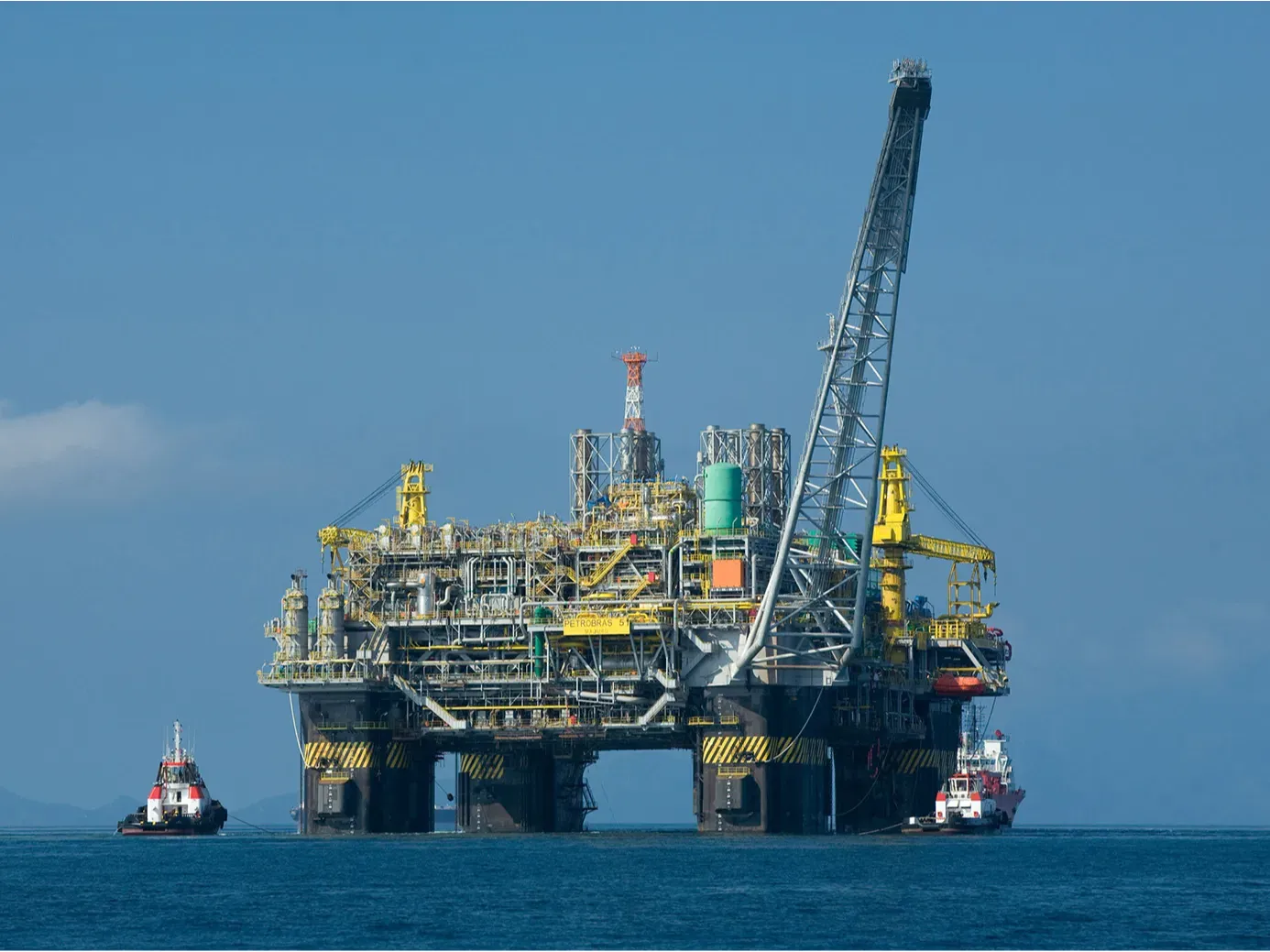
The fuel for the new power plant comes from the sea. Mahama recalled that when the government took over, the oil and gas industry was in a slump, and investors such as Eni shifted their business to Cote d'Ivoire, causing the production of the Jubilee oil field to drop to about 60000 barrels per day. Afterwards, confidence began to flow back: Jubilee partners invested $2 billion to drill 20 new wells, and Eni invested $1.5 billion to promote the remaining production of the Sankofa oilfield. Since 2025, oil production has increased by nearly 38%, and major oil companies such as ExxonMobil and Shell are also seeking opportunities to enter Ghana.
The newly added natural gas will be prioritized for feeding to new power plants and bring revenue to the country's development. At present, Ghana's electricity coverage rate is close to 90%, ranking among the top in Africa. The Attuabo natural gas processing plant, which was built with nearly 1 billion US dollars of investment from China, is still an important support for gas-fired power generation.
Behind the energy narrative lies a larger ledger. Mahama said that the government has taken over an off track International Monetary Fund project: the previous government received the next installment of a $3 billion loan in June 2024, but failed to fulfill its promise less than six months before the election. In order to get the project back on track before the next delegation arrives, the government has taken various difficult measures, and the Ghanaian people have cooperated and made sacrifices. When the delegation arrived, the project had already returned to the right track.keywords:Engineering infrastructure
In addition to IMF projects, the government also strengthens fiscal discipline on its own - revising laws, submitting bills to parliament, and making cabinet decisions. From paying off electricity bills to re signing power plant agreements, Ghana is reconnecting the main energy line back into the national development circuit.Editor/Yang Meiling
Comment

 Praise
 Collect
 Comment

 Share
Share


Write something~