 Search


- From selling oil to selling computing power, Kazakhstan is advancing with the integration of data centers, robots, and satellites
- Replace the growth engine of a resource-based country with the digital engine of Eurasia

In the coal city of Ekibastuz in northern Kazakhstan, generators and coal trains have been roaring for half a century. Now bulldozers are moving into another construction site, where what needs to be built is not a new mine, but a data center filled with thousands of high-end chips.
Building a computing power valley on the grassland
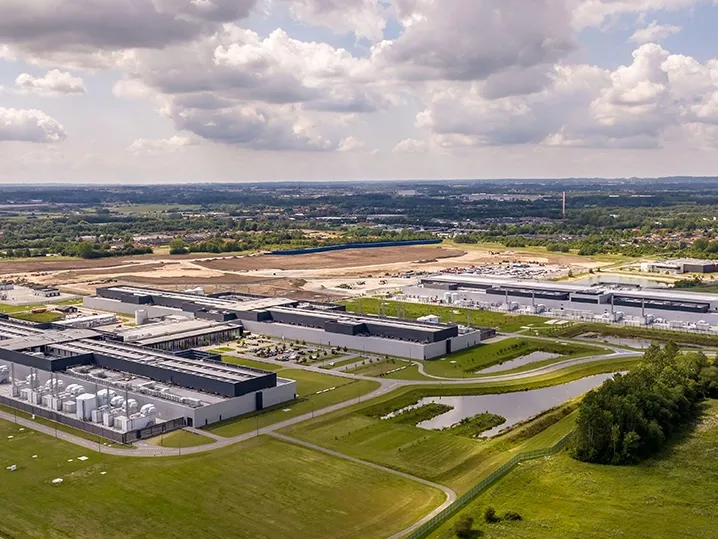
Kazakhstan's Deputy Prime Minister and Minister of Artificial Intelligence and Digital Development, Zaslin Madiyev, revealed at a government meeting that the planned capacity of the data center valley located in Ekibastuz is at least 1 gigawatt, the land has been allocated, the operator has been selected, the engineering infrastructure has been matched, and the electricity comes from the Ekibastuz GRES-1 power station. The first batch of facilities has started construction. According to the plan, Kazakhstan will put into operation a data center with a total capacity of 186 megawatts in 2027, and another 109 megawatts in the second quarter of 2028.
Capital comes upon hearing the wind. Madiyev stated that a package agreement worth $10 billion has been signed with Firebird AI, and over 20 international technology companies and investors have expressed their intention to participate.

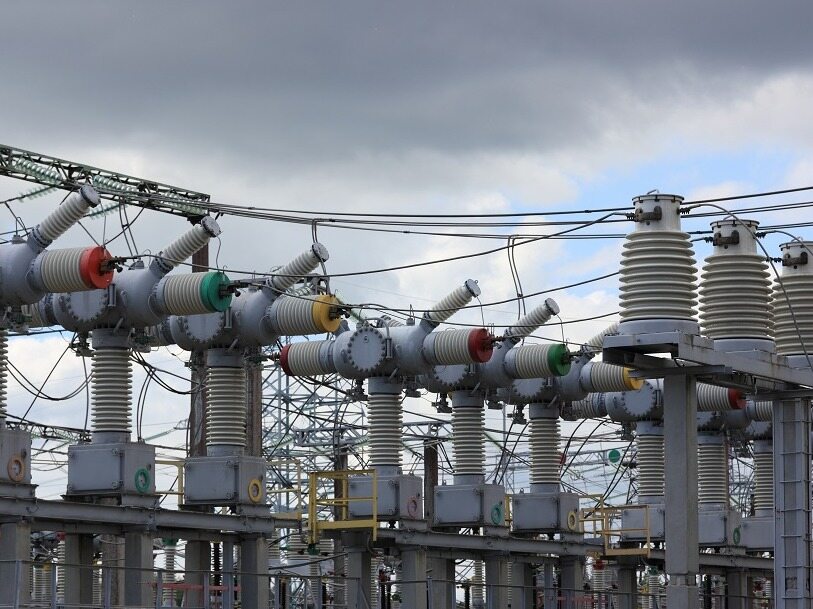
Cheap coal-fired power is the biggest bargaining chip, but it is also a hidden concern. Data shows that by 2025, coal will account for more than half of Kazakhstan's electricity generation, while thermal power will account for over 70%. The country itself has a power gap and needs to import electricity from Russia, while data center cooling consumes a large amount of water. Neighboring Uzbekistan is simultaneously advancing the Tashkent data center project, and the computing power competition in Central Asia has already begun.
Robots take to the streets
In addition to hardware, Kazakhstan is also integrating artificial intelligence into the physical world. In the field of robotics and physical artificial intelligence, Astana and Almaty are building two factories, with plans to complete them next year.
Unmanned systems and low altitude economy are being rolled out simultaneously: Astana, Almaty, and Kosh have pilot services for unmanned taxis, and Almaty has launched a pilot program for drone delivery. The commercial passenger transport and expansion of drone delivery plans are scheduled to land in 2027, while commercial air taxi flights are scheduled to land in 2028.
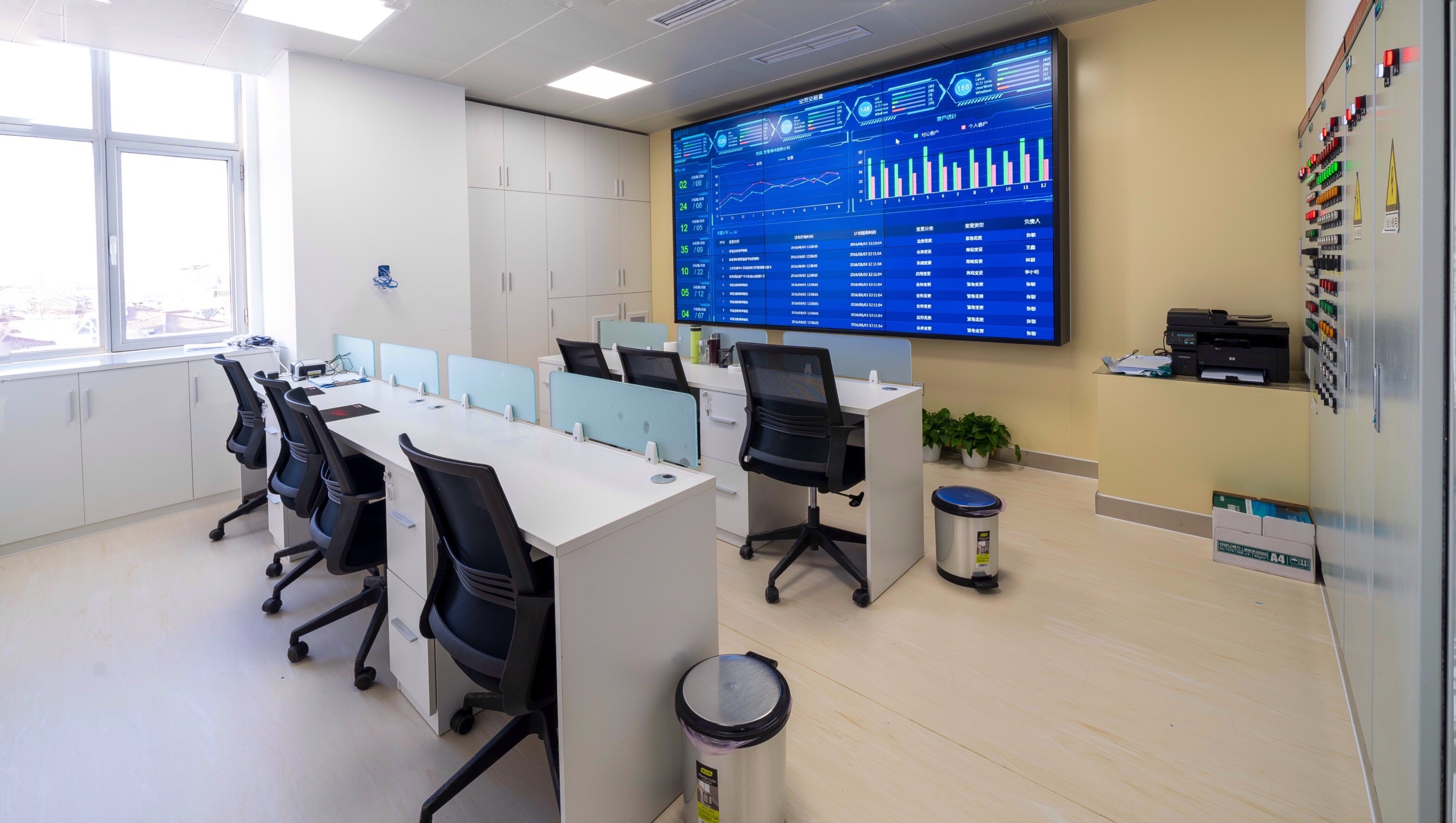
The supporting talent project is also accelerating. Kazakhstan has designated 2026 as the year of digitalization and artificial intelligence, introducing AI tools from the first AI research university to primary and secondary school classrooms, filling the human foundation for this transformation.
The satellite has started to make money
The part of the business in the sky has already paid the actual bill. In terms of satellite communication, two KazSat satellites provide communication services, achieving a revenue of 72 billion tenge; In terms of remote sensing of the Earth, there are currently three satellites in orbit, and the economic benefits of five-year space monitoring have reached 977 billion tenge.

Kazakhstan plans to develop six new satellites with an estimated export value of 70 million US dollars, and plans to join an international satellite constellation consisting of 14 satellites by 2030. At the same time, Kazakhstan plans to develop KazSat-3R before 2029. The aerospace equipment manufacturers from China, Russia, Türkiye and Finland have submitted competitive bids for this project.
The camel caravan on the Silk Road has long been far away. Now, this country wants to redefine its coordinates on the Eurasian map through bits, computing power, and orbit.Editor/Yang Meiling
Comment





 Praise
 Collect
 Comment

 Share
Share


Write something~