 Search


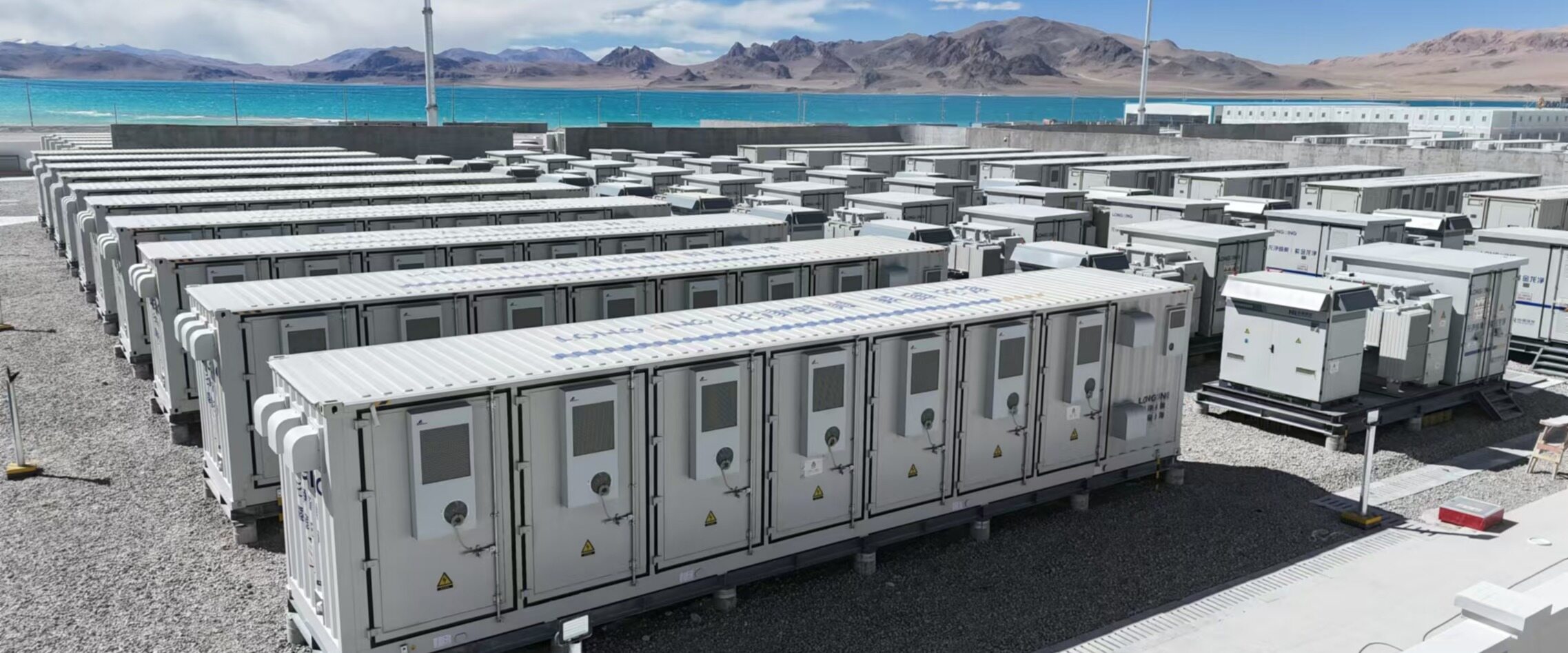
- This letter of intent has shifted Pakistan's focus from buying batteries to manufacturing batteries
- The implementation of production capacity by Chinese enterprises will alleviate foreign exchange pressure and lower energy storage costs
- And become a new pivot for energy storage manufacturing in South Asia
On the outskirts of Lahore, a 124 megawatt power plant has been in operation for many years, and every kilowatt hour of electricity generated is sold only to the same buyer - the Pakistan Water and Electricity Development Authority. For Kohinoor Energy, this is a stable but imaginative business.
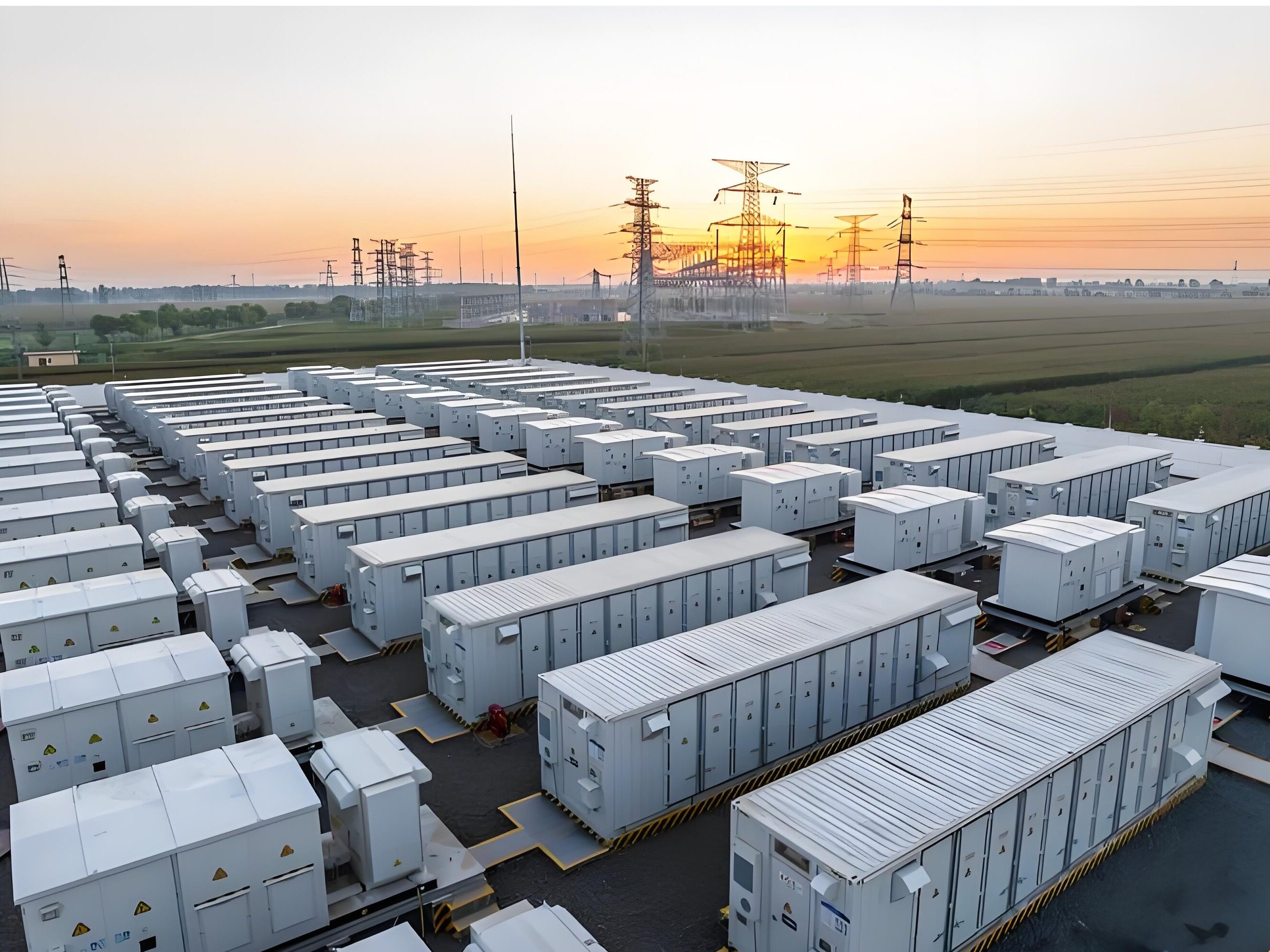
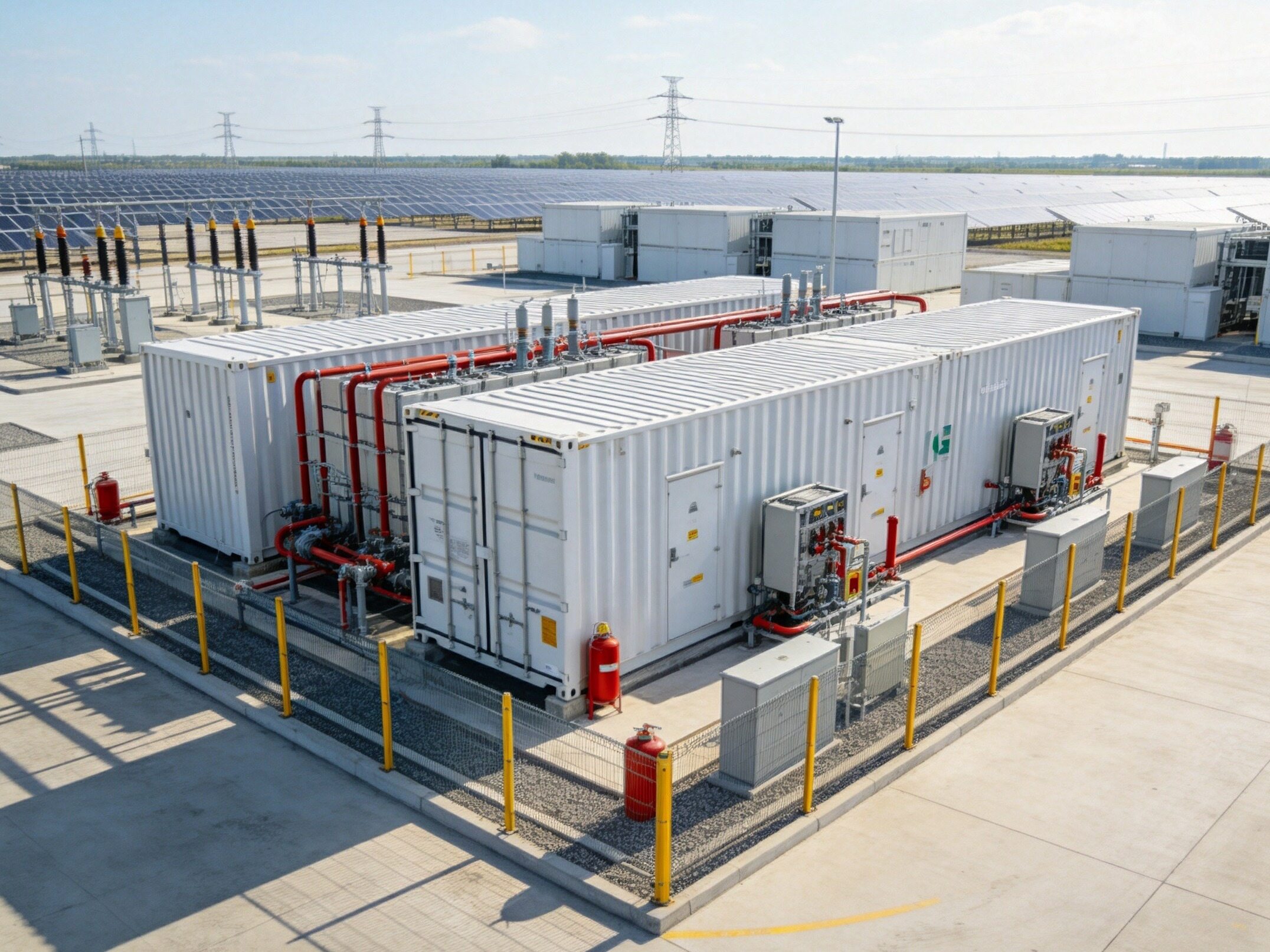
The change occurred on October 1, 2026. This independent power generator listed on the Pakistan Stock Exchange submitted a significant disclosure to the exchange on the same day: the company has signed a memorandum of understanding with Hebei Juhang Energy Technology Group from China, and both parties are considering establishing a joint venture in Pakistan to move the production lines of lithium-ion battery packs and battery energy storage systems to the local area.
The span from selling electricity to manufacturing batteries is not small. For a power generation company, this is its first time reaching out to energy storage manufacturing; For a country highly dependent on imports, this means that Pakistan is beginning to try to produce batteries at home.
A memo on a piece of paper
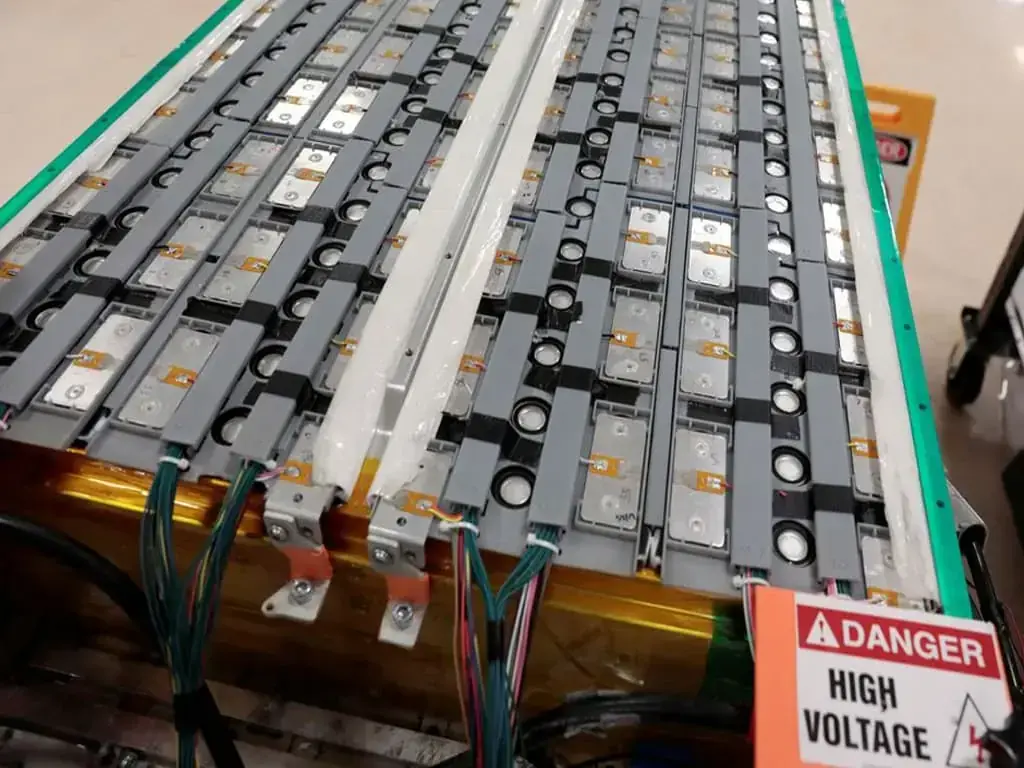
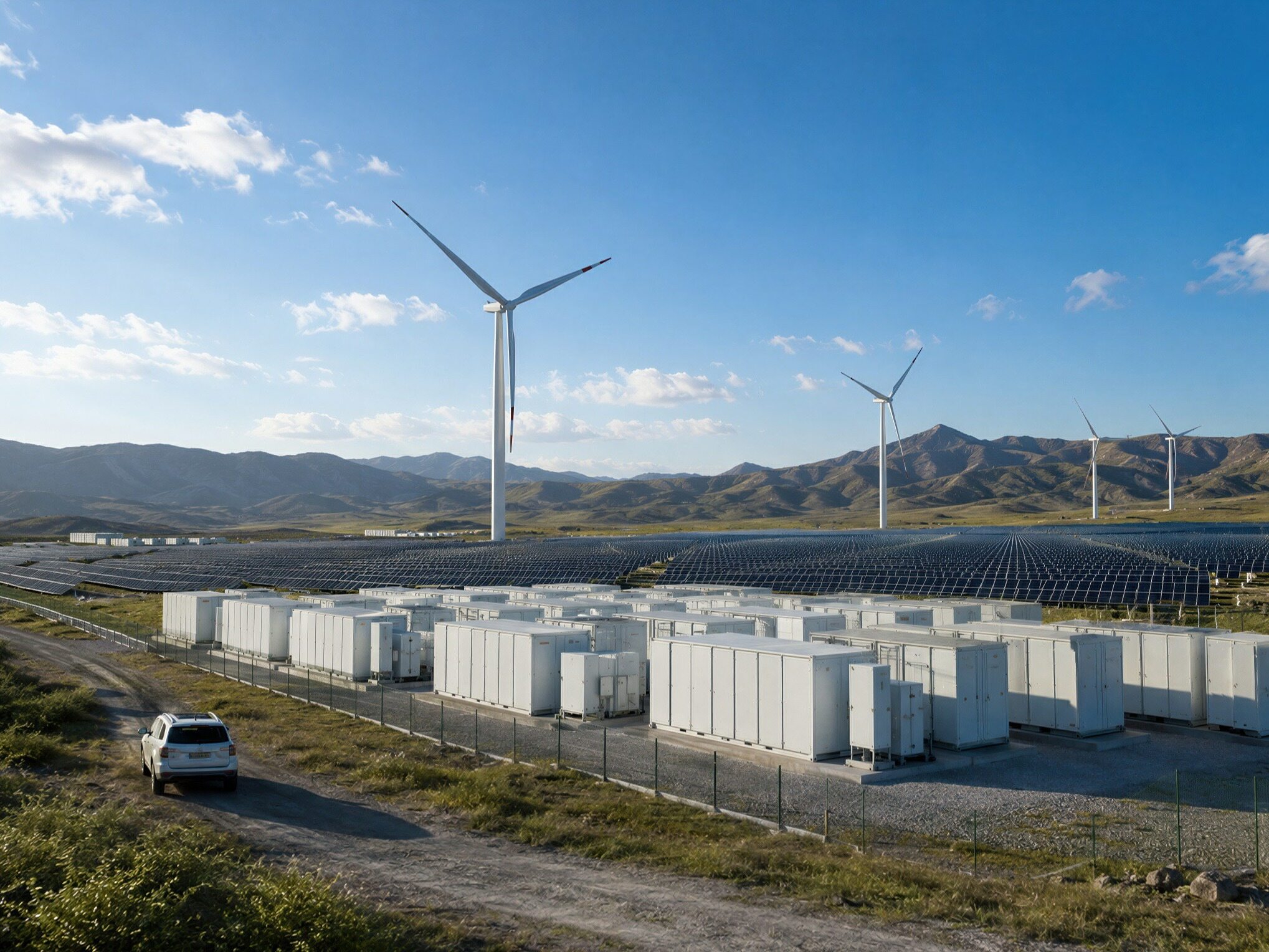
According to the disclosure, the proposed joint venture will cover the assembly, manufacturing, marketing, and sales of lithium-ion battery packs, battery energy storage systems, and related electrical equipment. Kohinoor Energy also repeatedly reminds that this memorandum is not legally binding, and the related transactions still need to undergo further evaluation, due diligence, applicable approvals, and final agreement signing.
Caution makes sense. Pakistan's energy storage demand has only truly exploded in the past two years, and the policy framework is still taking shape. In September 2026, the mandatory allocation and storage policy of the State Electricity Regulatory Administration was officially implemented: in the 800 megawatt renewable energy bidding, the supporting energy storage power of the photovoltaic and wind power projects bidding shall not be less than 10% of the power generation capacity, otherwise the bidding qualification will be lost. The threshold has just been established, and the industrial chain has not yet caught up, which is precisely the opportunity window for Chinese enterprises.
Three steps to increase production capacity
The project is progressing through the design phase. The initial annual production capacity is about 50 to 100 megawatt hours; Expand to approximately 300 to 500 megawatt hours based on market demand, business performance, and agreed upon conditions; Afterwards, it will be expanded to approximately 700 to 1000 megawatt hours.
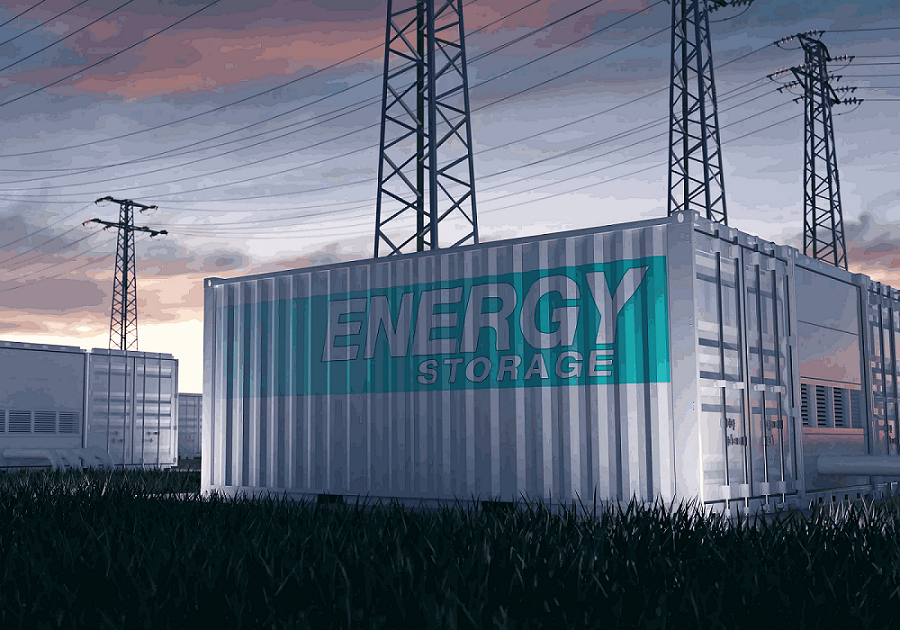
This rhythm not only leaves time for the market to test, but also conforms to the consistent strategy of Hebei Juhang. Unlike first tier battery cell manufacturers, Juhang's strengths lie in system integration and overseas localization of factory construction. In January 2025, it jointly invested in the construction of a new energy plant with KLC Group in Vietnam; In June of the same year, the joint venture company won the Vietnam National Petroleum Corporation's gas station photovoltaic and energy storage project, with an order size of 200 million yuan, becoming a benchmark case in its ASEAN market. Previously, Juhang had in-depth discussions with Pakistan's Segor Group on the full chain cooperation of lithium batteries, energy storage, and charging piles. This signing is a substantial step towards its landing in Pakistan. For Chinese energy storage companies going global, building assembly plants in target markets can avoid import tariffs, shorten delivery cycles, improve project responsiveness, and make it easier to adapt to local policies.
Amid the import frenzy
Pakistan was driven by demand. The proportion of solar power generation has increased from less than 2% in 2020 to about 24% in 2025. With high electricity prices and a decrease in photovoltaic prices, coupled with the adjustment of the net metering framework to net billing in February 2026, the revenue from surplus electricity connected to the grid has significantly decreased. More and more households and businesses are choosing to store their daytime electricity for use at night.
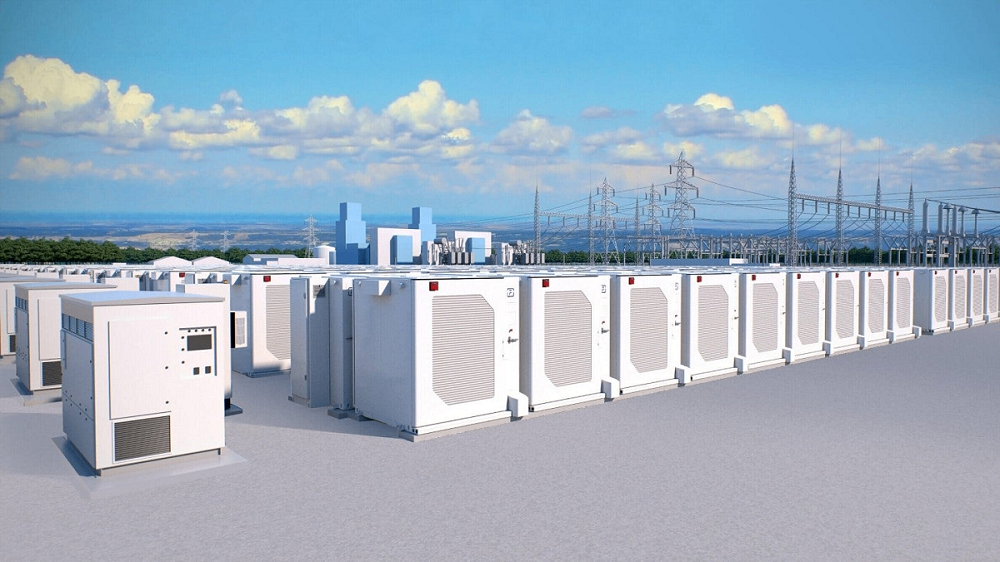
The result is a steep curve in lithium battery imports: in July 2026, Pakistan's monthly lithium battery imports reached a historic high of $88 million. The forecast shows that by 2030, the import volume of lithium battery packs in the country may reach 8.75 gigawatt hours.keywords:New energy information network
On one hand, there are record breaking import bills and foreign exchange pressure, and on the other hand, the just opened demand gate of mandatory storage allocation. The memorandum between Kohinoor Energy and Hebei Juhang is stuck at the intersection of these two forces - it is still just a piece of paper, but it points to a Pakistani energy storage market that no longer relies solely on imports.Editor/Yang Meiling
Comment

 Praise
 Collect
 Comment

 Share
Share


Write something~