 Search


- This memorandum provides a channel for Pakistan's idle stranded gas and low-pressure gas to be monetized
- Not only does it alleviate the local gas shortage, but it also opens up new space for China's oil service technology to go global
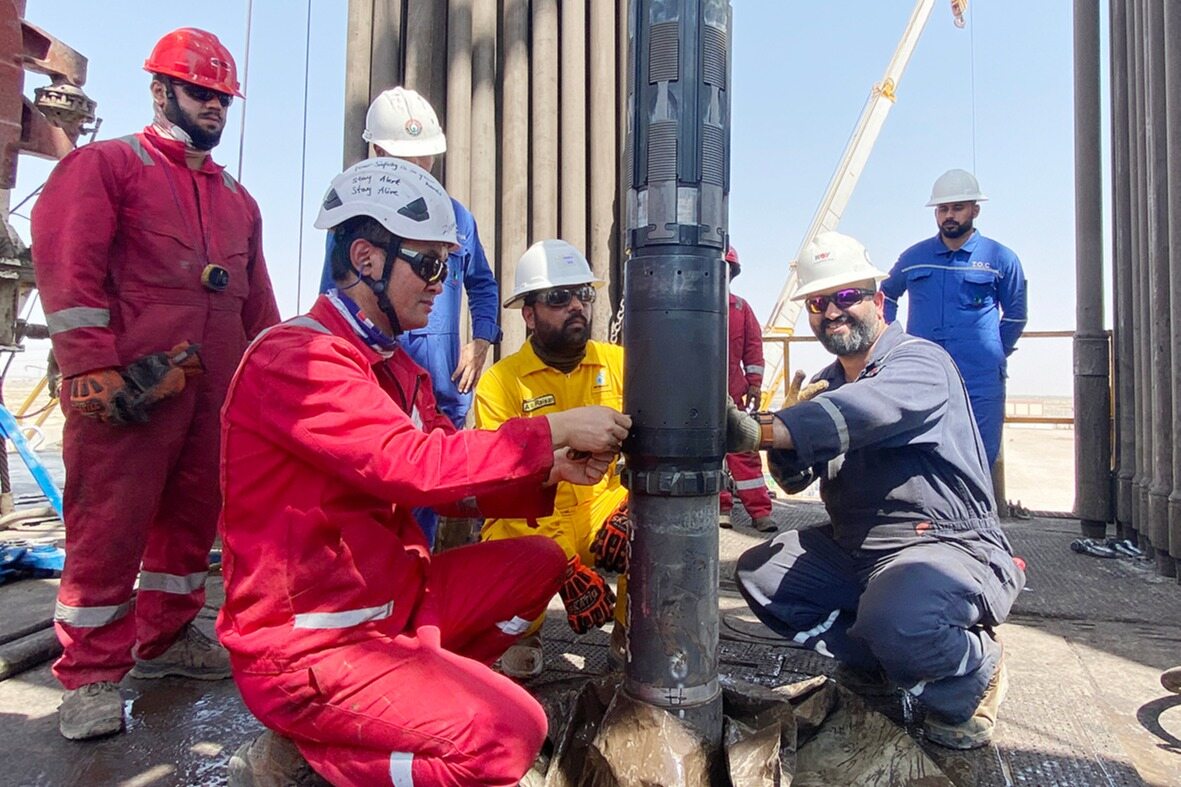
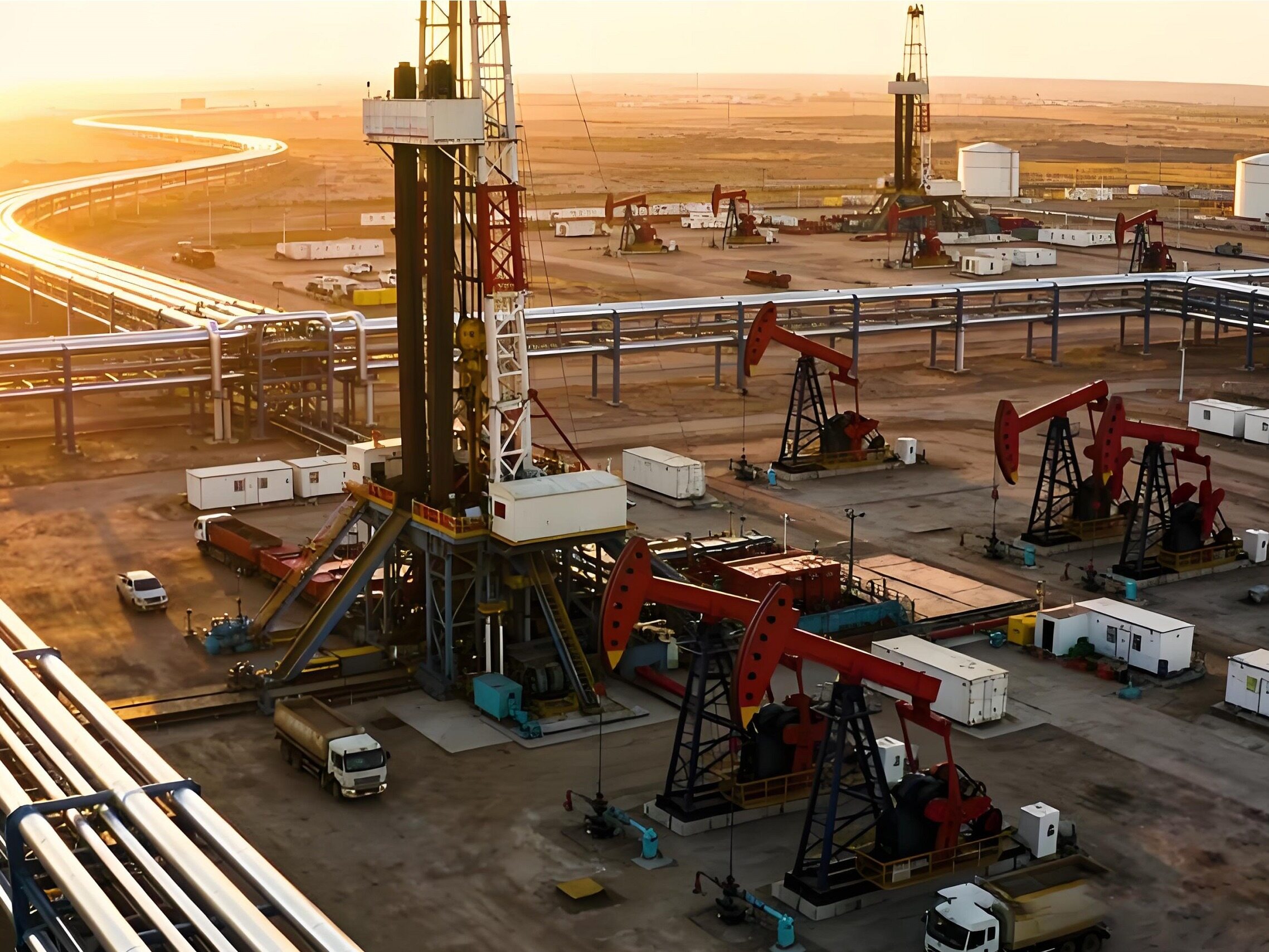
In the oil and gas fields in southern Pakistan, there is a resource that has been wasted for a long time: some gas wells have too low pressure to reach the threshold of the long-distance pipeline network; Some gas fields are located in remote areas, and the cost of laying pipelines cannot be calculated. The extracted gas can only be ignited with torches at the wellhead and burned day and night. Burning not only energy, but also income that could have been converted into foreign exchange and taxes. How to bring these stranded and low-pressure gases into the market has always been a major challenge for Pakistan's energy industry. Recently, a memo provided a new solution to this problem.
A cooperation plate worth 20 billion rupees
Pakistan's Shaheen Energy and Anton Oilfield Services Group have signed a memorandum of understanding to explore investment opportunities in Pakistan's natural gas and upstream energy sectors worth approximately 20 billion rupees over the next three to five years. This is not a single project transaction, but a collaborative framework covering five major business areas: third-party natural gas sales, upstream and oilfield development, production increase, natural gas processing, and energy infrastructure.
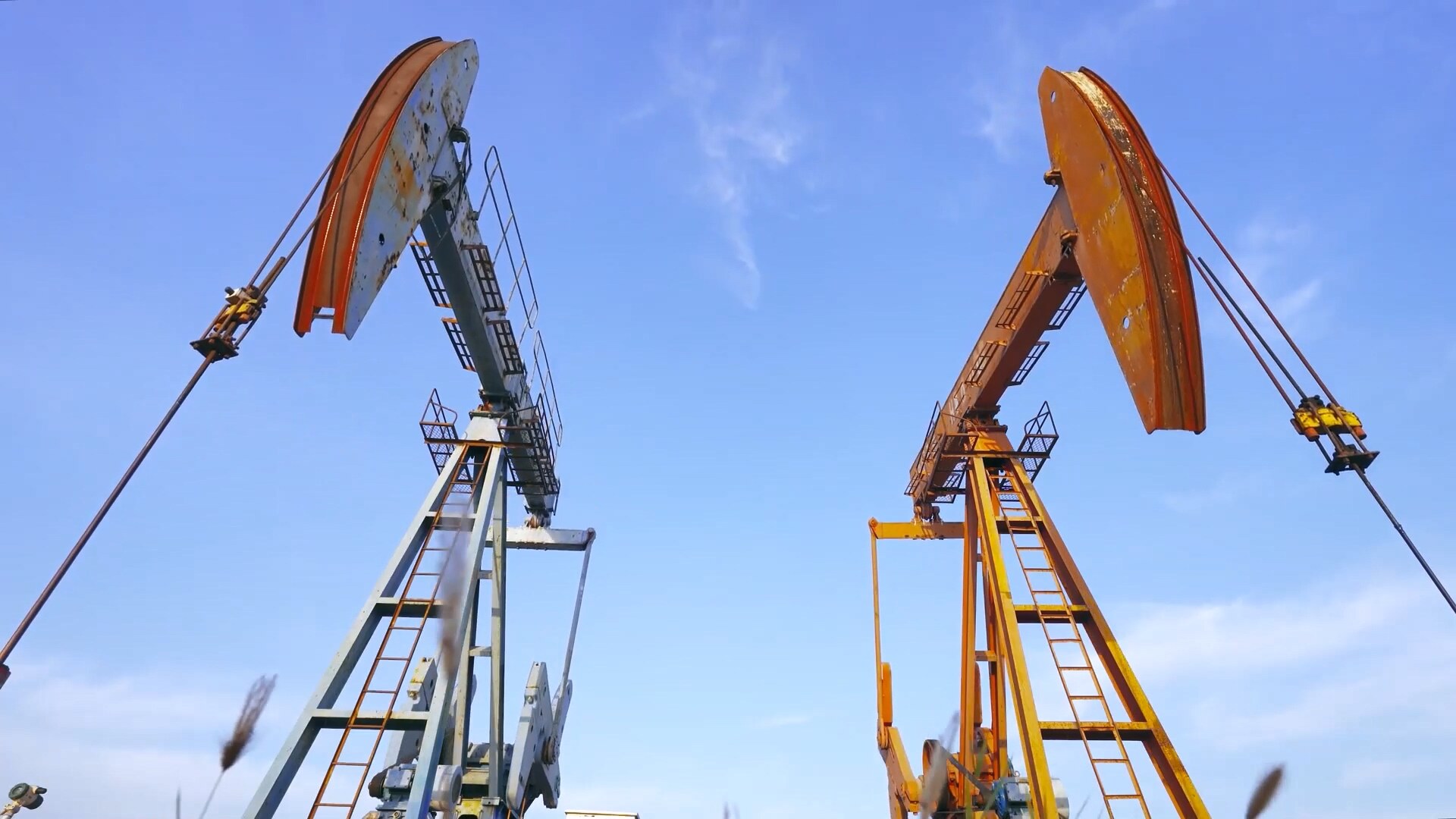
In terms of division of labor, both sides should learn from each other's strengths. Shaheen Energy is familiar with local operations and has natural gas processing capabilities; Anton Oilfield Services Group brings international oilfield technology and upstream development experience. The focus of cooperation is expected to fall on three directions: stranded gas and low-pressure gas resources, monetization of natural gas, and technology driven production increase. In other words, the goal is to turn gas that was uneconomical and unsold in the past into a commodity that can be priced and delivered.
The new policy opens the sales gate
The timing of this collaboration is not accidental. It closely follows the revision of the 2012 oil (exploration and production) policy. The revised policy allows exploration and production companies to sell up to 35% of pipeline grade natural gas to licensed third-party buyers through competitive procedures.
This change may seem technical, but its significance is significant. In the past, the sales channels for pipeline level natural gas produced by upstream enterprises were relatively single, with limited bargaining and consumption space; Nowadays, up to 35% of the production can be directed towards third parties, which is equivalent to opening a market-oriented door for upstream enterprises and providing a institutional basis for third-party natural gas sales. Whoever can process gas to pipeline level standards, find buyers, and connect remote gas sources to the market will gain new revenue opportunities under the new rules.
Membrane technology supports low-pressure gas
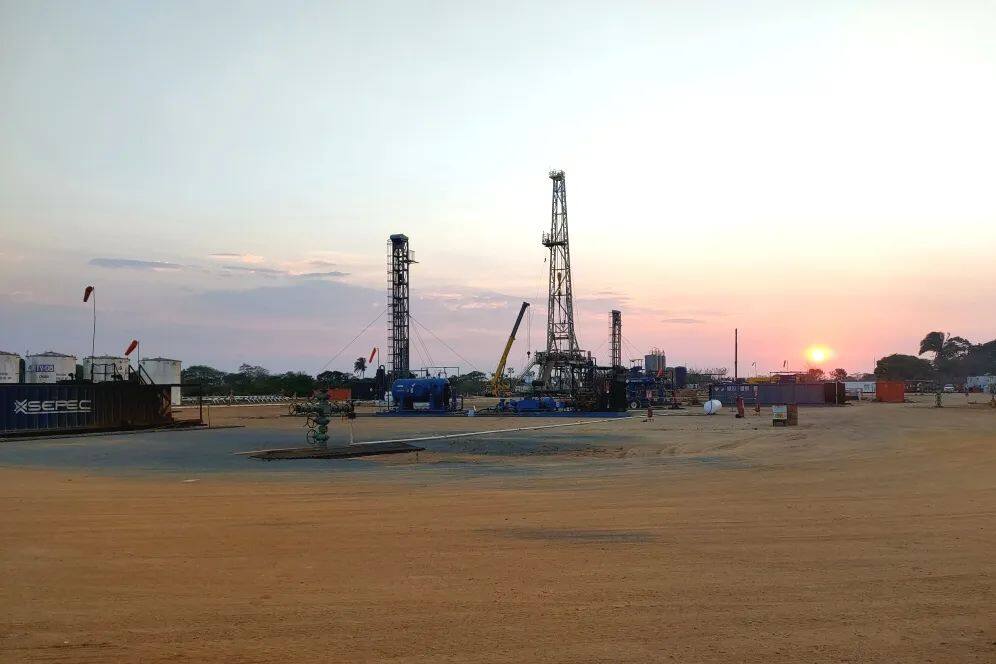
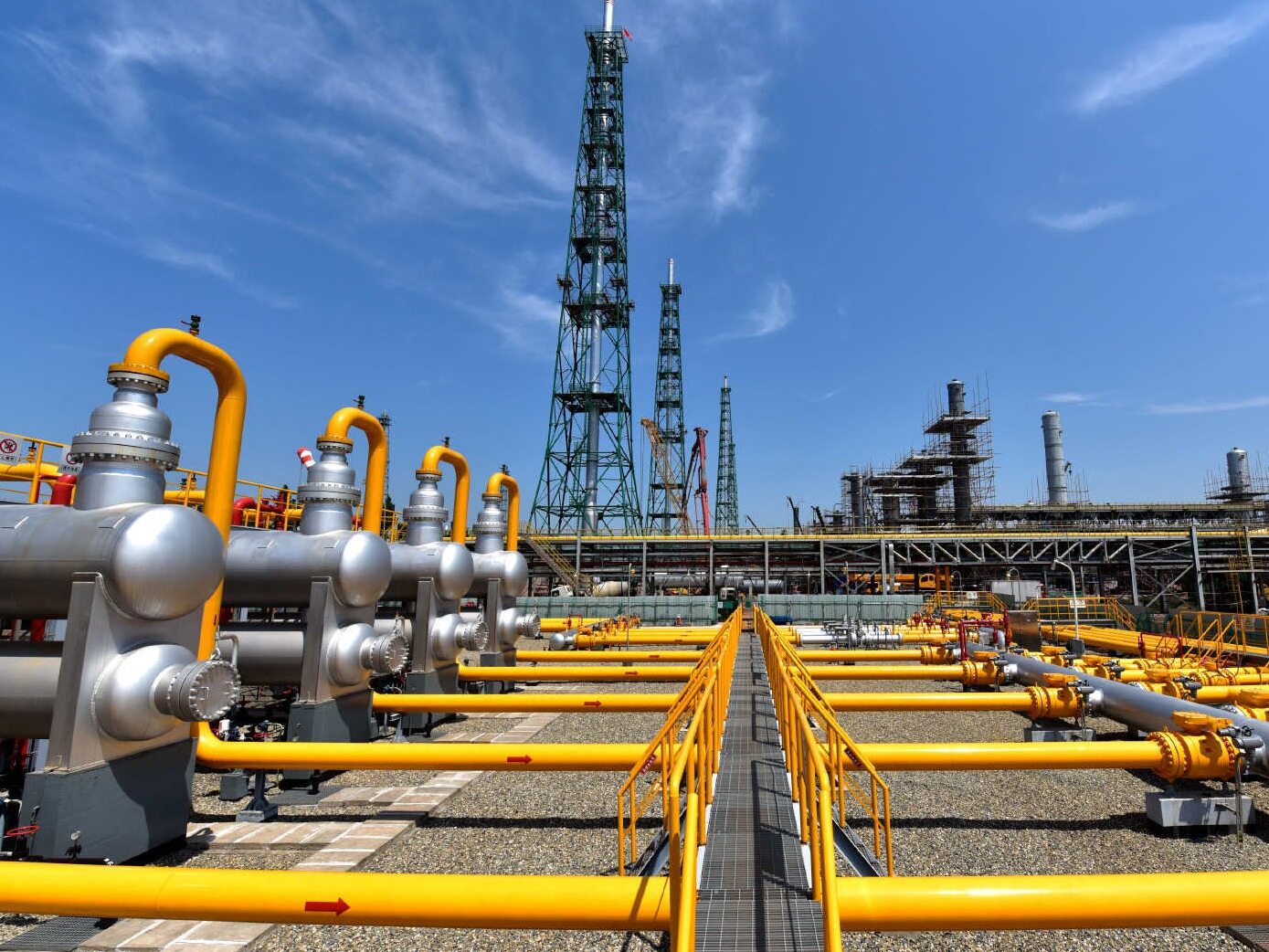
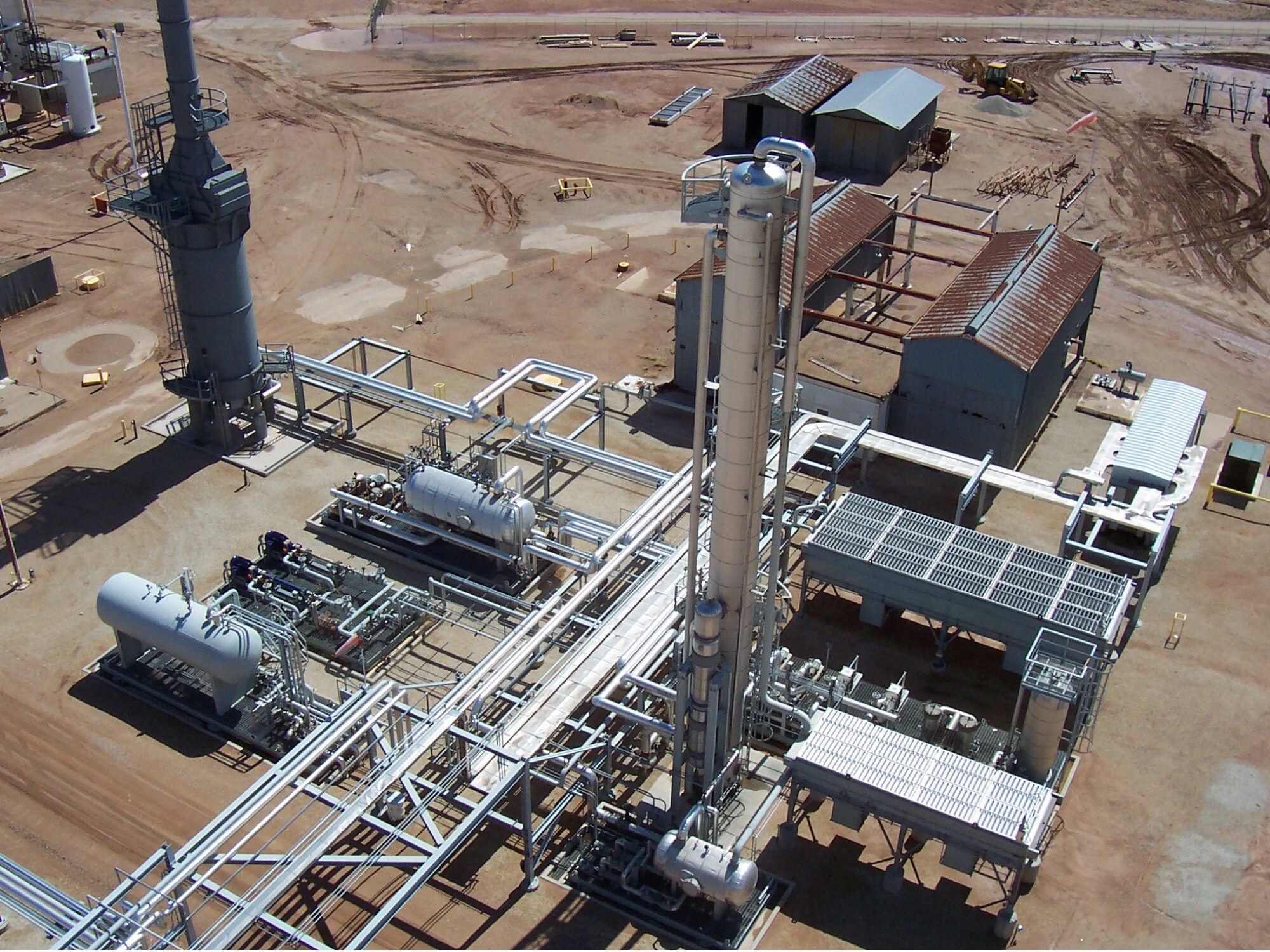
The landing point on the technical side is already clear. Shaheen Energy's Sinjhor facility is designed to have a processing capacity of 10 million standard cubic feet per day, using membrane technology to upgrade low-pressure gas to pipeline grade natural gas. For low-pressure gas, whether it can meet the standard and enter the pipeline network is the lifeline, and membrane technology is the key tool to cross this threshold. The company is still advancing the processing, transportation, and commercialization projects of natural gas and flare gas, which are directly related to the resources that were previously released and incinerated.
Anton Oilfield Services Group's business covers over 30 countries and regions, providing services including drilling and completion, reservoir engineering, production enhancement, oilfield management, and commercialization of energy resources, covering the entire chain from underground to market. One end is the local gas source and processing plant, and the other end is a complete set of engineering service capabilities. The combination of the two allows the monetization of stranded gas to no longer remain on paper.Keywords: energy cooperation
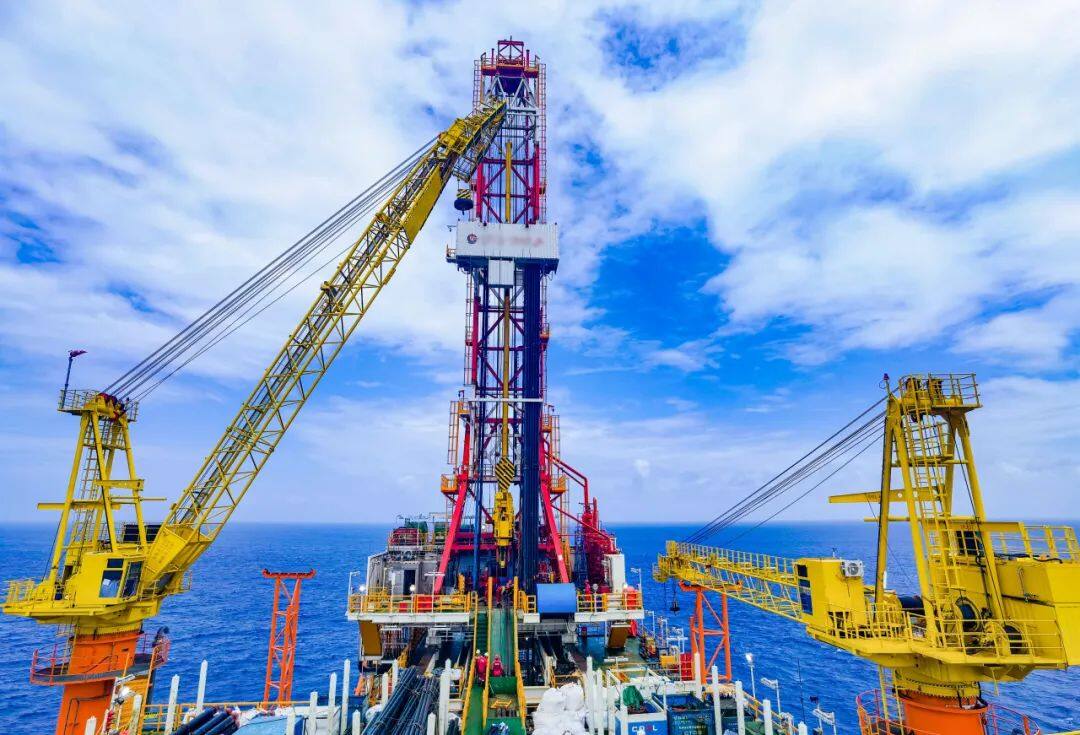
For Pakistan, this means that more domestic gas sources can be utilized, reducing external dependence; For Anton Oilfield Services Group, this is an opportunity to embed production and processing technologies into the institutional dividends of overseas markets. The amount of investment that this memorandum can realize in the next three to five years depends on the details of policy implementation and the trend of market prices, but the direction is already clear: turning burned flames into usable energy.Editor/Yang Meiling
Comment


 Praise
 Collect
 Comment

 Share
Share


Write something~