 Search


- Over 24 million charging stations nationwide are connected to a two-way interactive system
Putting the charging gun into the front of the car after work, many car owners are unaware that this daily action is being integrated into a nationwide two-way energy transformation. From one-way power supply to two-way interaction, tens of millions of charging piles scattered throughout urban and rural areas are becoming the most dynamic terminal nodes of the new power grid.
From one-way straws to intelligent interactive terminals
As of the end of August 2026, the total number of electric vehicle charging infrastructure in China has reached 24.223 million, an increase of 39.6% compared to the same period last year, including 5.16 million public charging facilities and 19.063 million private charging facilities. In the past, charging stations were just simple one-way power collection devices. Nowadays, vehicle network interaction technology is rapidly being implemented. Vehicles automatically store energy during low electricity prices at night, and surplus electricity flows back to the grid during peak electricity consumption in the evening. Every new energy vehicle can become a mobile distributed energy storage unit.
By 2030, the total scale of charging facilities in China will exceed 40 million, and the number of high-power charging piles will reach 300000, covering major cities and highway networks across the country, supporting the travel and two-way interaction needs of over 110 million electric vehicles.
Synchronized formation of three-dimensional network and intelligent brain
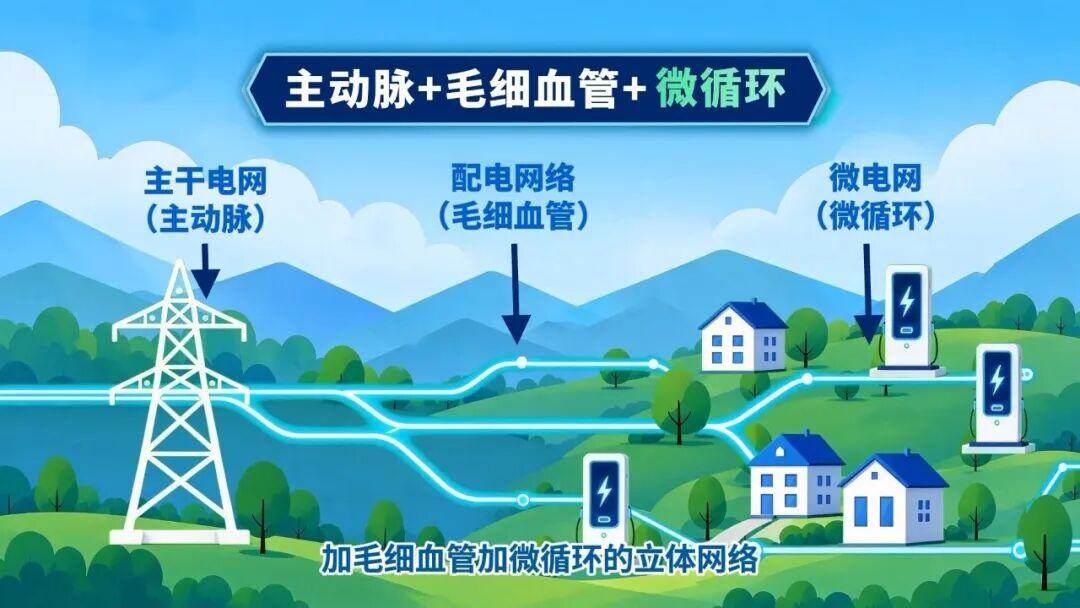
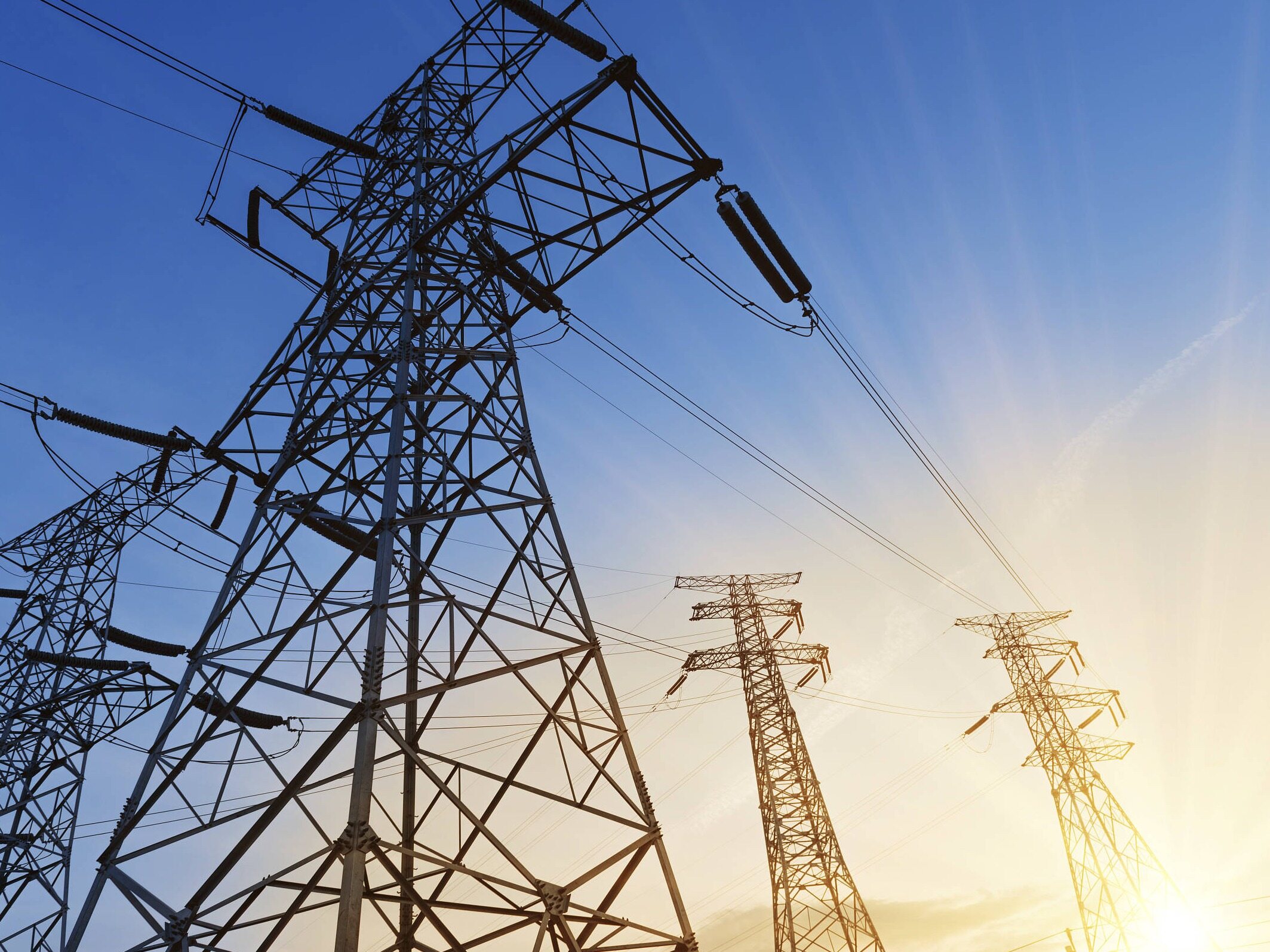
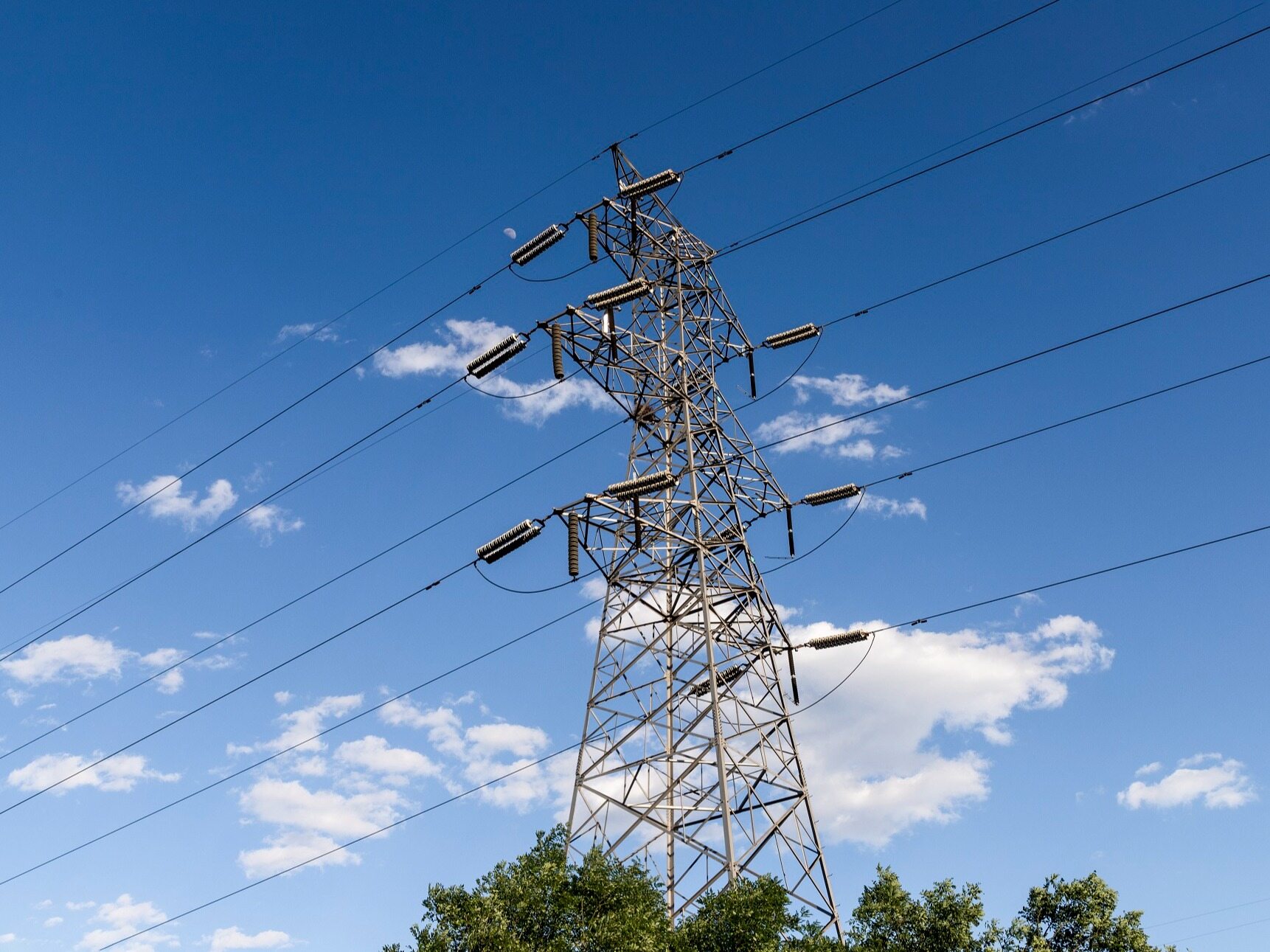
During the 15th Five Year Plan period, the investment scale of China's new power grid will exceed 5 trillion yuan, and 15 or more ultra-high voltage direct current transmission channels will be built. The scale of West East power transmission will exceed 420 million kilowatts, and the capacity of the distribution network to carry distributed new energy will double to 900 million kilowatts. The photovoltaic power in the western Gobi Desert is directly transmitted to the eastern load center through the ultra-high voltage channel. Rooftop photovoltaics and community charging piles in thousands of households can be smoothly connected to the distribution network. Smart microgrids in border islands and industrial parks can be completed and switched off the grid in milliseconds, and can still independently ensure stable power supply in extreme weather conditions.
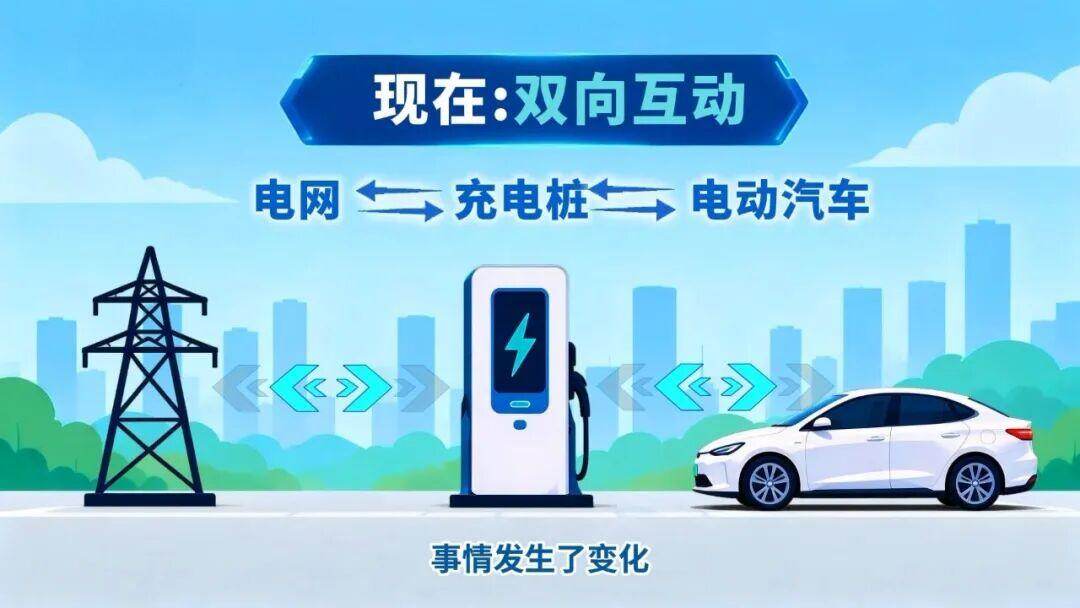
AI scheduling and digital twin technology are fully integrated into the power grid operation system. Distributed charging piles, energy storage, and distributed photovoltaics are aggregated into virtual power plants with a regulating capacity of over 50 million kilowatts. Grid based energy storage provides active voltage and frequency support for the power grid. This system completely departs from traditional one-way power supply logic and allows every ordinary user to participate in the efficient flow of green electricity.Editor/Cheng Liting
Comment


 Praise
 Collect
 Comment

 Share
Share


Write something~