 Search


- Help farmers reduce costs and increase efficiency, and explore the path for agricultural modernization
- From buying airplanes to building their own, Fergana Technology Park brings China's drone industry chain into the Central Asian cotton region
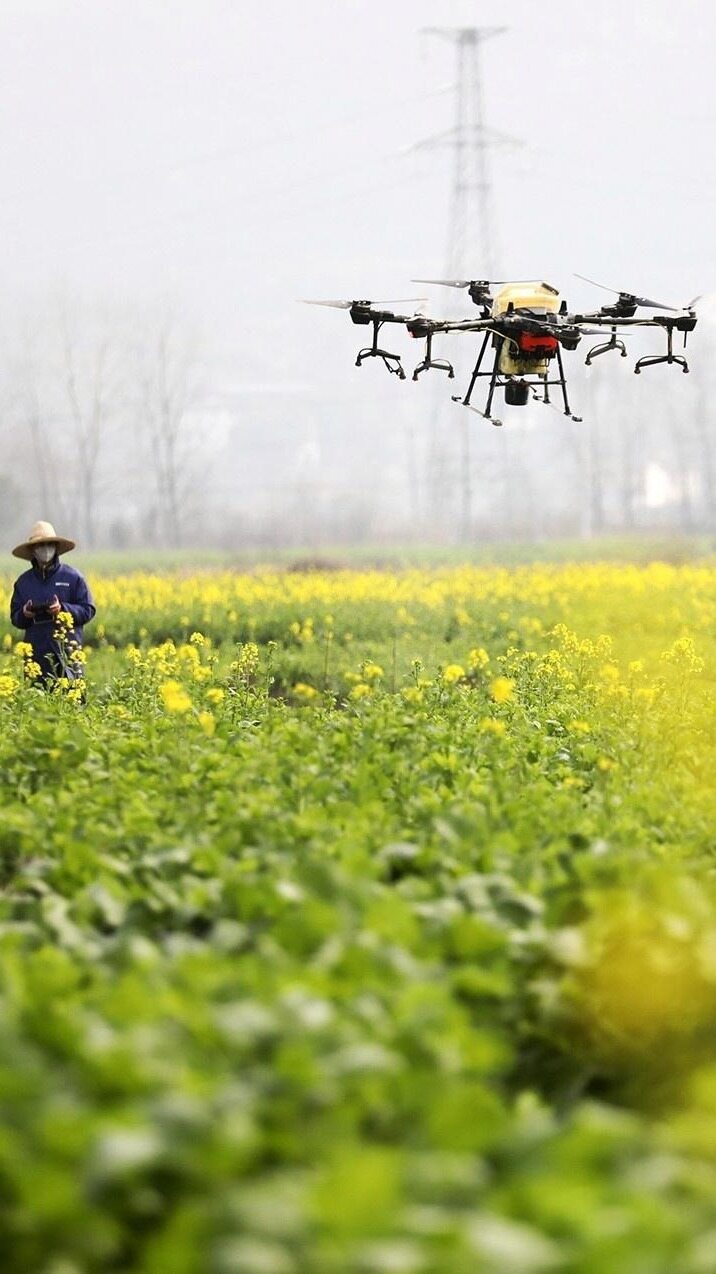
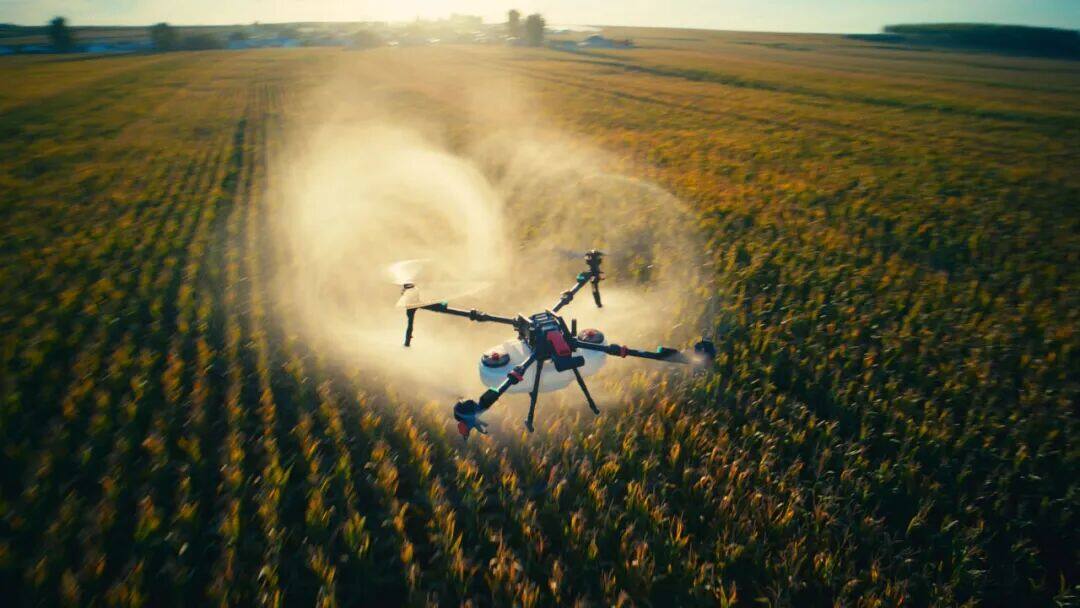
The Ferghana Basin is a cotton warehouse in Uzbekistan. During the spraying season, large cotton fields need to rush to finish spraying during the window period of pests and diseases. In the past, the spray was carried manually, which was inefficient and expensive. In recent years, changes have accelerated: Ukraine has imported 100 Chinese made agricultural drones, 50 for remote monitoring of farmland, 50 for fertilization and pest control, the first batch of 30 operators have received training, and the qualified pilot program has expanded to 100; The Ministry of Agriculture has also launched a drone service center, with over a hundred drones put into operation, and plans to establish two mobile drone service units in each region, increasing the maximum payload from 100 kilograms to 250 kilograms.
With the increasing number of airplanes, problems have arisen - who will fly, who will repair them, and where will the accessories come from. The answer given by Fergana state is to localize the industrial chain.
An industrial park within one hectare
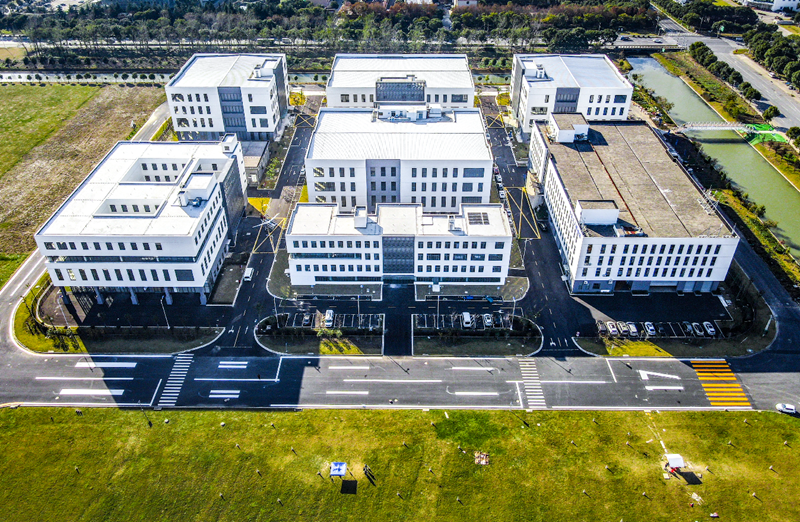
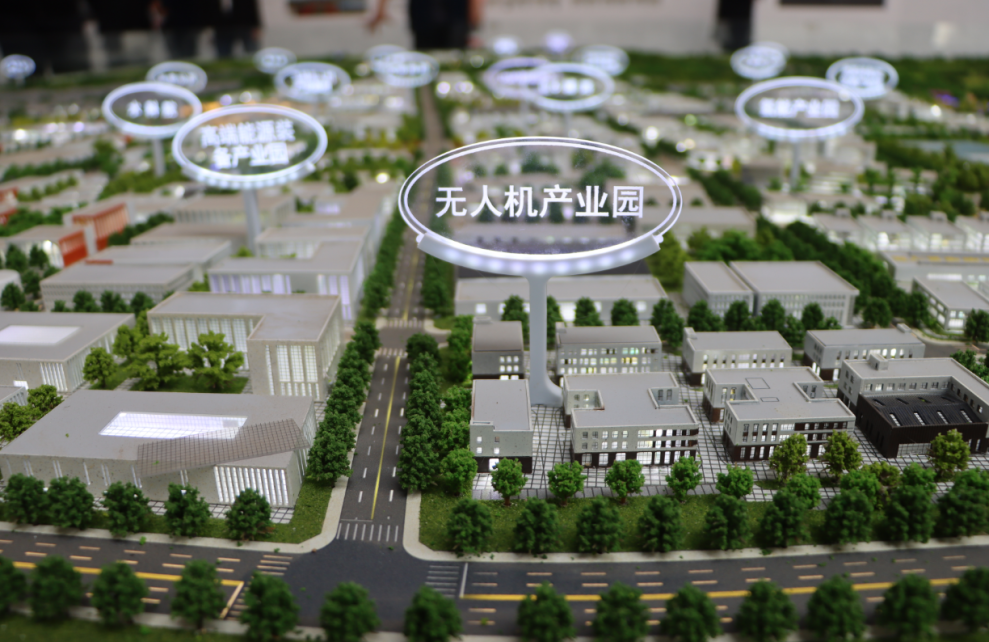
The state government has drafted a plan to allocate a 1-hectare plot of land in the Eco City complex industrial zone to establish the FSTU Aviation Engineering Technology Park. The park will be hosted by Fergana National Technical University and operated by Hongsheng Texnologik Rivojlantirish, a joint venture between the university and Chinese investors. The project is still in the draft public announcement stage, and the document will be publicly discussed until October 9, 2026. If the announcement is approved, it will enter implementation.
The planning of the park is not just about production lines, but also includes production, sales, and warehousing complexes, research and development centers, operator training facilities, testing grounds and laboratories, as well as logistics and service facilities. In May of this year, Fergana State had already started negotiations with Chinese companies on projects related to drones, robots, and software systems. Now that the draft has been implemented, it means that cooperation has moved from intention to document.
Making machines also makes pilots
The park's business is divided into three areas: production of agricultural drones and spare parts; Provide testing, sales, warehousing, and maintenance services; Train drone operators and conduct retraining, vocational training, and operator certification. According to the draft, the joint venture may also be authorized to directly provide agricultural services to legal agricultural producers, using drones for crop monitoring, spraying mineral fertilizers, and crop protection products.
The safety red line is also included in the draft: the maximum flight altitude of the drone is 30 meters, and it can only be operated by certified pilots. This regulation highlights the value of training in turn - what the Central Asian market lacks most is never equipment, but local service capabilities that can organize equipment, pilots, and orders.
From selling equipment to selling services
Behind this is a pattern upgrade. China's drone exports to Central Asia are shifting from a single device export to a comprehensive output of equipment, services, and standards; The Ukrainian side provides a purchase subsidy of about 30% for locally assembled drones, and localized production can also bypass the import tax rate for complete machines and radiate to surrounding markets. The significance of Fergana Park lies in this: it not only sells airplanes, but packages manufacturing, training, maintenance, and agricultural services in this cotton area, turning one-time orders into long-term operational capabilities.
After October 9, 2026, if the draft is successfully passed, locally made drones will fly over the cotton fields in Fergana.Editor/Yang Meiling
Comment




 Praise
 Collect
 Comment

 Share
Share


Write something~