 Search


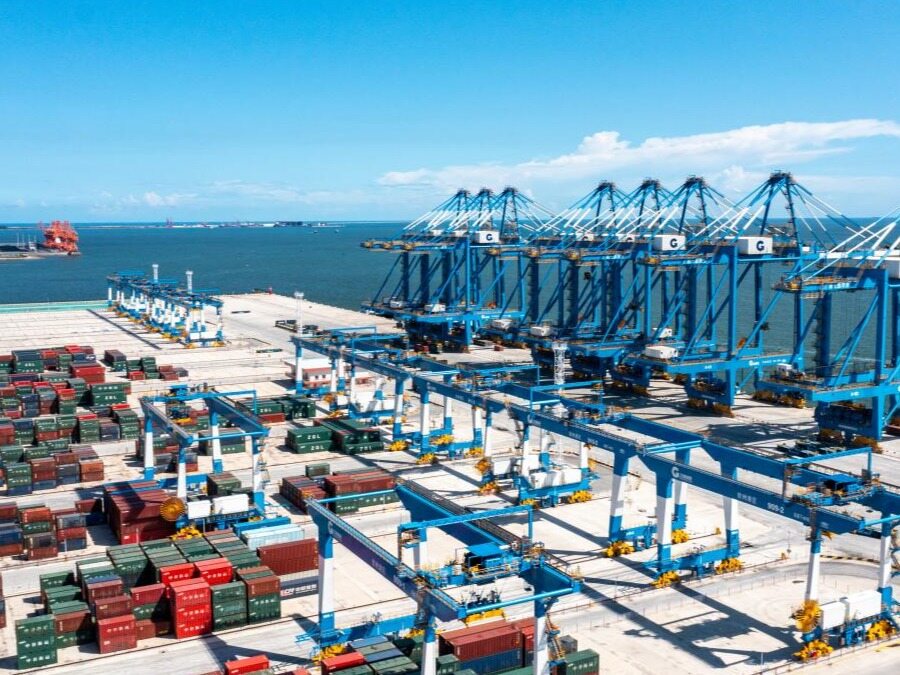
- The proposed multi-purpose deep-water port can accommodate 200000 ton Cape of Good Hope bulk carriers
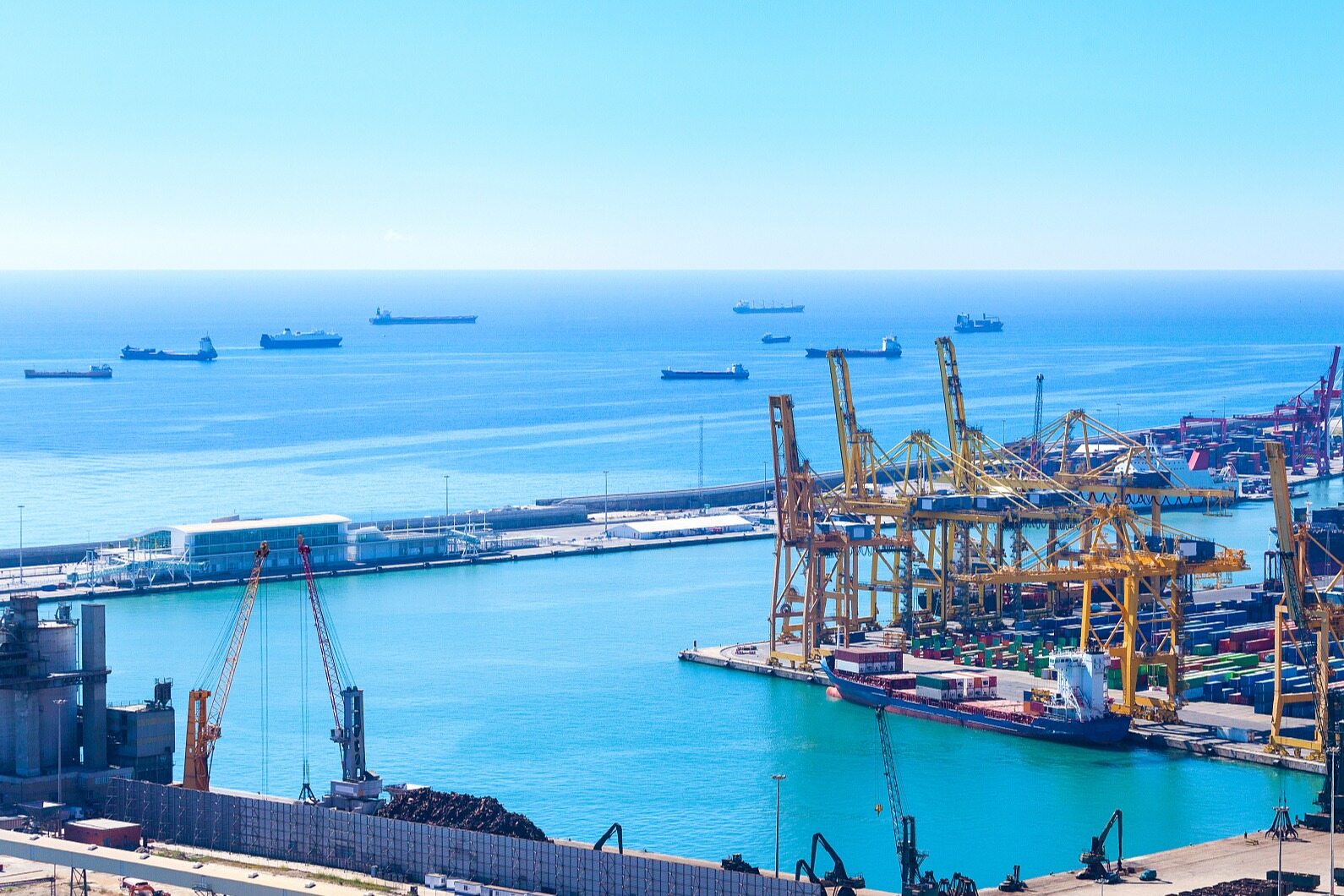
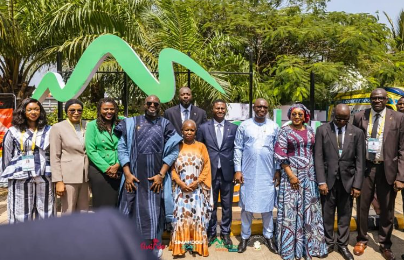
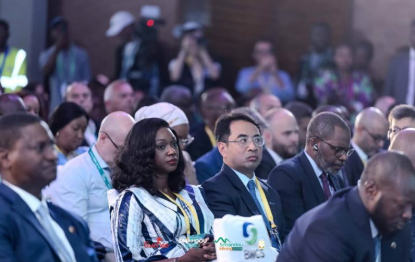
On November 13, 2026 local time, the main meeting and business talks of the first Simandou Mining Summit ended in the capital of Guinea, Conakry. Guinea's Minister of Mines and Geology, Bouna Sila, recommended a multi-purpose deep-water port plan estimated at $1.9 billion during the closing exchange. The summit also highlighted four projects to investors, including urban passenger railways, rapid transit, coastal highways, and photovoltaic energy storage, with an estimated total of about 3.8 billion US dollars. These projects are seeking investors and partners through the summit.
Guinea hopes to allow large mining ships to directly dock at the port and use the return shipping capacity to bring back imported goods. For Chinese enterprises operating in Guinea, Xingang must first be able to connect with mines and obtain stable mineral resources before there can be business for return cargo and port processing.
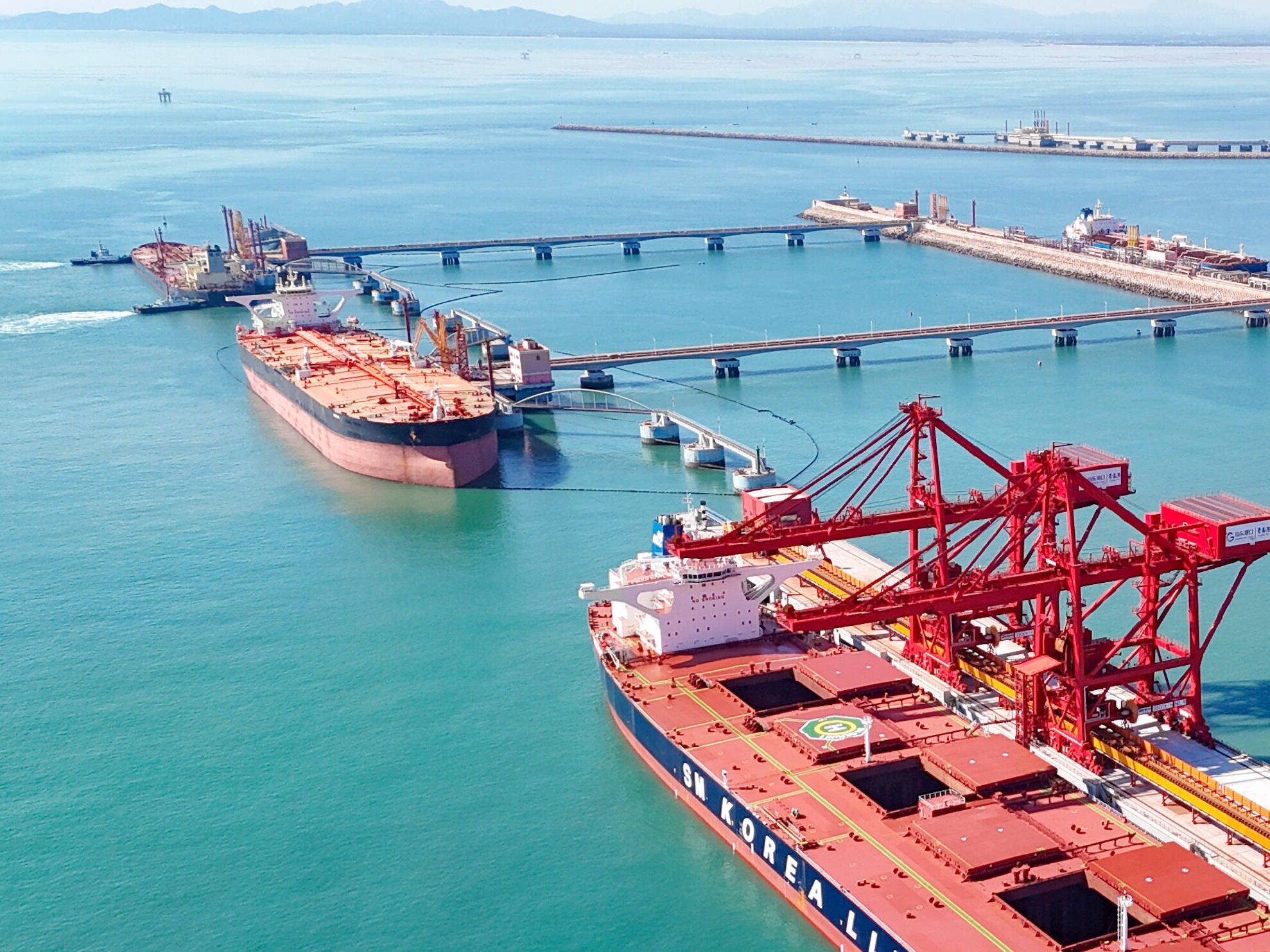
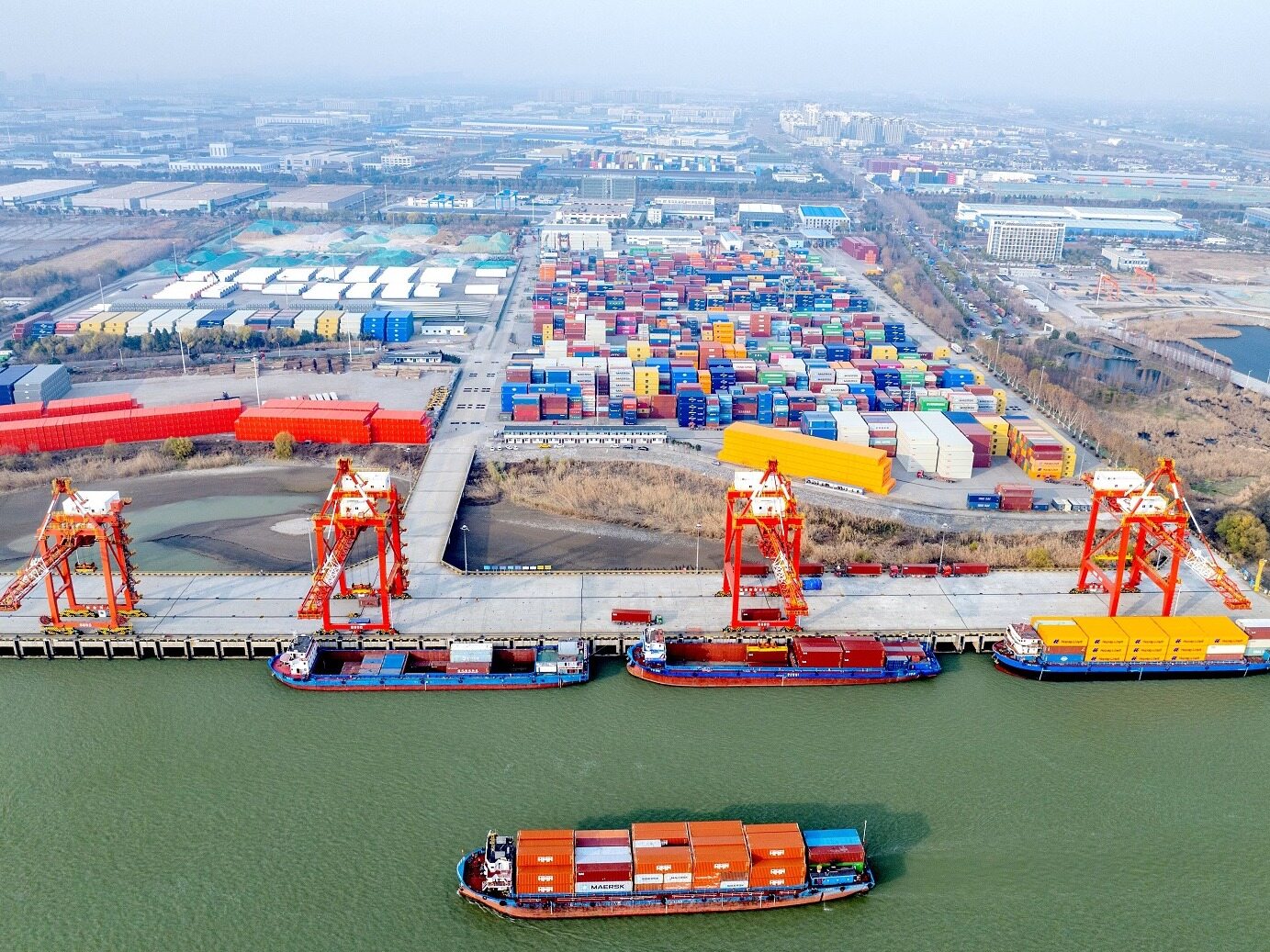
Why allow large ships to dock? Aluminum Corporation of China's Bofanan mine in Guinea provides a ready-made example. Bauxite is first transported by a 23 kilometer belt to the inland river terminal, then by barge to approximately 24 kilometers inland and 40 kilometers offshore, and finally transferred to a sea vessel at the anchorage. If the mine can be connected to a deep-water port with direct loading conditions, there is a chance for large ships to directly load cargo, saving on the need for barge transportation and transshipment, and reducing waiting time at the anchorage.
Taking an additional land route to the mine or adding a fee to the dock could potentially consume the money saved from direct loading. Chinese mining companies operating in Guinea can first calculate the cost of loading each ton of ore onto a ship using existing transportation bills, and then compare the two options after obtaining the port route, berth arrangement, and charging conditions. The long-term shipping volume should be determined based on available berths and loading capacity.
According to the summit project manual, the estimated cost of the southern coastal highway is 2.6 billion US dollars, accounting for approximately 68% of the total amount of the four projects. The route runs from Kolea to Koya, with a length of about 43 kilometers, and is planned to be a two-way four lane toll expressway. The preliminary feasibility study of the project has been completed, and the next step is to raise funds for detailed design and construction. For Chinese highway contractors and investors, toll revenue, land acquisition arrangements, and the amount of investment undertaken by the public sector directly affect how the project is subcontracted and who pays for it.
There are two commuting projects in Conakry. The estimated cost of the passenger railway is 693 million US dollars, and it is planned to establish a double passenger line along the existing mining railway corridor, with a total length of 35 kilometers and 15 stations from Kalum to Kabelen. Chinese rail engineering enterprises can focus on how the new line and the original railway operator divide labor. The estimated cost of rapid transit is 361 million US dollars, with a length of 39.2 kilometers and 51 stations. The plan proposes to use preferential funds to support public facilities, and the transportation of vehicles and other links will be borne by private operators. The procurement and payment arrangements for website construction, road repair, and vehicle supply and operation are different.
In 2024, China imported approximately 110 million tons of aluminum ore sand and concentrate from Guinea, with a considerable scale of outbound mining operations. There are also buyers available for reverse goods. On November 5th, China Aluminum Corporation's Bofa alumina project released a tender, planning to deliver approximately 120000 metric tons of general cargo and general cargo from major ports in China to Guinea. The billing ton is the basis for freight settlement, and this batch of goods corresponds to the needs of refinery construction.
Steel and some engineering materials can be included in the return cargo selection first. Whether Chinese ship owners and cargo owners can negotiate a deal depends on whether the cargo can be loaded into the hold, whether the two ports can unload, how much it will cost to clear the hold and wait for the goods. Ordinary containers require separate calculation of container volume and shipping arrangements. As for setting up factories near the port, park operators need to find customers who can purchase or process in the long term, and then arrange the factories according to actual electricity, water, and distribution costs.
Sila used Dubai's Jebel Ali Port as a reference during the closing exchange, proposing to have mining ships return to search for imported goods and then process or assemble them at the port. For Guinea, where this idea starts depends on which mines can enter the port stably and which import shippers can book return shipping space.Editor/XuNing
Comment



 Praise
 Collect
 Comment

 Share


Write something~