 Search


- Collaborative layout of dual port channels to reduce cross-border freight transportation costs
- Accelerate the formation of cross-border road networks and expand the Southwest China ASEAN corridor
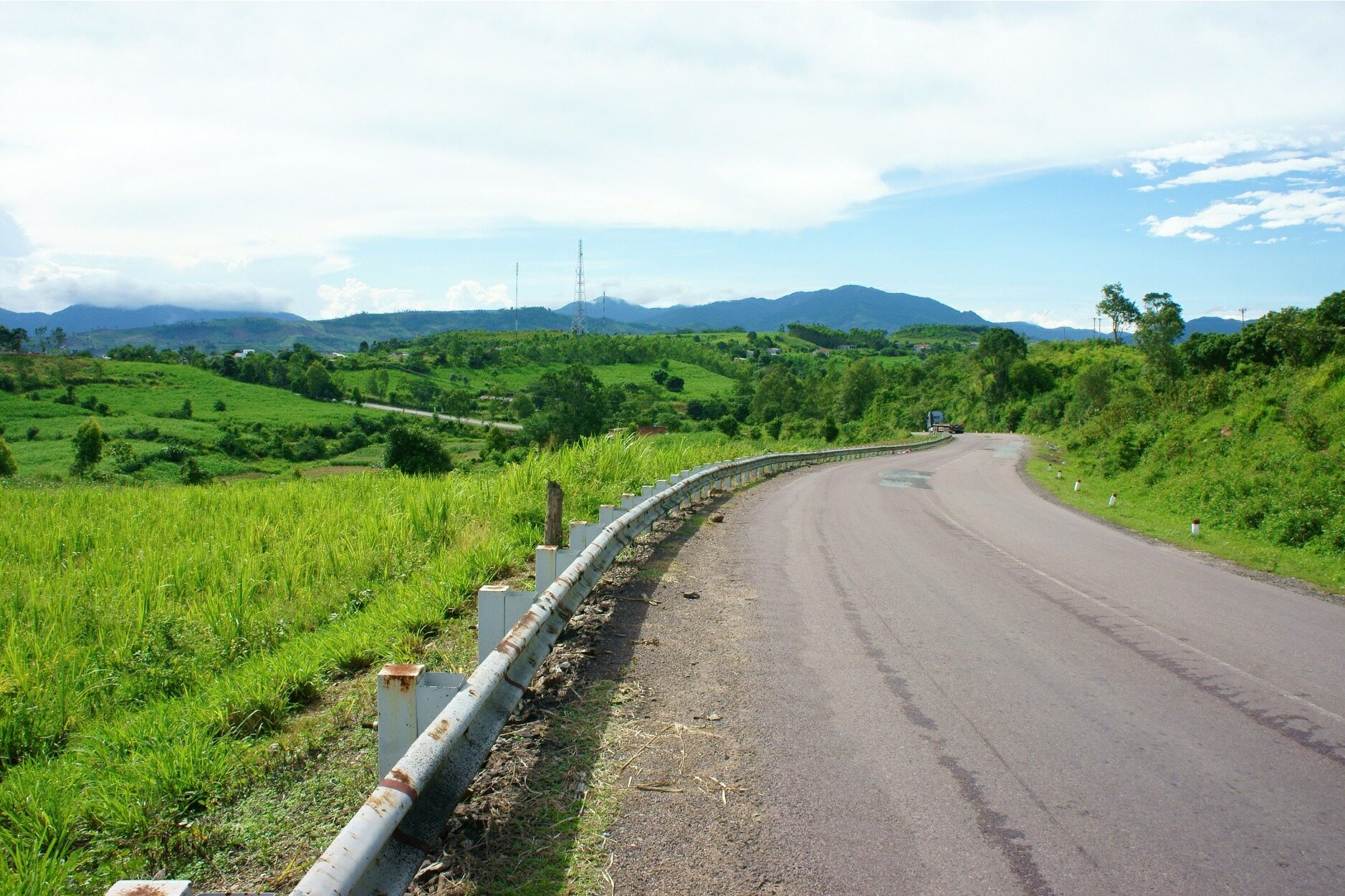
In the vast mountains of northern Vietnam, two cross-border highways are running through the mountains and valleys, extending forward. They are connected on one end to Langshan and Gaoping in Vietnam, and on the other end to Youyi Pass and Longbang Port in Guangxi. This soon to be connected land route is quietly reshaping the commercial landscape and the lives of border residents on the China Vietnam border.
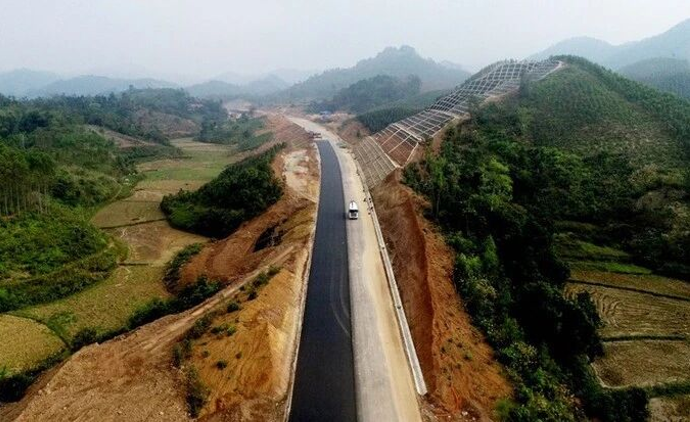
The cross-border road network of the Western Land Sea New Corridor has achieved an important breakthrough! Vietnam is intensifying the construction of two highways along its northern border, with a total investment of approximately 9.8 billion yuan. These highways will connect to the two major ports of Youyiguan and Longbang in Guangxi. The second phase of the Tongdeng Chaling Expressway is expected to be completed and opened to traffic by 2028.
Overview of Two Cross border Highways
After the completion of the two highways, the travel time from northern Vietnam to Guangxi will be significantly shortened, reshaping the development pattern of Sino Vietnamese border trade, logistics, and tourism.
The project is located in Lang Son Province, Vietnam, with a total length of nearly 60 kilometers and a total investment of approximately 3.05 billion yuan. Construction will begin in April 2024. The route leads directly to the Friendship Port and connects with the Friendship Port in Pingxiang, Guangxi. The first phase of the four lane project is planned to be completed within 2026. This expressway connects the Liangshan Port cluster with Vietnam's core economic regions such as Hanoi and Beijiang, facilitating direct transportation of goods from central Vietnam to Friendship Pass and empowering the efficient operation of smart port freight channels.
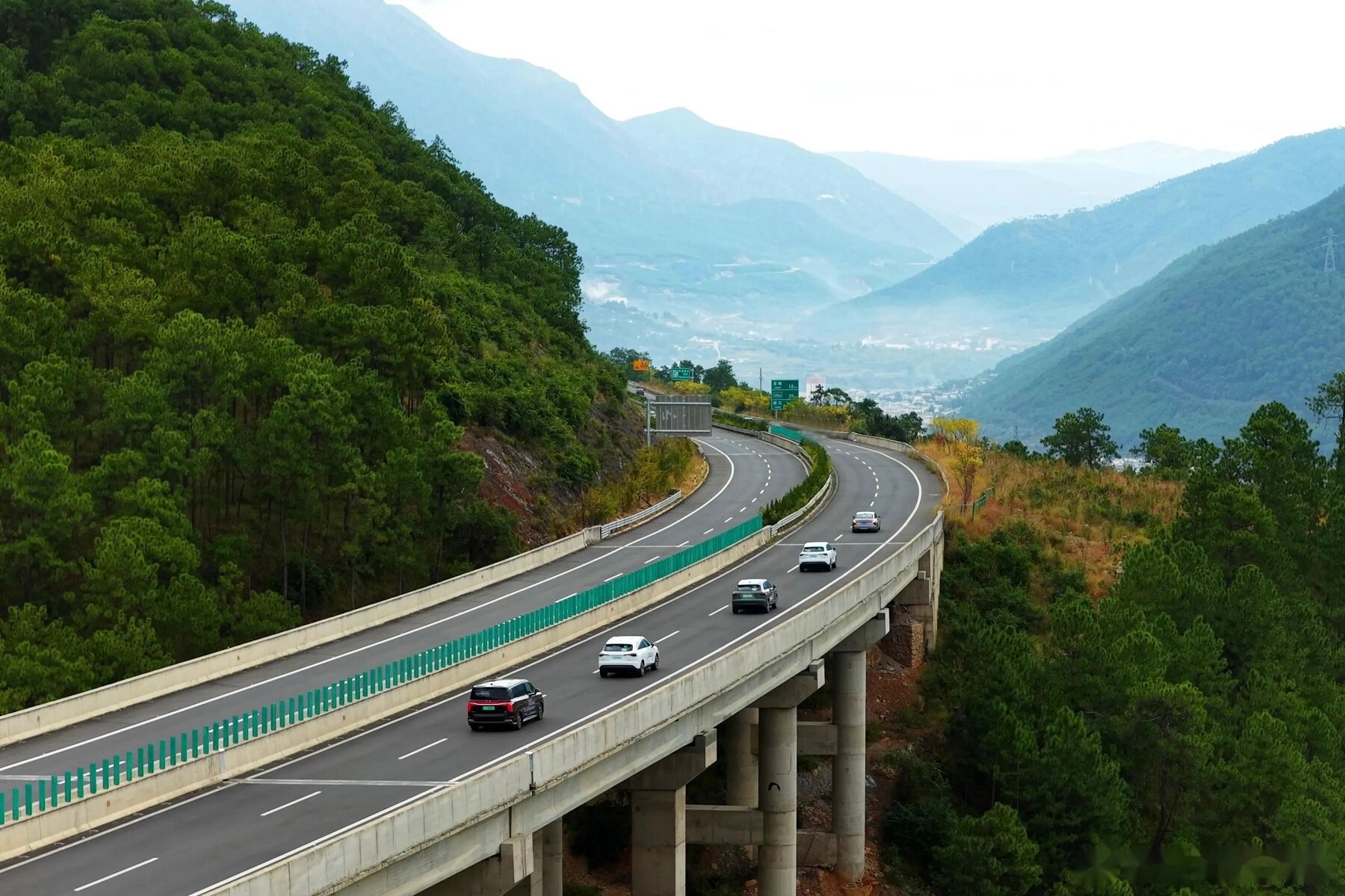
As a key border passage between China and Vietnam, the highway has a total length of about 121 kilometers, spanning the provinces of Liangshan and Gaoping, with a total investment of about 6.766 billion yuan. Its endpoint is connected to Chaling Port, corresponding to Longbang Port in Jingxi, Guangxi. The project will be constructed in two phases: the first phase will start construction in January 2024 and is expected to be opened to traffic in 2027; The second phase expansion project is scheduled to commence in August 2025 and is expected to be completed by 2028. After the full line is opened to traffic, the travel time from Gaoping to Hanoi will be reduced from 6 to 7 hours to 3.5 hours. Agricultural and mineral products from the Gaoping area in the north of Vietnam can directly enter Guangxi through Longbang Port via this highway.
The total investment of the two highways is about 9.8 billion yuan, making it one of the largest transportation infrastructure projects on Vietnam's northern border in recent years. Vietnamese senior officials have conducted multiple on-site investigations to urge the acceleration of land acquisition and demolition work, ensure project construction progress, and open up the land route connecting northern Vietnam to Guangxi, China.
Channel construction has multiple values
Guangxi, as the forefront gateway of China's opening up to ASEAN, has multiple highways that directly connect to Friendship Pass and Longbang Port. Two highways have been built in Vietnam to fill the gaps in the country's road network. Firstly, logistics efficiency has been improved, with goods from northern Vietnam being transported directly to Guangxi ports via highways, reducing detours and reducing logistics costs; Secondly, dual port linkage, dual channel diversion of freight, and alleviation of port congestion; Thirdly, empower border industries, promote two-way circulation of goods, and drive the development of processing, cross-border e-commerce, and tourism; The fourth is to improve the Western Land Sea New Corridor and help expand the ASEAN market for goods from Southwest China.
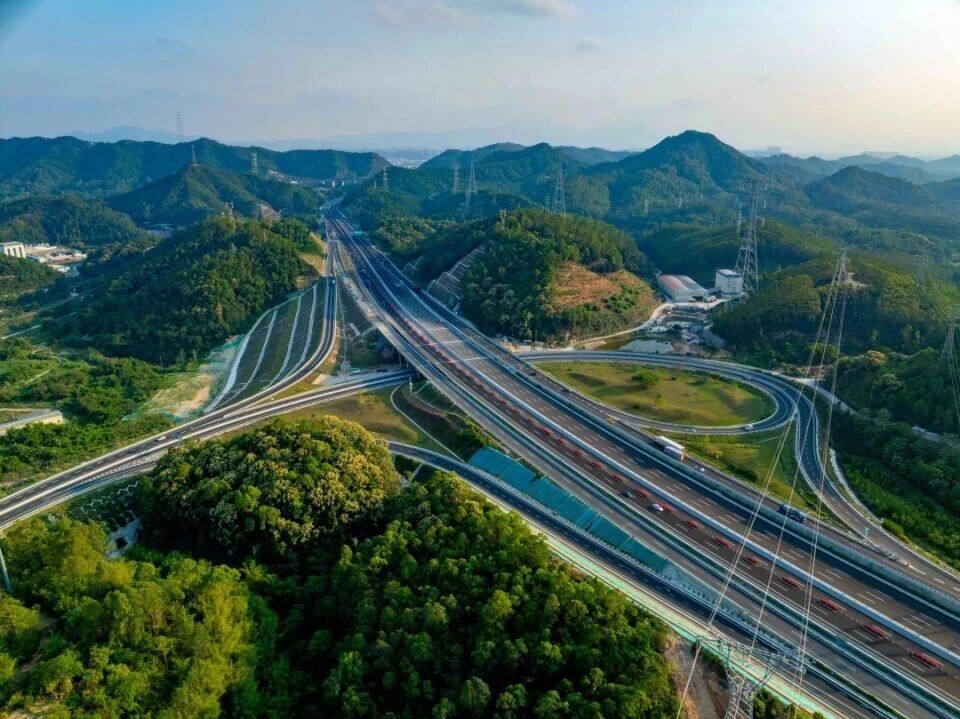
China and Vietnam are simultaneously building the Friendship Pass smart freight channel, which is expected to achieve seamless connection between customs clearance and road transportation. Keywords: Western Land Sea New Corridor, Interconnection, Border Logistics
Future prospects of cross-border connectivity
The hard connectivity of China Vietnam border infrastructure continues to be implemented, and the highway network has been upgraded from one-way access to ports in Guangxi to high-speed interconnectivity between the two sides. By 2028, when the second phase of the Tongdeng Chaling Expressway is completed, a smooth cross-border highway corridor will be fully formed. Smooth roads drive the prosperity of commerce and trade. This channel carries both traffic and cargo flows, and is also a bridge for economic and trade exchanges between China and Vietnam, as well as border people's livelihood exchanges. It continues to release the dividends of the opening up of the Western Land Sea New Channel to the outside world.Editor/Gong Ziwei
Comment


 Praise
 Collect
 Comment

 Share
Share


Write something~