 Search


- Relying on computing power to build an industrial closed loop and cultivate the artificial intelligence industry in Southwest China

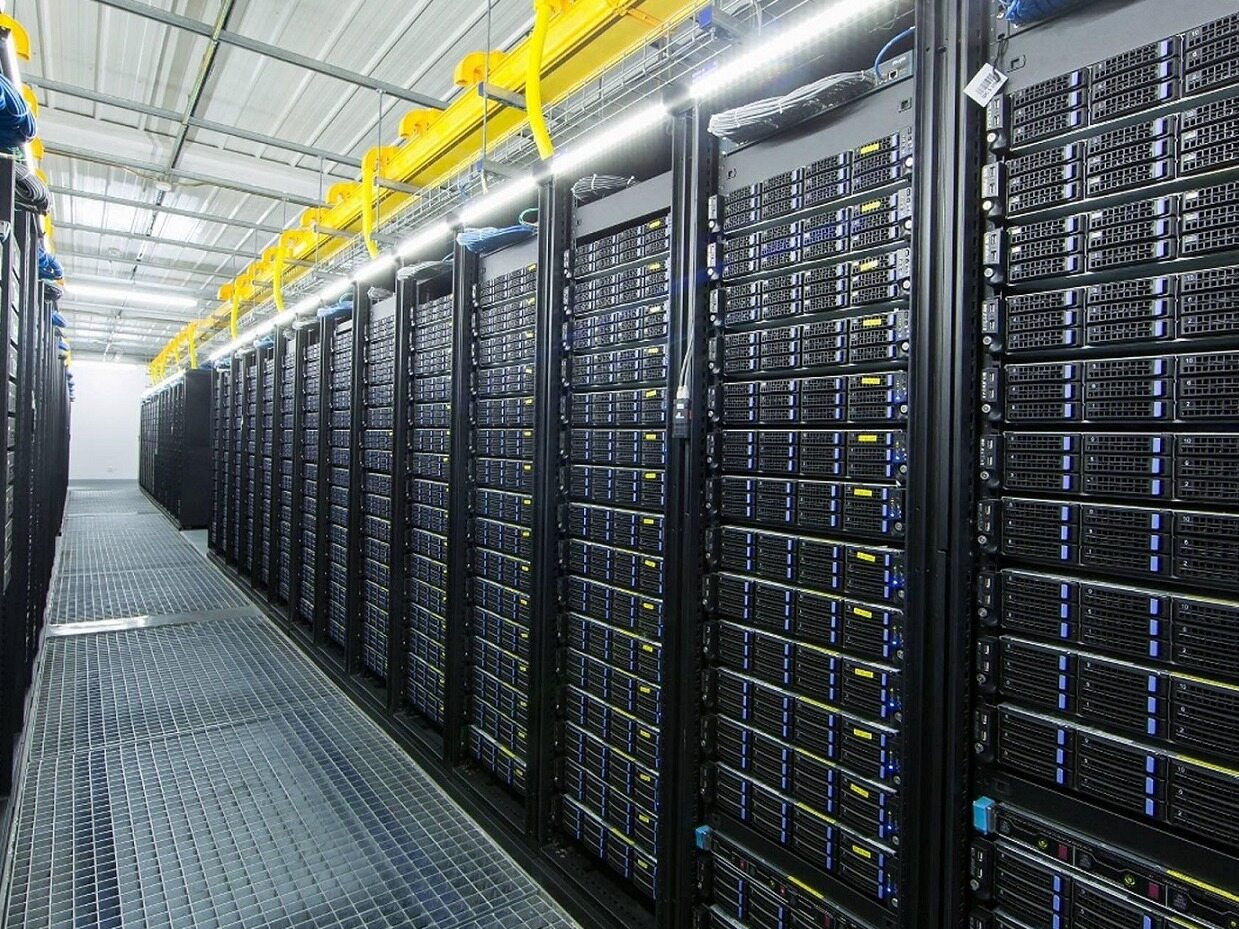
When the last indicator light of the old-fashioned cabinet goes out, the construction of Tianfu Information Center Phase IV begins. 30000 server racks and a 10000 card cluster have been built here, using the power of air and liquid mixing to solve the heat dissipation problem, turning computing power into a token economy engine, and reshaping it into a new digital foundation for Chongqing.
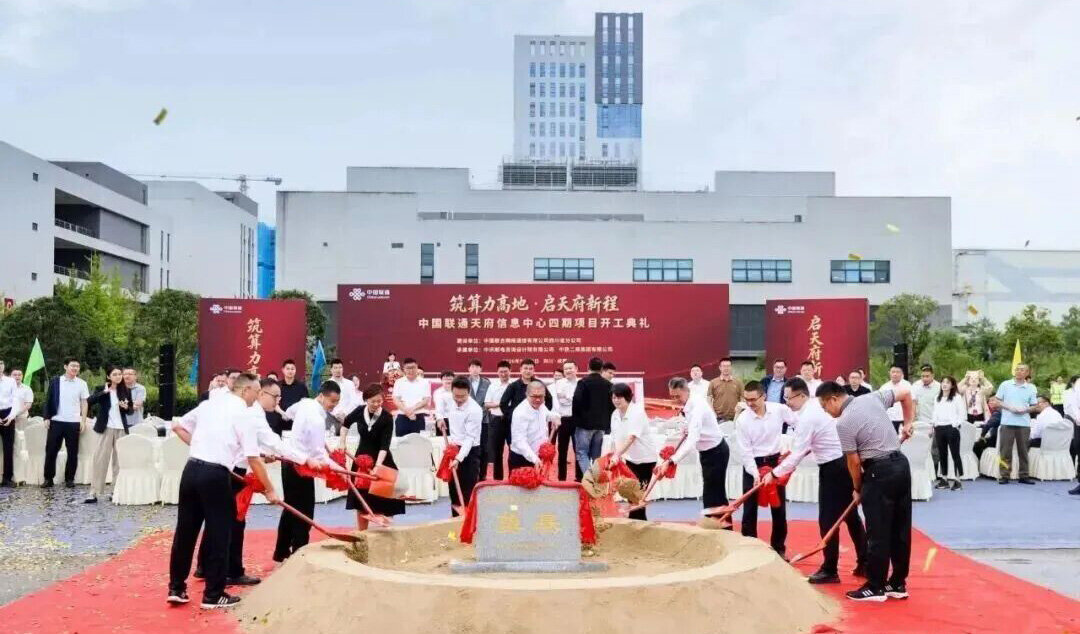
Recently, the fourth phase of China Unicom Tianfu Information Center project started construction and laid the foundation in Chengdu Tianfu Information Industry Park. After completion, the number of cabinets in the park will reach 30000, and the scale of intelligent computing will increase to the level of 10000 cards. As a core computing power carrier for AI, the project is not only a major upgrade of China Unicom's Southwest computing infrastructure, but also a key layout for implementing East West computing and empowering the digital economy development of the Chengdu Chongqing dual city economic circle.
Build a solid core hub for computing power in Chengdu Chongqing
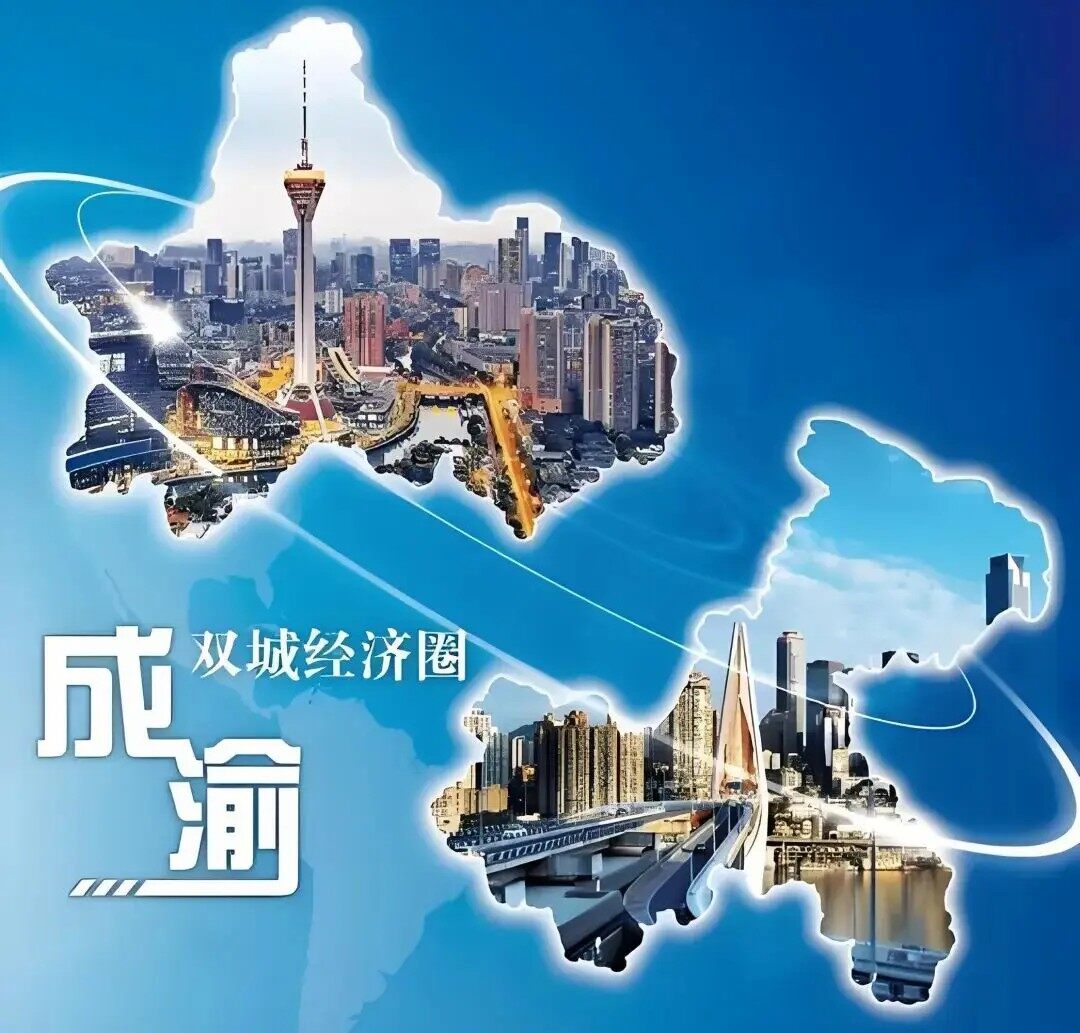
The fourth phase project of China Unicom Tianfu Information Center reshapes the regional digital economy pattern. Relying on the National East West Computing Project, the Chengdu Chongqing Computing Hub undertakes the computing power demand in the east and drives the upgrading of industries in the west. The project is in line with the construction of the computing power highland in western Sichuan and has been implemented in the spatial layout of computing power throughout the province. The project builds a nationwide interconnected computing network, relies on the national backbone network to connect with the national computing power, and sinks into the edge nodes of the industry. The project complements the weakness of high-end intelligent computing resources in Sichuan and Chongqing, provides low latency computing power for government cloud and industrial Internet, and creates a highland of digital computing power in southwest China.
Wind liquid mixing supports 10000 calories of computing power
The project adopts a 20KW high-power cabinet, adapted to the high power consumption characteristics of AI chips. Compared to traditional 6-8KW cabinets, high power density places higher demands on heat dissipation. The project adopts a mixture of air and liquid cooling: the high-temperature chip uses a cold plate liquid cooling for precise heat dissipation, while the rest of the equipment uses air cooling for temperature control. This solution eliminates local hotspots, ensures stable operation of the Wanka cluster, and improves heat dissipation efficiency. At the same time, the project is equipped with high-speed network technology to ensure low latency and zero packet loss in distributed training, and to stably support the computing power requirements of large models.
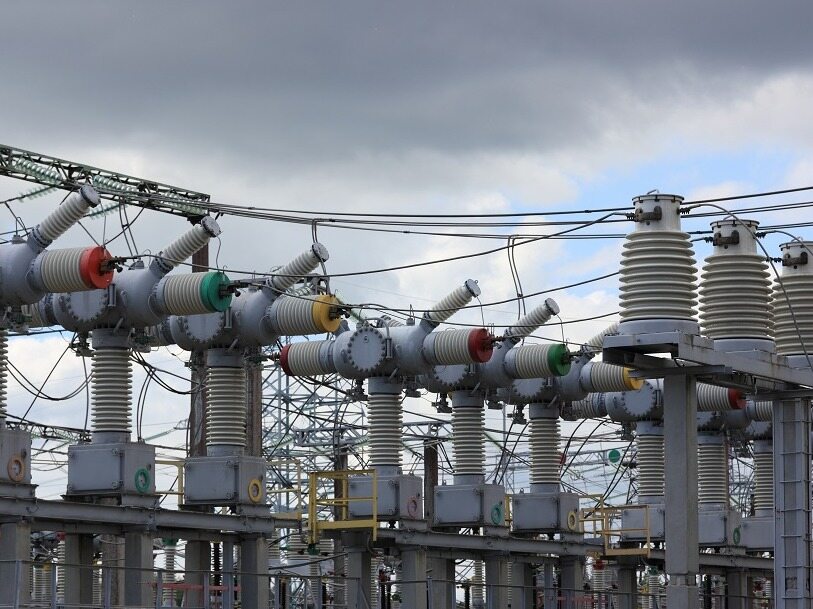
High power intelligent computing clusters have a large energy consumption scale, and green operation is the key to project sustainability. The annual power consumption of the project is 325.607 million kilowatt hours, and the electrification rate is extremely high, creating conditions for the subsequent integration of green electricity. Liquid cooled closed cycle reduces water consumption, coupled with optimized cooling strategies, to control PUE at an excellent level in the industry. The electrical system adopts a redundant architecture, combined with microgrids and energy storage technology, to achieve peak shaving and valley filling of electrical energy, and build a green computing power base in Southwest China.
Empowering AI industry clusters with computing power
The project breaks away from the traditional IDC sales model and builds a closed-loop token industry chain. Wanka computing power supports data processing and model training; Relying on the China Unicom computing power scheduling platform, convert physical computing power into standardized computing power services. The project attracts large model and AI application enterprises to gather, forming upstream and downstream industrial clusters. The combination of computing power and ecological model reduces the R&D threshold for AI enterprises, promotes the landing of AI technology in multiple industries, and creates a highland of token economy in Southwest China.

Tianfu Information Industry Park relies on project computing power to gradually transform into a Token Industry Park. The park will have the potential to expand to 100000 card level computing power, providing a national level computing platform for general AI. The industrial park gathers chip, algorithm, and application enterprises to build a complete AI industry chain. The project empowers the digitalization of industries in Chengdu and Chongqing, promoting the upgrading of Sichuan from a computing power channel to a national computing power hub. Keywords: China Unicom, East Digital West Computing, Green Computing Power
The fourth phase project of China Unicom Tianfu Information Center aims to create a new benchmark for green intelligent computing in Southwest China with 30000 server cabinets and 10000 card intelligent computing. The project relies on a wind liquid hybrid architecture to overcome high-density heat dissipation challenges, finely control energy consumption, and build a Token industry ecosystem. It is not only an important landing point for China Unicom's layout of East Digital West Computing, but also provides computing power support for the high-quality development of the Chengdu Chongqing Economic Circle and the domestic AI industry.Editor/Gong Ziwei
Comment




 Praise
 Collect
 Comment

 Share
Share


Write something~