 Search


- China Kazakhstan Traditional Medicine Center enables traditional Chinese medicine to take root in Central Asia
- To become a healthy link between the people in the joint construction of the the Belt and Road
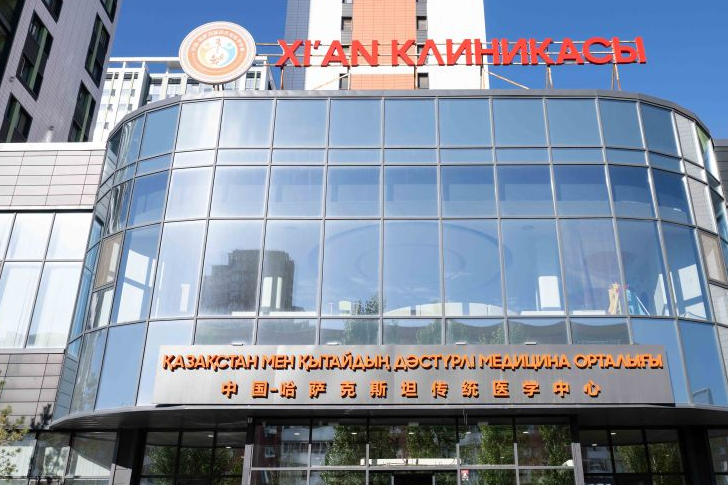
In the autumn south of Astana city, a three story small building emits a faint medicinal fragrance, with the smoke of mugwort intertwined with the smell of decocted Chinese medicine. In the rehabilitation room on the second floor, rehabilitation therapist Xiao Pengtao from Xi'an Traditional Chinese Medicine Brain Disease Hospital is half kneeling on the carpet, with one hand supporting 3-year-old Emaganbete and the other hand gently adjusting the child's leg posture. A few steps away on the chair, mother Bibinur stared intently at her son, as if staring at a just lit hope.
Hope in a consultation room
Aimagambet suffers from involuntary motor palsy. In February 2026, Bibinuer encountered a traditional Chinese medicine clinic at the center while shopping with her child. She tried it half believing and half doubting, but didn't expect it to really work. Since then, every Monday to Saturday, mother and son have come here on time to receive systematic treatment of acupuncture and moxibustion, massage and sports rehabilitation. At the initial diagnosis, the child had difficulty turning over and was unable to look at others with their eyes; More than half a year has passed, and his mouth can slowly close and he can also gaze at the person in front of him. Bibinur said that the child cannot walk and talk like a normal child, but the family sees hope.
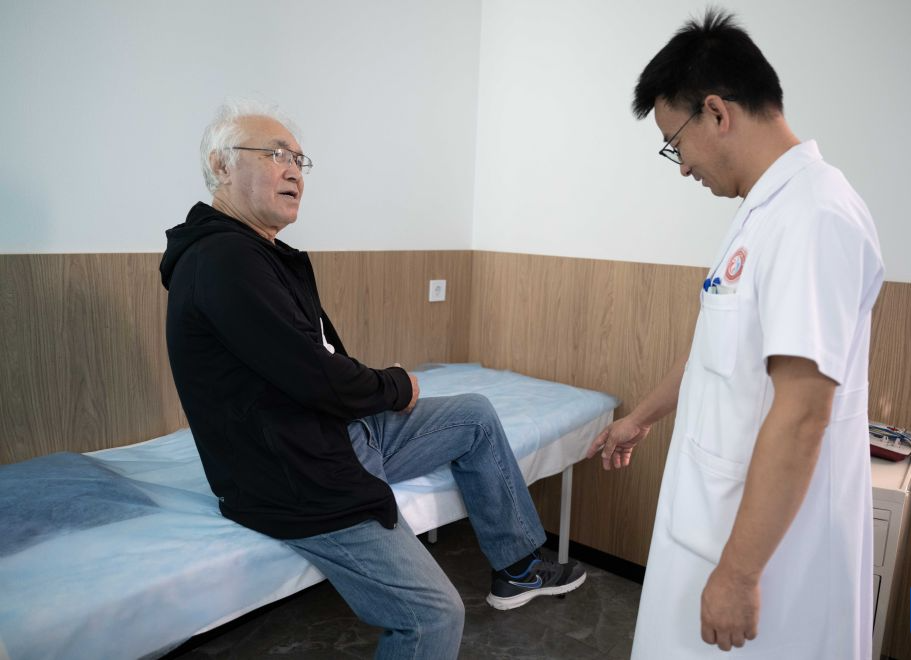
Such stories are not uncommon. Doctor Li Wei once received a 16-year-old local girl, who was severely overweight and had dark skin on her neck. Her family had been treating her as a common skin disease. Li Wei judged it to be a pre diabetes symptom. After a month of treatment, she obviously improved. The girl's mother sent a cake to thank her. 70 year old Rados Zhargasov lives in Ural City, more than 1000 kilometers away. Due to knee joint pain, he came all the way in June this year for a 10 day treatment. He said that the doctors here not only treat you, but also teach you how to maintain and recover. This kind of feeling of respect has never been seen elsewhere.
Growth of Western Traditional Chinese Medicine
In the acupuncture and moxibustion room on the first floor, Ayayen, a 26 year old Kazakh girl, is cooperating with a Chinese doctor to apply acupuncture. Around 2018, her mother received acupuncture and moxibustion due to knee pain, and the effect was unexpectedly good, which also made her want to learn Chinese medicine. In 2019, Ayan was admitted to Zhejiang University of Traditional Chinese Medicine. The difficulty of traditional Chinese medicine theory and ancient Chinese books made her want to drop out. It was her passion that kept her going, and she even developed fluent Chinese. In May 2026, she joined the center as an assistant acupuncture and moxibustion and is now preparing for the national qualification certificate of traditional medicine in Kazakhstan. She said that when local people heard about acupuncture and moxibustion, their first reaction was whether it hurt. Now they will say they can try it. This change has been especially obvious in recent years.
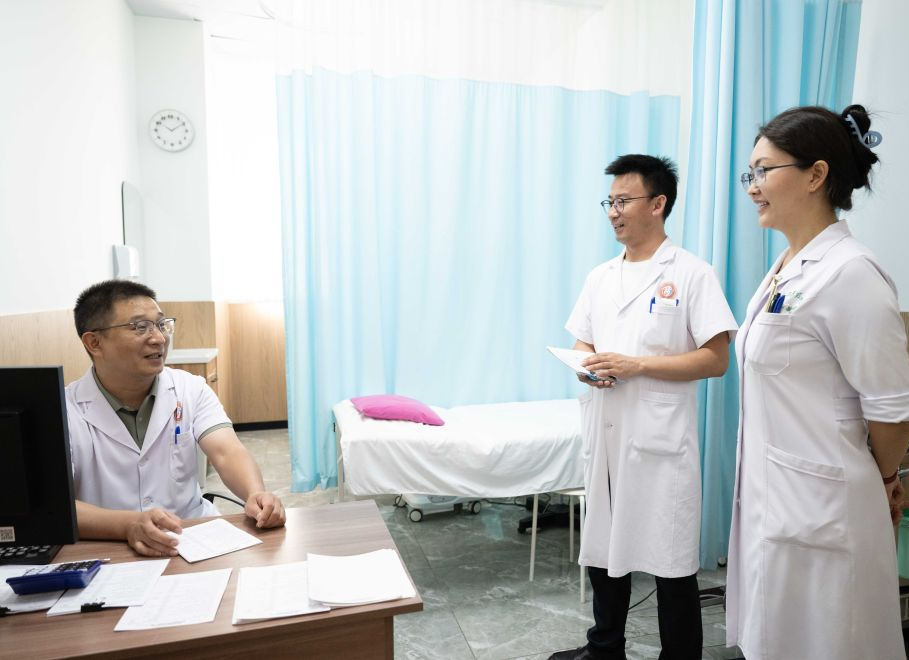
At present, the center has 12 Chinese doctors working side by side with more than 20 local medical assistants, many of whom have studied in China. They not only understand traditional Chinese medicine, but also the local language and medical habits, and are growing into a force of local traditional Chinese medicine that can be kept and cannot be taken away.
From practicing medicine to preaching
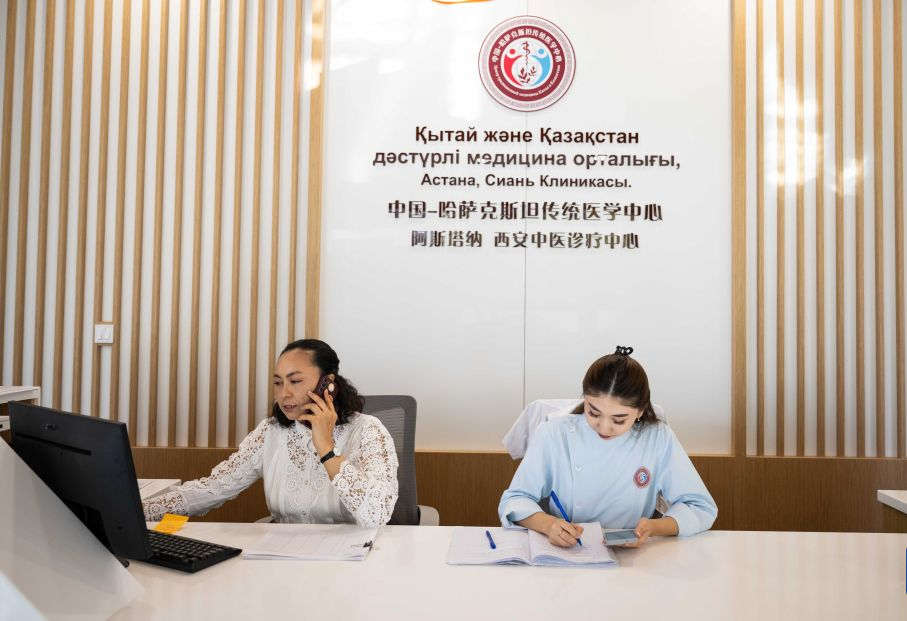
The center was guided by the State Administration of Traditional Chinese Medicine in 2019, supported by relevant departments in Shaanxi Province, and constructed by Xi'an Traditional Chinese Medicine Brain Disease Hospital. It officially opened in 2023 and has received a total of 85000 patients as of September this year. The new location has three floors and an area of 1500 square meters: the basement floor is a decoction room and a traditional Chinese medicine warehouse. The machines follow standard procedures for decoction and packaging in separate bags, and patients can take them by heating them up at home; The first floor is equipped with an adult diagnosis and treatment area and a remote consultation center. In case of difficult cases, it can be connected to multiple tertiary hospitals in Xi'an; The second floor is a children's rehabilitation area.
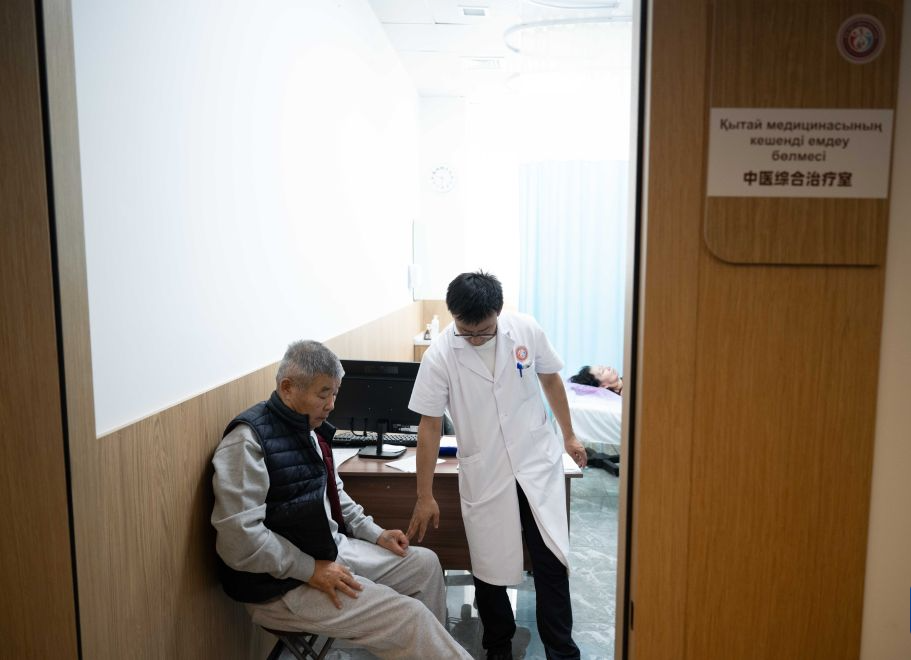
The value of the center has long surpassed that of the clinic itself. It helped Kazakhstan National Children's Rehabilitation Center to open the first TCM clinic of public hospitals in Central Asia, and jointly built the the Belt and Road Joint Laboratory of TCM Encephalopathy with Nazarbayev University; Two days of free training are also provided every month, and more than 20 sessions have been held, teaching hundreds of local Chinese medicine enthusiasts and grassroots doctors. The Qihuang Silk Road International Training Course, which is connected with it, is also continuing to cultivate local doctors who can use Chinese medicine for medical treatment in neighboring countries.Key words: the Belt and Road
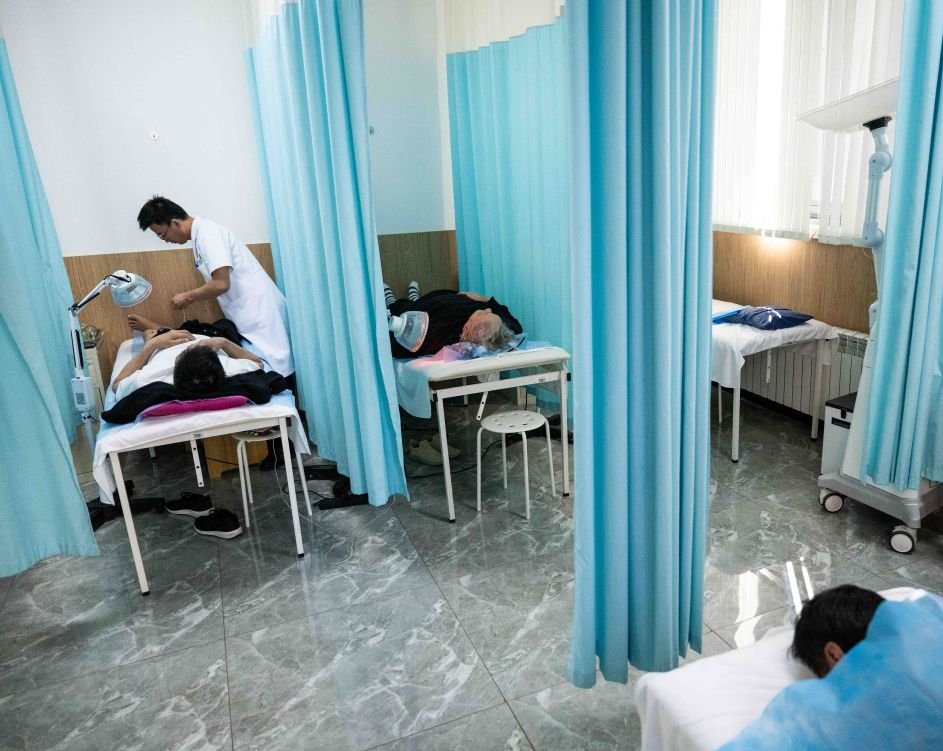
In history, traditional Chinese medicine once traveled westward along the ancient Silk Road with merchant caravans. Today, under the framework of the joint construction of the the Belt and Road, Chinese medicine has spread to 196 countries and regions, and the scent of medicine in the south of Astana is making the technique of Qihuang take root in Central Asia. Director Liu Liaoyuan of the center said that they are not just here to practice medicine, but also to spread culture and make more local people believe in and accept traditional Chinese medicine.Editor/Yang Meiling
Comment

 Praise
 Collect
 Comment

 Share
Share


Write something~