 Search


- Chinese enterprises achieve full chain automation of photovoltaic installation in GW level projects for the first time
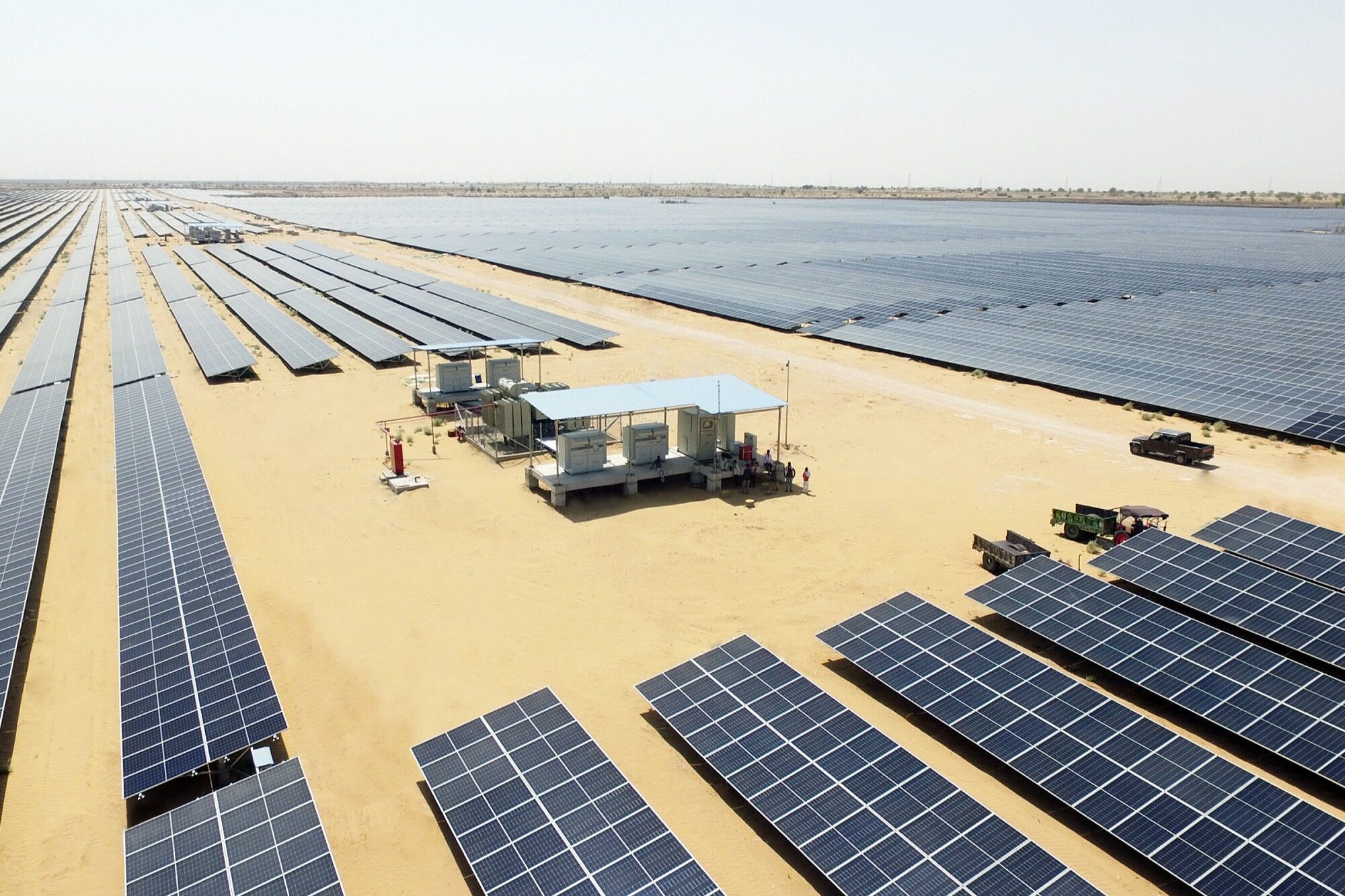
On October 5, 2026, photovoltaic robot company LEAPTING signed a module automation installation contract for a 1.5GW photovoltaic power station in the Middle East market, involving approximately 2.4 million photovoltaic modules. Just 12 days after its global debut of an automatic navigation forklift robot in Dubai on September 23, LEAPTING has secured this GW level order. The project will deploy automatic navigation component installation robots and introduce automatic navigation forklift robots for the first time, achieving full chain automation from material handling to precise installation, marking a new stage of large-scale application of China's photovoltaic construction automation technology in the Middle East market.
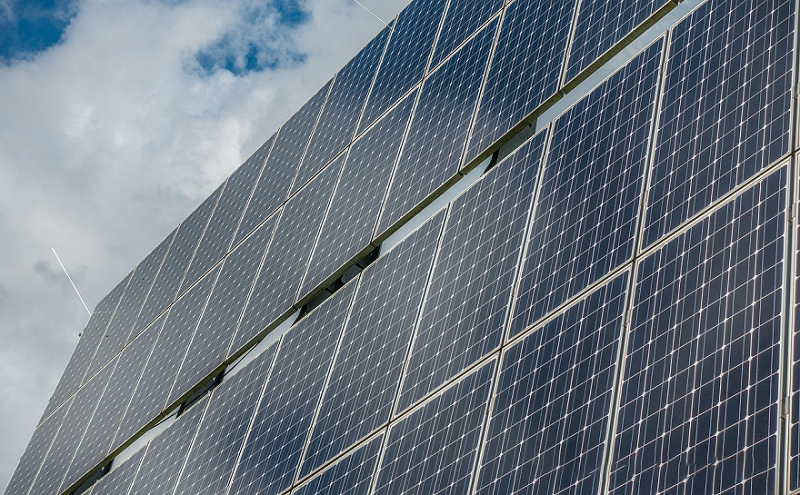
Full chain automation debut
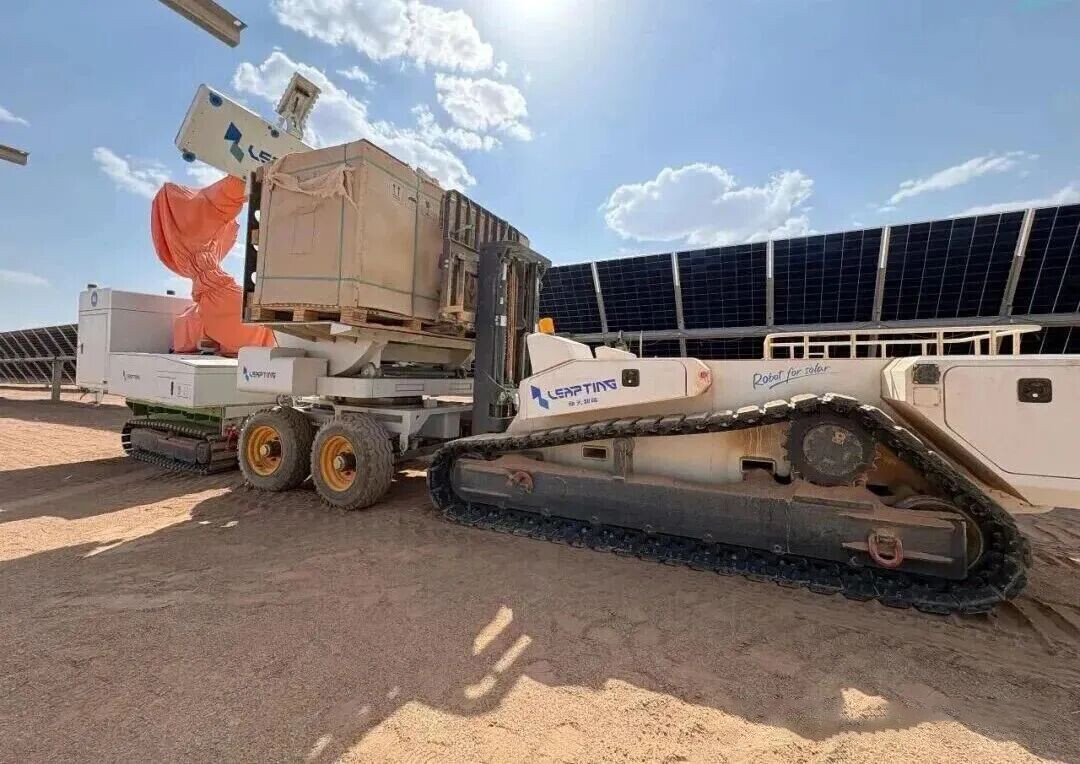
According to the project plan, LEAPTING will deploy its mature automatic navigation component installation robot and introduce a newly released automatic navigation forklift robot. In collaborative operation mode, forklift robots can autonomously recognize, fork, and transport entire pallets of photovoltaic modules, hand them over to the component carrying platform of the installation robot, and then the installation robot completes component grasping, precise positioning, and automated installation. Two types of robots are connected around the actual construction process, which helps to reduce manual intervention between processes and improve the continuity, efficiency, and operational safety of large-scale photovoltaic power plant construction. This is the first collaborative operation of two types of robots in a GW level power station, and it is also an extension of Litian's intelligent automation capabilities from component installation to upstream material handling.
Six advantages of forklift robots
The automatic navigation forklift robot is LEAPTING's latest automated material handling robot, designed for complex outdoor and industrial environments. Its six core technological advantages include: using GNSS-RTK and LiDAR SLAM to achieve precise positioning and autonomous operation in autonomous navigation; In terms of all terrain traffic, a tracked chassis with zero radius turning capability is adopted, which is suitable for complex road conditions such as sandy, gravel, and muddy terrain; In terms of intelligent handling, it can automatically identify, fork, transport and unload, with a rated load of up to 3000 kilograms; Flexible control supports fully automatic, semi-automatic, and manual remote control modes; In terms of all-weather operation, it has an IP67 protection level and a battery life of no less than 8 hours, suitable for high temperature, nighttime, and remote construction site operation needs; Flexible adaptation supports customized side forks to meet the handling needs of different photovoltaic modules. The above parameters are the nominal indicators of the product, and the actual performance in the high-temperature sand and dust environment in the Middle East for a long time still needs to be verified on the project site. Keywords: the Belt and Road news network, enterprise industry, photovoltaic, international, Middle East
Continued scaling of the Middle East market
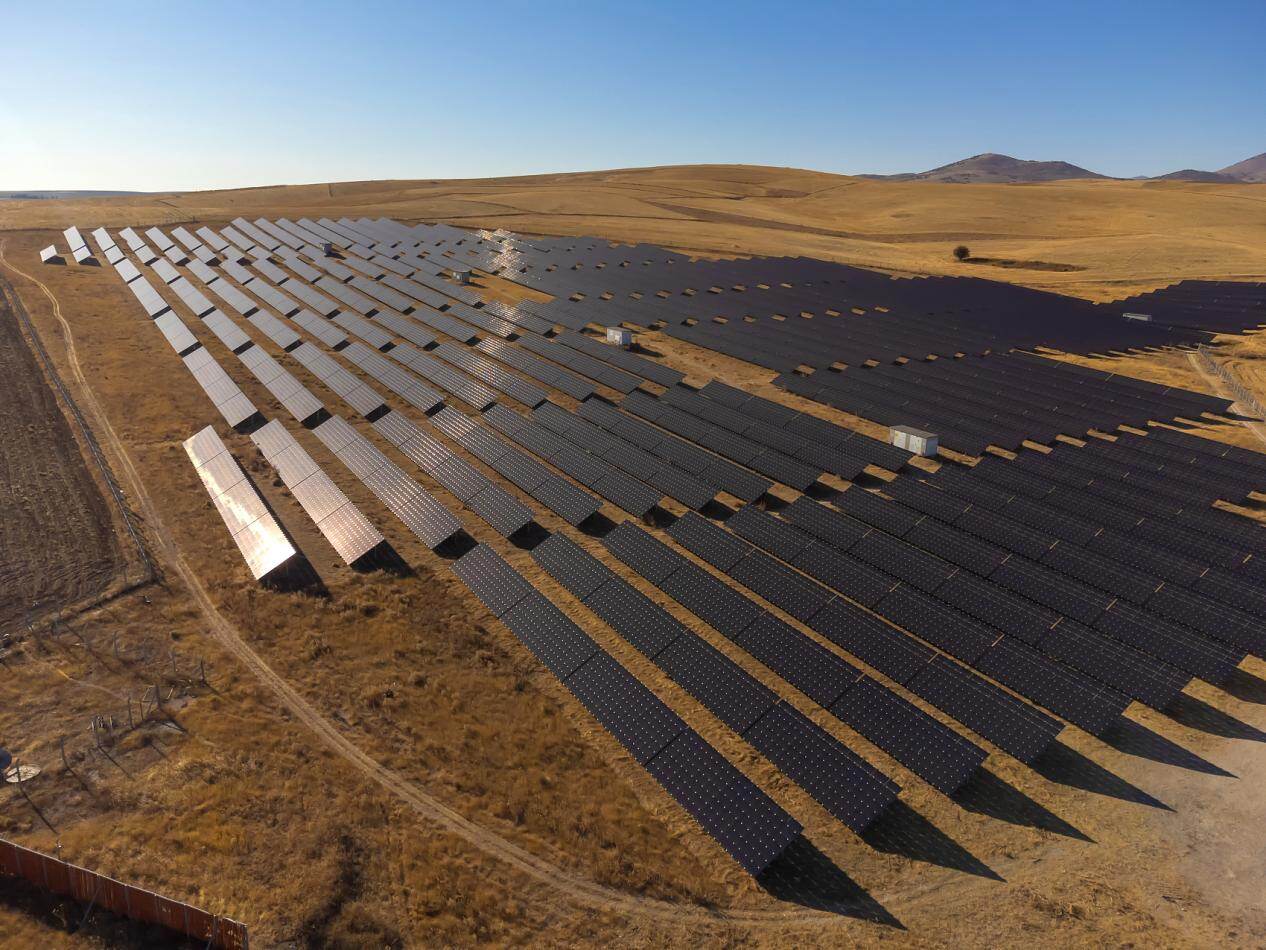
LEAPTING's component installation robots have been commercially applied in multiple large-scale photovoltaic projects in the Middle East since 2024. On January 14, 2026, at the PV3 Ajiban 1.5GW project site in Abu Dhabi, United Arab Emirates, LEAPTING's installation robots officially entered the site for operation. 25 installation robots were configured for the project, and it is expected to be installed continuously for 8 to 9 months, with a total installation volume of over 2 million components. In March 2026, LEAPTING further announced that it would deploy in bulk in a large-scale photovoltaic power plant project in the Middle East with a total installed capacity of up to 3.3GW, undertaking the centralized automation installation task of over 5 million photovoltaic modules, becoming one of the largest commercial cases of photovoltaic installation robots in the world at that time. The signing of the 1.5GW project further continues LEAPTING's large-scale application achievements in the Middle East market. Large scale photovoltaic power plants in the Middle East generally face construction challenges such as high temperatures, sandstorms, complex unpaved surfaces, and long-term continuous operations. The introduction of automatic navigation forklift robots is a systematic solution to address these pain points. For small and medium-sized enterprises engaged in automation equipment, robot support, and material handling systems, the window for scaling up photovoltaic construction automation in the Middle East is expected to gradually open.Editor/Gao Xue
Comment

 Praise
 Collect
 Comment

 Share
Share


Write something~