 Search


- China's technology has achieved breakthroughs, with an annual storage capacity of over 1 million tons of carbon dioxide
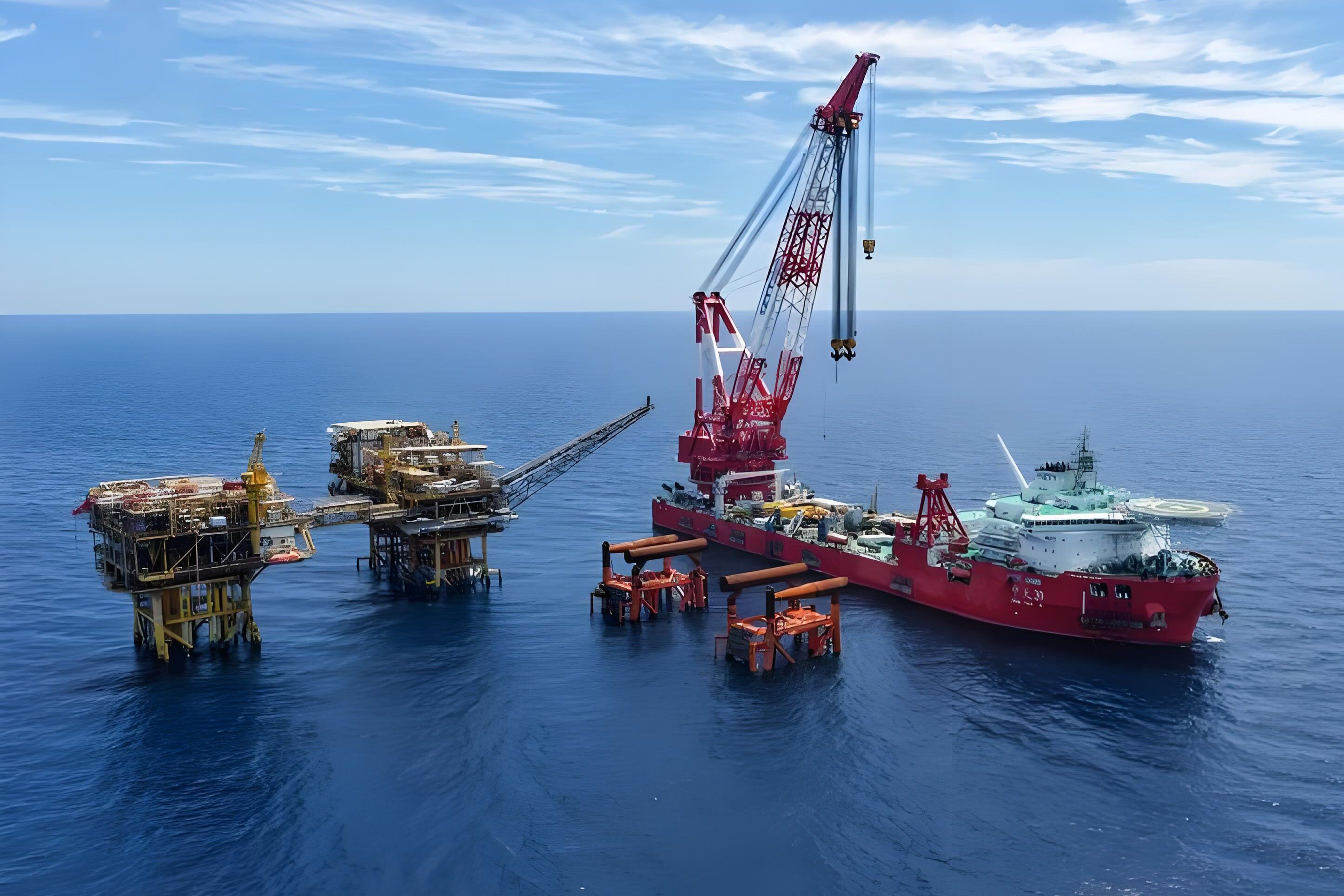
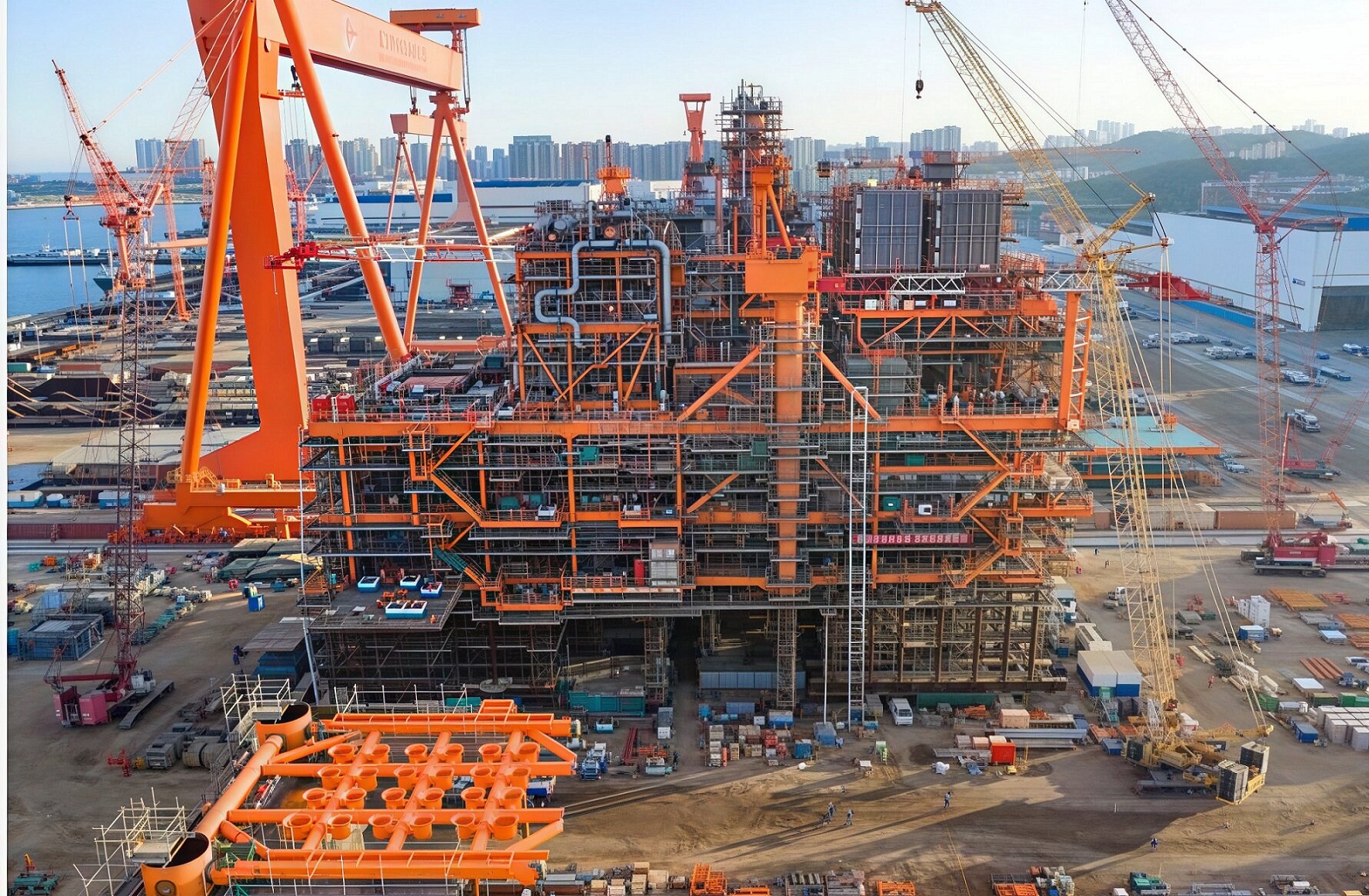
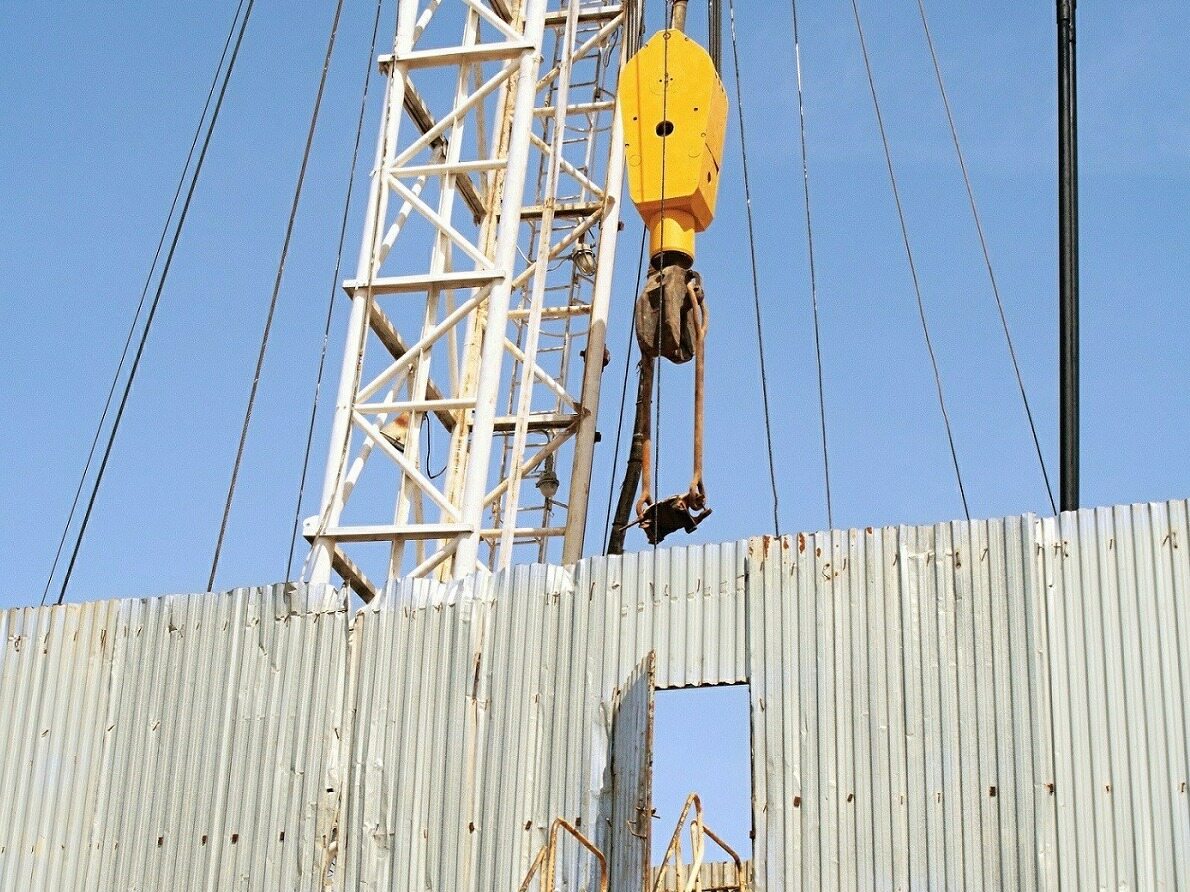
Recently, news came from Qingdao, Shandong. China National Offshore Oil Corporation (CNOOC) announced that the main body of the new central platform for the Dongfang 1-1 gas field has been completed in Qingdao and is fully entering the commissioning stage. This platform weighs nearly 17000 tons, has a height of over 28 floors, a deck area of over 10000 square meters, and can purify 1.75 million cubic meters of carbon dioxide per day. It is not an ordinary offshore platform, but the core facility of China's first offshore carbon injection and gas enhancement technology demonstration application project. The logic of offshore oil and gas development is being rewritten, from discharging exhaust gases to pressing carbon back into the seabed.
On site carbon capture and return at sea
In the past, carbon rich natural gas was extracted from the seabed and often had to be sent to onshore processing plants for decarbonization, with long distances and high costs, and carbon was also easily lost. Now, the decarbonization system is directly installed on the platform, with gas purified at sea and carbon returning to its original position at sea. The so-called carbon injection to increase gas production is not about hiding carbon to win, but about turning carbon dioxide into a driving force for difficult to extract natural gas, replenishing geological energy, pushing residual gas, and conveniently sealing carbon underground. One in, one out, one storage, one mining, carbon reduction and production increase are twisted into a rope for the first time on an offshore platform. After being put into operation, more than 1 million tons of carbon dioxide are stored in the seabed every year, and the cost center of traditional decarbonization is reversed to the value center.
Low temperature distillation membrane separation breaks through
Offshore platforms and onshore factories are not the same thing. Land can spread dry, every inch of land on the sea is precious, and wind, waves, corrosion, vibration, and space all come to squeeze you. The solution method of Dongfang 1-1 is the world's first low-temperature distillation and membrane separation technology for decarbonization of natural gas. First, the carbon dioxide is concentrated by membrane separation, and then the carbon dioxide and methane are separated by low-temperature distillation. The separated carbon dioxide is purified and injected back into the formation. This system is not a single point equipment, but a full chain closed-loop system that captures, purifies, seals, and drives gas to increase production without any delay. The key equipment is fully localized, and the energy consumption is 20% lower than traditional decarbonization processes. The natural gas recovery rate is increased by more than 12%. Dongfang 1-1 is China's first offshore self operated gas field, which was put into operation in 2003 and has produced over 50 billion cubic meters of gas. As the development enters the middle and later stages, carbon injection and gas enhancement happen to simultaneously capture the two issues of gas recovery and carbon treatment. Keywords: Infrastructure News Network, New Energy, First
Conduit rack rooting module on stage
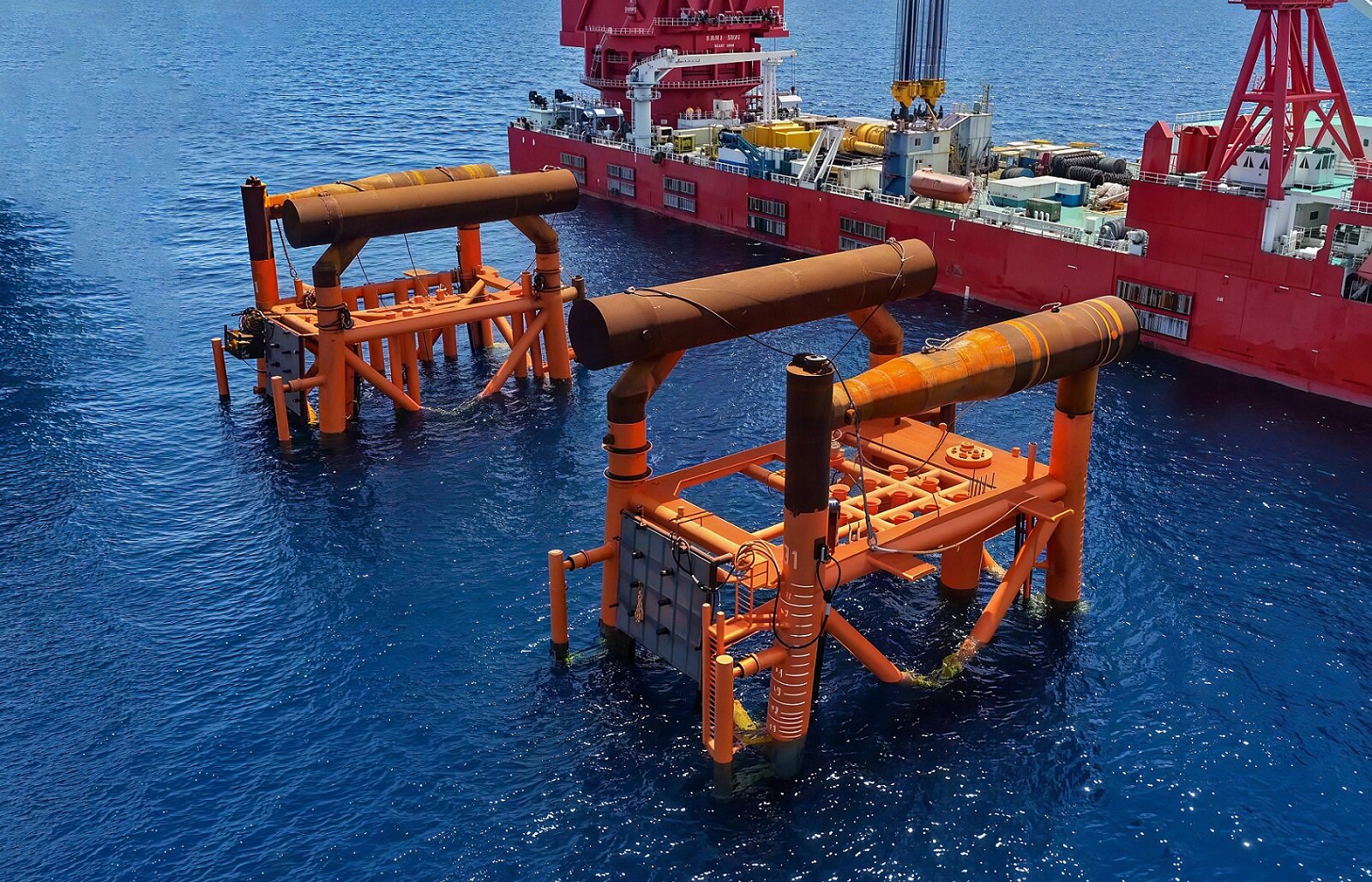
The central platform consists of two parts: an underwater platform and an underwater conduit rack. The underwater pipe rack has been installed in the Yinggehai area of the South China Sea. The pipe rack is 77.2 meters high and weighs nearly 8000 tons. It is designed with 8 legs and 12 skirt piles. There are dense platforms and numerous submarine pipelines around the work area, and the nearest facilities are only 36 meters away from the construction zone. The team used sliding to launch the water, relied on the weight of the pipeline frame and hydraulic jacks to assist, and then wet dragged it for a long distance to the target sea area. The crane ship lifted and straightened it, sat on the bottom, and conducted three-dimensional simulation and monitoring of the entire process, achieving precise positioning in one go. After the platform is debugged in Qingdao, it will be shipped to Nanhai and connected to the existing facilities of Dongfang 1-1 gas field. It is planned to be put into production in 2027. After the project is fully integrated, it will be linked to 12 platforms including Dongfang 13-2 and Dongfang 29-1 to enhance the existing submarine pipeline network transportation capacity in the Yinggehai area. CNOOC, with Dongfang 1-1 as its core, is building an offshore carbon sequestration industry highland in Hainan, providing replicable samples for the carbon rich gas fields in the western South China Sea and the surrounding Hainan Island gas field group.Editor/Gao Xue
Comment


 Praise
 Collect
 Comment

 Share
Share


Write something~