 Search


- China Vietnam railway interconnection accelerates, adding engine to regional economic and trade cooperation
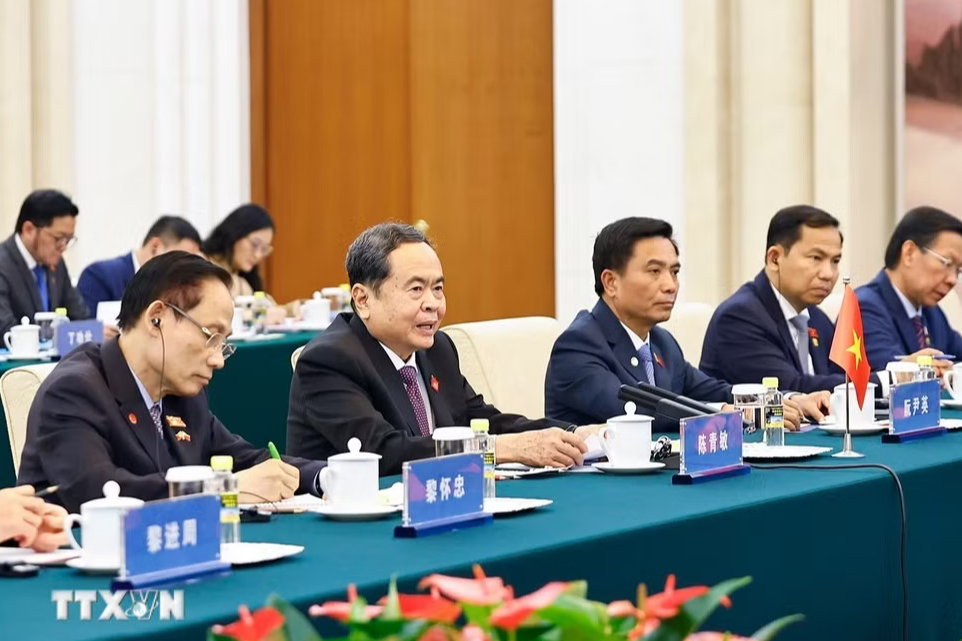
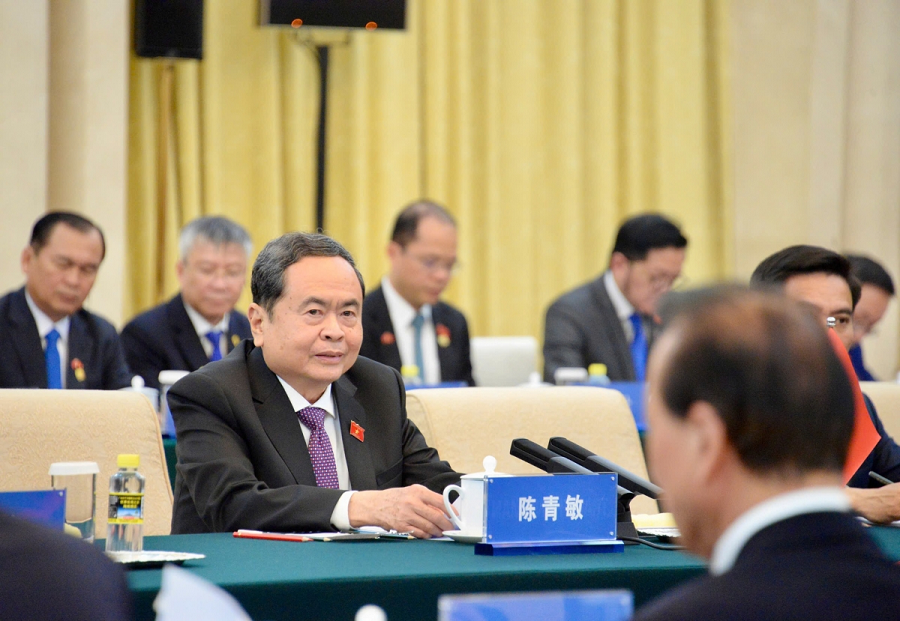
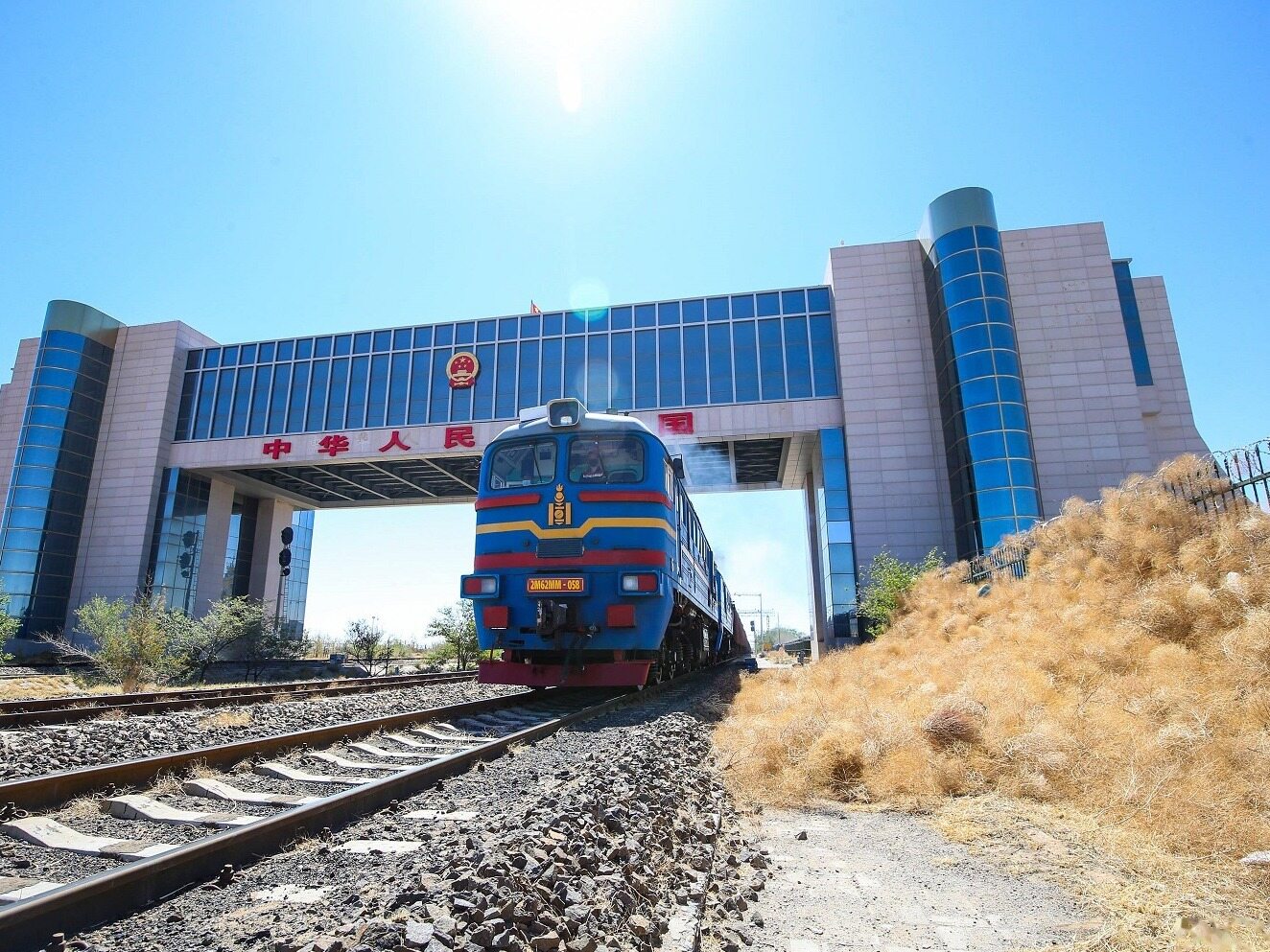
From October 11th to 15th, 2026, Chen Qingmin led a delegation on an official visit to China, with railway connectivity being the highlight of the trip. The President of the Vietnamese National Assembly has put the acceleration of cooperation between the two countries and international intermodal railways on the table. China has responded by expressing willingness to expand smart ports and cross-border economic cooperation zones, and a cross-border engineering docking project has begun.
Three railway tracks connect the Indochinese Peninsula
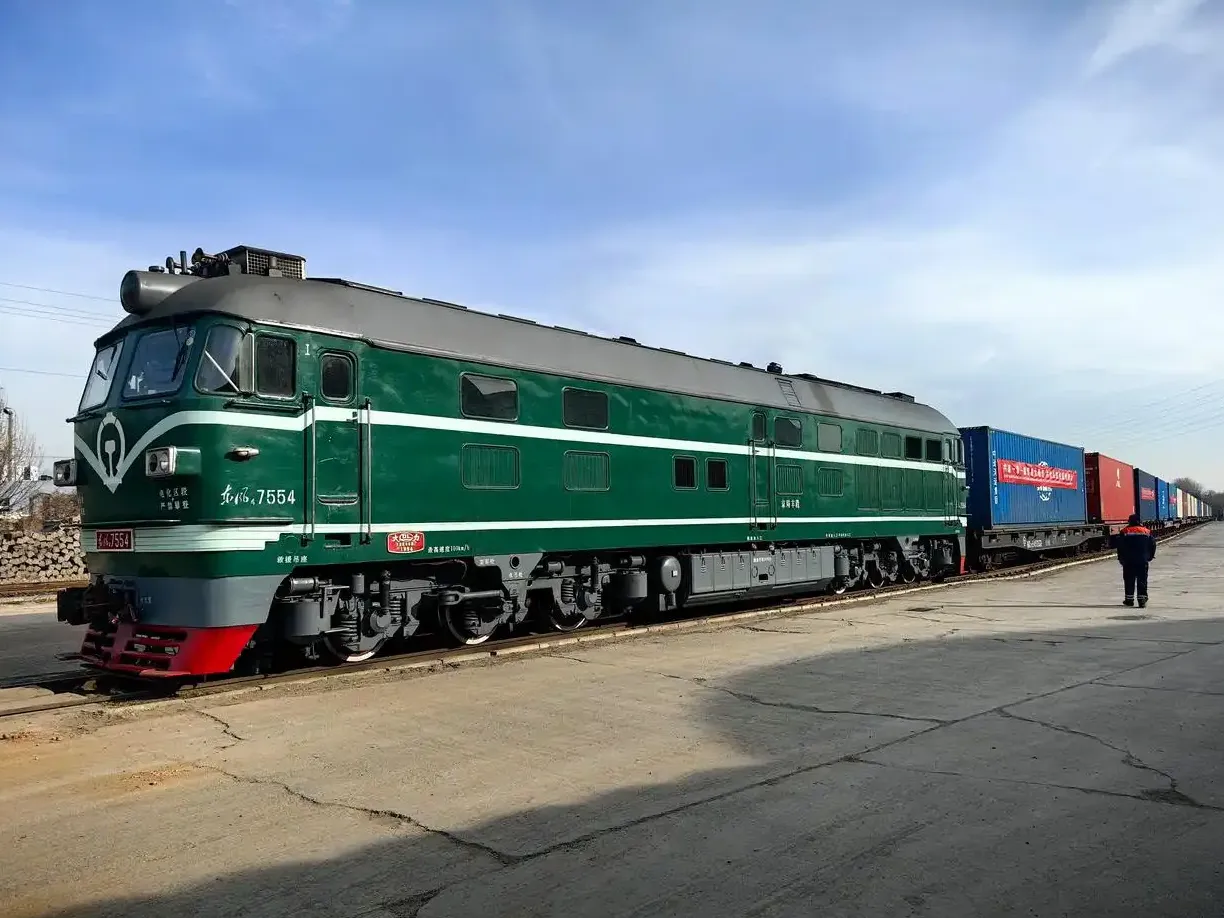
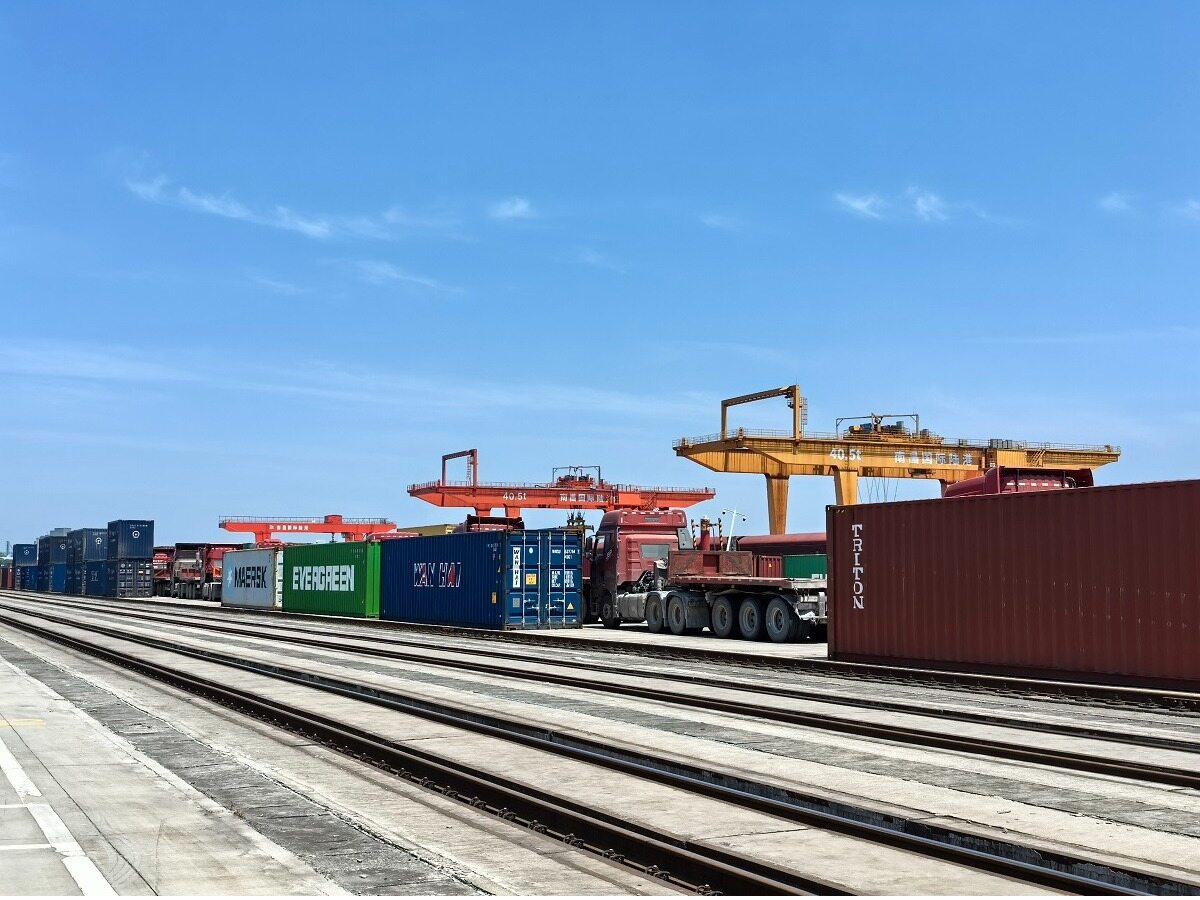
A string of numbers on the planning blueprint is particularly prominent. The Old Street Hanoi Haiphong Railway has held a partial groundbreaking ceremony by the end of 2025, with the goal of being completed by the end of 2030. The total investment has increased from about 8.37 billion US dollars to about 11 billion US dollars, and the total length of the main and branch lines has been adjusted to 426 kilometers; The Tongdeng Hanoi railway has a total length of approximately 156 kilometers and is expected to have a total investment of over 5 billion US dollars. It is planned to be completed by 2035; The total length of the Mangjie Halong Haiphong railway is about 187 kilometers, with an estimated total investment of about 7 billion US dollars. The relevant planning documents are expected to be completed within 2026. The three routes are gradually expanding from north to south, connecting the China Vietnam cross-border road network inch by inch. Ports, economic zones, and smart hubs have also been put on the agenda, allowing goods to travel directly from Vietnamese ports to the hinterland of China without having to take long detours.
Economic, trade, and technological advancement
Wherever the railway is laid, cooperation becomes hot. Both sides exchanged views on deepening economic, trade and investment cooperation. China is willing to expand cooperation with Vietnam in areas such as smart ports and cross-border economic cooperation zones, and strengthen cooperation in artificial intelligence, digital economy, green economy and other fields. As the channels gradually connect, personnel exchanges, goods circulation, and regional industrial cooperation will accelerate. The invisible link between Vietnamese manufacturing and China's supply chain will also become tighter and tighter, which is another chessboard waiting to be settled for Chinese enterprises deeply rooted in Southeast Asia. Keywords: China Vietnam Railway, Interconnection
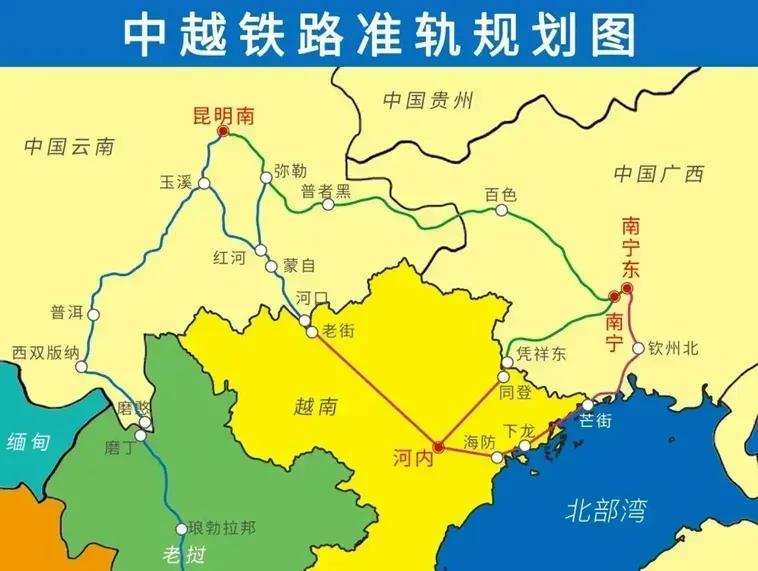
This visit sends a positive signal that China and Vietnam will continue to deepen economic and trade cooperation and promote railway connectivity. As both sides continue to promote the connection of transportation infrastructure, cross-border railway cooperation is expected to further promote personnel exchanges, goods circulation, and regional industrial cooperation, providing solid support for the interconnection between China and Southeast Asia, and also widening the path of cooperation between the two countries.Editor/Min Jing
Comment

 Praise
 Collect
 Comment

 Share
Share


Write something~