 Search


- This memorandum of understanding allows for the free flow of goods and electricity between the two Gulf economies
- Install dual insurance for the regional supply chain and press the accelerator button for Gulf integration
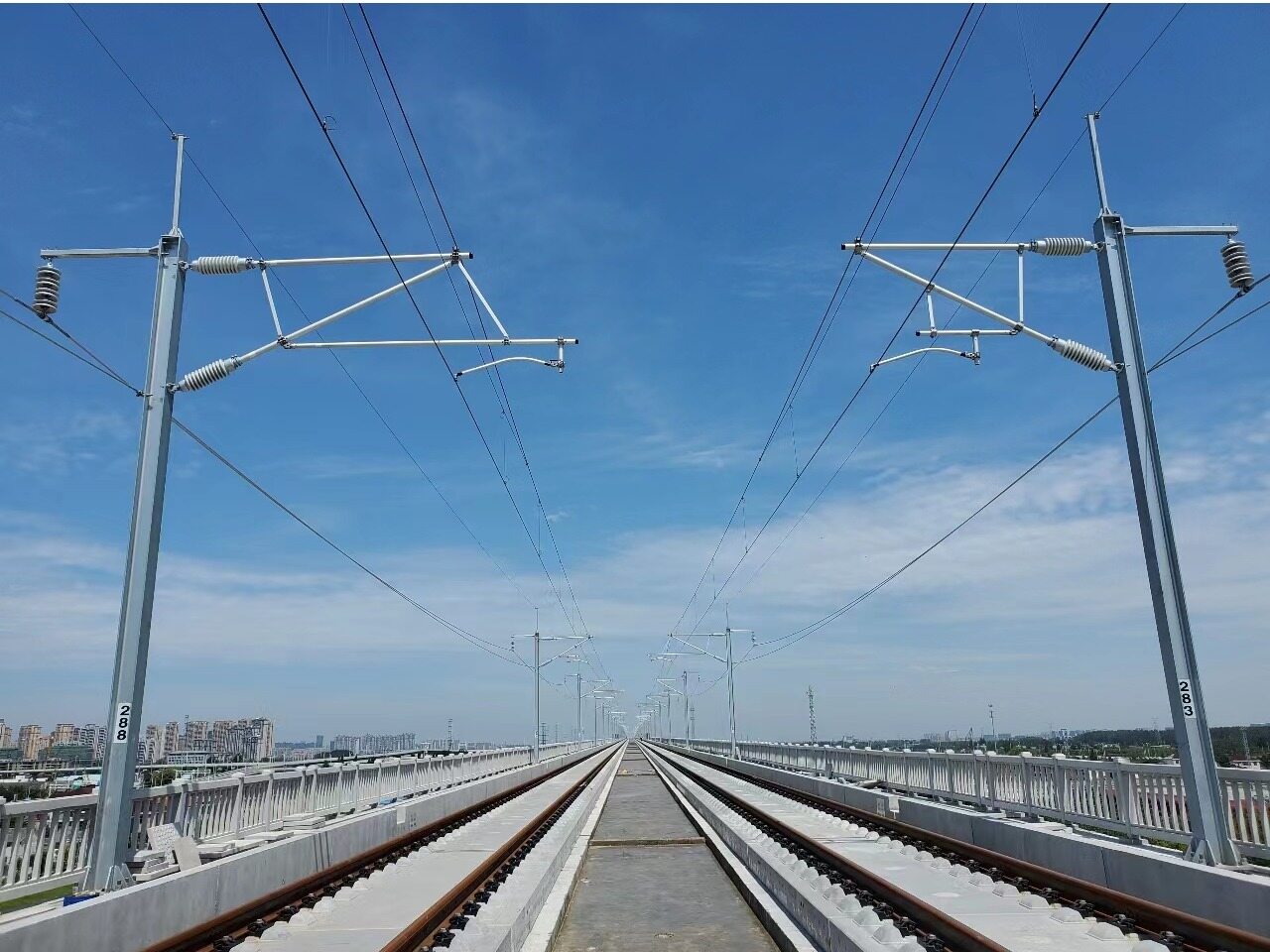
The railway tracks in the desert are always missing the last leg.
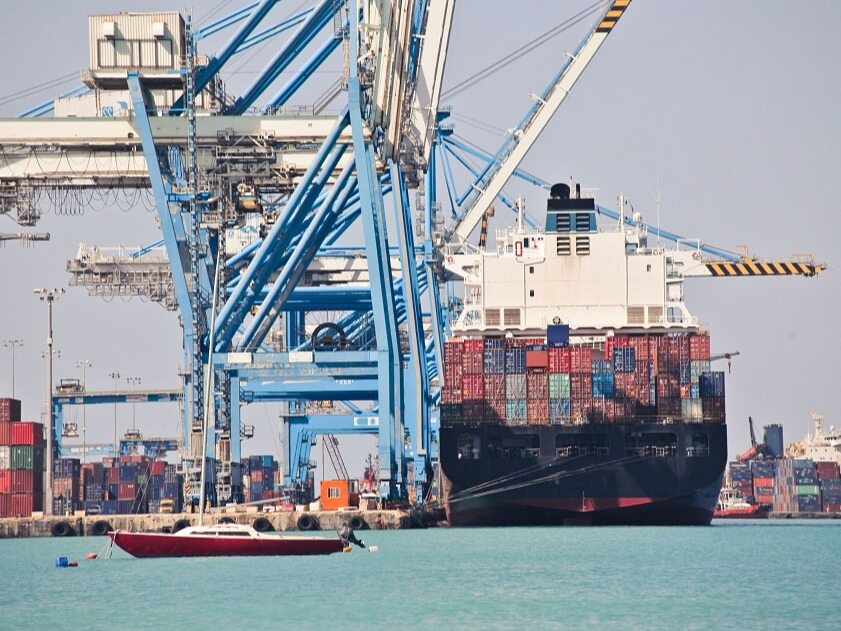
At dusk, a freight train loaded with containers slowly stopped in front of the border at the Ghuweifat port west of Abu Dhabi. This is the westernmost end of the UAE national railway network, with tracks extending several tens of kilometers further west to Saudi Arabia. For many years, trains have to unload, reload, queue up for customs clearance, and then load goods onto trucks to cross the desert. On October 8, 2026, in Riyadh, the two countries decided to connect this broken track.
The railway tracks extend towards the border
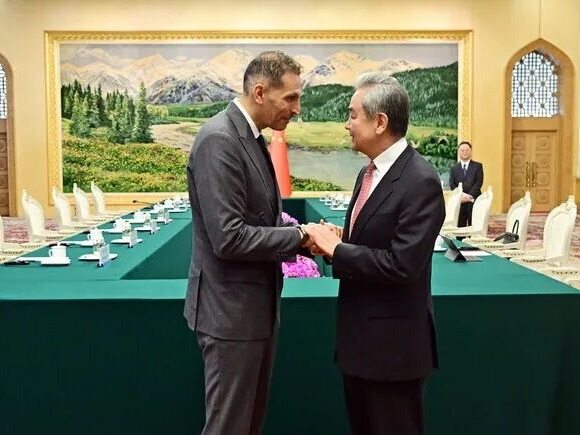
The memorandum of understanding signed on the same day was jointly signed by Mohammed Hassan Al Suwaydi, the Minister of Investment of the United Arab Emirates, and Prince Abdulaziz bin Salman, the Minister of Energy and Minister of Industry and Mineral Resources of Saudi Arabia. The railway department has established the overall principle of facilitating the two-way transportation and transit of goods and commodities, and conducting technical and economic research to evaluate the feasibility of connecting the railway networks of the two countries and improving logistics integration.
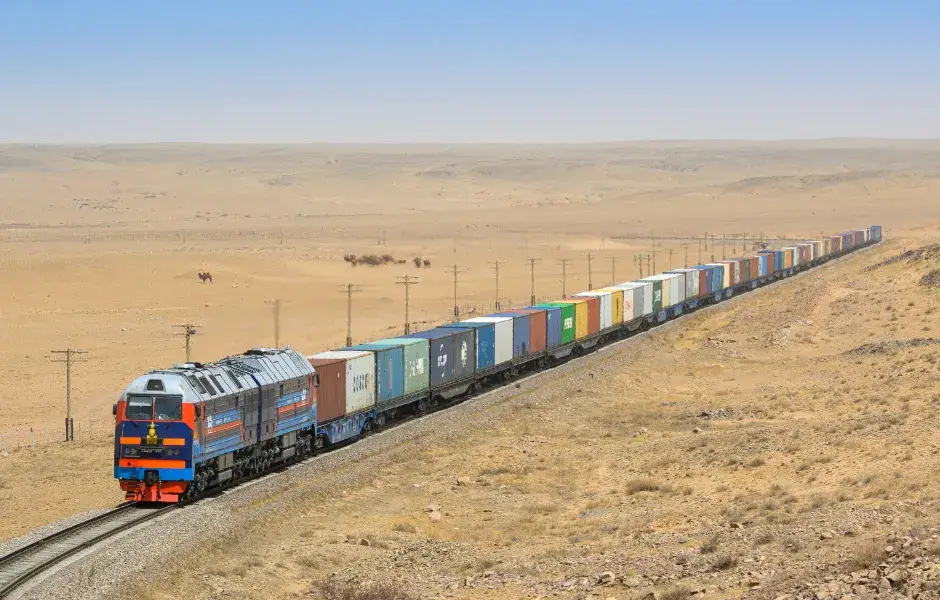
This connection did not start from scratch. The Etihad Railway Phase II on the UAE side has a total length of 605 kilometers, starting from Ghuweifat on the border with Saudi Arabia in the west and ending at Fujairah Port in the east, connecting four major ports and seven logistics areas. The designed annual transportation capacity can reach 60 million tons. On the Saudi side, the Saudi section of the Gulf Railway connecting Kuwait and the United Arab Emirates is approximately 672 kilometers long, designed for both passenger and freight transportation, with a speed range of 80 to 120 kilometers per hour. The design consultation bidding has been launched in May 2026. The entire Gulf Railway has a total length of over 2000 kilometers and runs through six member states of the Gulf Cooperation Council, with the goal of being completed by 2030.
Electricity can also be bought and sold
The agreement also includes the power grid in the cooperation list. The two countries will promote cooperation on the general principles of power interconnection, covering the exchange and sale of electricity, and conduct technical, economic, and environmental research separately. They will also coordinate broader power grid development plans with other member states of the Gulf Cooperation Council.
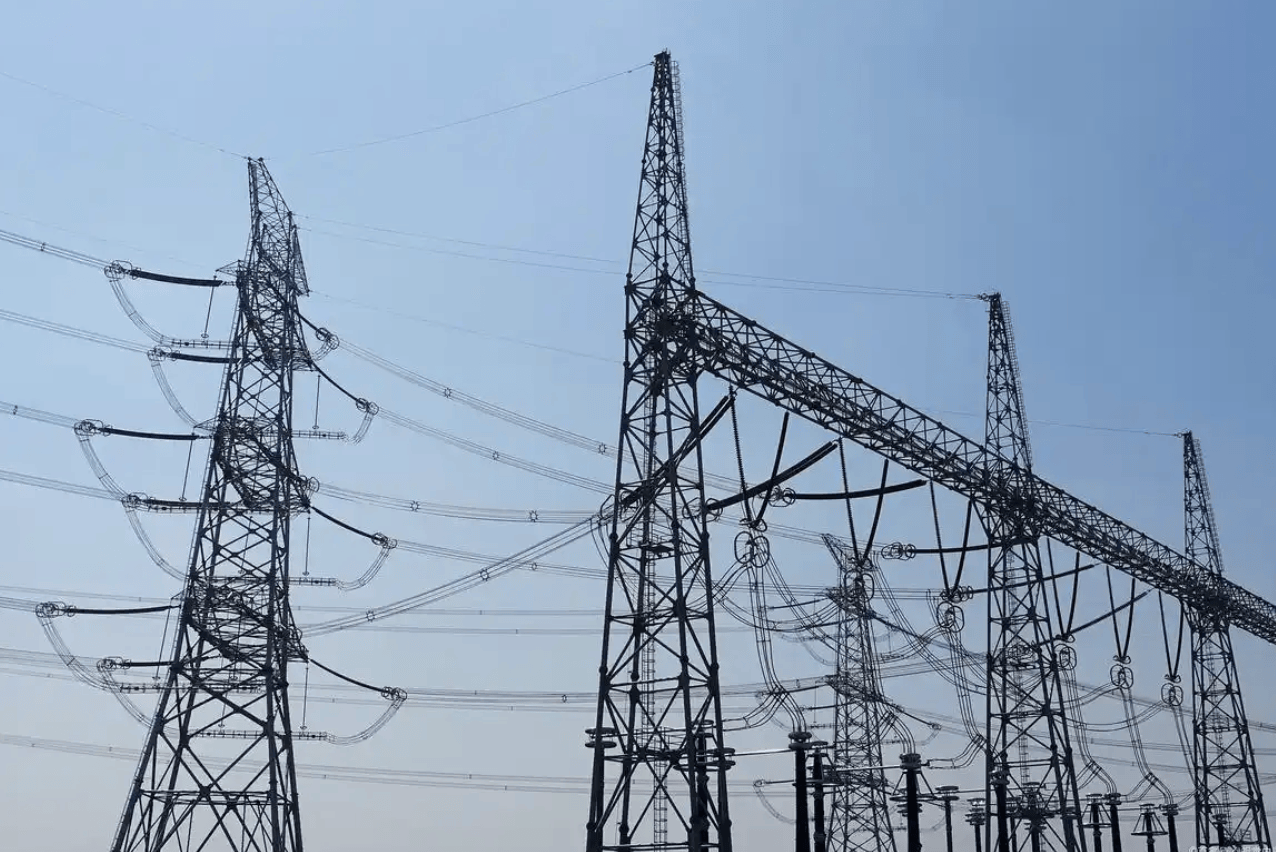
The interconnection of power grids in the Gulf region actually has a foundation long ago. The six countries invested in the establishment of the Gulf Cooperation Council Interconnection Bureau in 2001. The project was carried out in three stages and was fully completed in 2011, forming a regional power grid with seven 400 kV substations and a total capacity of 1800 MW back-to-back converter stations as the backbone. If this bilateral research is implemented in the field, it is equivalent to adding a direct connection channel on top of the existing regional power grid, allowing surplus electricity to be allocated between the two countries as needed.
Integrated components
For Gulf countries that heavily rely on maritime transportation, the significance of the dual channel of railways and power grids goes beyond efficiency. The regional situation has repeatedly put pressure on shipping in the Strait of Hormuz, forcing countries to use alternative routes such as east coast ports, inland corridors, and cross-border railways to maintain the flow of goods. Once the railway and power grid are connected, it is equivalent to adding backup to the supply chain, and also providing stronger support for the non oil economic transformation and logistics hub competition between the two countries.keywords:Engineering infrastructure
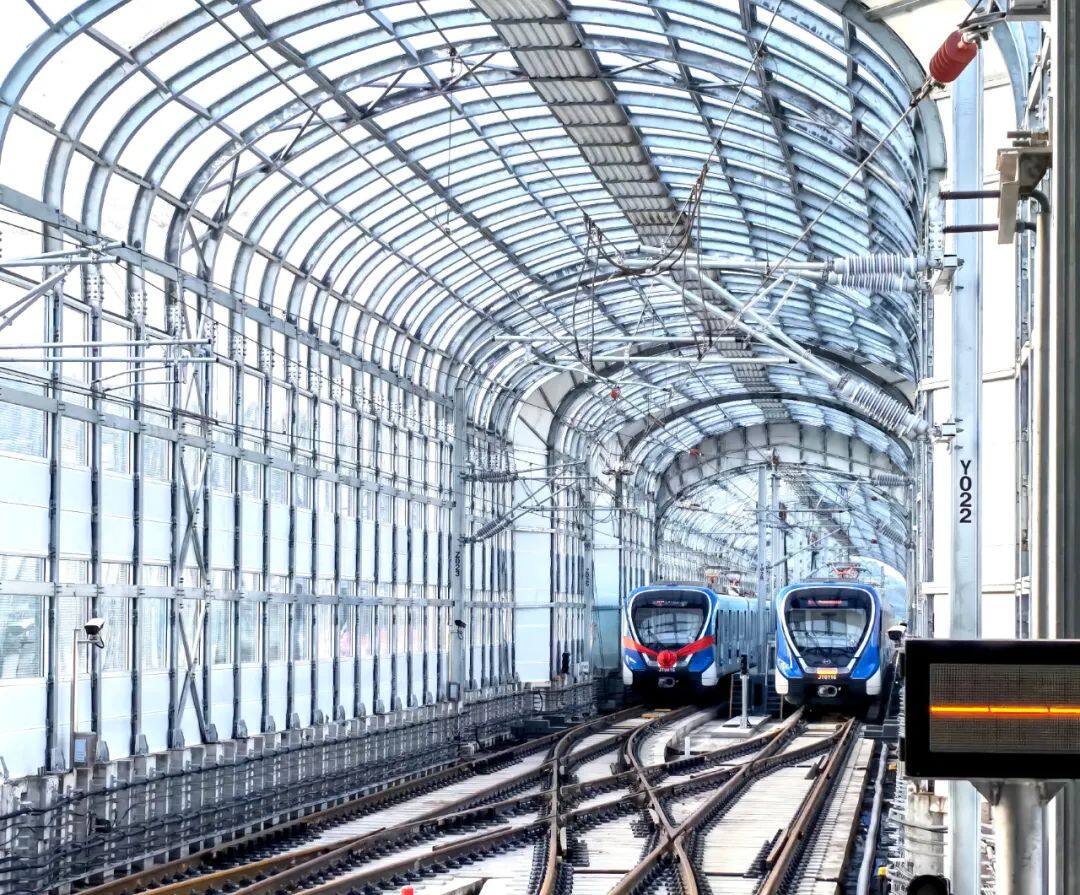
There is still a long way to go from the feasibility study on the drawings to the actual crossing of the border by the train. But the direction has been clearly stated: the goods are heading east to west, electricity is coming and going, and the boundaries inside the bay are thinning.Editor/Yang Meiling
Comment

 Praise
 Collect
 Comment

 Share
Share


Write something~