 Search


- Alashankou turns time cost into foreign trade competitiveness through intelligent customs clearance
- Provide port samples for stabilizing the Asia Europe industrial chain and supply chain
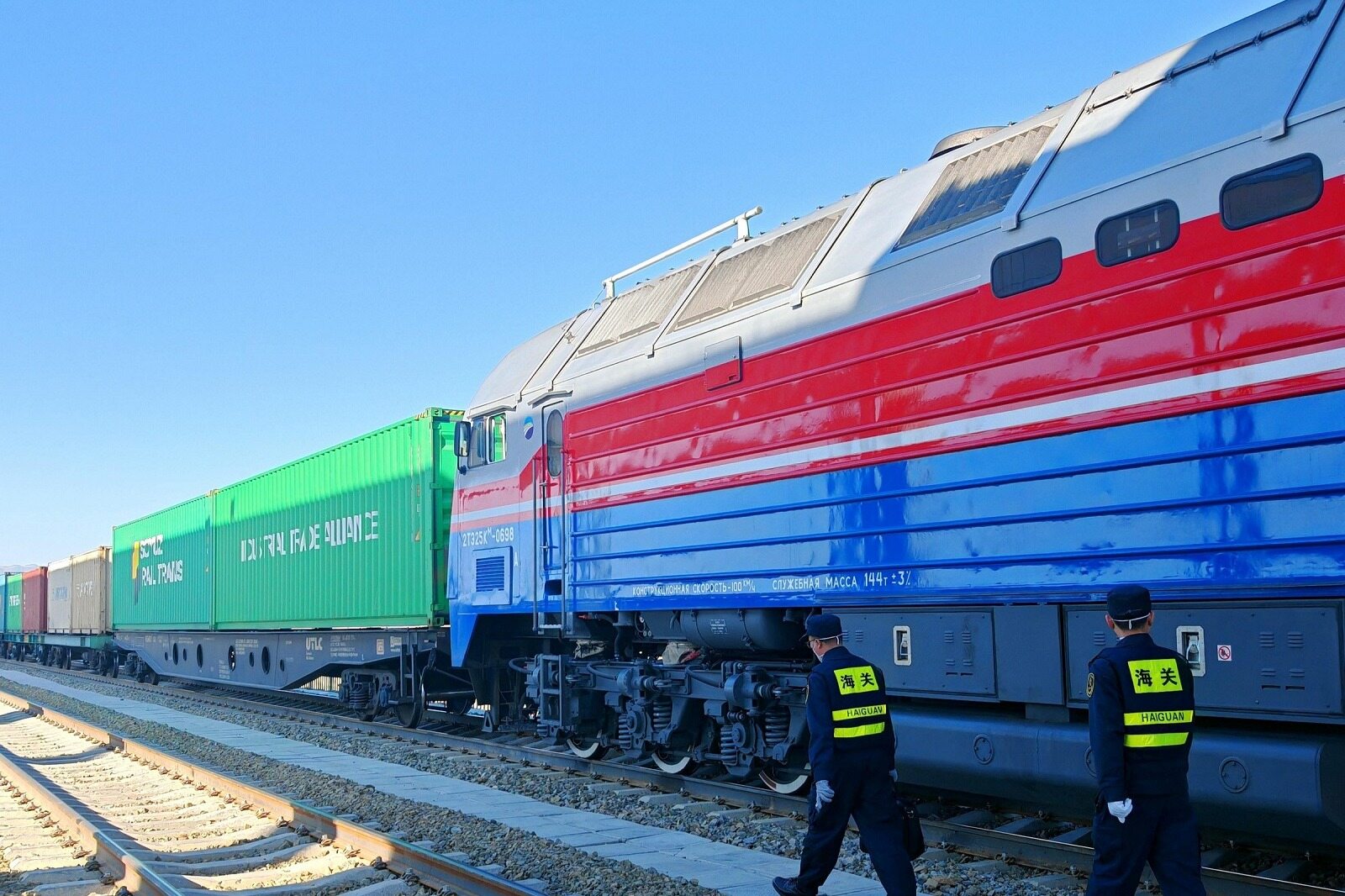
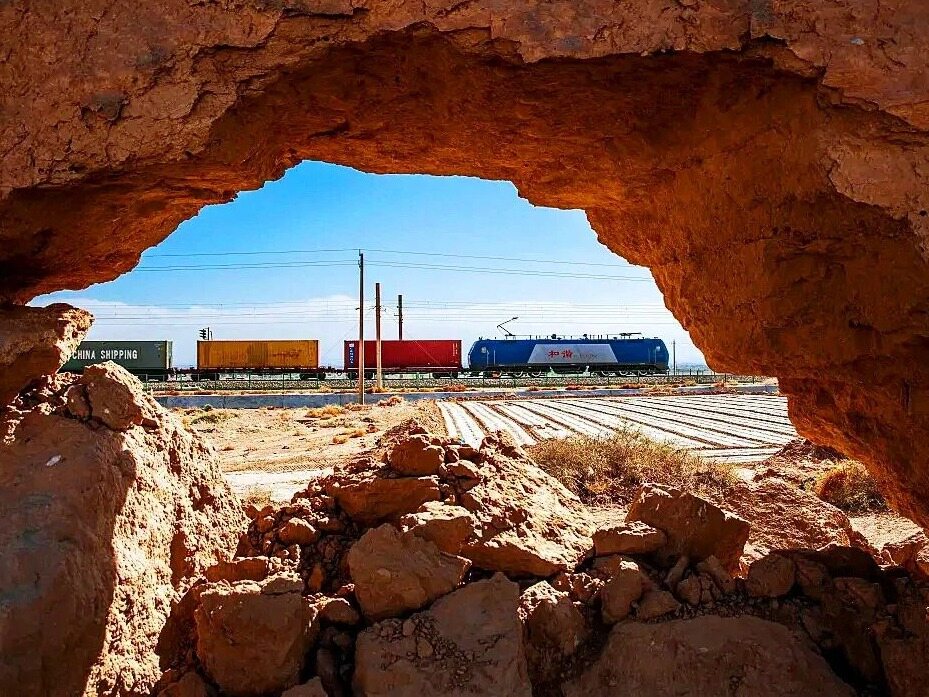
On October 12, 2026, the Gobi wind swept over Alashankou Station with a chill. The whistle sounded, and a China Europe freight train loaded with car parts and electronic products slowly drove out of the country, heading towards Malaszewicz, Poland. Thousands of miles away, the goods haven't arrived yet. On the computer of Zou Qingqing, a first level administrative law enforcement officer of the Railway Supervision Department of Alashankou Customs, the manifest information for the next train has already popped up. The goods are still on the way, and the data has arrived at the port first.
This ordinary train has allowed the number of China Europe (Central Asia) trains under the supervision of Alashankou Customs to exceed 7000 this year, 45 days earlier than last year. In previous years, the scale of 7000 columns could only be crossed in late November; 15 years ago, this port could only see three or four trains per month. Nowadays, the daily average number of trains passing through here is about 25, with a maximum of 36 trains per day, and the total number of trains passing through ranks first in the country.
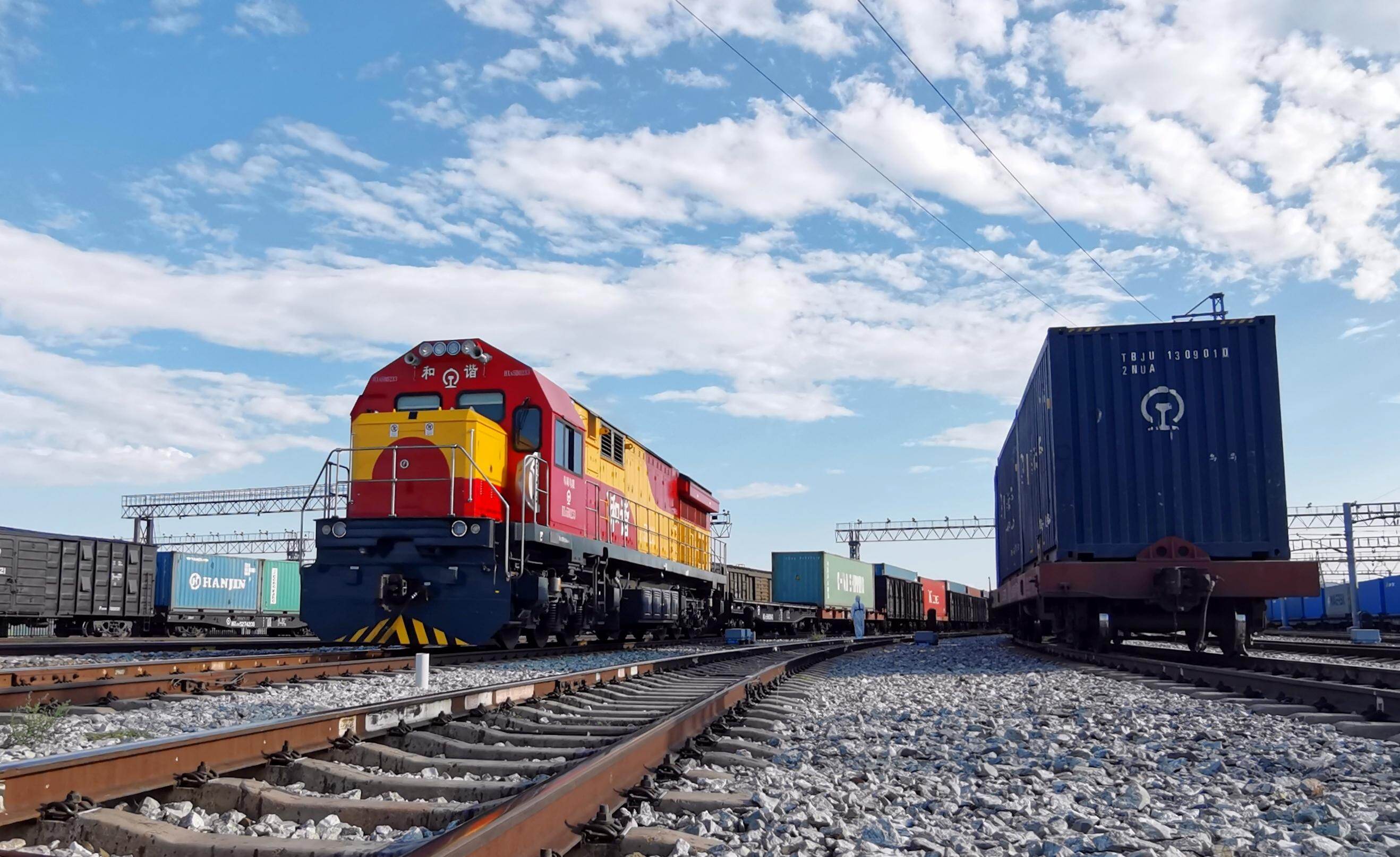
Data arrives at the port first
The source of change is the reform of smart railway ports and rapid local customs clearance. Before the goods enter the country, the original railway manifest is transmitted in advance, and the customs completes the document review, risk assessment, and control preset in advance; The stages of customs declaration, secondary declaration, and port verification have been cancelled, and the enterprise's local declaration, customs review, and full process clearance have been carried out. Real time synchronization and intelligent verification of customs and railway data throughout the entire chain, from arrival, inspection to release, loading, and departure, forming a one-stop closed-loop system. In the past, cars were waiting for people and boxes, but now they are waiting for people and goods. Low risk goods can be released quickly, while high-risk goods can be precisely controlled and managed even if released quickly.
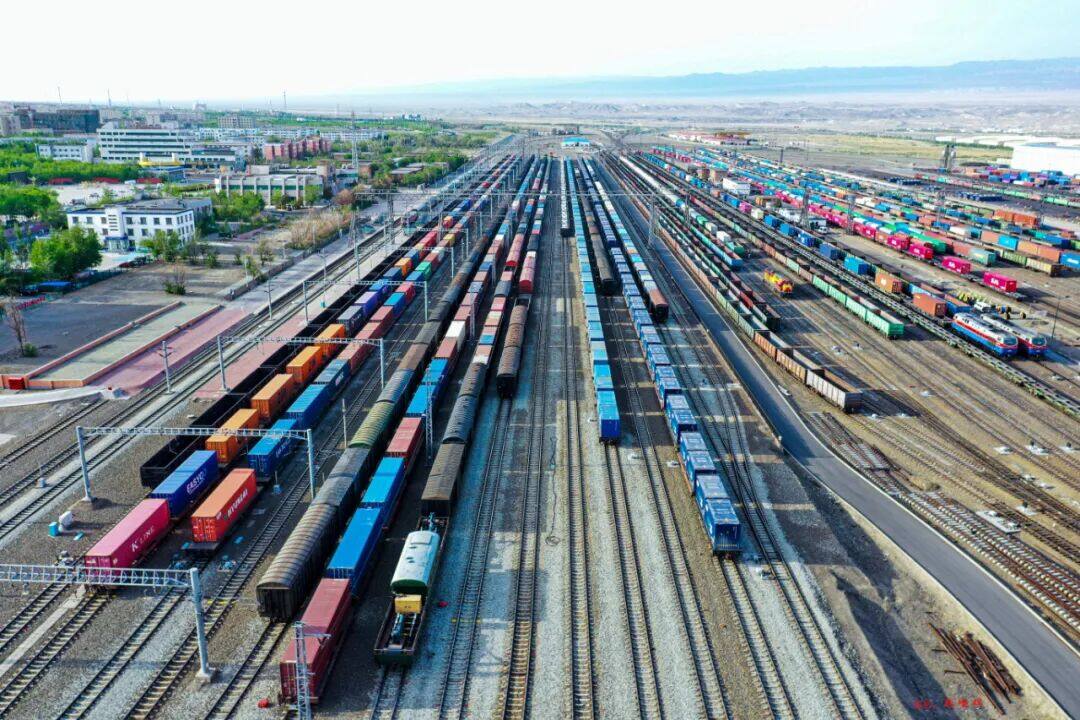
Check and install the smart eye
After implementing parallel operations at the railway comprehensive inspection site, the inspection efficiency of a single train has increased by 70%, achieving immediate release upon arrival. The first joint supervision mode of port and unloading location in Xinjiang allows goods to be transported by train to the port for basic safety testing, and subsequent inspections are placed in the enterprise unloading plant area, reducing the overall customs clearance time by half. Relying on large container inspection equipment, intelligent checkpoints, and intelligent drawing review, inspection has shifted from manual boarding to non-invasive intelligent supervision, with a minimum of 10 minutes for a single boarding inspection. The second line of the Lanxin Railway from Jinghe to Alashankou has been added and opened, with a 15% increase in the port's standard gauge transportation capacity and a 30% increase in the wide gauge capacity. Both hardware and software have simultaneously boosted the transportation capacity.
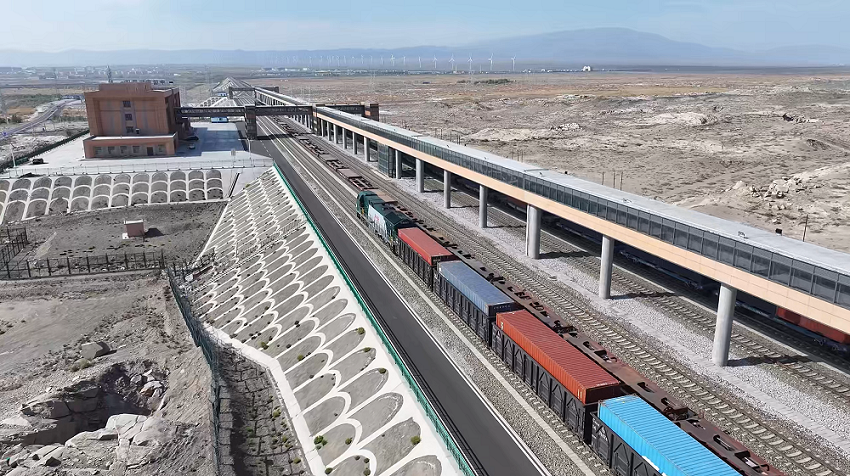
Dividends deposited into the ledger
The value of reform ultimately lies in the accounts of the enterprise. Yang Yiyong, Business Manager of Alashankou Bobao International Freight Forwarding Co., Ltd., had a direct experience: the procedures were completed online in one stop, and the customs clearance time was reduced from the past two to three days to as fast as 16 hours, resulting in a 30% decrease in the company's operating costs. The overall customs clearance time for imported goods has been reduced by more than 70%, container turnover has accelerated, and demurrage fees, storage fees, and capital occupation have synchronously decreased. The stable customs clearance cycle has given more confidence to order fulfillment. Many foreign trade enterprises are expanding their cross-border business in Asia and Europe with this certainty.
At present, there are 130 China Europe (Central Asia) train routes passing through Alashankou, connecting 21 countries including Germany and Poland, carrying more than 200 types of goods such as automotive parts, electronic products, and daily necessities. From border stations to international logistics hubs, this Silk Road gateway is transforming channel advantages into development advantages, laying a solid foundation for the smooth operation of the Asia Europe economic and trade channel.Editor/Yang Meiling
Comment

 Praise
 Collect
 Comment

 Share
Share


Write something~