 Search


- Normal operation of direct flight routes, Kashgar's comprehensive logistics costs for foreign trade have decreased by over 18%
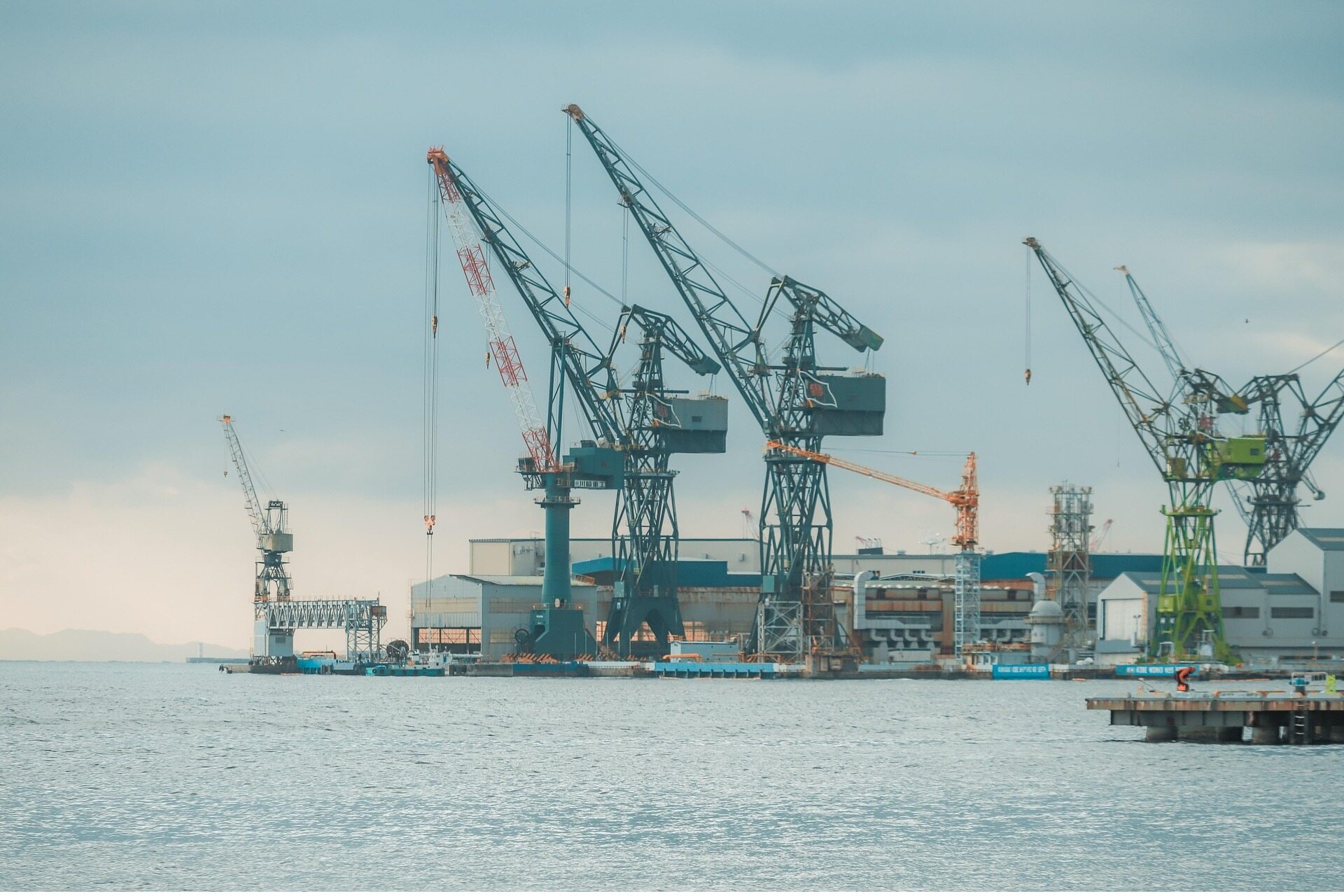
At the container terminal of Karachi Port, Mediterranean shipping's direct liners slowly departed from the berth. In the early fourth quarter of 2026, Mediterranean shipping companies officially resumed direct routes from Karachi to Europe, and multiple shipping companies followed suit. The connectivity index of Pakistani port liners rose to 343 points, setting a new historical high. Previously, the problems of rising freight rates and delayed delivery caused by the obstruction of Red Sea air transportation have been effectively alleviated. This normalized direct flight route directly solves Pakistan's long-standing bottleneck in going global, and also opens up a new logistics window for southern Xinjiang to rely on the westward channel to carry out transit trade with Europe.
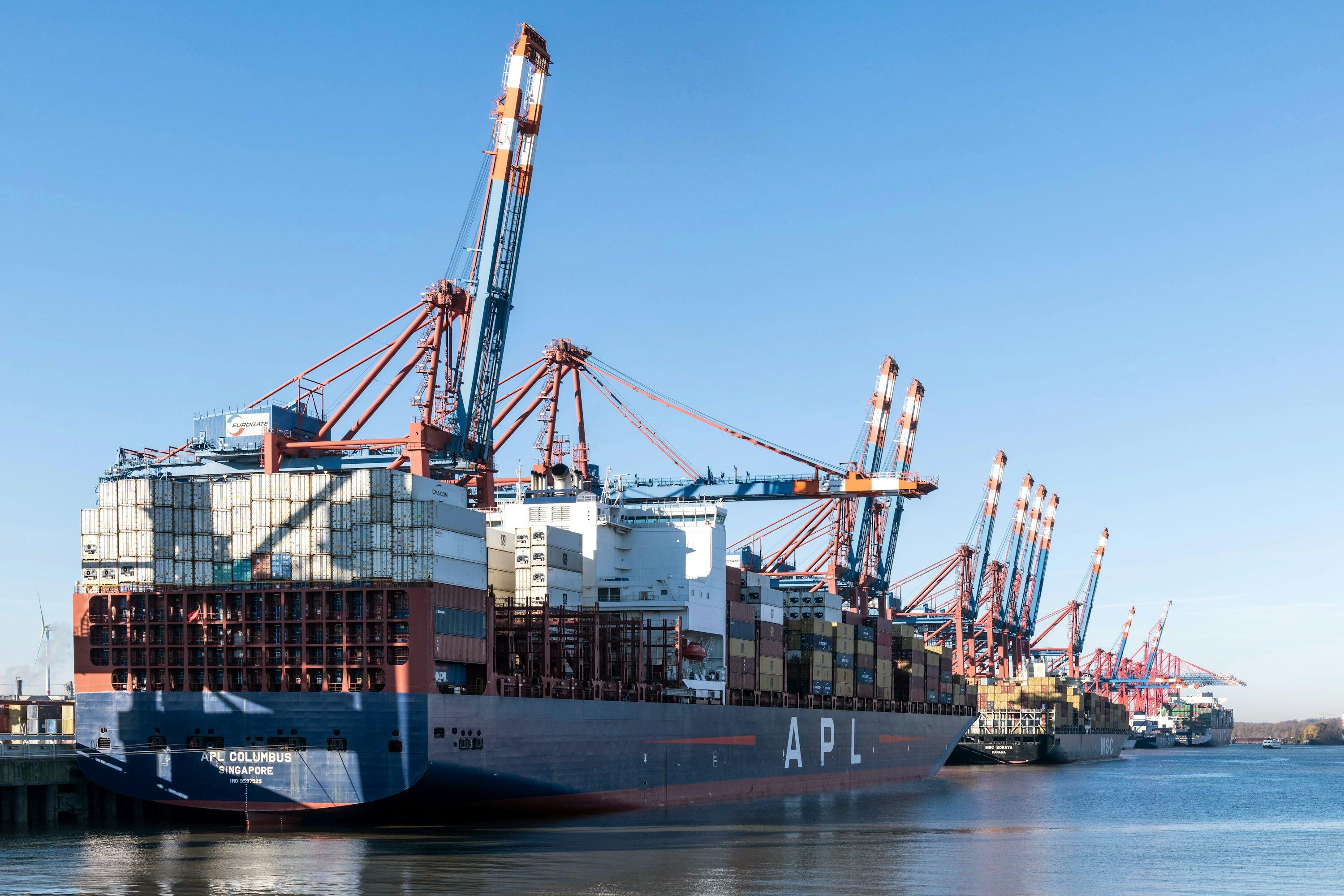
New land sea intermodal link connects southern Xinjiang to the sea
Relying on the advantage of the land hub of Hongqilafu Port, Kashgar is building a complete land sea intermodal transportation system for the inland Karachi Port in Kashgar, Pakistan, and Europe, completely breaking through the connection between land cross-border and ocean shipping. The formation of this new link has significantly expanded the transit channels for southern Xinjiang's electromechanical products, agricultural specialty products, and light industrial textile products to Europe, filling the gap of relying solely on land transportation previously.
In the first three quarters of 2026, the value of goods exported from Kashgar through the Hongqilafu Port increased by 41.2% year-on-year, with nearly 30% of the goods ultimately destined for the European market. After the land sea intermodal transportation channel is put into use, goods from southern Xinjiang no longer need to detour around the eastern coastal ports, and can directly connect to ocean routes by land southward, greatly reducing the overall transportation distance.
China Pakistan Corridor 2.0 releases new momentum in foreign trade
After the normalization of direct flights from Karachi to Europe, regional sea freight prices have been effectively stabilized, and the overall transportation cycle has been shortened by nearly 30% compared to the Red Sea bypass phase, completely avoiding the shipping risks caused by the bypass. The comprehensive logistics costs of Kashgar's foreign trade enterprises, including transit, warehousing, and freight forwarding, have decreased by more than 18%. The delivery cycle of export orders has been significantly shortened, and the stability of orders has been significantly improved, directly driving the rapid upgrading of local overseas warehouses, international freight forwarders, and other supporting industries.
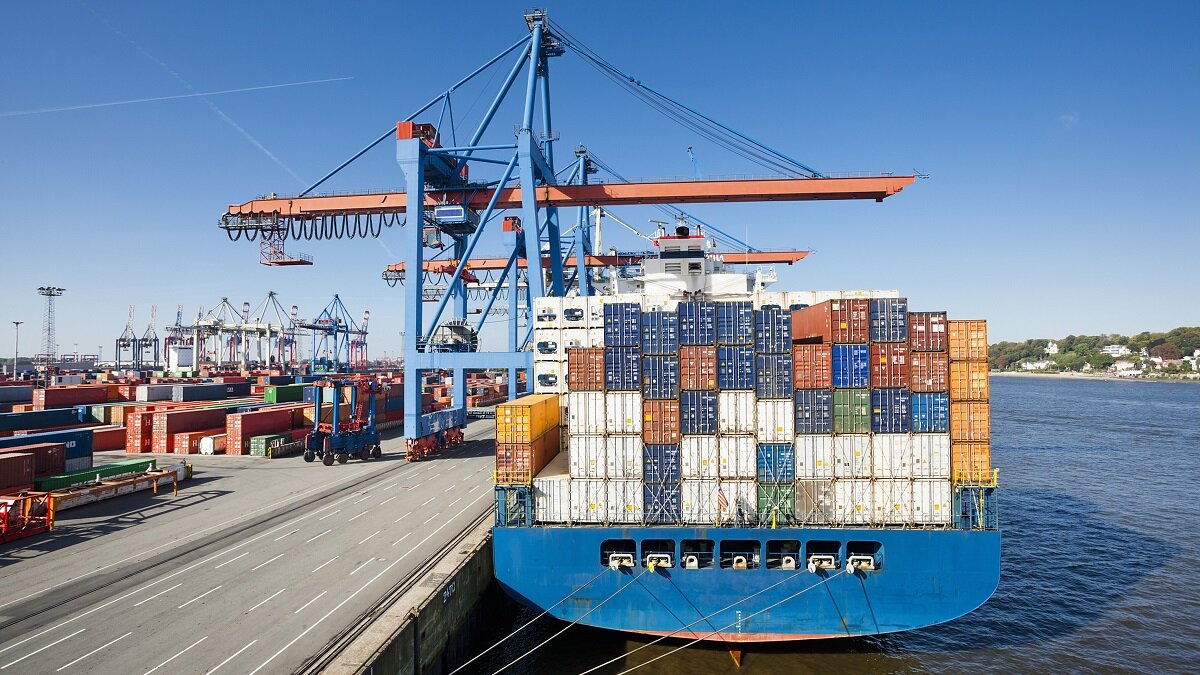
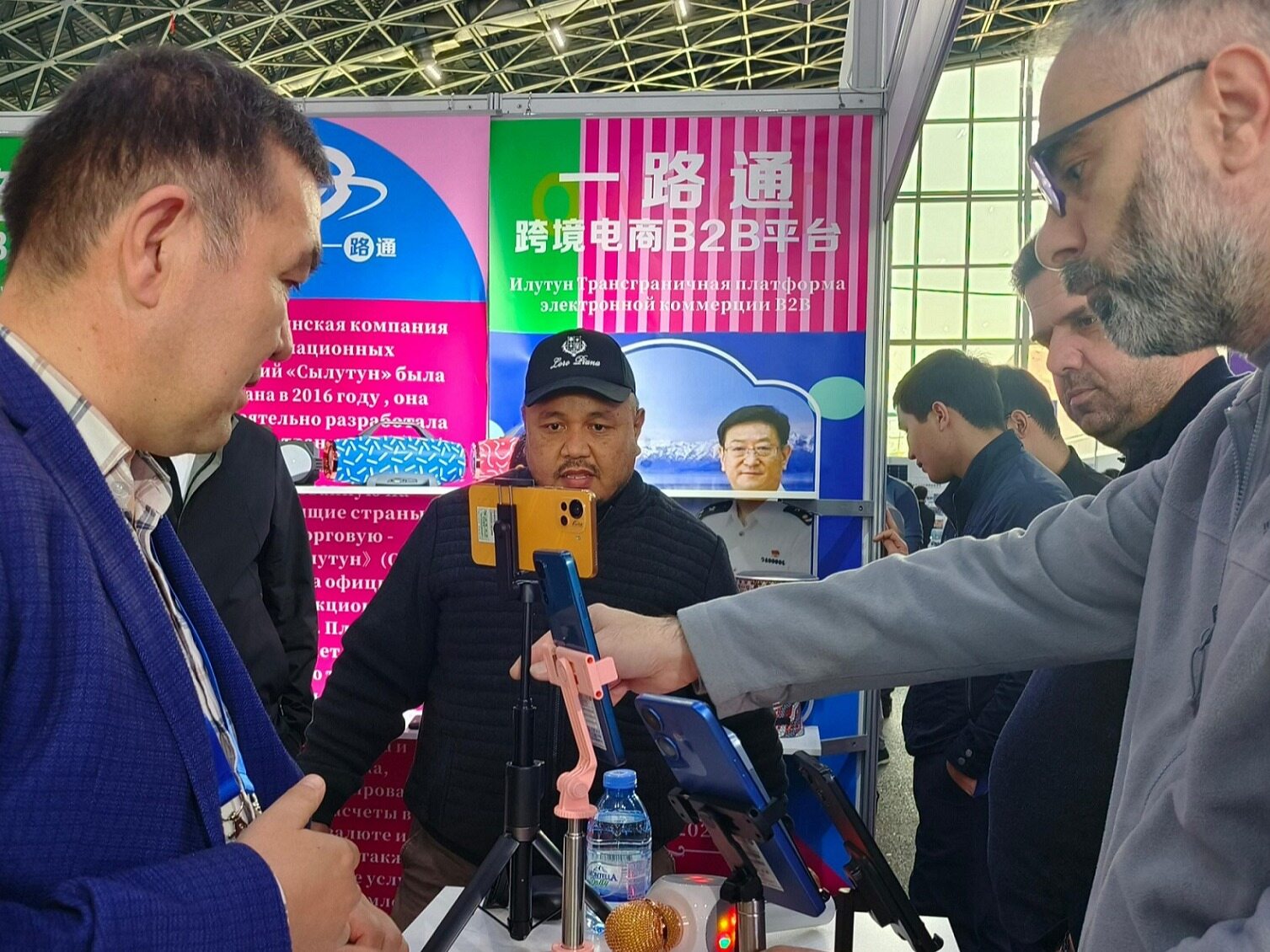
The gathering, distribution, and long-distance distribution functions of Karachi Port have been fully utilized, and Pakistan's transit and transportation carrying capacity continues to improve. The synergistic advantages of the China Pakistan Economic Corridor 2.0 version have been further released. Kashgar's local cross-border transit, bonded logistics, transit trade and other outward oriented new business models are growing rapidly. In the first three quarters of 2026, the local cross-border e-commerce import and export scale increased by 67.8% year-on-year, and the new growth momentum of foreign trade continues to grow. Keywords: Karachi Port, Cross border Logistics
Containers loaded with goods from southern Xinjiang are heading south along the Karakoram Highway, boarding ships from Karachi Port and heading towards Europe. This new land sea intermodal transportation channel is effectively transforming the geographical advantage of southern Xinjiang's westward opening into the core competitiveness of foreign trade growth.Editor/Cheng Liting
Comment


 Praise
 Collect
 Comment

 Share
Share


Write something~