 Search


- EU funds landed in Romania to promote the construction of new energy in the public sector
- The release of demand in the Eastern European market expands the business space for Chinese new energy enterprises
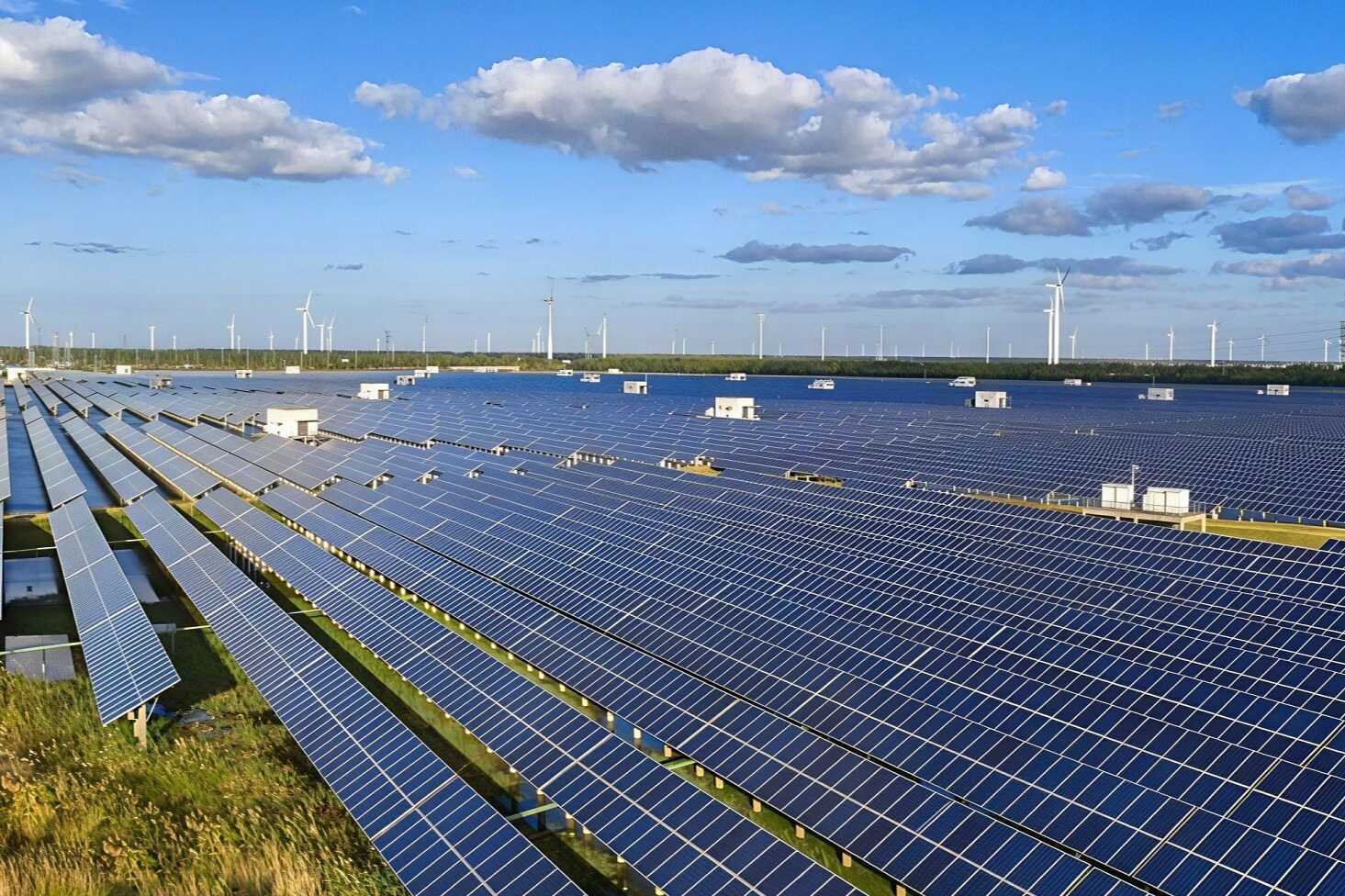
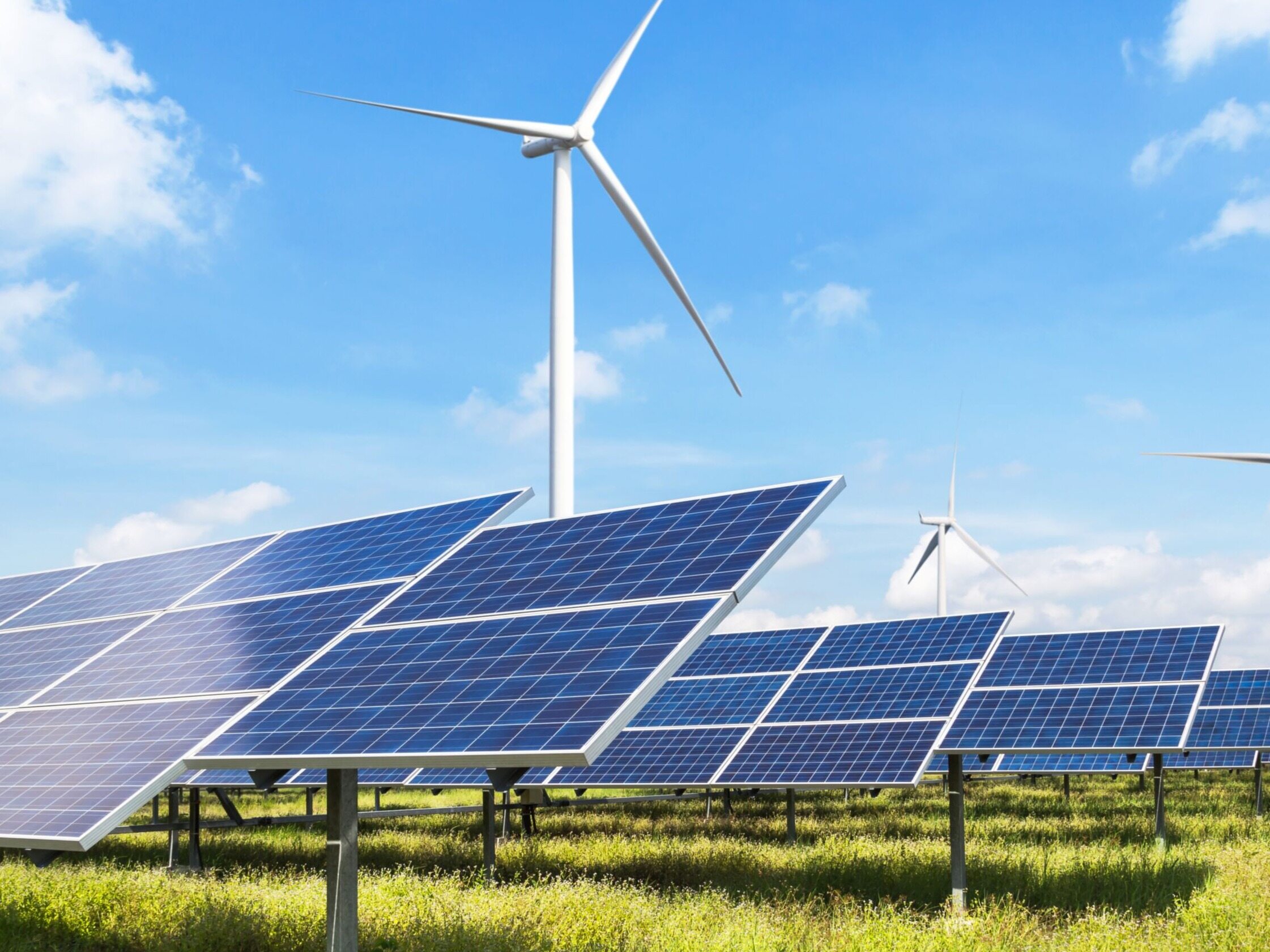
On the Black Sea coast, an energy revolution is quietly reshaping the map of Central and Eastern Europe. Romanian public institutions are turning their attention to rooftops and fields, attempting to redefine green infrastructure with photovoltaic panels and energy storage devices. This transformation wave ignited by EU funds is opening a window of opportunity for Chinese new energy enterprises to enter the European market.
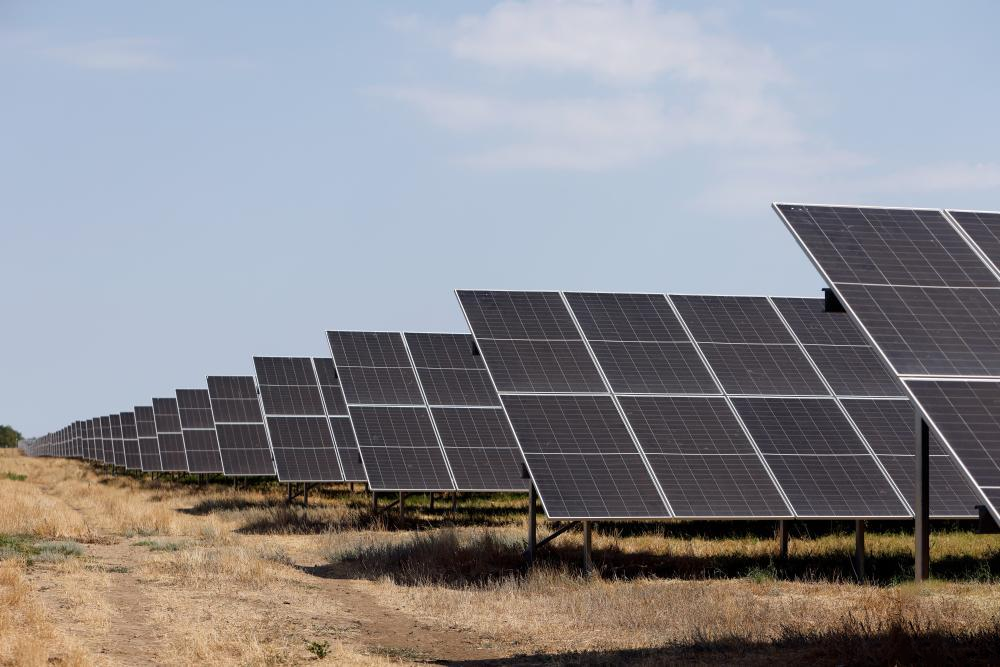
Two major subsidy support directions
The energy transition in Europe is accelerating, and Central and Eastern Europe has become a highland for clean energy investment. Romania relies on the modernization fund to continuously support the development of renewable energy. According to data from the Romanian Rural Investment and Financing Agency, the application for green energy projects was launched on September 28, 2026, and the total amount of applications exceeded 700 million euros within three weeks, with high market participation enthusiasm.
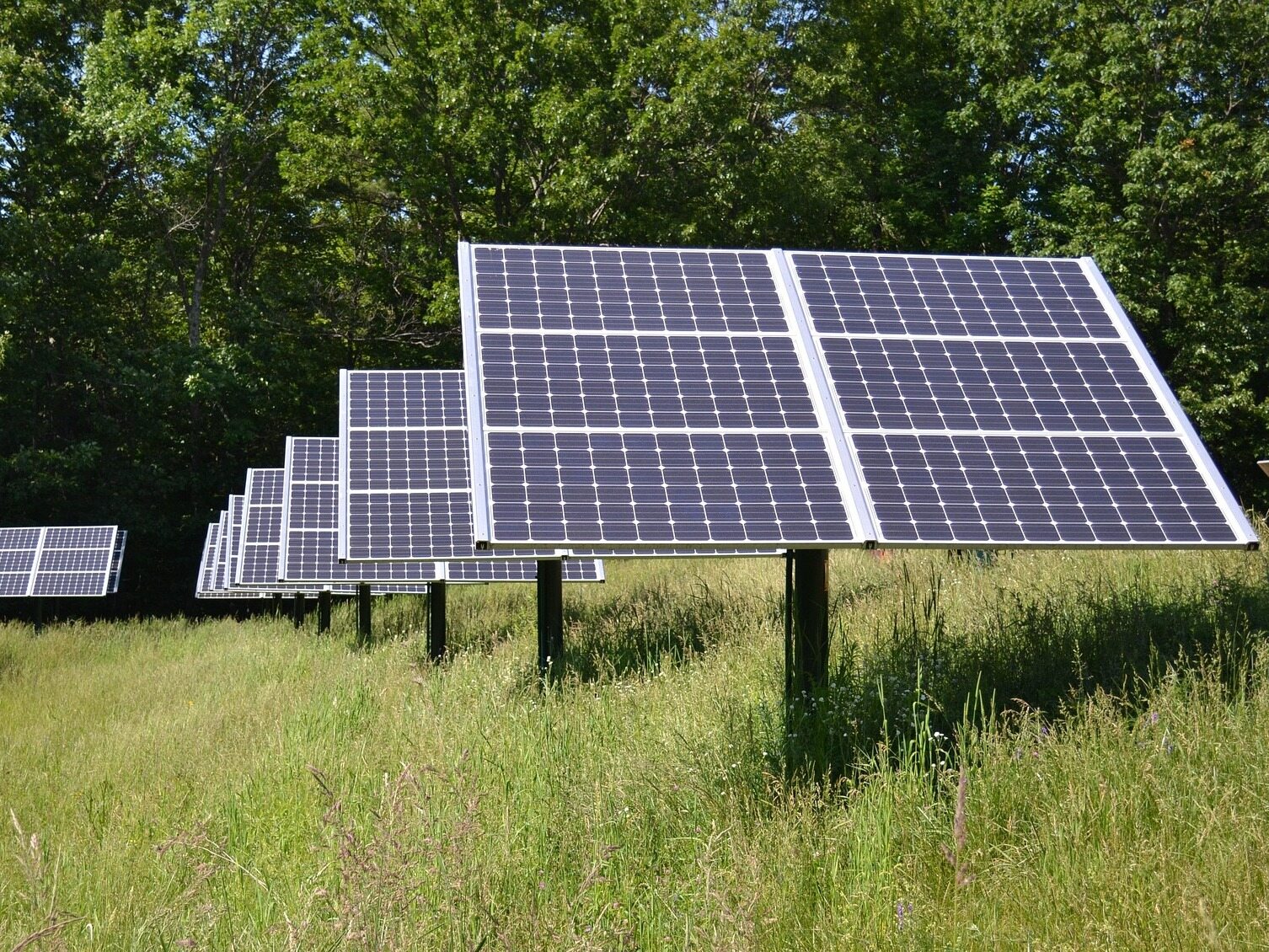
The plan is coordinated by the Romanian Ministry of Energy and executed by AFIR, with a total budget of 650 million euros, divided into two special projects: photovoltaic energy storage integration project, with a budget of 500 million euros, supporting public institutions to build their own photovoltaic supporting energy storage and self generate electricity. Special project for energy storage facilities, with a budget of 150 million euros, to increase energy storage capacity and enhance the integration of new energy and the stability of the power grid.
Strict rules
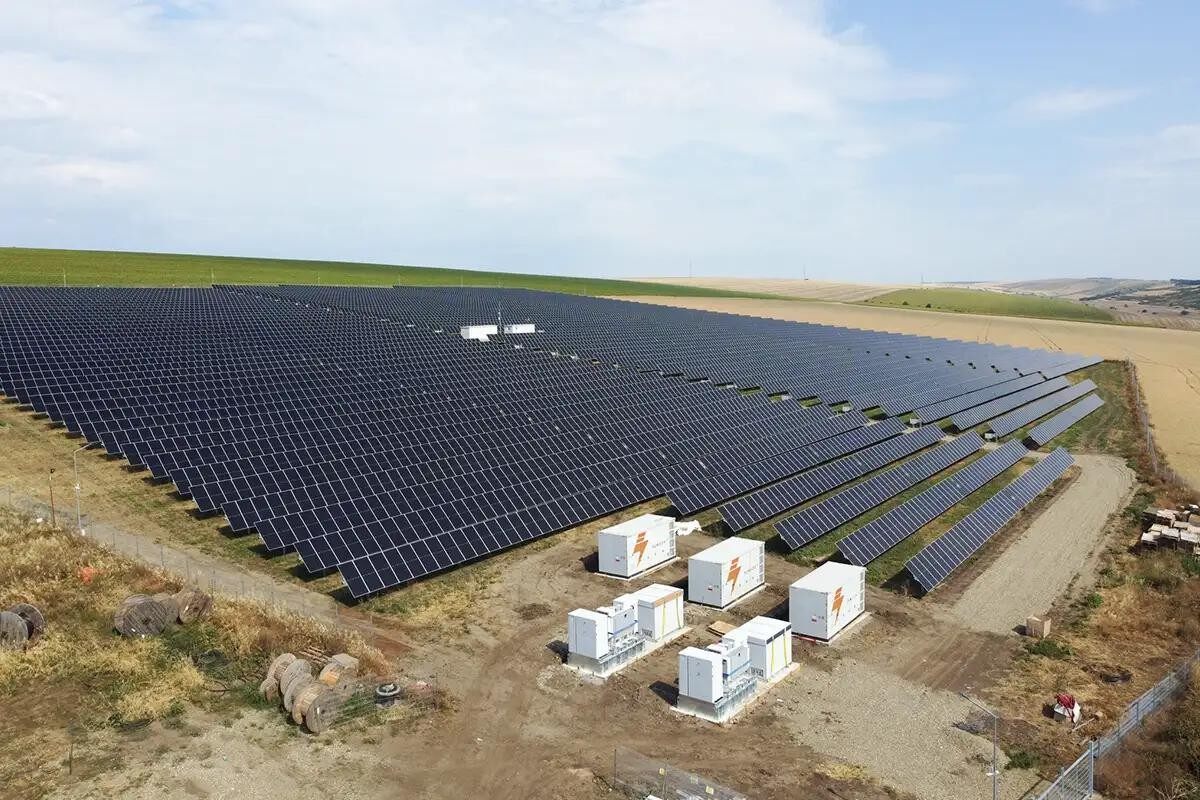
As of October 16, 2026, a total of 2238 applications have been received, with a declared total amount of approximately 702.8 million euros, exceeding the budget. The photovoltaic project received 1332 applications, with a funding application amount of 79% of the special budget; 906 applications for energy storage projects have been submitted, with a declared amount of 205% of the budget, indicating a strong demand for energy storage.
The application system will be closed on November 20, 2026, and will be reviewed in the order of submission until the budget is exhausted. Non compliant materials will be rejected by the system, and submitting an application does not mean the project is approved. The funds come from the EU Modernization Fund, relying on local administrative networks, and are directly directed to public institutions at all levels, investing in green infrastructure.
Industry welcomes development opportunities
This round of subsidies has driven the development of the local new energy industry. The integration of light and energy storage has become the mainstream solution for public projects, and there is a large gap in energy storage equipment. Supply chain enterprises with overseas performance capabilities are facing opportunities.
After the project review is completed, projects worth over 700 million euros will be procured and constructed gradually within 1 to 2 years, driving the growth of EPC, power grid equipment, and operation and maintenance industries. Romanian public institutions are actively applying for new energy projects, demonstrating their determination to transition to energy. Relying on modernization funds, Central and Eastern Europe is accelerating towards the clean energy era, which is a window period for new energy enterprises to explore the market.Editor/Gong Ziwei
Comment

 Praise
 Collect
 Comment

 Share


Write something~