 Search


- The formation of high+low concentration technology system further opens up the space for improving carbon flooding oil recovery rate
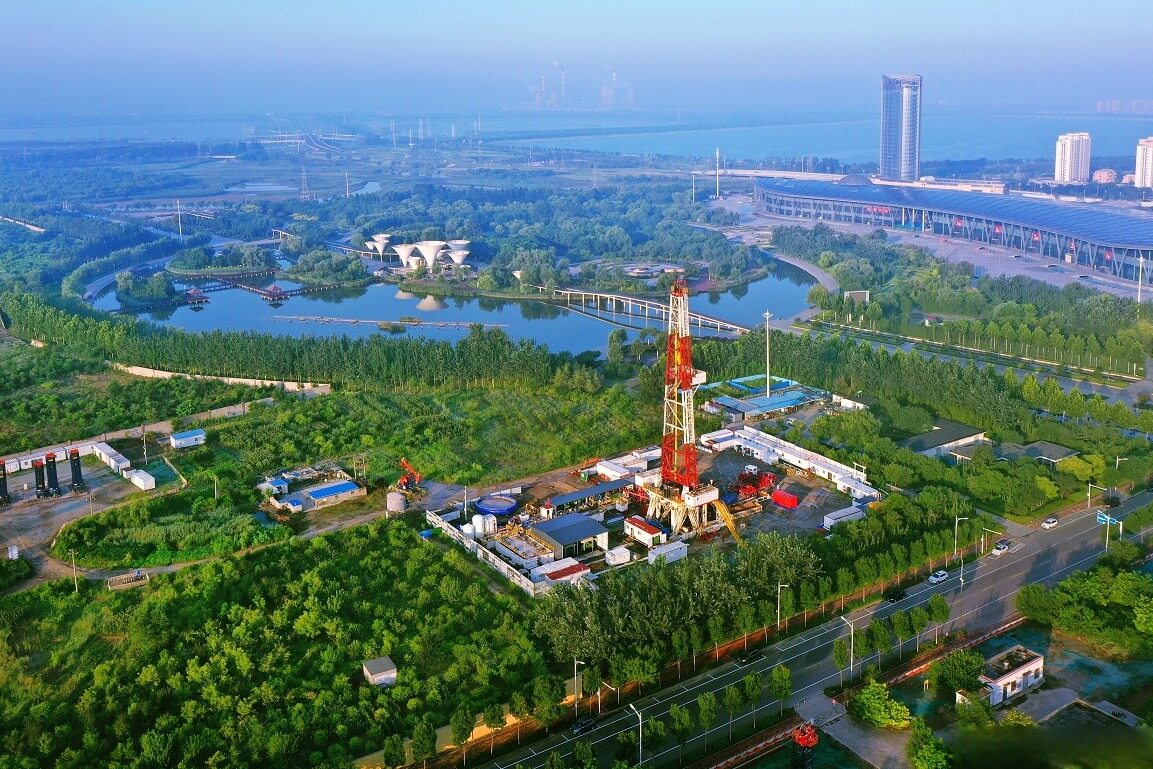
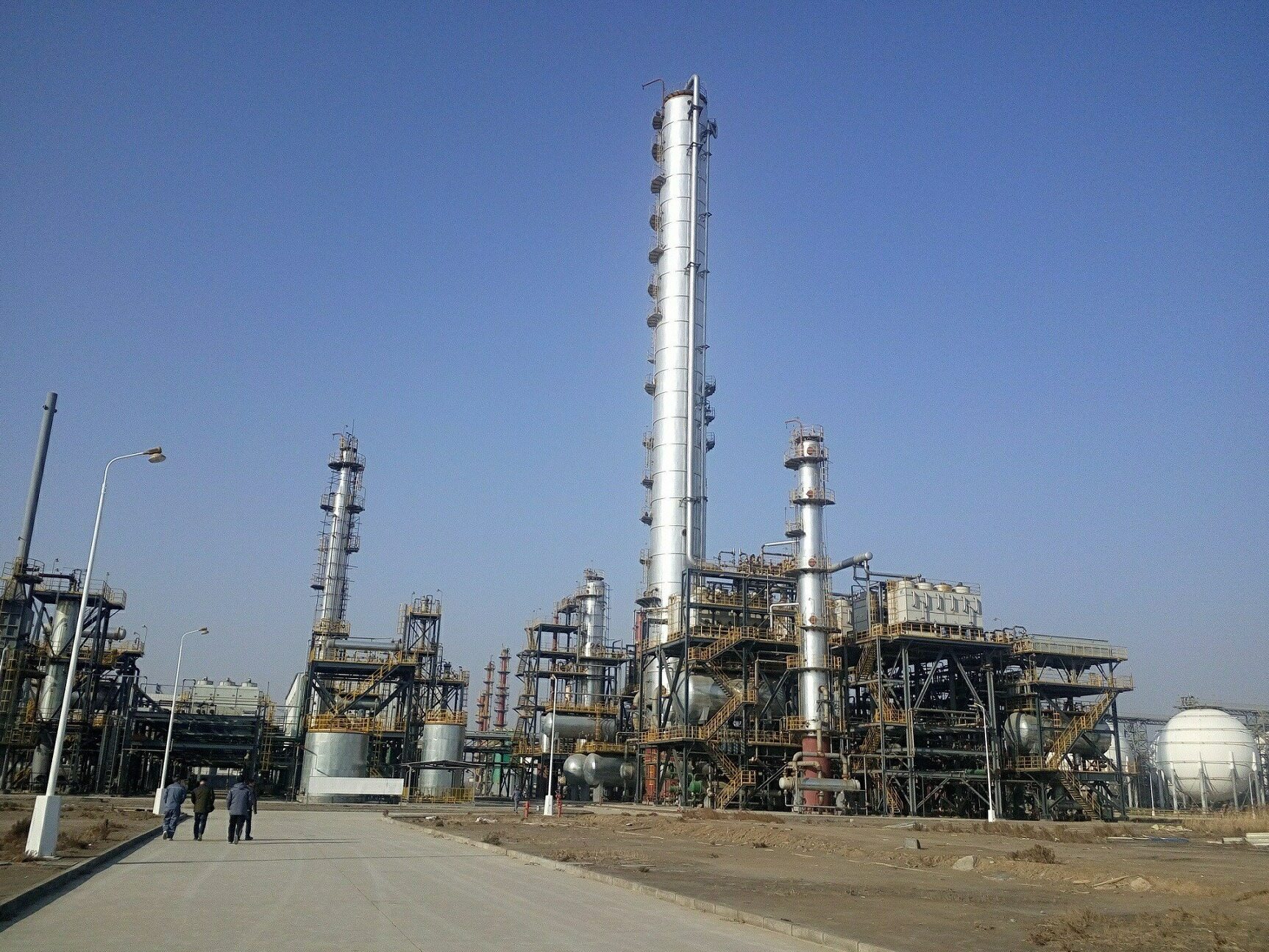
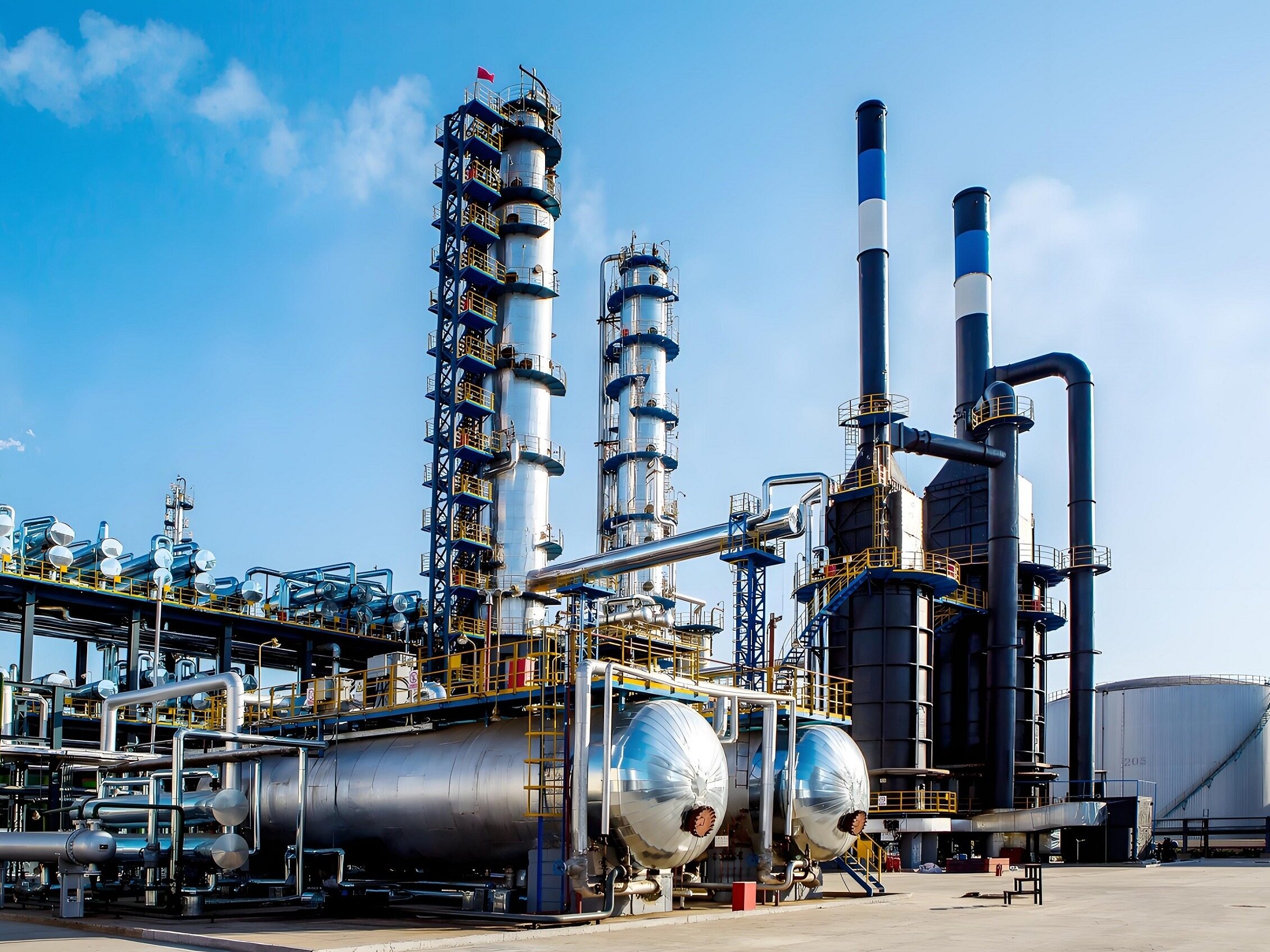
On the test bench of Shengli Oilfield, researchers are staring at the real-time operation curve of the low concentration flue gas capture device. On October 16, 2026, China's first million ton low concentration CCUS full chain demonstration project officially started construction here. The domestic carbon capture industry has crossed the comfort zone of high concentration gas sources and taken a key step towards the larger and more difficult coal-fired flue gas track.
From high concentration breakthrough to low concentration breakthrough
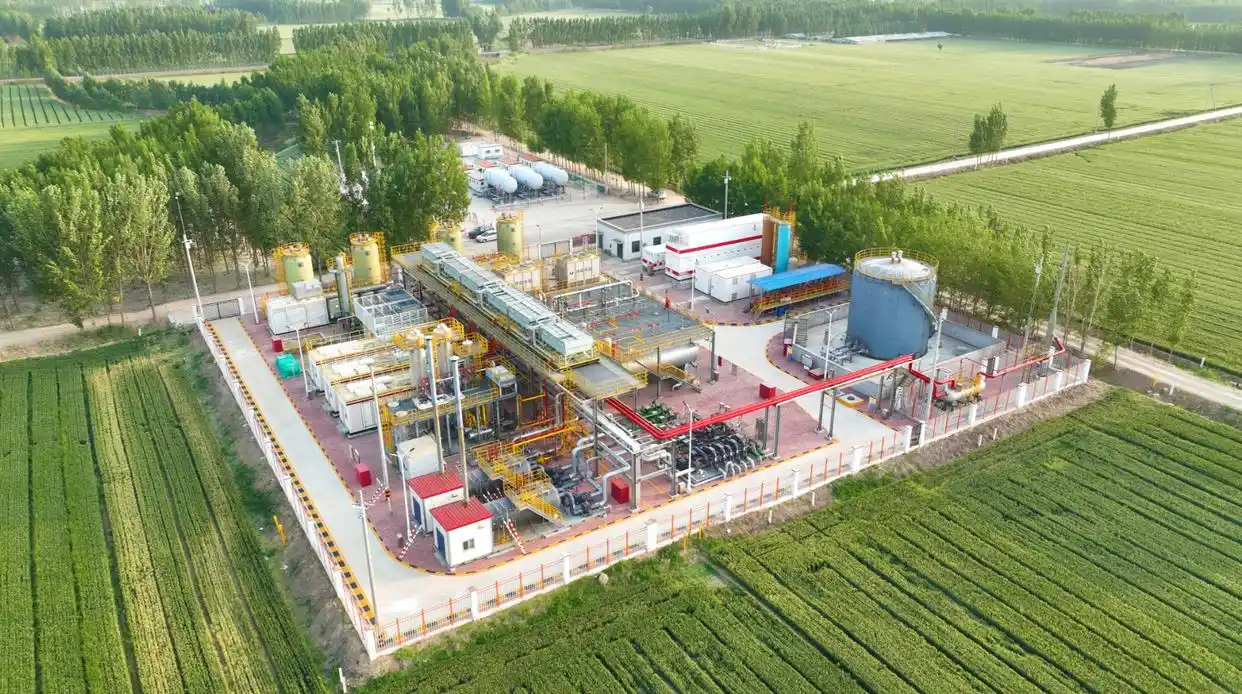
The million ton CCUS project of Qilu Petrochemical Shengli Oilfield, which was previously put into operation, mainly captures high concentration tail gas emissions from coal to hydrogen production units, with carbon dioxide accounting for more than 90%. Since its commissioning in August 2022, it has accumulated 1.4 billion standard cubic meters of carbon dioxide storage, increased crude oil recovery by more than 15 percentage points, and increased daily oil production in the demonstration zone from 220 tons to 525 tons, achieving a doubling of production. The first 100 kilometer level carbon dioxide long-distance pipeline in China, which has been built as a supporting facility, has been operating safely and stably for over 1100 days, forming a complete carbon emission reduction industry chain covering capture, transportation, injection, and storage.
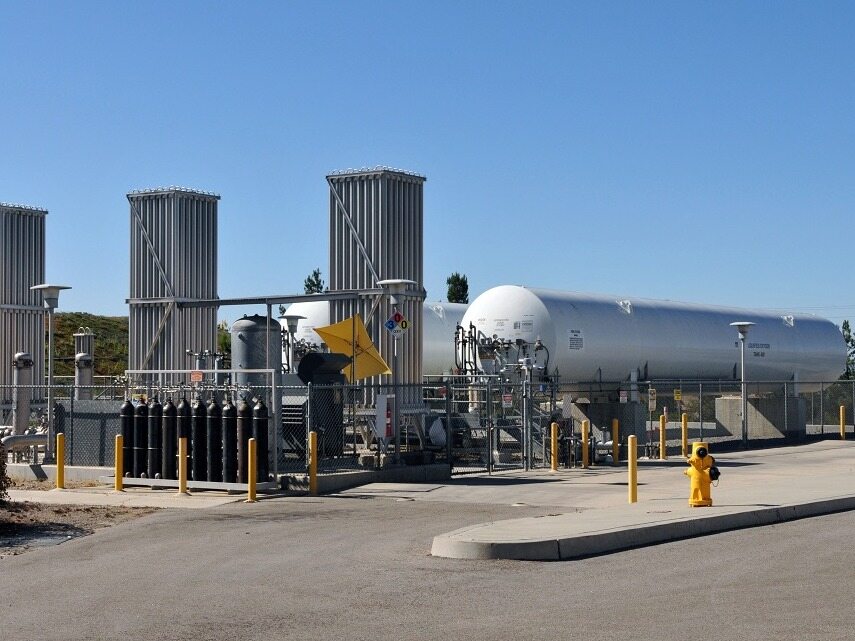
The research team of Shengli Oilfield has shifted their focus to low concentration coal-fired flue gas, which has a carbon dioxide concentration of only 12% to 15% and contains impurities such as sulfur and nitrogen oxides, making it much more difficult to capture than high concentration gas sources. Relying on independently developed new absorbents and energy-saving regeneration processes, the project ultimately achieved a capture rate of over 90%, product purity of over 99.5%, and a heat consumption of less than 2.0 gigajoules per ton of carbon dioxide capture. The overall technical indicators have reached the international leading level.
Green power direct connection creates a new low-carbon closed-loop system
The million ton low concentration CCUS demonstration project that started construction this time is planned to be completed and put into operation by the end of 2028. The captured carbon dioxide will be injected into the reservoir through more than 70 gas injection wells, which can fully cover different types of reservoirs such as beach sand reservoirs, turbidites, and shale oil, further expanding the application coverage of carbon flooding. The project is equipped with a synchronized source network load storage integrated system, with a planned total installed capacity of 98.8 MW for 13 wind turbines and an annual green power generation of 217 million kWh, all of which will be directly supplied to carbon capture devices.
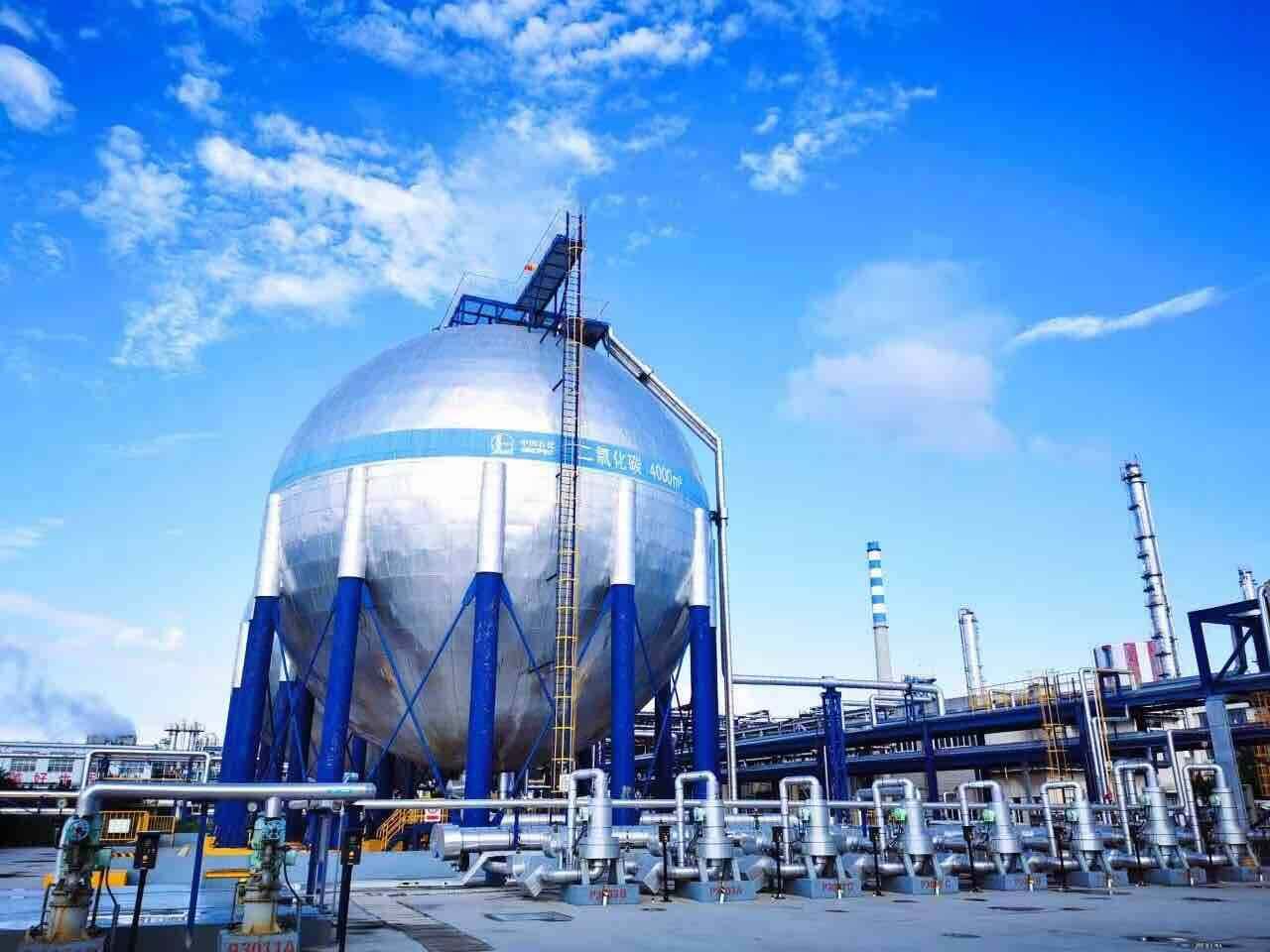
This green power direct connection low-carbon capture mode is still the first of its kind in China, completely avoiding the additional carbon emissions generated by the carbon capture process itself. After the completion of the project, Sinopec will simultaneously master the complete technical system of high concentration and low concentration carbon dioxide capture and utilization, and explore a replicable and promotable industrial path for deep decarbonization in industries such as power and petrochemicals. Keywords: petroleum, petrochemicals
The wind turbine blades in the distance slowly rotate, and green electricity is continuously fed into the carbon capture device through the direct connection line. The new landscape of green transformation in traditional oil fields is gradually being implemented with the progress of this demonstration project.Editor/Cheng Liting
Comment

 Praise
 Collect
 Comment

 Share
Share


Write something~