 Search


- Chinese intelligent agricultural machinery will be piloted in Brazil to promote the localization and implementation of technology

Recently, Embrapa, a Brazilian agricultural research company, signed a five-year memorandum of cooperation with Nanjing Agricultural University, Jiangsu Academy of Agricultural Sciences, China National Machinery Science and Technology Corporation, and the International Association for Civil Cooperation in Nanjing. The core of the agreement is to establish a China Pakistan Agricultural Artificial Intelligence Application Cooperation Center, conduct joint research, and build pilot projects for intelligent agricultural machinery in Brazil. From signing contracts in Nanjing to Brazilian farmland, China's intelligent agricultural machinery is about to enter a real production environment for testing, and China Pakistan agricultural cooperation is moving from soybean and beef trade to technology joint development.
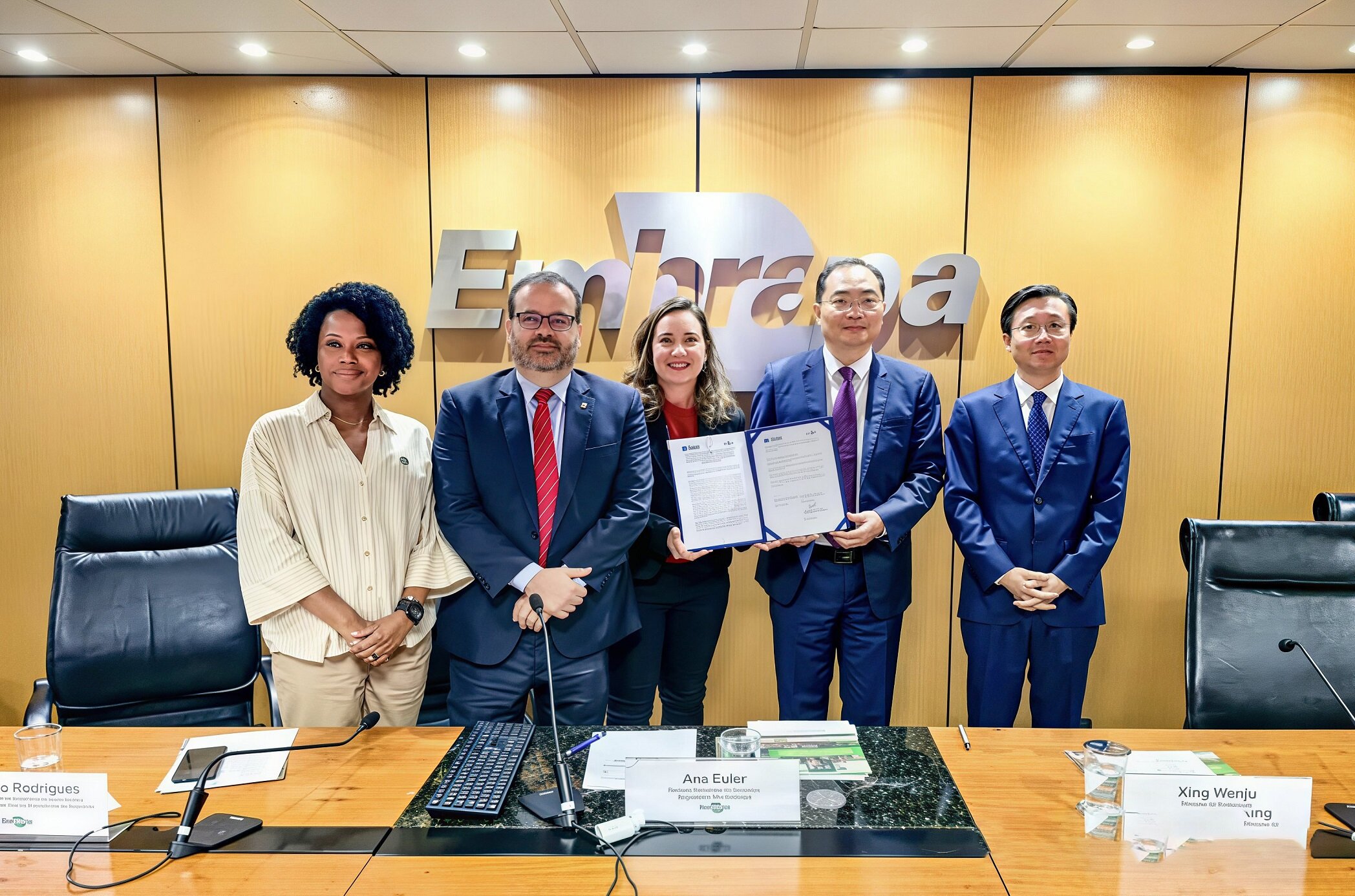
Five year cooperation landing on Brazilian farmland
This agreement establishes a five-year collaboration mechanism, connecting Chinese universities, research institutions, and technology companies through Embrapa to jointly organize research and development, testing, and talent exchange. According to the plan, both parties will establish intelligent agricultural machinery service and demonstration centers in Brazilian family farming communities, and pilot projects may introduce small and medium-sized tractors, intelligent farming tools, crop monitoring robots, sensors, and agricultural digital management platforms for production scenarios such as fruits, vegetables, corn, rice, and soybeans. The agreement also arranges for researchers, technicians, and graduate students to exchange ideas, conduct training, technical visits, courses, and seminars to help local personnel master equipment operation, data analysis, and daily maintenance.
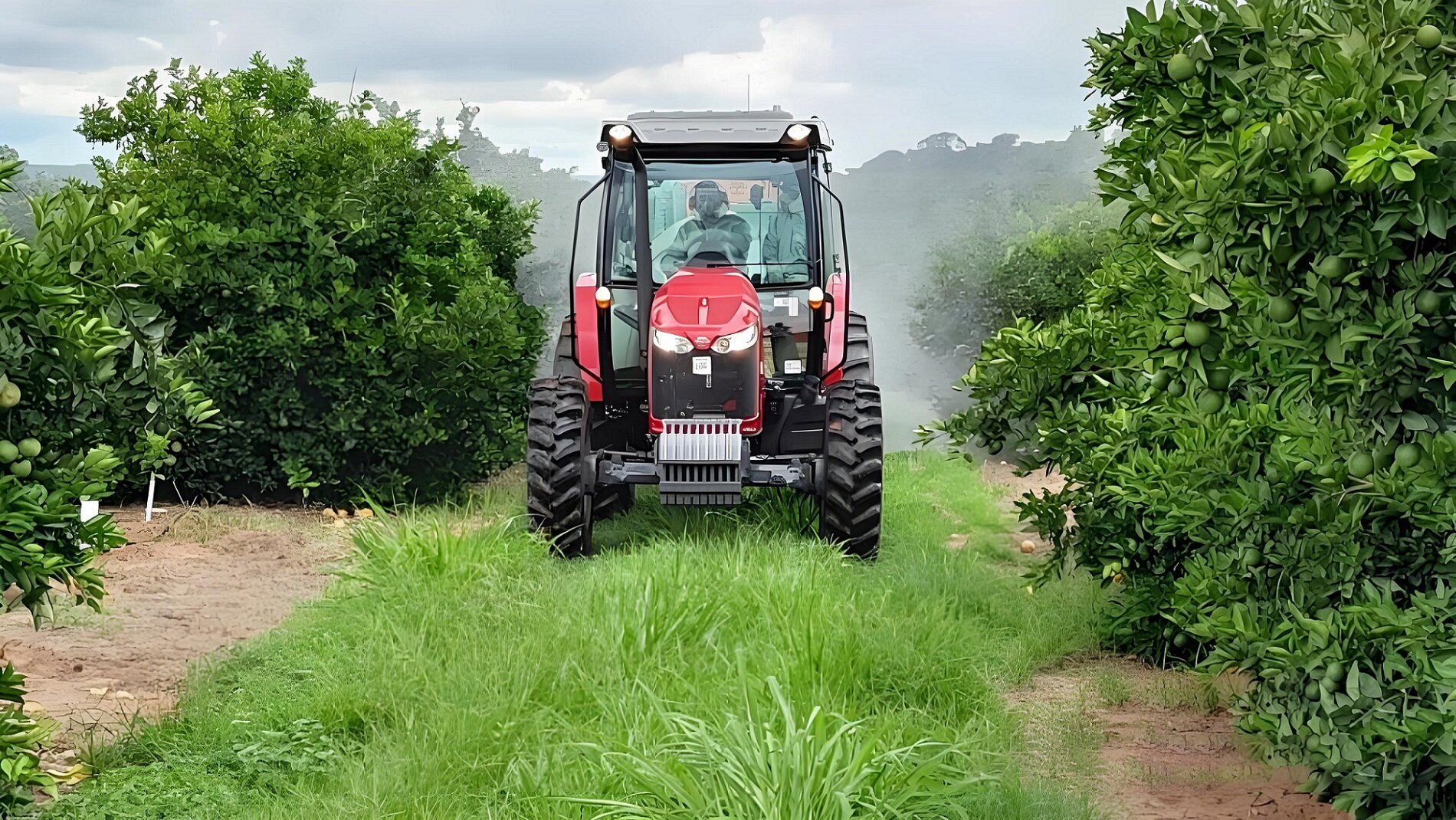
Family agriculture becomes a breakthrough point
Brazilian agriculture is renowned for its large-scale farms and commodities, and family farming also has a huge market foundation. According to the Agricultural Census data from the Brazilian National Institute of Geography and Statistics, there are approximately 3.897 million family owned agricultural units in Brazil, accounting for 77% of the total number of agricultural units in the country, and employing about 10.1 million people, accounting for 67% of the agricultural employment population. This group produces a large amount of locally consumed food such as fruits, vegetables, coffee, cassava, beans, milk, etc. Family farms generally have small areas and a variety of planting categories, with a stronger demand for lightweight, multi-purpose, and easy-to-use equipment. China has a relatively complete agricultural machinery manufacturing and electronics industry chain, which can provide a variety of small tractors, sowing equipment, plant protection equipment, orchard machinery, sensors, and agricultural unmanned tools. Through Embracea's scientific research capabilities and pilot scenarios in Brazil, these technologies can quickly find suitable application methods for local production. Keywords: the Belt and Road news, connectivity, international, AI

Chinese Enterprises Welcome Localization Window
Embrapa has a long-term accumulation in tropical agriculture, crop breeding, soil management, and digital agriculture, and Brazil's rich agricultural types provide diverse scenarios for smart device testing. The capabilities brought by Chinese partners are concentrated in intelligent manufacturing, automation, artificial intelligence, and digital platforms. The cooperation path between the two parties is clear: China provides equipment, algorithms, and intelligent manufacturing capabilities, Brazil provides tropical agricultural knowledge, production data, and experimental scenarios, and the cooperative undertakes equipment operation and technology promotion. For Chinese companies interested in entering the Brazilian market, small and medium-sized agricultural machinery enterprises, agricultural digitalization enterprises, localized service enterprises, and project operators may all be the first to obtain opportunities. The product needs to adapt to the soil conditions, planting spacing, and fuel supply in different regions of Brazil. The software should support Portuguese, the agricultural model needs to be retrained, and the sensor data should be adapted to the crop growth cycle in Brazil. The future focus of competition will cover equipment performance, Portuguese language software, parts supply, after-sales maintenance, operation training, and continuous operation capabilities. Whoever can complete technology localization first and establish a stable service network will have a better opportunity to enter the first batch of supply systems for digital upgrading of Brazilian family agriculture.Editor/Gao Xue
Comment





 Praise
 Collect
 Comment

 Share


Write something~