 Search


- The driving effect of infrastructure investment is released, and there are bottlenecks in cross regional material circulation
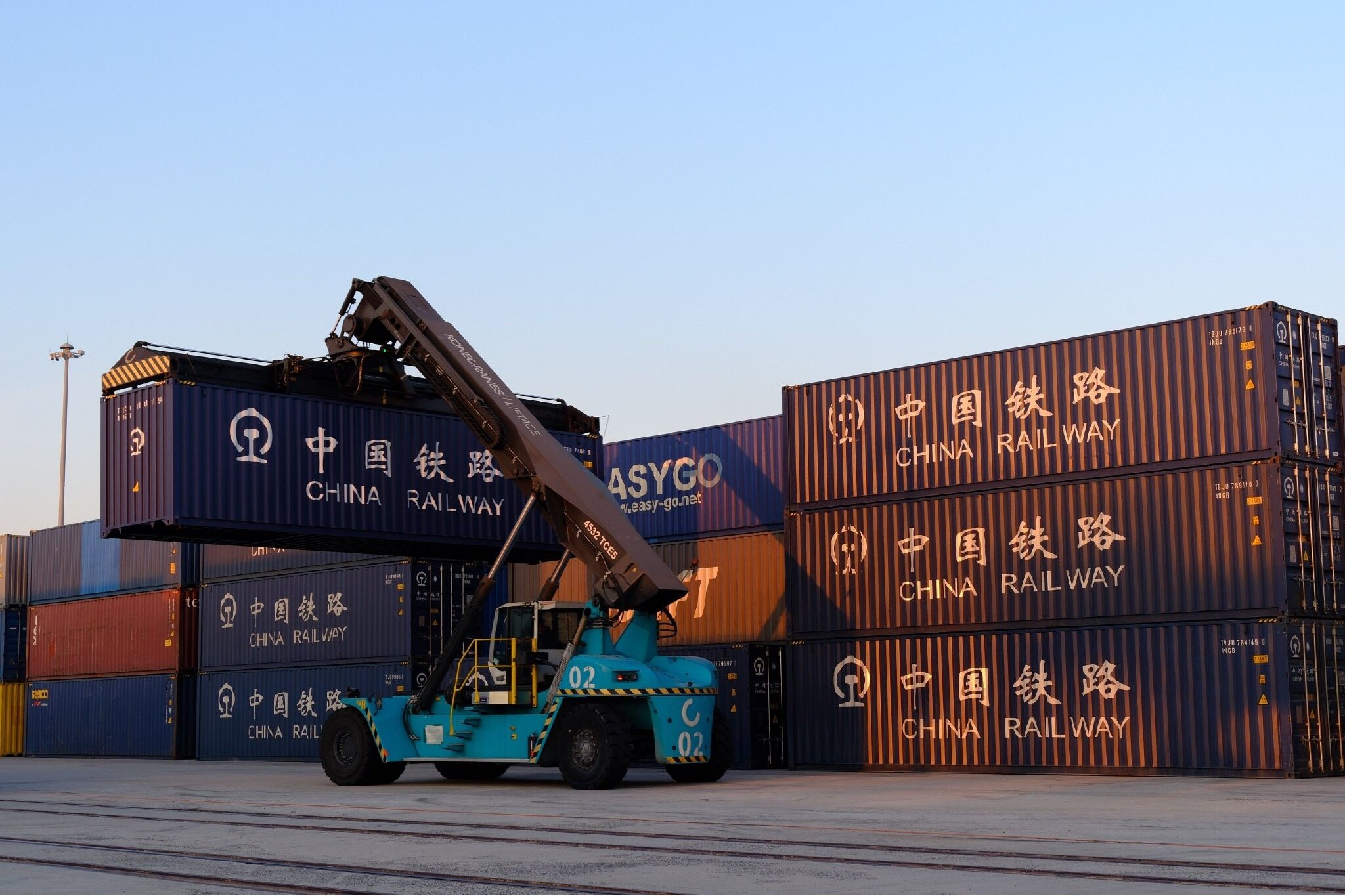
The freight trains in the Hexi Corridor are rushing westward in the autumn wind. In the first three quarters of 2026, the national railway freight volume reached a historic high, with 3.941 billion tons of goods efficiently circulating along the steel artery, ensuring safe and orderly transportation throughout the entire process, and laying a solid logistics support for the smooth operation of the national economy.
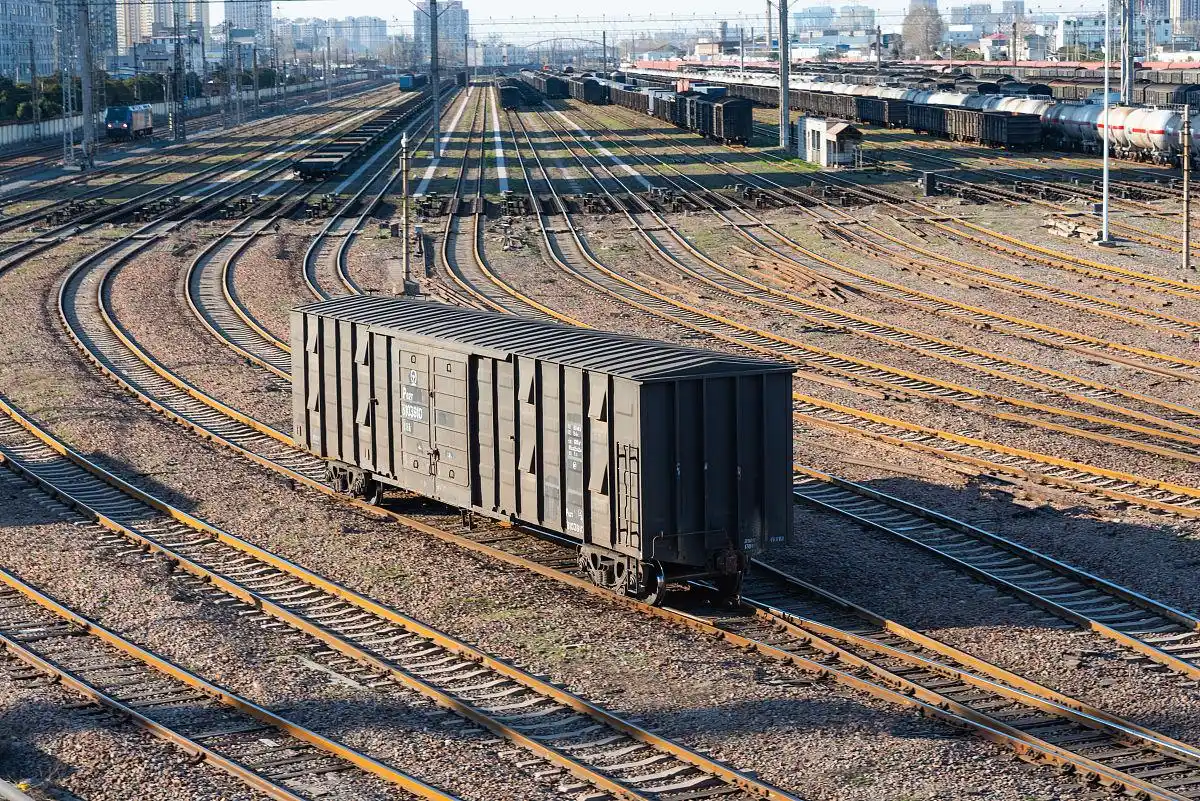
Continuous upgrading of key material transportation support capabilities
In the first three quarters of 2026, the national railway completed a freight volume of 3.941 billion tons, a year-on-year increase of 0.8%, and a freight turnover of 2852.782 billion ton kilometers, a year-on-year increase of 5.7%. In September, the monthly freight volume was 449 million tons, a year-on-year increase of 0.8%, and the freight turnover was 327.821 billion ton kilometers, a year-on-year increase of 5.5%. Against the backdrop of sustained strong passenger demand, railway freight has always maintained a steady and progressive operating rhythm.
According to category specific transportation data, in the first three quarters of the year, China's railways shipped 2.05 billion tons of coal, 848 million tons of containers, and 40.18 million tons of fertilizers and pesticides, representing year-on-year growth of 0.3%, 9.1%, and 12.0%, respectively. Among them, the growth rate of fertilizer and pesticide transportation leads all categories, effectively ensuring the supply of materials for autumn and winter agricultural production. The continuous high increase in container transportation also marks the deepening of the structural upgrading of railway freight transportation, and the further improvement of the efficiency of multimodal transportation connection.
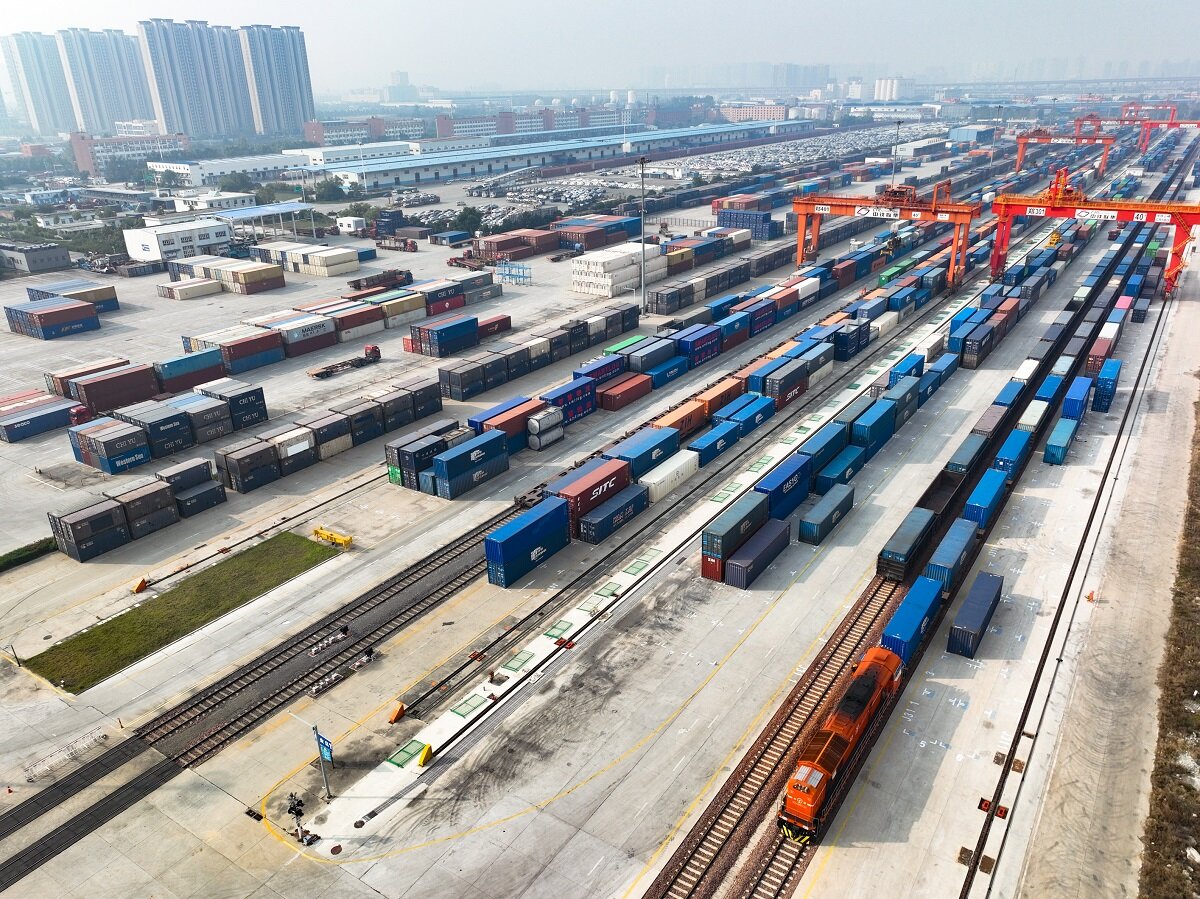
The core data of multimodal transportation shows a high growth curve
From January to August 2026, the national railway and public transportation volume will reach 320 million tons, a significant increase of 65.5% year-on-year, making it the fastest-growing sub sector in the multimodal transportation system. The last mile bottleneck between railway and public transportation will continue to be cleared, and the overall logistics cost will decrease by nearly 20% compared to traditional segmented transportation modes. As of October 6, 2026, the container transportation volume of the Western Land Sea New Corridor's rail sea intermodal trains has exceeded 1 million TEUs, and the types of goods transported by trains have expanded to over 1300. The proportion of ASEAN import and export goods continues to increase, and the goods radiate to more than 70 cities in 18 provinces in China, covering 593 ports in 128 countries and regions internationally.
In the first three quarters of 2026, the national railway fixed assets investment completed 601.2 billion yuan, an increase of 1.3% year on year, and continued to maintain a stable pace of investment. The construction of new lines and multimodal transport hubs were promoted simultaneously, further improving the coverage depth of the national railway freight network and the ability to connect intermodal transport. The stable investment in railway infrastructure has effectively played a driving role in the overall investment of society. The freight trunk lines in the central and western regions continue to be strengthened, and the bottleneck of cross regional material circulation is gradually being cleared. Relying on the continuously upgraded road network system, the backbone role of railway freight transportation in the entire social logistics system is further highlighted, providing a stable and reliable transportation chassis for energy supply, industrial circulation, and agricultural production. Keywords: passenger and freight transportation, railway freight transportation
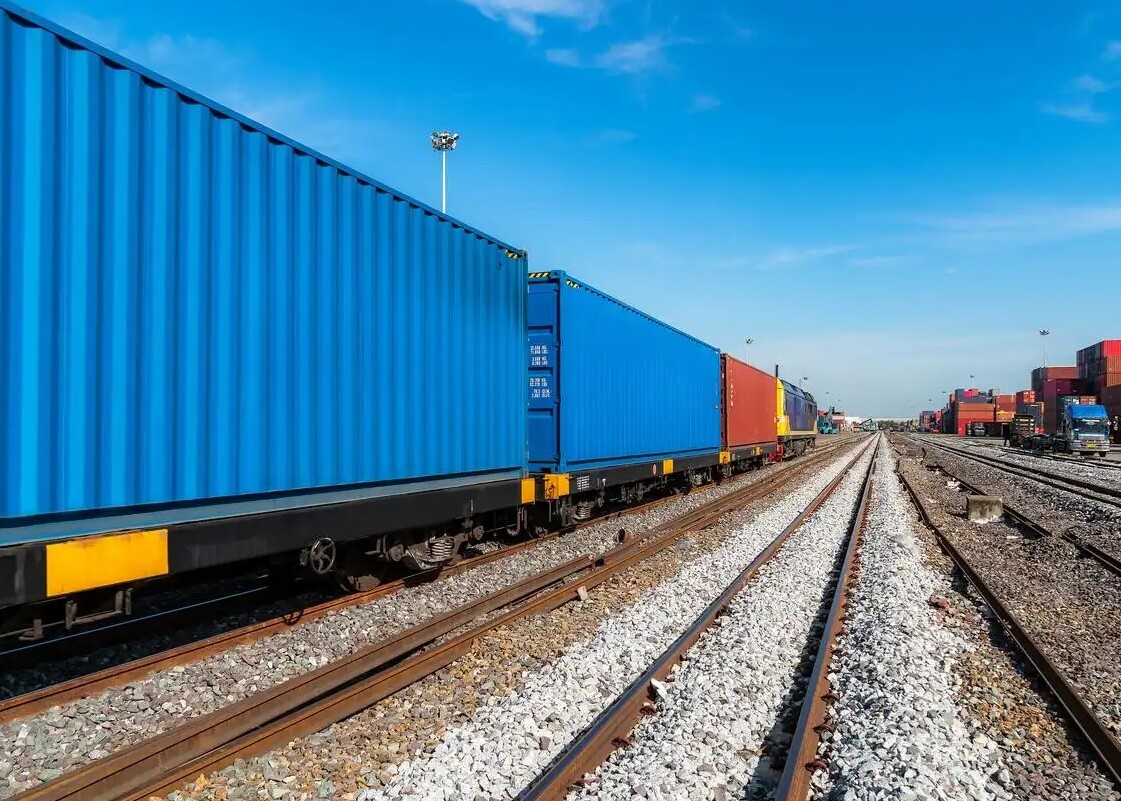
When the late autumn wind brushes over the heavy-duty platforms along the Shuohuang Railway, the trains loaded with Wujin are steadily heading towards the coastal ports. The railway freight transportation in 2026 has already surpassed the traditional single positioning of freight transportation. It is no longer just a steel track connecting the starting and ending points, but also an invisible economic artery that supports energy supply, agricultural production, and foreign trade circulation. In every unknown night and dawn, with continuous and stable transportation output, it supports the normal operation of millions of industrial scenarios.Editor/Cheng Liting
Comment





 Praise
 Collect
 Comment

 Share


Write something~