 Search


- Trial operation of Brazil's photovoltaic storage project at the same site, opening the energy storage window
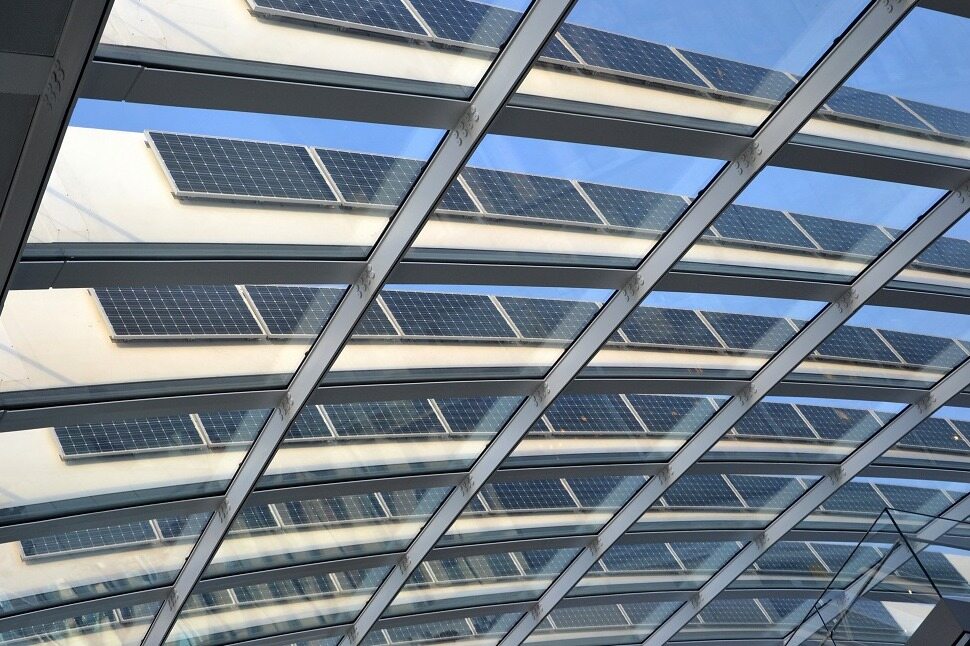
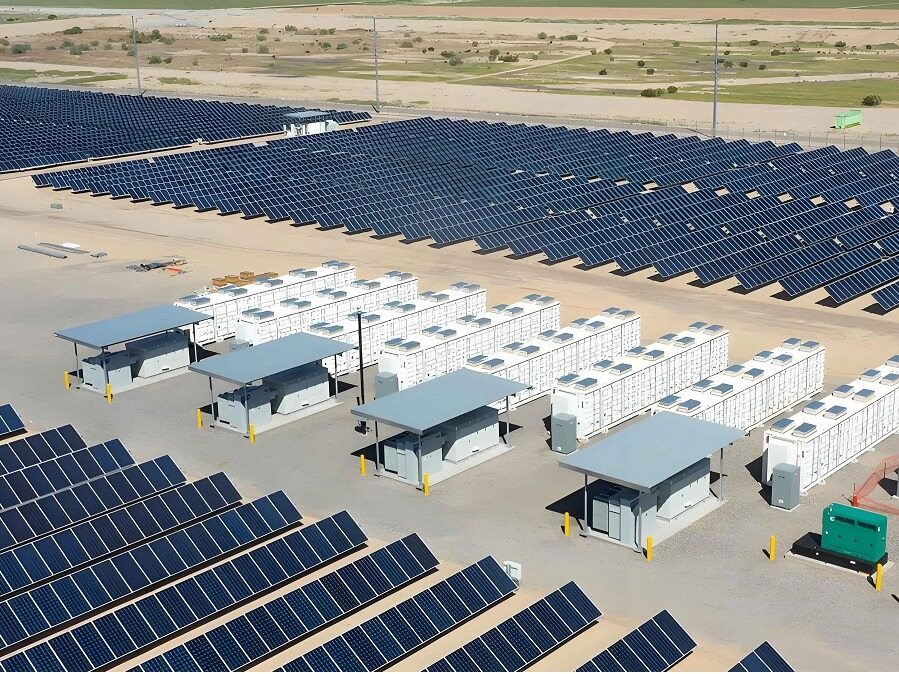
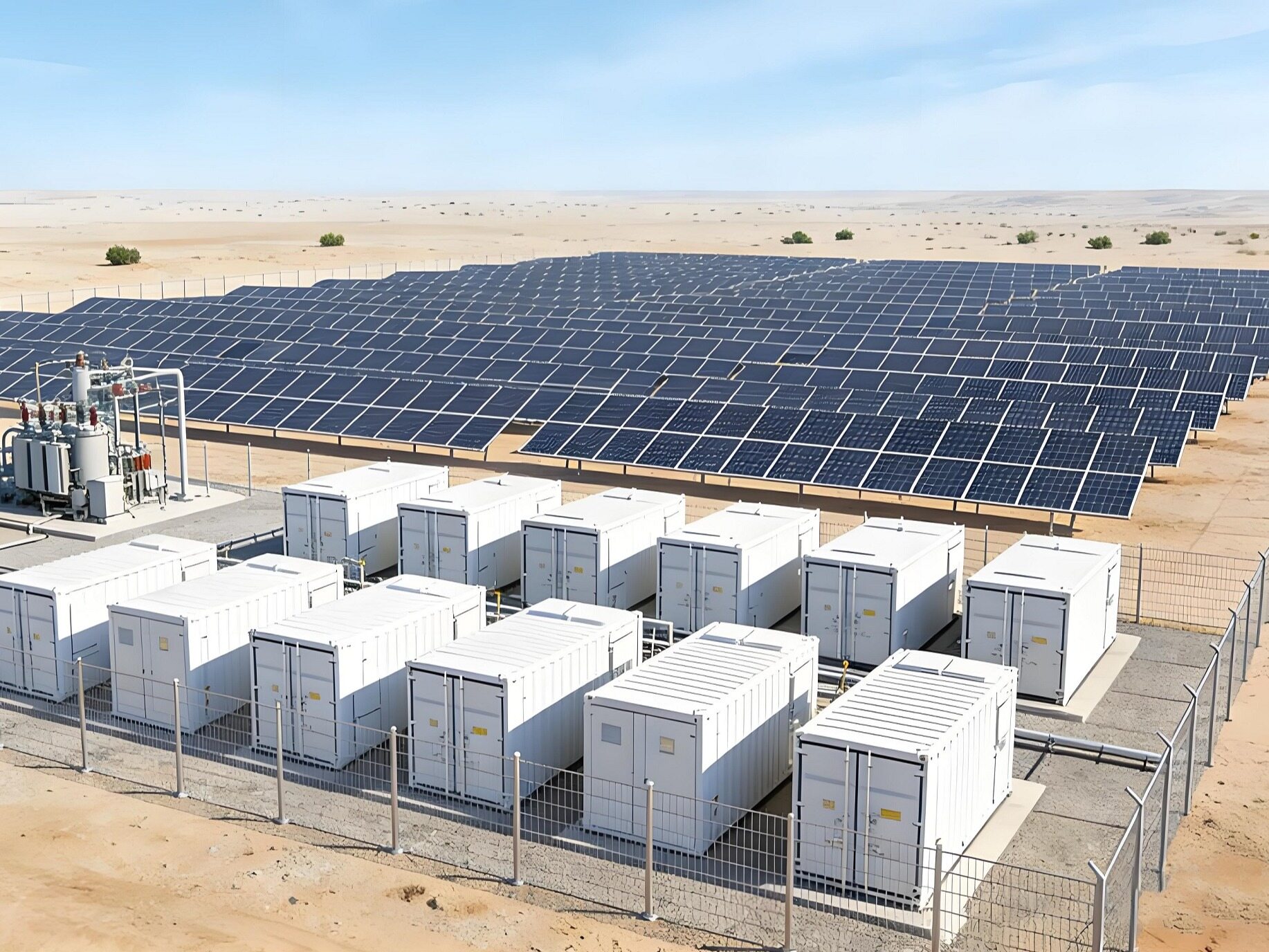
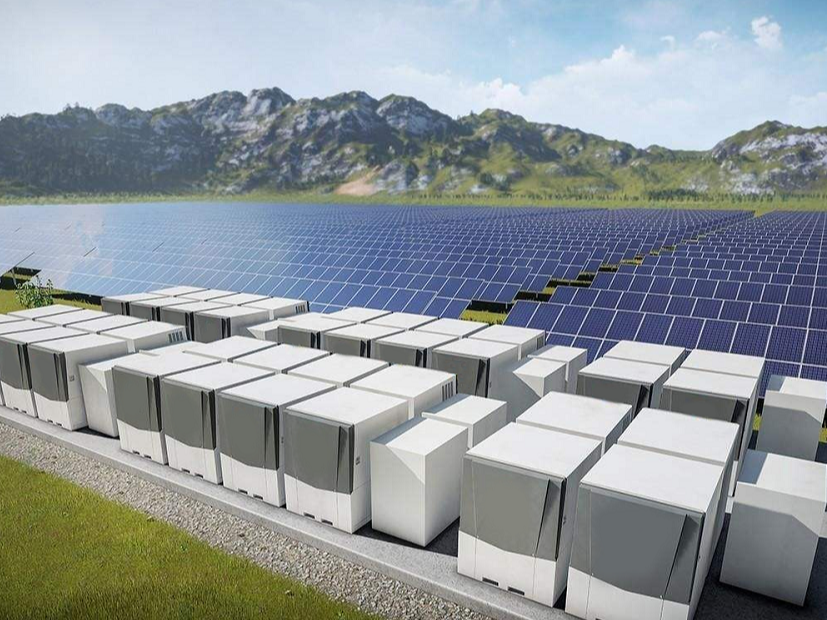
Under the scorching sun in Bahia state, a battery system quietly sits in place at the Sol de Brotas photovoltaic power station. A power of 1.25 megawatts may seem insignificant, but it has obtained Brazil's first permit for co location operation of solar energy storage, opening the door to a market experiment on new energy distribution and storage.
Small project amplification signal
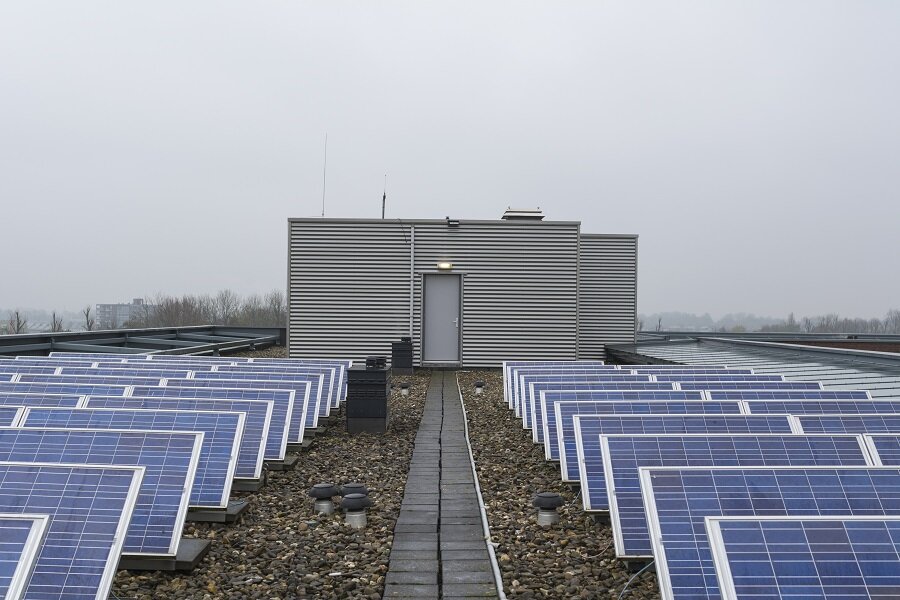
In October 2026, the Brazilian National Electricity Authority ANEEL approved Statkraft's battery energy storage system to enter testing operation in Bahia state. The system is installed in the Sol de Brotas 7 photovoltaic power station, with a power of 1.25 megawatts, and is part of the Santa Eug ê nia integrated energy base. The photovoltaic installed capacity of the base is about 163 megawatts, and the wind power installed capacity is about 519 megawatts, both of which share some grid connected facilities. The newly put into operation battery system will be used to test different operating modes and study the issue of storing and discharging electricity at appropriate times. The traditional power system has clear boundaries for power generation, transmission, and use, while energy storage can be used for both charging and discharging, serving as both an electrical appliance and a power source, undertaking peak shaving and backup tasks, and participating in market transactions. ANEEL's authorization has provided Brazil's energy industry with an observable and verifiable case of solar energy storage operating at the same site for the first time. The energy storage industry has entered the stage of project implementation, with corresponding increases in equipment supply, system assembly, engineering construction, software control, and long-term operational demand.
Why does Brazil urgently need to replenish energy storage
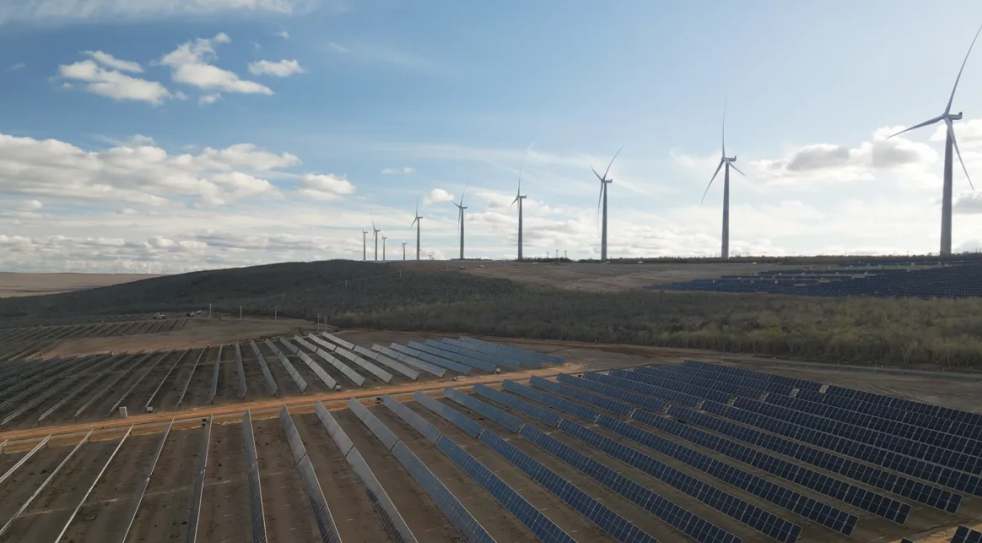
Brazil has abundant solar and wind energy resources, particularly prominent in the northeast. The rapid growth of photovoltaic and wind power has also brought challenges to the power system. Photovoltaics mainly generate electricity during the day, but the peak electricity consumption often occurs in the evening. The wind also depends on the weather, and the power grid needs more resources that can respond quickly. The transmission capacity is also limited, and a large amount of green electricity needs to be transmitted through transmission lines. Once congested, power stations are required to reduce their output. To fill the gap, Brazil will hold two energy storage capacity auctions in December 2026, one of which will have localized conditions. The proposed project power should not be less than 30 megawatts, and the continuous discharge should be more than 4 hours. The contract period is 15 years, and it is expected to be fulfilled from 2028. The government locks in long-term returns through long-term contracts, dispelling investment concerns, and trades the market for industries to drive the development of local supply chains. Keywords: Brazil energy storage, photovoltaic storage at the same location, localization
Localization determines how far to go
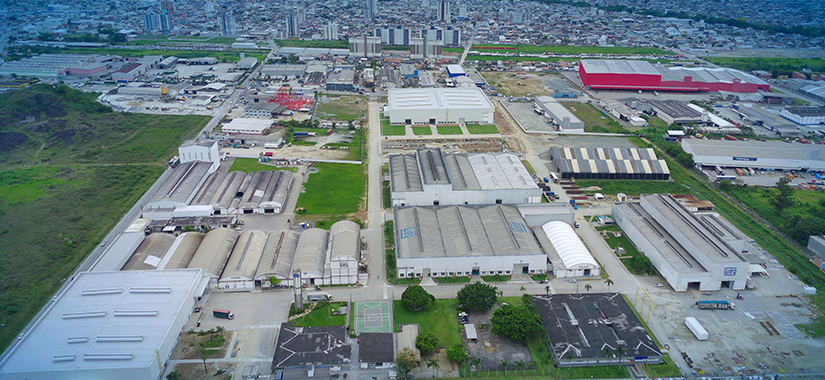
Chinese enterprises have mature supply chains in the fields of battery cells, energy storage cabinets, inverters, and system integration, with strong cost control and delivery capabilities. In the reserve list of energy storage suppliers released by BNDES, companies such as BYD, Guoxuan High Tech, TBEA, and Tianhe Energy Storage have already laid out their presence in the Brazilian energy storage industry chain to prepare for localization. Brazil requires localization to carry out substantive production activities within the country, including system integration, mechanical and electrical assembly, functional inspection, and quality control. Simply importing complete machines and then installing them on the foundation does not comply with the rules. Energy storage can be divided into DC side, AC side, and control system, and production routes can be designed according to project scale and local supply chain. Portuguese language technical support, on-site debugging, fault response, spare parts storage, and after-sales maintenance are all included in the supplier evaluation. Transitioning from selling equipment to delivering long-term usable energy storage capacity is the key for Chinese companies to enhance their differentiation advantages. The market competition has extended to aspects such as capacity maintenance, fault recovery, sufficient spare parts, and software scheduling matching for a 15 year contract period. Enterprises should conduct research and certification, localize production, tax system, and after-sales network as early as possible, as the market leaves little time for enterprises to prepare.Editor/Min Jing
Comment

 Praise
 Collect
 Comment

 Share


Write something~