 Search


- Adhere to a diversified energy strategy and develop clean energy and oil and gas industries simultaneously
- Adjustment of the proportion of new energy targets, Mexico steadily promotes energy transformation layout
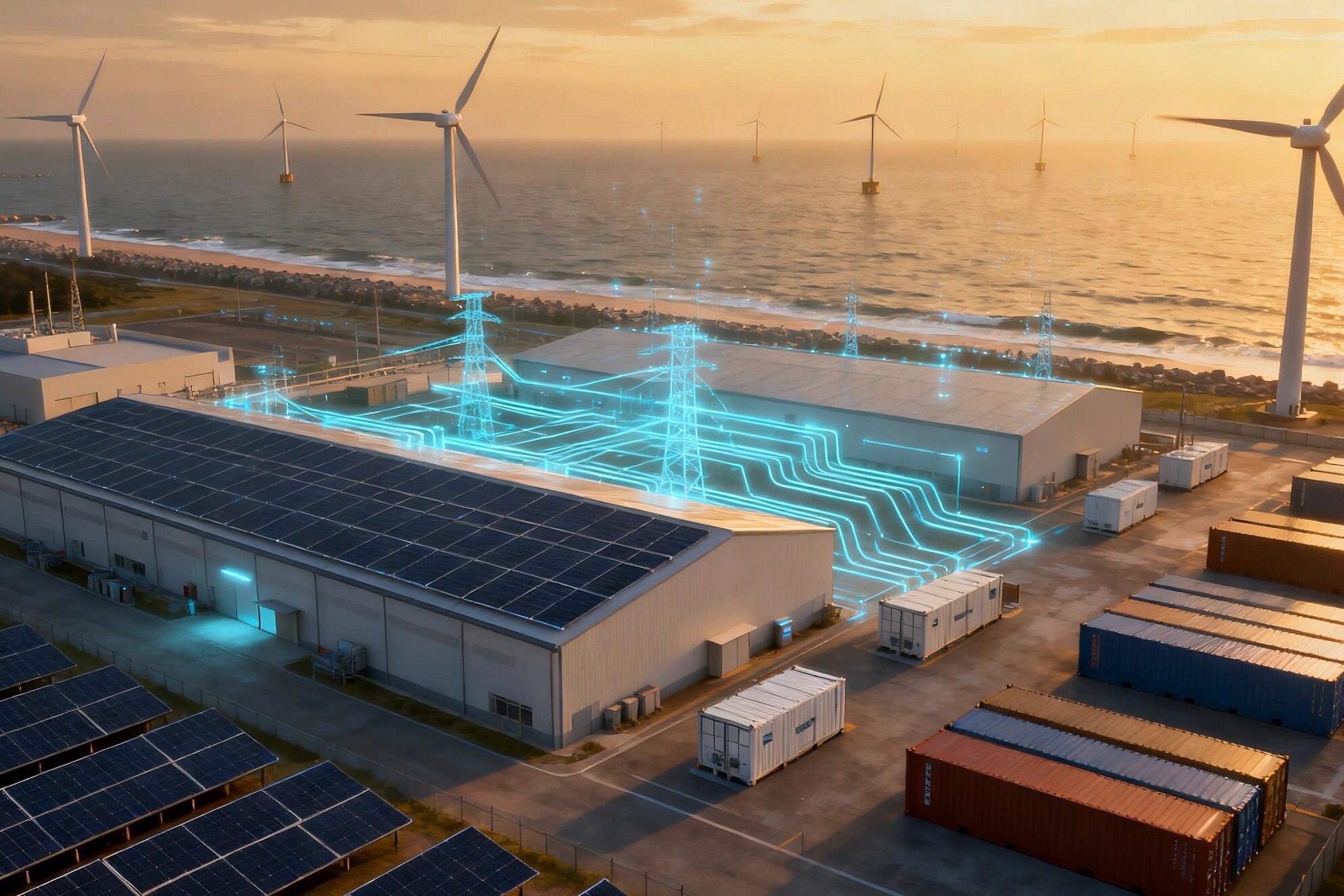
The scorching sun of the Yucatan Peninsula and the sea breeze of Baja California hold the secret to Mexico's energy transition. When state-owned power giants open their arms to private capital for the first time, a balancing act involving photovoltaic panels and transmission lines, clean energy and oil and gas supply is unfolding on this land.
Proposed expansion of new energy projects
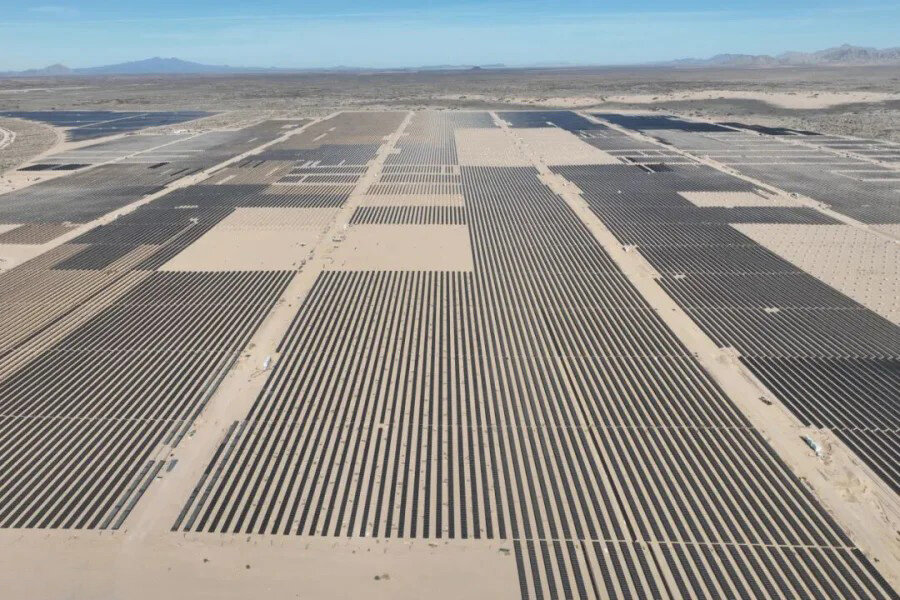
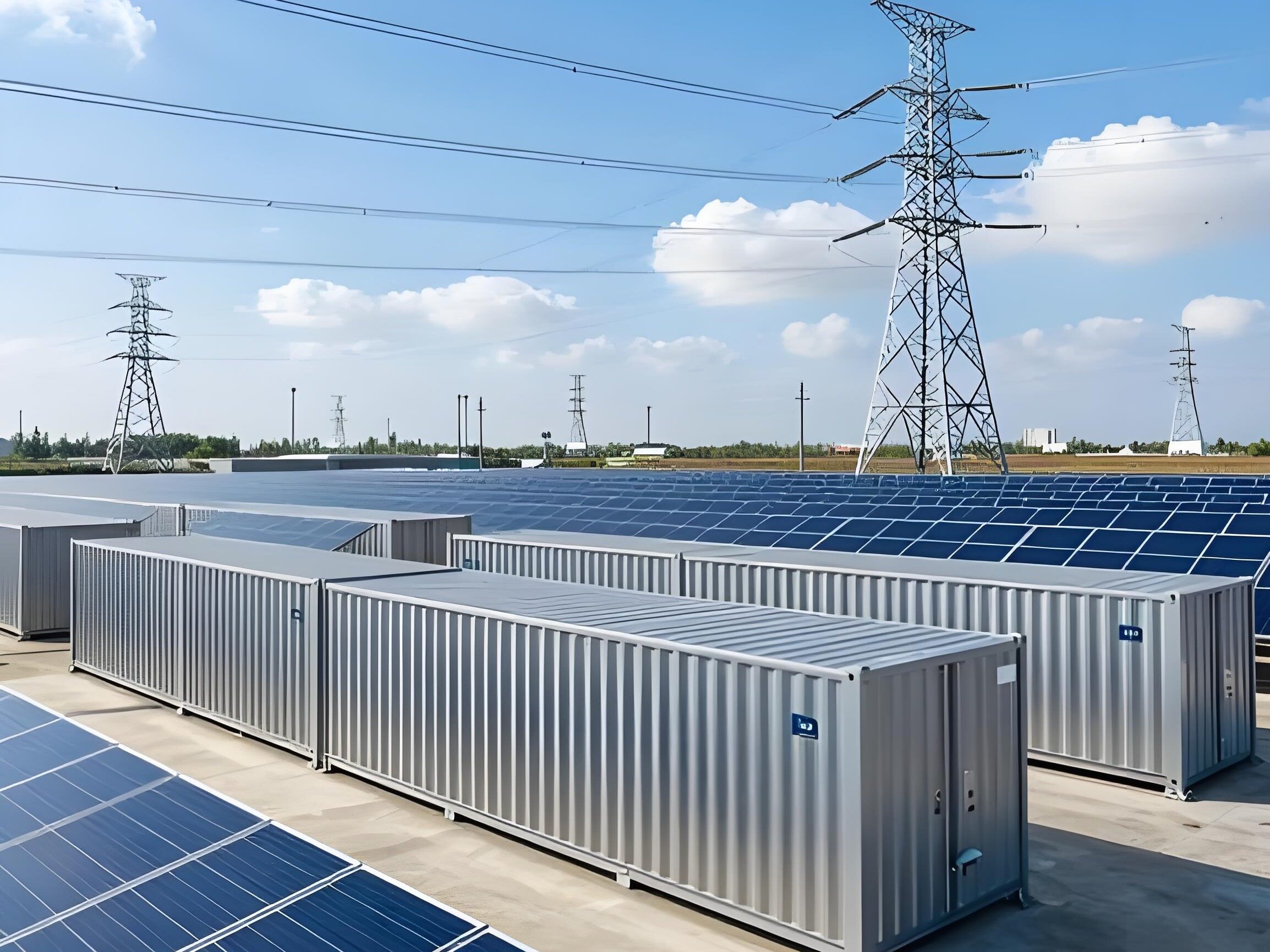
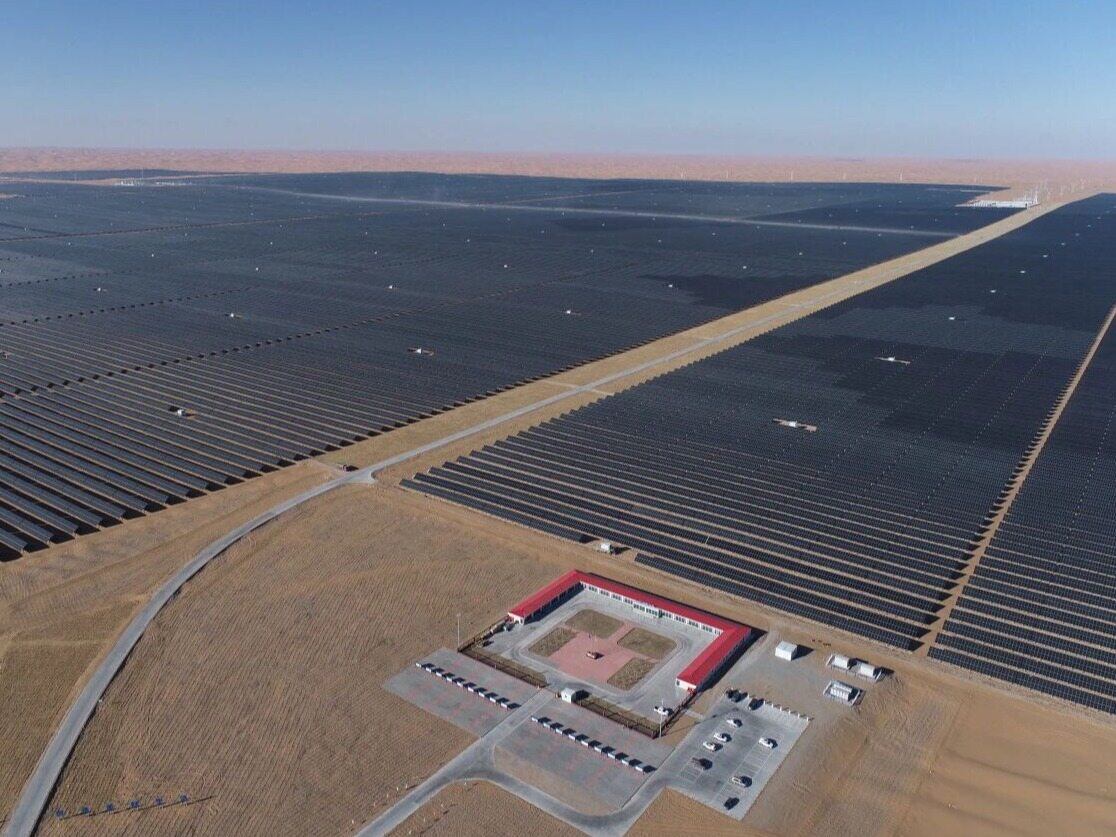
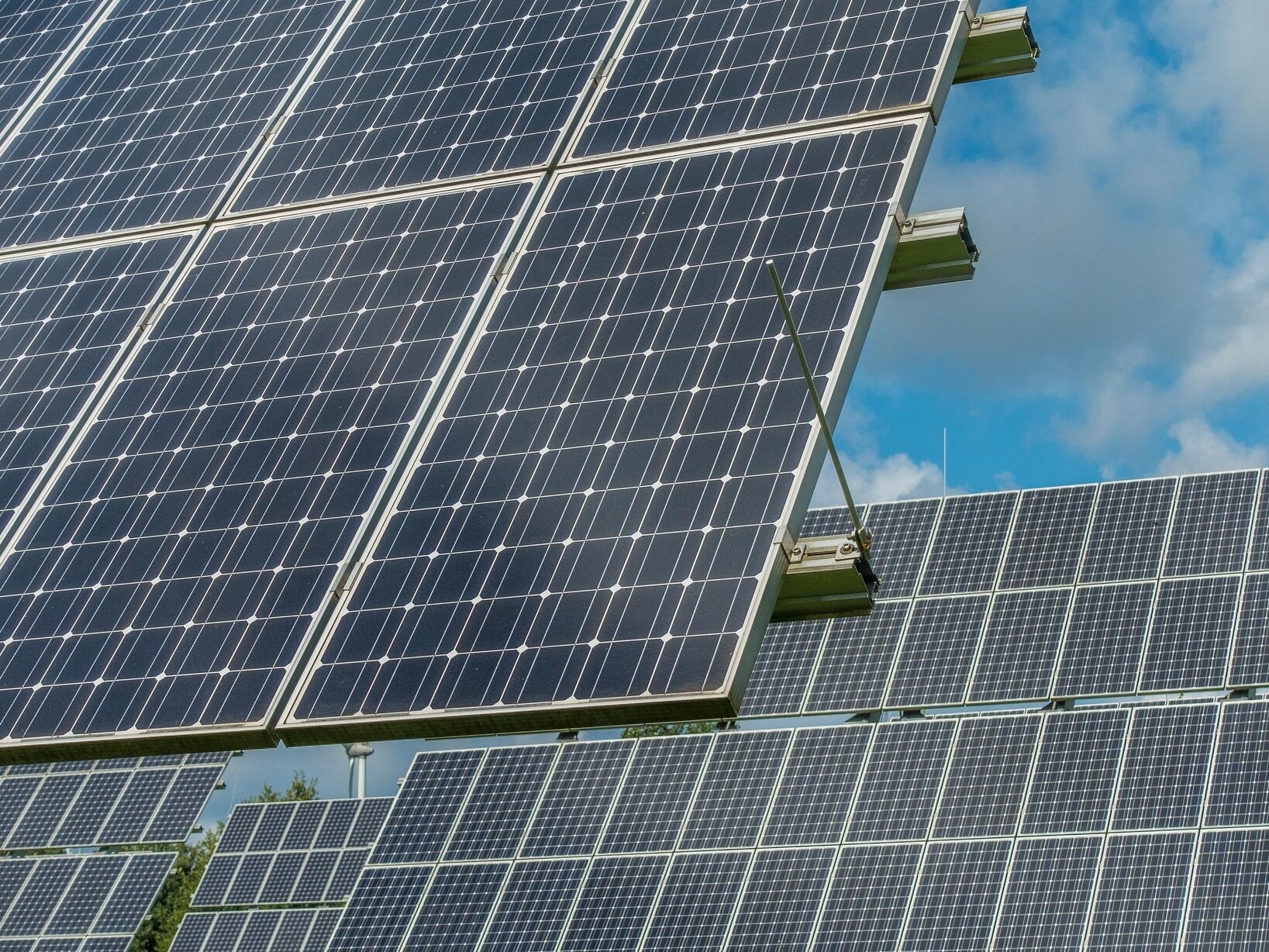
The Mexican state-owned power company plans to approve up to 60 alternative energy projects, mainly photovoltaic projects, with an expected increase of 8.2 gigawatts of installed capacity and a total investment of up to 12.5 billion US dollars. According to informed sources, the final number of approved projects may be less than 60. This batch of projects serves the target of adding 32 gigawatts of installed capacity by 2030 set by Mexican President Simbaum. The original proportion of alternative energy was 70%, but it has now been reduced to about 30%. Xin Baomu has repeatedly stated that he will promote energy transformation and increase the proportion of renewable energy consumption.
Multi party participation in energy development
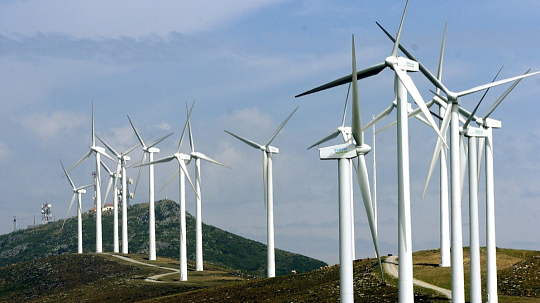
Mexico has abundant reserves of scenic resources, but the level of development is relatively low. Currently, a large number of new energy projects are in the stage of reserve promotion, with sufficient reserves of photovoltaic and wind power projects, and the Federal Power Commission participating in 70% of the reserve projects. The policy opens up the space for private enterprises to participate, stipulating that state-owned power enterprises must bear a minimum of 54% of the power generation capacity, and the remaining share is open to social capital. Private enterprises plan to invest $4.75 billion to implement 20 alternative energy projects, with an additional installed capacity of 3.32 gigawatts.
Diversified Layout Balancing Challenges
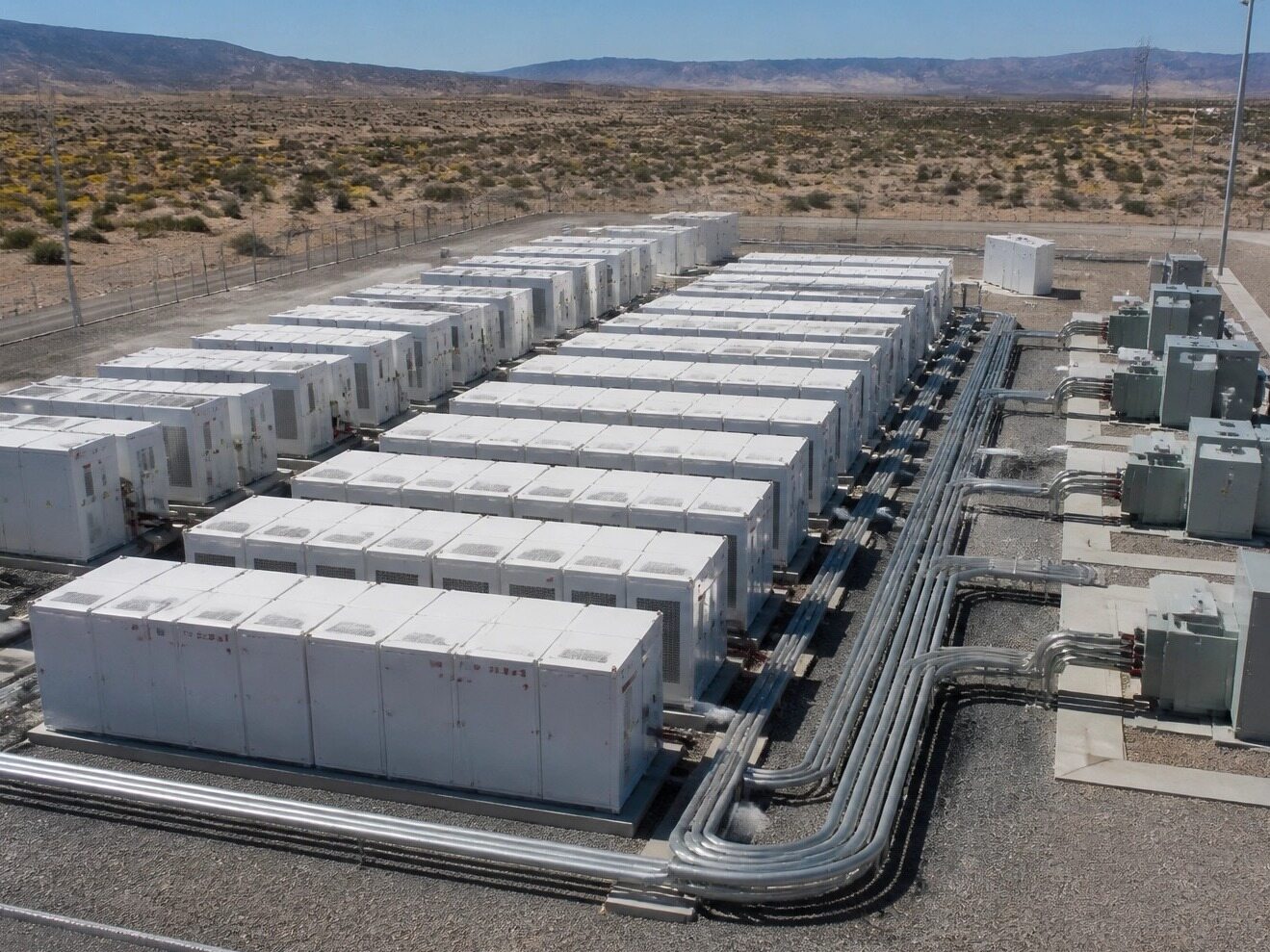
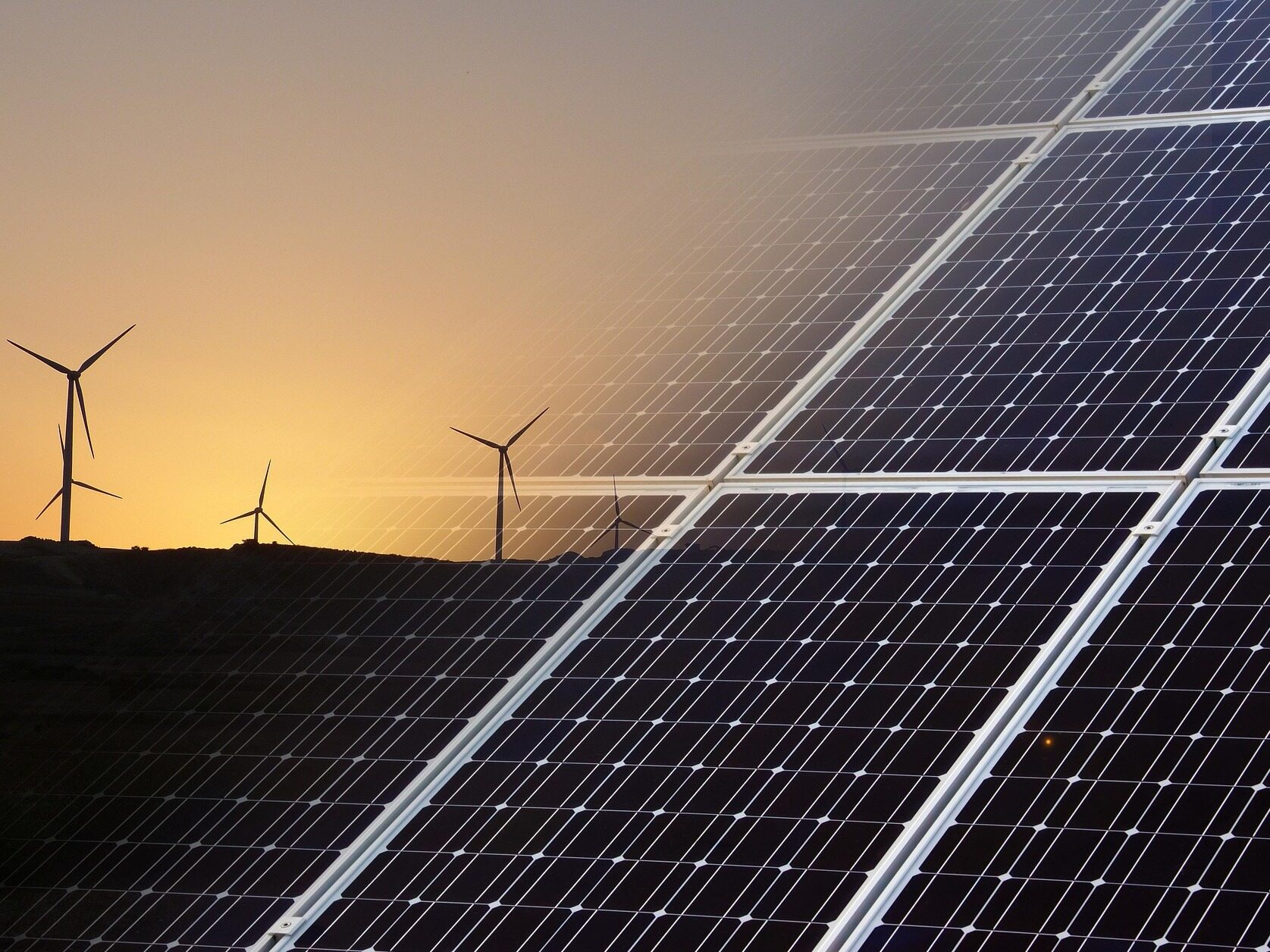
The addition of new wind and solar projects is expected to improve the long-standing power outage risks in the local area, but power outages are often caused by extreme weather conditions. The construction of supporting transmission lines may increase the overall investment cost. Mexico adopts a diversified energy security strategy, developing renewable energy while continuously ensuring the development of the oil and gas industry. It plans to increase daily crude oil production to 1.8 million barrels by 2030. In the next four years, the country aims to achieve a significant increase in the installed capacity of photovoltaic, geothermal, and wind power, and steadily improve its energy supply system.Editor/Gong Ziwei
Comment

 Praise
 Collect
 Comment

 Share


Write something~