 Search


- Tengger Shage Wilderness Base, coordinating the development of new energy and desert governance
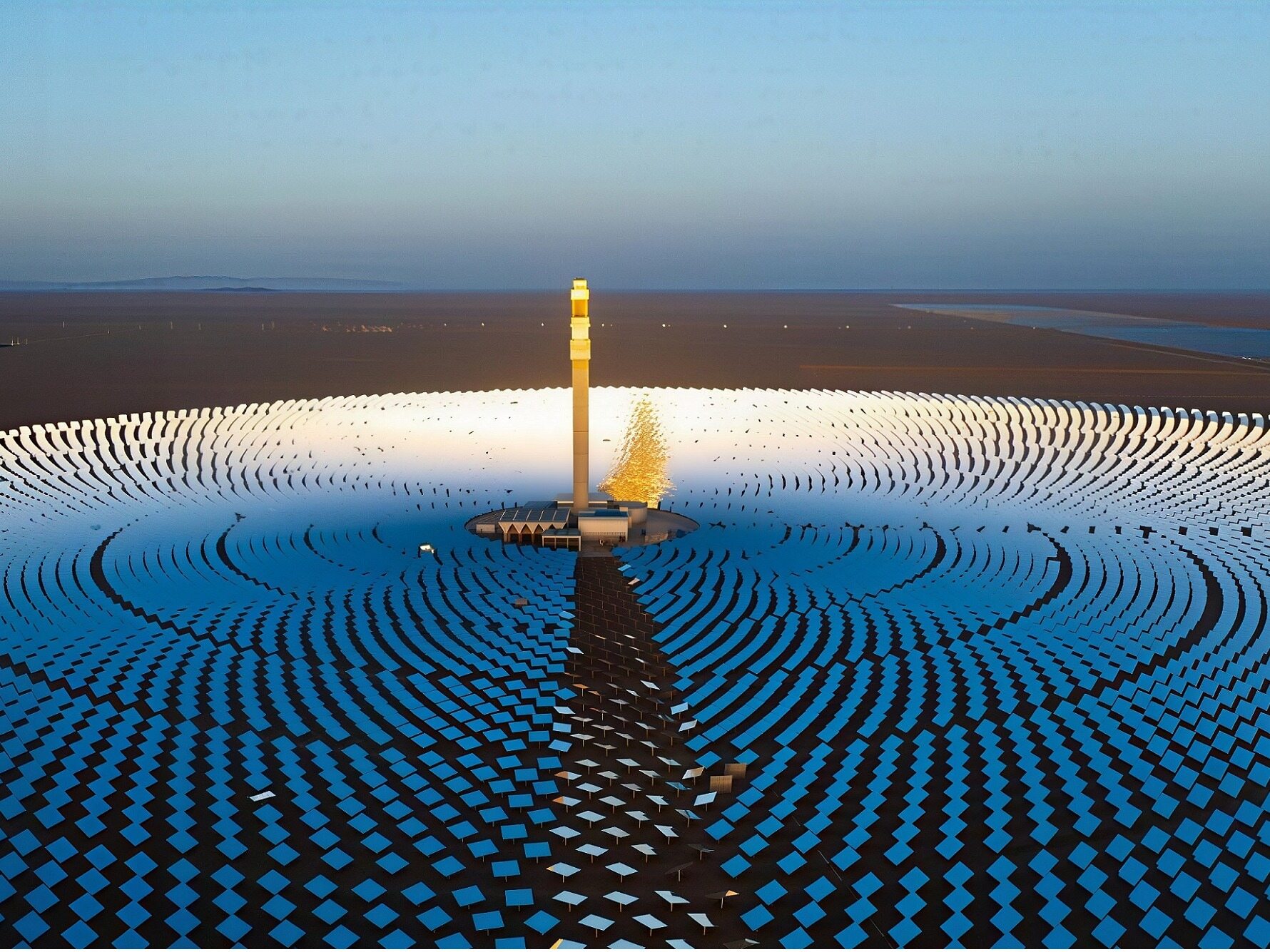
When the golden sand sea meets the blue photovoltaic, a miracle of sand retreat and green advance is being staged in the depths of Tengger Desert. On board power generation, sand fixation under the board, and green planting between boards, a 10 million kilowatt level desert wasteland base quietly rewrites the fate of the desert, transforming the sandy land into a green model for the coordinated development of clean energy and ecological governance.
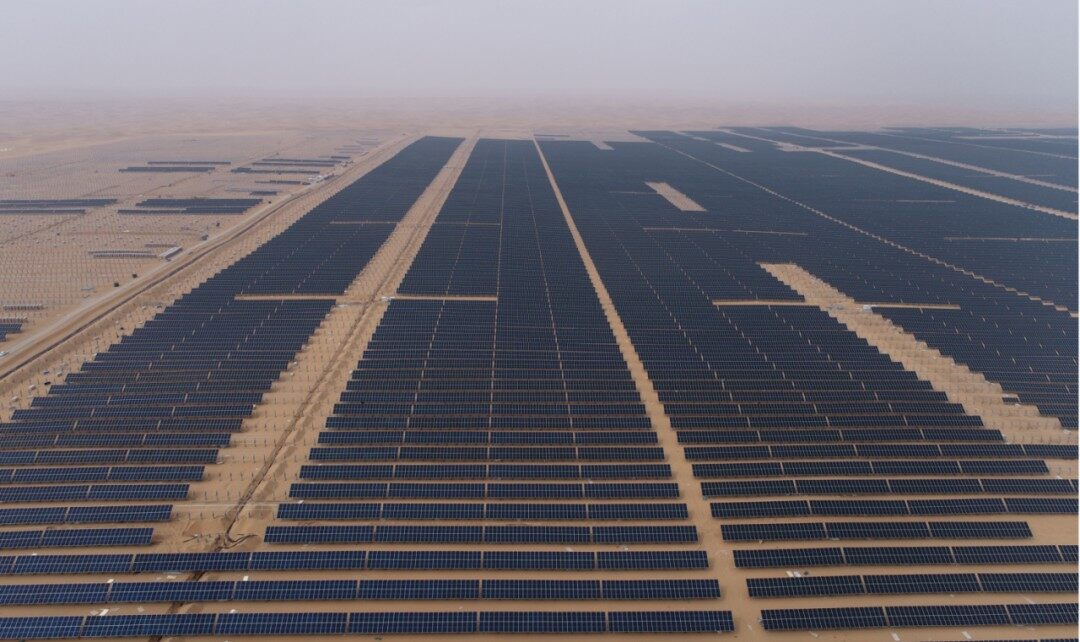
On October 17, 2026, the 2 million kilowatt photovoltaic project of Huadian Inner Mongolia Tenggeli Shagehuang New Energy Base, undertaken by Shandong Electric Power Construction Company, was implemented as an innovative practice of photovoltaic sand control, promoting the coordinated development of new energy development and ecological governance.
The project is the third batch of national key bases in Shagehuang, with a total installed capacity of 16 million kilowatts and supporting wind, solar and thermal multi energy complementary and external transmission channels. Shandong Electric Power Construction Company, as the EPC general contractor for Section I, is responsible for the construction of a 400 MW photovoltaic field, collection lines, and booster stations. Keywords: Shage Desert, Photovoltaic Sand Control, New Energy
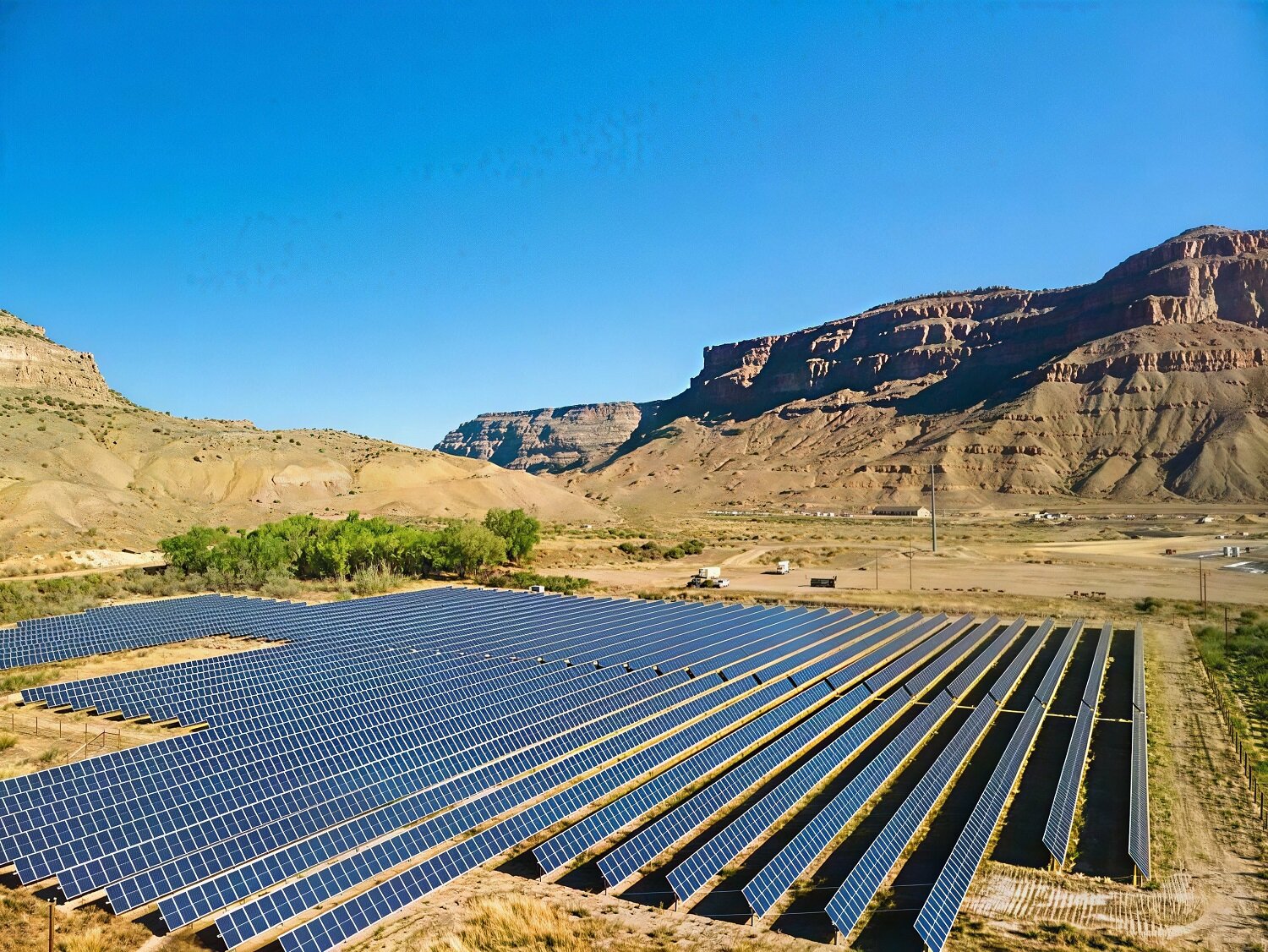
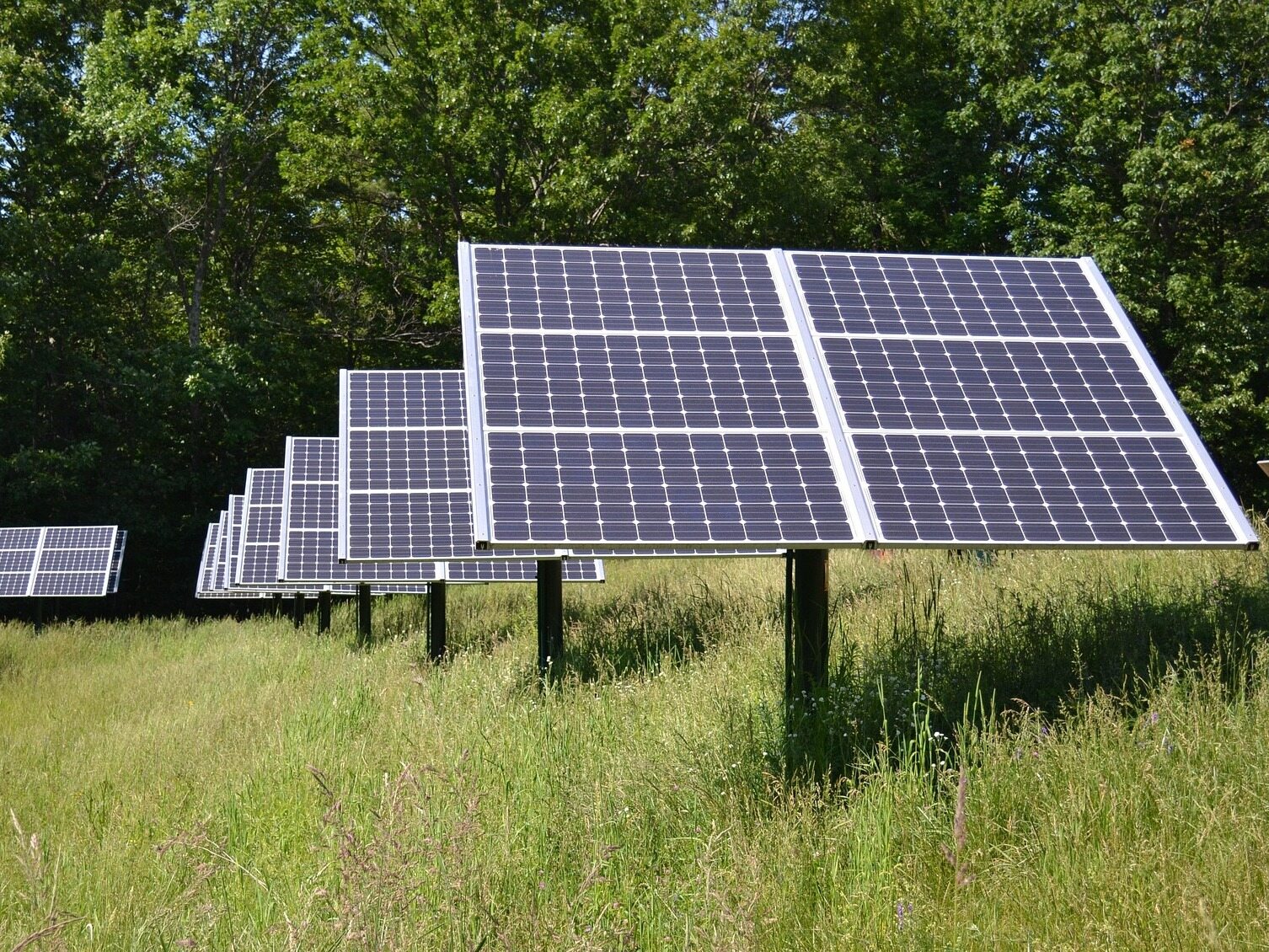
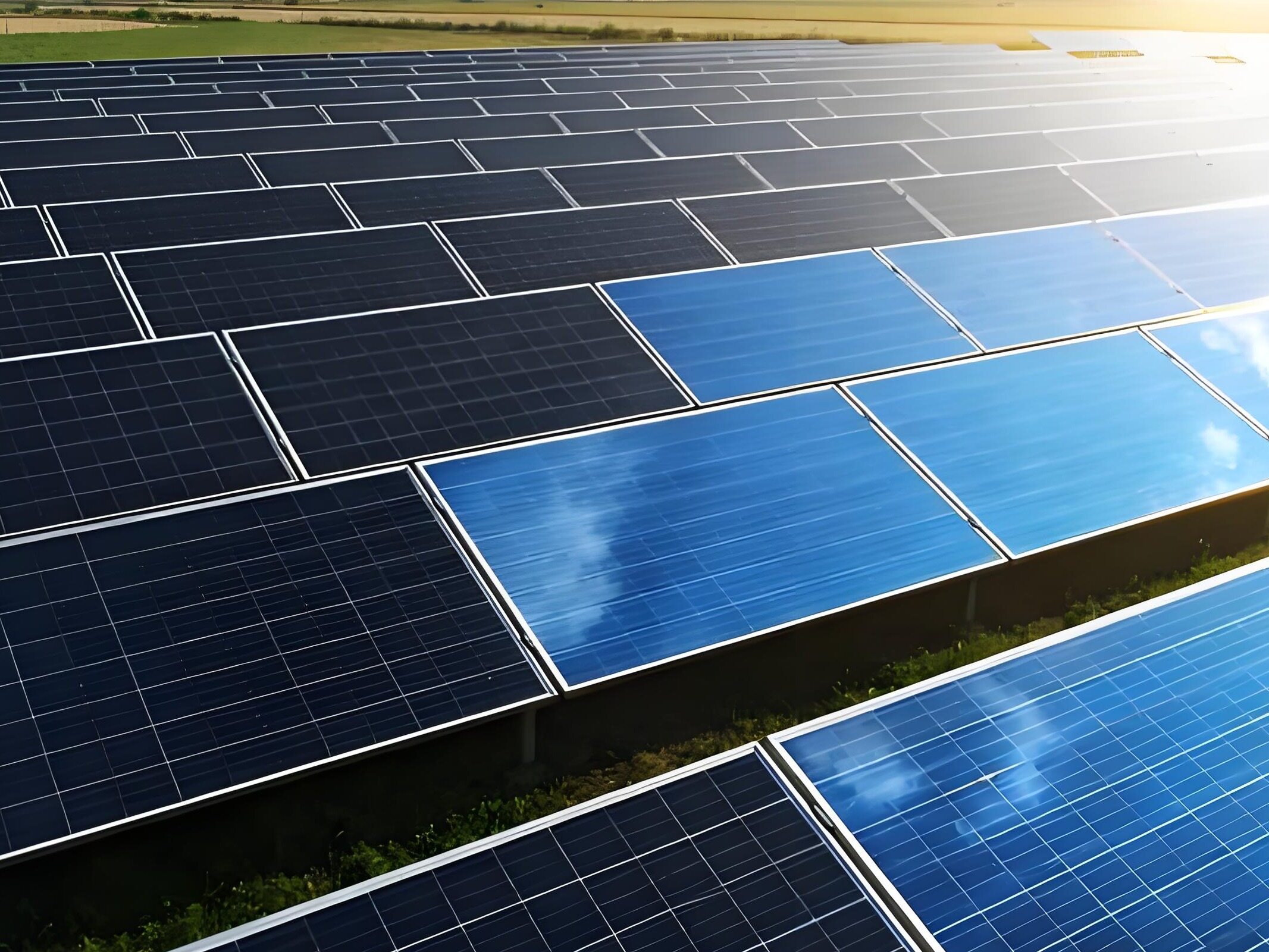
The project implements synchronous development and governance, adopting a mode of on-board power generation, on-board sand fixation, and inter board greening, taking into account both wind and sand protection and industrial benefits. After the base is fully developed, the annual power generation will be about 36 billion kilowatt hours. Currently, 2 million kilowatts of photovoltaic power have been put into operation, empowering the regional energy transformation. The project establishes a three-level sand prevention system, using biodegradable sand barriers and grass grids, planting local sand plants, and relying on photovoltaic panels for shade to improve vegetation survival rate. After full capacity construction, the desertification control area will exceed 200000 acres, and the desert will become an oasis, providing a replicable model for green development in desertified areas.Editor/Gong Ziwei
Comment

 Praise
 Collect
 Comment

 Share


Write something~