 Search


- Long rail welding reduces joints, laying the foundation for the opening of the Mo Sheng high-speed railway in 2028
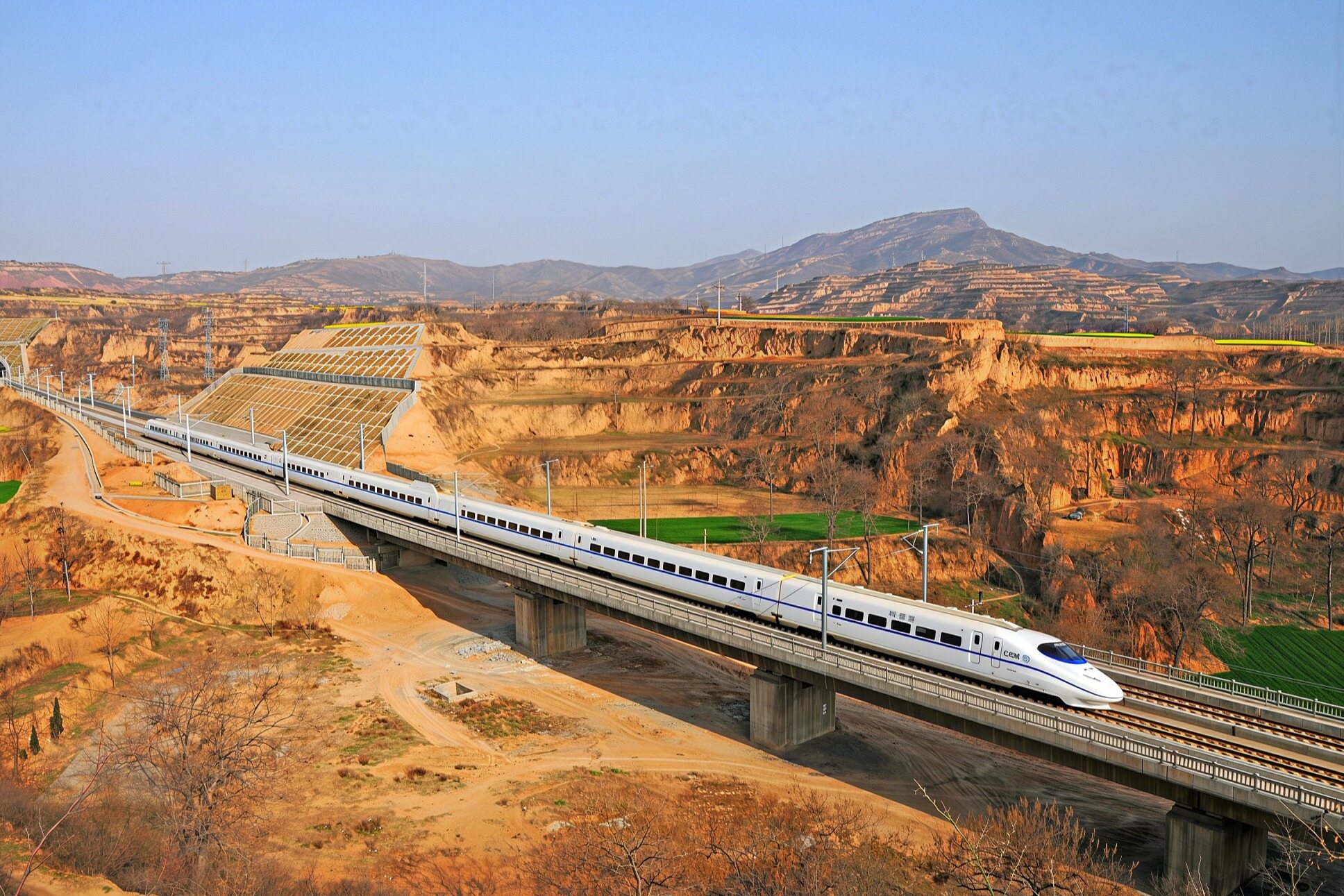
Recently, sparks flickered in the first steel rail welding plant in St. Petersburg. A 100 meter long steel rail was sent into the welding machine, and after contact welding, normalizing, quenching, precision grinding, and flaw detection, 8 rails were welded together into an 800 meter long rail. Russian Railways announced on the same day that a main line of the Moscow Saint Petersburg high-speed railway has completed the welding of approximately 700 kilometers of steel rails, laying the foundation for subsequent on-site track laying and full line connection.
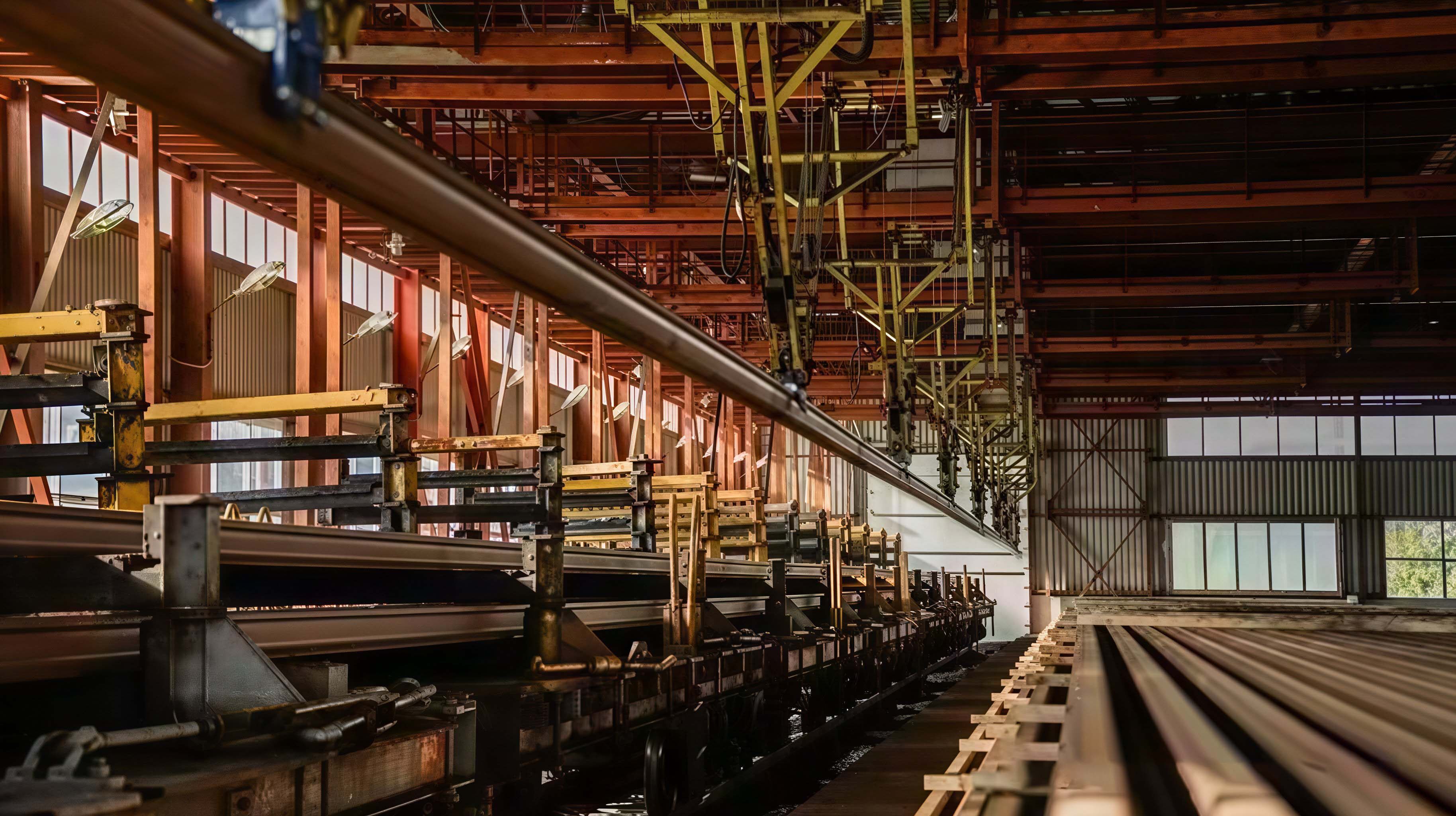
700 kilometers of track welded together
The first steel rail welding plant in St. Petersburg is affiliated with Sinara Group, and the task completed this time is the welding of long steel rails on one of the main lines of the Moscow Saint high-speed railway. The factory will weld 8 standard 100 meter steel rails in groups to form 800 meter long rails, with a total length of approximately 700 kilometers, in order to reduce the number of joints, improve track reliability, and ensure passenger comfort. The line adopts a double track ballastless track, which is Russia's first truly newly-built high-speed railway line. The designed maximum speed is 400 kilometers per hour, and the planned operating speed is 360 kilometers per hour. The steel rail grade is a specially developed domestically produced steel rail with a specification of ДТ 350 °С 400, produced by EVRAZ Group, which can adapt to extreme temperature differences from minus 60 degrees Celsius to over 60 degrees Celsius. The entire main line requires approximately 161000 tons of steel rails, and as of the time of reporting, more than half have been delivered.
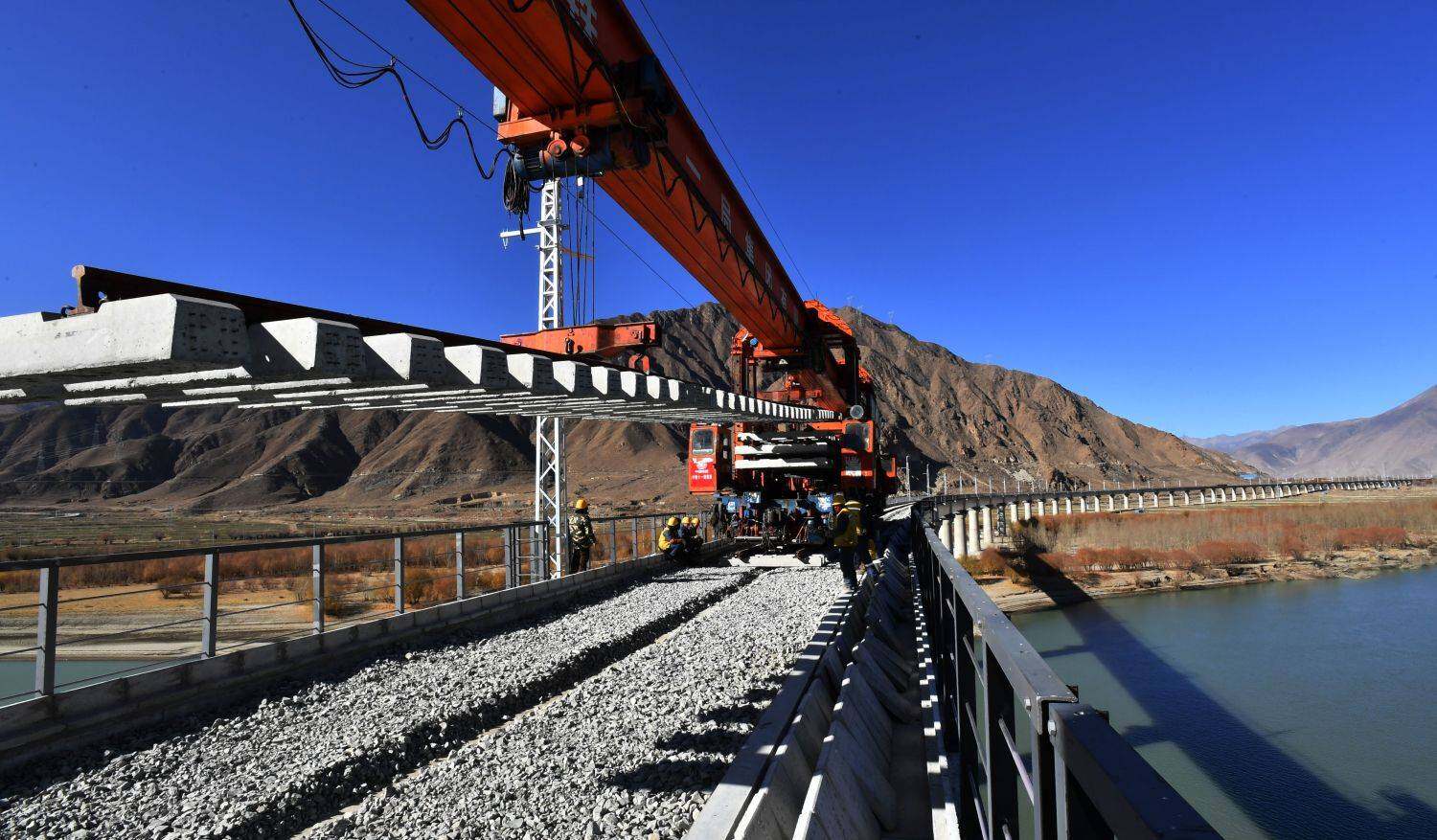
800 meter long rail technology
The welding process includes contact welding, rough grinding, heating the weld to 945 degrees Celsius for normalizing and air cooling quenching, precision grinding, non-destructive testing, and mechanical testing. The quality standard requires that the static bearing capacity of the weld seam should not be less than 200 tons, the straightness error of the weld seam should not exceed 0.2 millimeters per meter, and all welds should undergo ultrasonic testing. The 800 meter long rail strip welded by the factory is transported to the construction site by a dedicated long rail transport vehicle, where it is further welded, released, and locked to form a seamless track. This process aims to improve the smoothness and durability of the track, providing guarantees for high-speed rail operation. Keywords: Infrastructure News Network, Transportation, Rail Welding, High Speed Rail
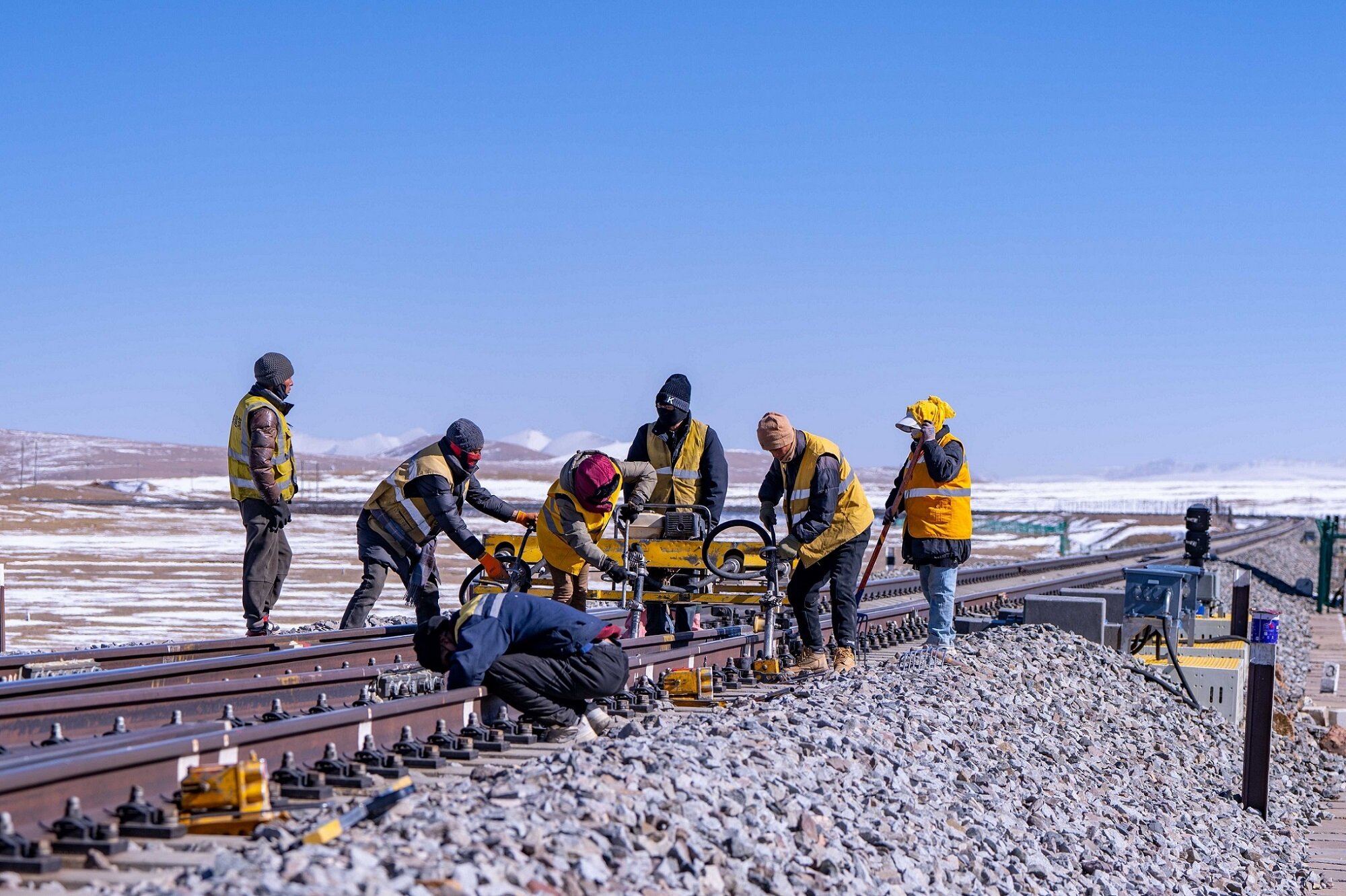
2028 opening target
The total length of the Moscow Saint Petersburg high-speed railway line is about 700 kilometers, with a target opening time of 2028. After opening, the travel time from Moscow to St. Petersburg will be shortened to 2 hours and 15 minutes. After completion, the old conventional railway between Moscow and St. Petersburg can release a large amount of transportation capacity, with an estimated increase of about 100 million tons of freight capacity per year. As the first mainline of Russia's national high-speed railway network, plans are underway to extend it to Kazan and Yekaterinburg in the future. All steel rails, welding equipment, and future high-speed trains should be equipped with local Russian enterprises as much as possible, including Sina Group and Ural Locomotive. The new generation of high-speed trains specially developed for this line, with a maximum speed of 400 kilometers per hour and 8 formations, will support multiple units in the future. It is planned to complete the assembly of the first complete train by the end of 2026 and carry out subsequent line tests. At present, only the factory welding process has been completed. The next step is on-site track laying and welding. There are still a large number of civil engineering, track, and four electrical projects before the official opening.Editor/Gao Xue
Comment


 Praise
 Collect
 Comment

 Share


Write something~