 Search


- Establishing a new air route to build an air bridge for communication between China and Mongolia
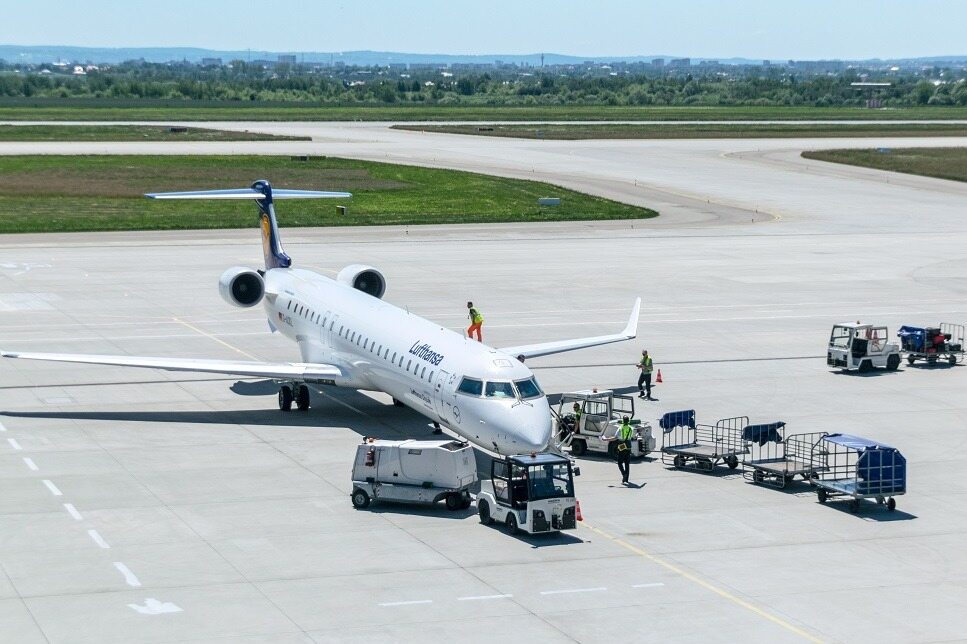
Passengers who want to travel to the grasslands of Mongolia in the Greater Bay Area no longer need to make transfers. This new direct flight route has landed at Shenzhen Airport, filling an important link in the Northeast Asia route network. Relying on stable flight schedules and convenient customs clearance facilities, the economic, trade, cultural, and tourism exchanges between the two regions have accelerated, adding another important piece of puzzle for Shenzhen to jointly build a national aviation hub.
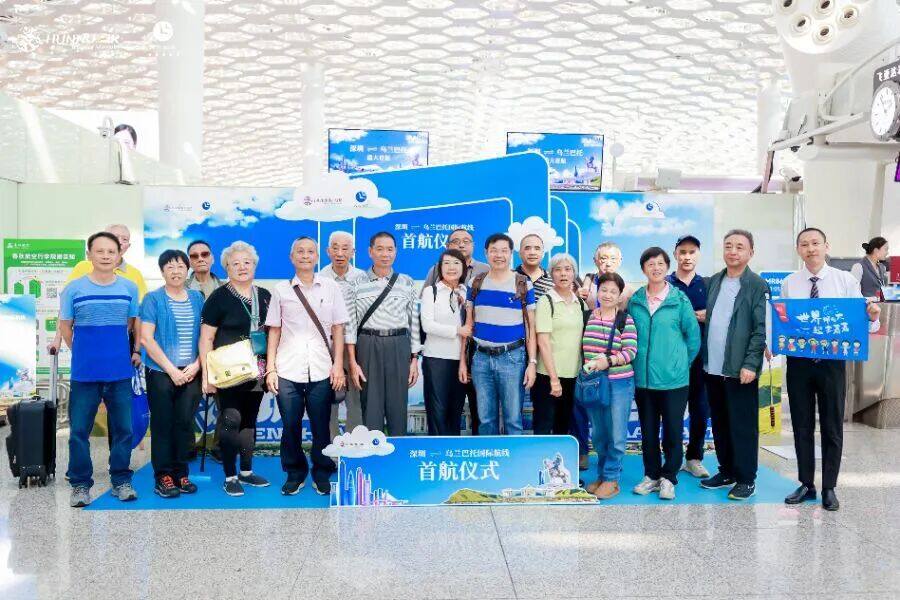
Weaving dense aerial channels
On October 22, 2026, the direct international passenger route from Shenzhen to Ulaanbaatar was officially opened, operated by Mongolian Xiongnu Airlines, using E190 series aircraft, with one round-trip flight every Thursday. The inbound MR867 flight departs from Ulaanbaatar at 23:05 Beijing time and arrives in Shenzhen at 03:05 the next day. The outbound MR868 flight departs from Shenzhen at 04:05 and arrives in Ulaanbaatar at 08:05. This is the first time that Xiongnu Airlines has entered Shenzhen, and passengers in the Greater Bay Area bid farewell to transit, greatly improving travel efficiency. Ulaanbaatar is the capital of Mongolia, and Shenzhen, as the core city of the Greater Bay Area, has a direct flight route that shortens the time and space distance between the two places, facilitating business visits and cultural tourism travel. Keywords: Shenzhen Airport, China Mongolia Direct Flights
Upgrade hub services
With the opening of this route, the number of the Belt and Road passenger routes connecting Shenzhen Airport to 25 co built countries has increased to 46. Since the beginning of this year, the airport has successively opened routes to Tashkent, Kathmandu, and other destinations, continuously filling in the gaps between Central Asia, South Asia, and Northeast Asia. The airport has synchronously optimized its entry and exit services, with an initial integrated inspection and joint inspection to compress the entry clearance time to less than 15 minutes. It has implemented an intelligent mode of one gate, two doors, and dual inspections, added nearly 400 multilingual signs, and deployed multiple smart devices. The airport will continue to expand international routes in the future, empowering the Greater Bay Area to open up to the outside world and promote economic, trade, and cultural exchanges.Editor/Min Jing
Comment

 Praise
 Collect
 Comment

 Share


Write something~