 Search


- This is a handshake between international capital and Vietnamese state-owned enterprises
- Integrating wind, national power planning, and foreign technical experience along the Vietnamese coastline into a practical step
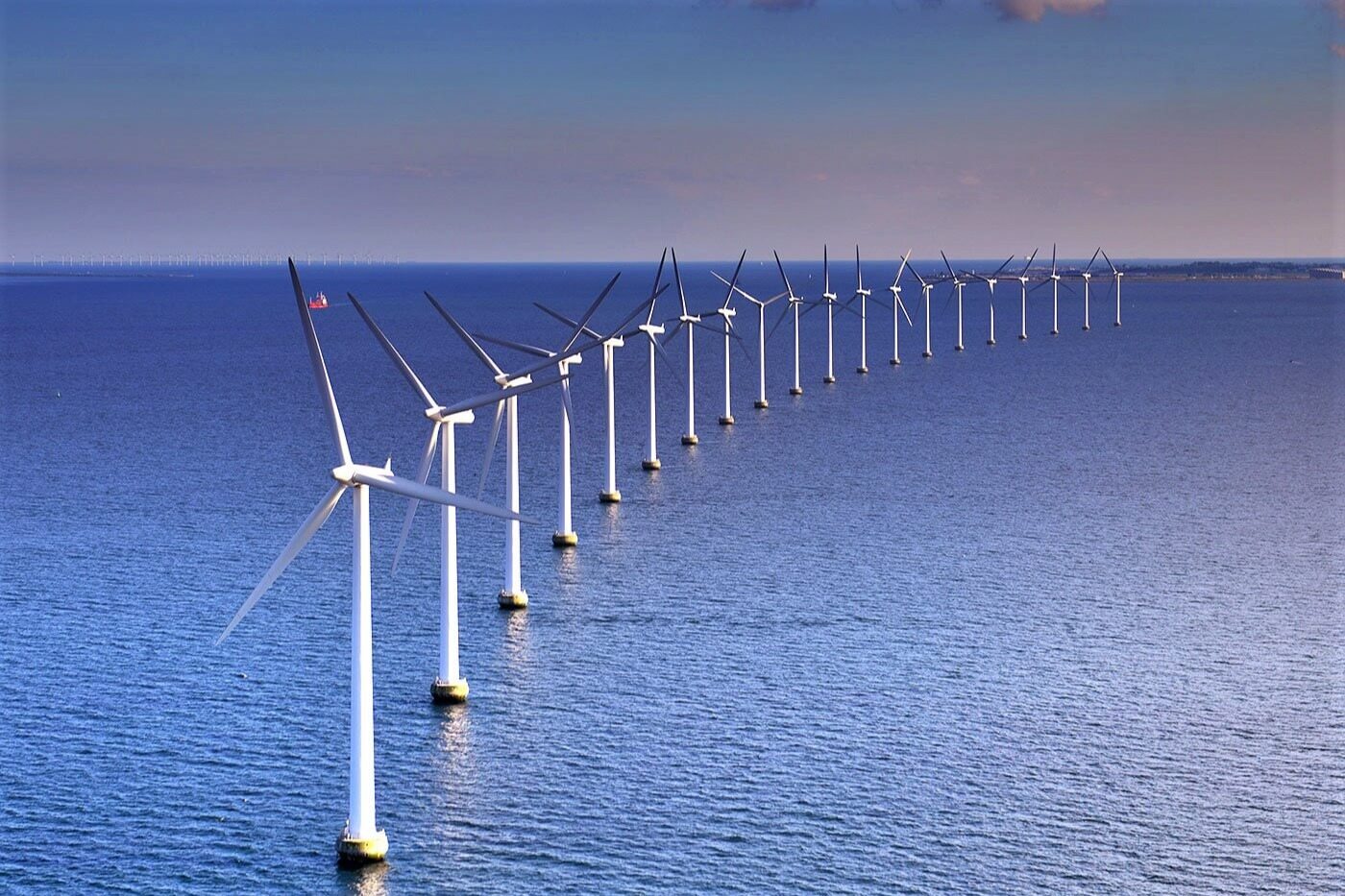
Copenhagen in October, the sea breeze has brought a chill. During the visit of Vietnamese President Surin to Denmark, the signing of a document connected the 30 years of offshore wind power experience accumulated along the Baltic Sea coast with the undeveloped wind energy resources along the South China Sea coast.
A cross-border handshake
On October 22, 2026, Danish infrastructure investment agency CIP signed an offshore wind power development agreement with Vietnamese state-owned energy group Petrovietnam, with a project value of approximately 4 billion US dollars. The agreement was signed during Su Lin's visit to Denmark, where he had exchanges with Danish King Frederick X and other parties. Energy cooperation became one of the landing points for deepening economic and trade relations between the two countries.
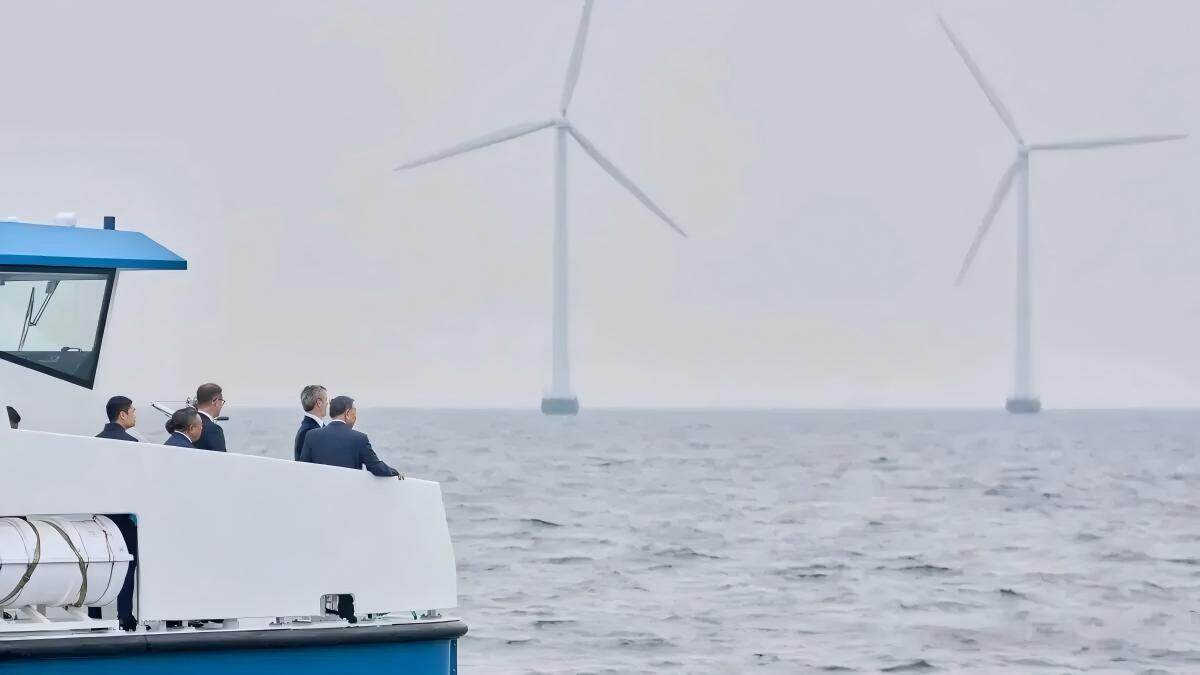
On one hand, there is CIP, headquartered in Denmark and deeply involved in renewable energy investment and project development, and on the other hand, Petrovietnam, which plays a pillar role in Vietnam's energy industry. The financing and development capabilities of international capital, when faced with the industrial resources, ports, and marine infrastructure of a local state-owned enterprise, are mutually beneficial: the former requires a sufficiently large emerging market, while the latter requires technology and funding to turn blueprints into units.
Where does the wind come from
Vietnam has a long coastline and considerable offshore wind energy reserves, with a previously assessed technological potential of up to 475 gigawatts. The 8th edition of Vietnam's Power Plan (PDP8) has clearly stated that the installed capacity of offshore wind power will reach 6 gigawatts by 2030, and further increase to the range of 70 gigawatts to 91.5 gigawatts by 2050. At the same time, no new coal-fired power plants will be built, and renewable energy will account for about 70% of electricity generation by 2050.
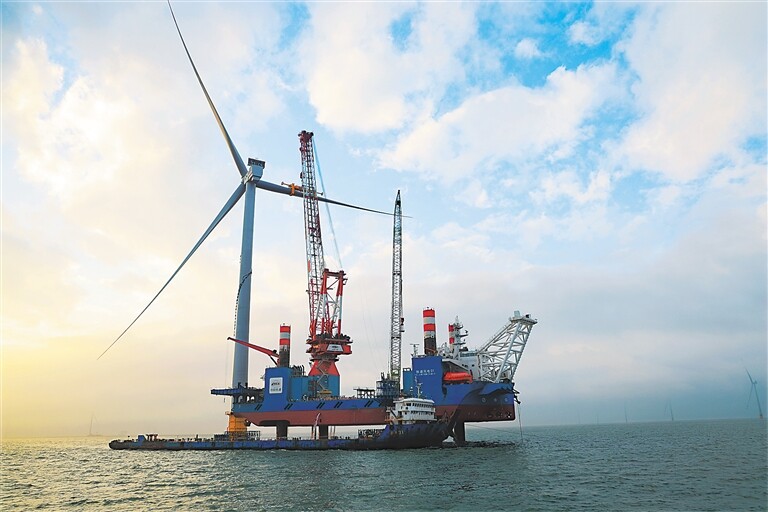
But this wind farm is almost blank to this day - existing projects are mostly concentrated in the intertidal zone near the coast. The gap between planning and reality is where $4 billion comes in handy. CIP has previously promoted the La Gan offshore wind farm in the southeastern coastal province of Vietnam, with a planned capacity of nearly 3.5 gigawatts; Petrovietnam has been listed as one of the state-owned enterprises for offshore wind power pilot projects by Vietnam, and its subsidiary offshore service system has also been required to accelerate the mastery of wind turbine and blade manufacturing capabilities.
From drawings to seawater
However, there is still a distance between a single agreement and grid connected power generation. The specific installed capacity, site selection, construction schedule, and production date of the project have not been disclosed in the existing information. The promotion of large-scale offshore wind power projects also requires crossing multiple checkpoints such as power planning coordination, electricity pricing mechanisms, approval processes, grid transmission, and financing arrangements, involving collaboration among multiple departments such as national defense, justice, and natural resources.keywords:Overseas engineering construction
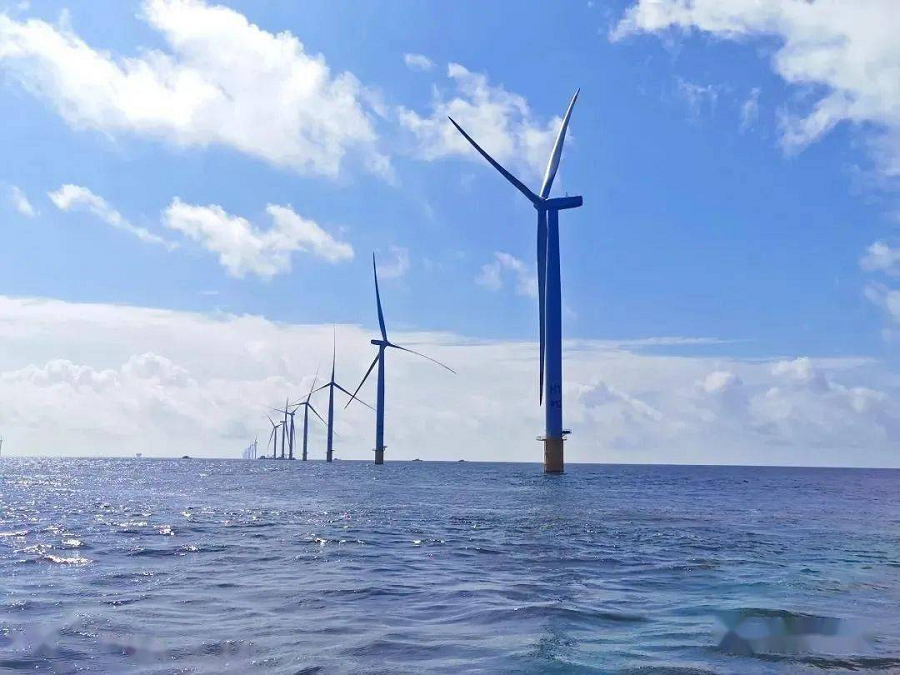
The value of Denmark lies in its experience in offshore wind power development, project financing, and industrial chain organization, which is currently the most scarce part of Vietnam. For Vietnam, the significance of this cooperation lies not only in adding new installed capacity, but also in opening up a learning channel for local enterprises in terms of technology and management; For international capital, this is an opportunity to secure the most promising offshore wind farm in Southeast Asia ahead of schedule. Whether $4 billion can truly fall into the sea depends on the speed of detail disclosure.Editor/Yang Meiling
Comment




 Praise
 Collect
 Comment

 Share


Write something~