 Search


- Technip Energies receives detailed engineering contract for Arthit CCS in Thailand
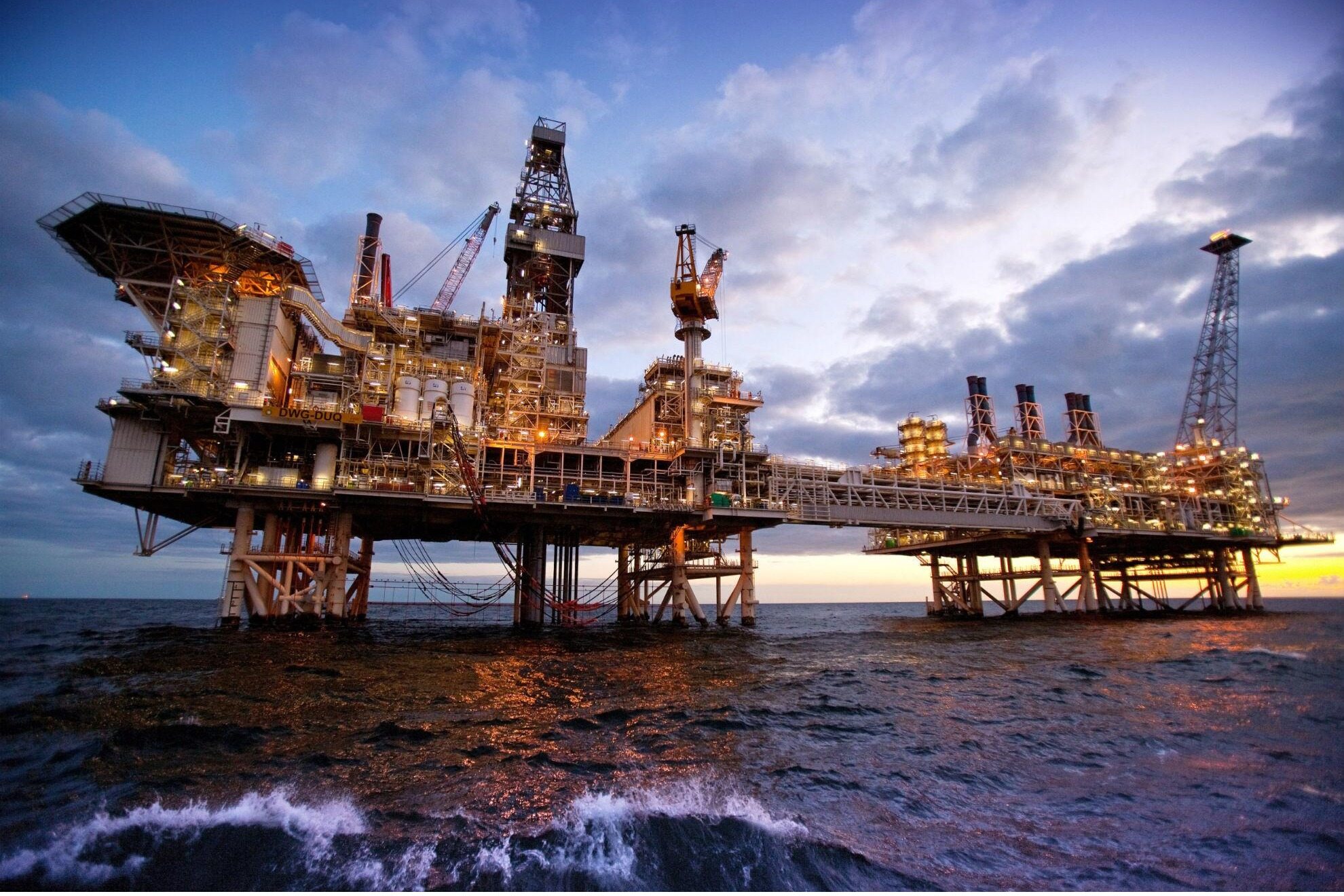
The drilling platform in the Gulf of Thailand is operating smoothly against the tropical monsoon. The latest project progress in the third quarter of 2026 shows that French engineering giant Technip Energies has officially obtained the detailed engineering contract for Thailand's Arthit carbon capture and storage project. Thailand's first commercial CCS project has entered the implementation period from the early planning stage, opening a new chapter for the large-scale development of Southeast Asia's CCUS industry.
The model of utilizing old resources to build new ones significantly reduces project costs
The Arthit CCS project is led by PTTEP, the national petroleum company of Thailand, with a total investment of approximately 320 million US dollars and a designed annual carbon storage capacity of 1 million tons. The goal is to achieve the first batch of CO ₂ injection by 2028. The project officially passed the final investment decision on September 8, 2025 and has now entered the core stage of detailed engineering design. The project site is located in the Arthit gas field area about 230 kilometers from the coast of the Gulf of Thailand, fully utilizing the existing mature oil and gas field infrastructure without the need for additional development of new reservoirs. This transformation and upgrading path significantly reduces the initial investment of the project.
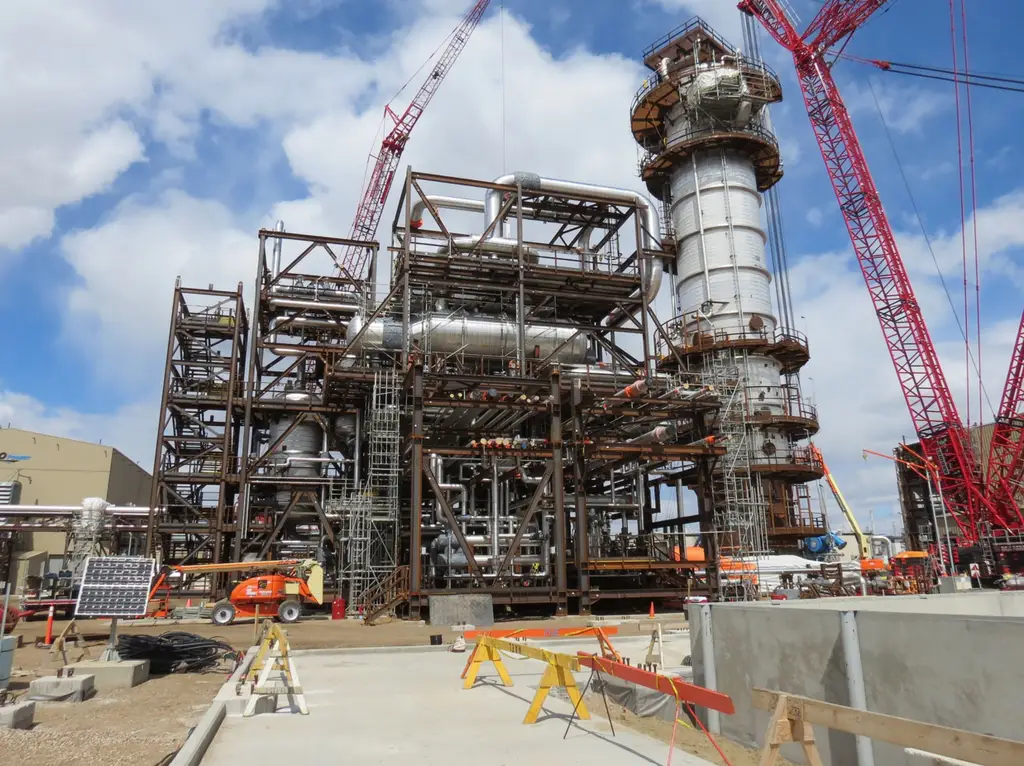
The contract of Technip Energies covers the detailed engineering design of the new CCS processing unit and CO ₂ injection facility, while simultaneously completing the renovation and upgrade of the existing Arthit central processing platform. This contract was awarded by Thoresen Jutal Offshore Engineering Heavy Industries Limited, a local engineering company in Thailand, on behalf of PTTEP, and will officially come into effect in the third quarter of 2025. The project adopts a mixed technology route of transformation and addition, injecting the captured CO ₂ into the target formation in a supercritical state. The capture source comes directly from high-purity CO ₂ in the natural gas extraction and processing process, and the unit capture cost is much lower than that of direct capture of industrial flue gas. The commercial feasibility advantage is very prominent.
Southeast Asia CCUS Industrialization Welcomes Benchmark Sample
The Arthit CCS project has already been included in the flagship project list of the National Independent Contribution Action Plan 2021-2030 by the Thai government. It is a landmark project for the country to promote energy transformation and greenhouse gas reduction. The Thai government has clearly set the goal of building a mature carbon capture and storage industry chain before 2030. This project is the core carrier for the implementation of the entire strategy. The total scale of publicly announced planning projects in the CCUS field in Southeast Asia in the first half of 2026 has exceeded 12 million tons of annual storage capacity. The early implementation of the Arthit project will provide a direct reference engineering template for all subsequent projects.

The project has established a clear multi-layered collaboration system, with PTTEP responsible for overall investment decision-making and operational management, Thoresen Jutal responsible for local on-site execution and supply chain coordination, and Technip Energies leveraging the Pre FEED and FEED work completed over the years to achieve seamless integration from front-end design to detailed engineering. The combination of international technology and local execution significantly reduces the overall execution cycle of the project. Vietnam, Indonesia and other neighboring countries are also accelerating the evaluation of their local CCUS projects. The technical validation and commercial practice of the Arthit project will provide key references for the low-carbon transformation of the entire region. Keywords: CCS project, Southeast Asian news
After the transformation and upgrading of the offshore platform with tropical sea breeze blowing, millions of tons of CO ₂ per year will be safely stored deep in the seabed. Thailand's first commercial CCS project is exploring a clear and feasible path for carbon reduction throughout Southeast Asia.Editor/Cheng Liting
Comment



 Praise
 Collect
 Comment

 Share


Write something~