 Search


- A power purchase contract is introducing private capital into the Southeast Asian green power market
- Provided a new path for the local region to get rid of imported fossil fuels and stabilize electricity prices
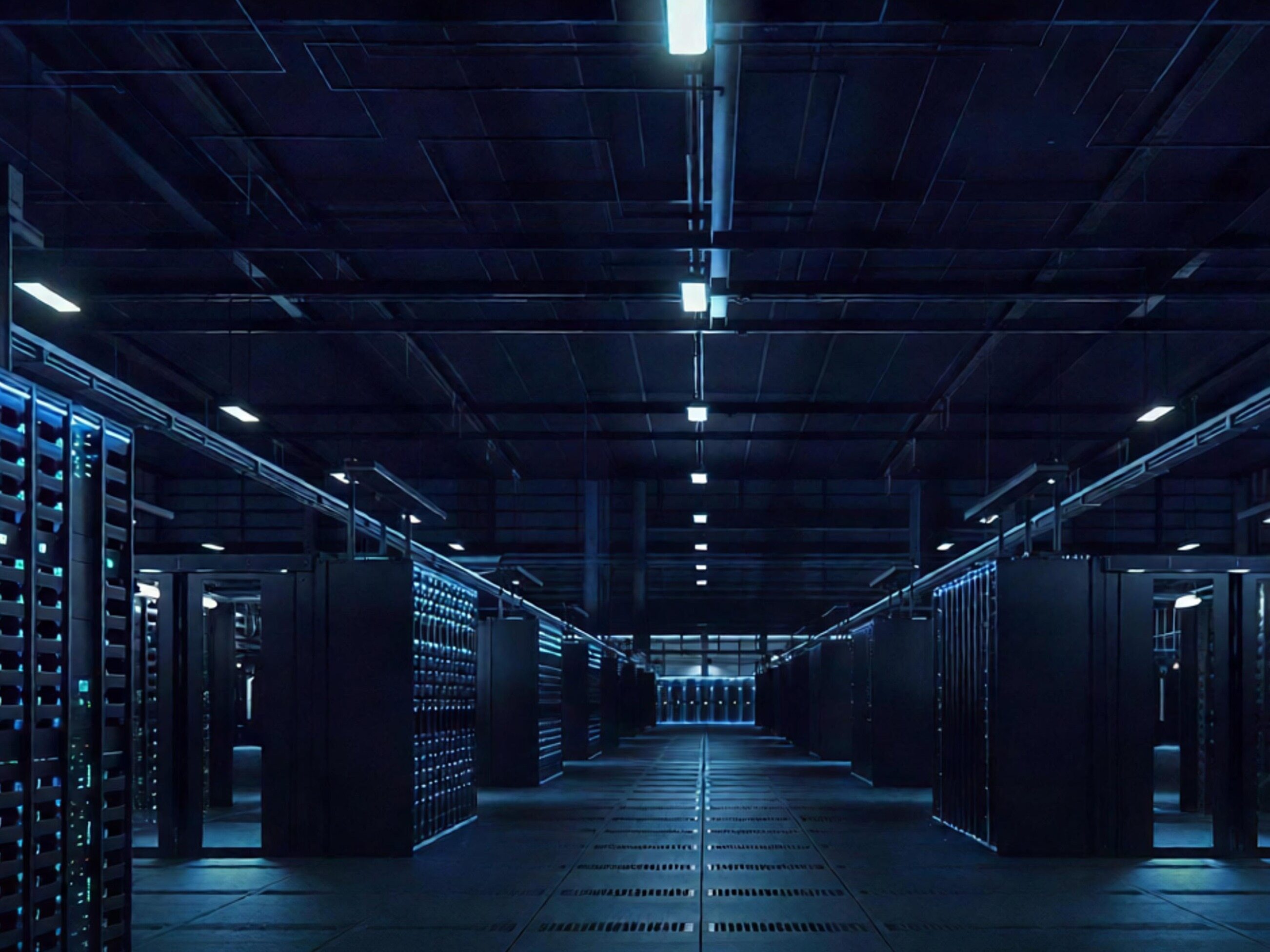
In Johor, Malaysia, rows of grey computer rooms have been erected on a slope previously covered in oil palm. It's less than an hour's drive from here to Singapore, and the cabinets newly built in 2026 were almost fully booked as soon as they were put on the shelves. Next to the computer room, a factory owner who does OEM for international brands has recently had a troublesome issue: a new line of text has been added to the terms of the new order, requiring the production line to use clean electricity. He wants to sign the order, but he can't answer where the electricity comes from at the moment.
This kind of scene is repeatedly occurring in Southeast Asia.
Green electricity has become an admission ticket
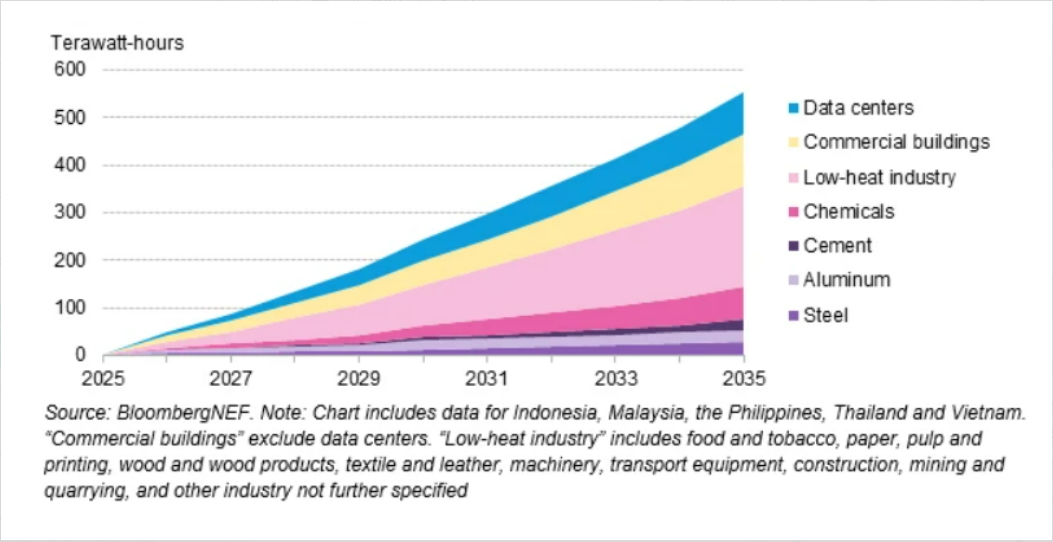
Artificial intelligence and cloud computing have pushed Southeast Asia to the forefront of global computing power expansion. As of June 2026, the IT capacity in use in Southeast Asian data centers is 3.2 gigawatts, and the project reserve scale has reached 10 times this value. It is predicted that by 2035, the electricity demand for data centers in Malaysia, Indonesia, Thailand, the Philippines, and Vietnam will soar from 13 terawatt hours in 2025 to 100 terawatt hours. The demand for electricity in high energy consuming industries such as steel, aluminum, cement, and chemicals is also on the rise.
The pressure doesn't just come from the electricity meter. As a global manufacturing and supply chain hub, orders from Southeast Asian factories are increasingly tied to emission reduction requirements. Multinational customers are not looking for a promise, but for traceable and auditable green electricity. Research shows that the proportion of green electricity in data centers of tech giants in Southeast Asia has been consistently low, which is far from their performance in Europe and America. The gap lies precisely in their procurement mechanisms.
The gate is loosening
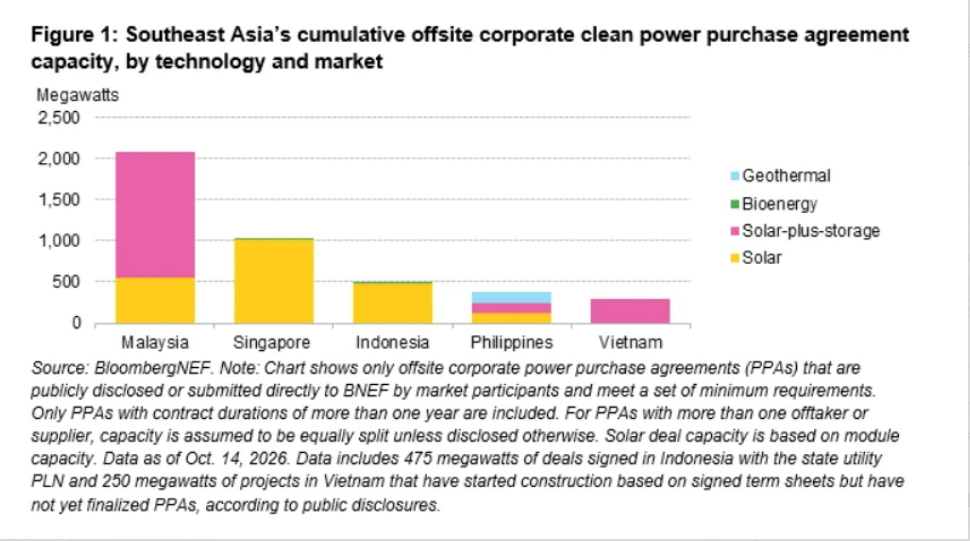
The change has already occurred. By 2026, the scale of off-site clean power procurement agreements for Southeast Asian enterprises will reach 2.3 gigawatts, which is 5.6 times that of 2025. Malaysia, Vietnam and other countries have successively relaxed regulations, which is the main driving force behind this round of growth. Malaysia has further lowered the access fee for ensuring power supply under the enterprise green power direct purchase mechanism, requiring a ten-year contract to be put into operation before the end of 2028, locking in a negotiation window for developers and buyers; Vietnam's direct purchase of electricity system is gradually being implemented, with renewable energy investment of about 4.2 billion US dollars in the first half of the year, returning to the top spot in Southeast Asia after five years, and planning to expand the installation of photovoltaic, wind power and energy storage on a large scale by 2030. The new draft of Thailand's electricity development plan also pushes the proportion of clean energy to a high level and allows the power bureau to directly supply power to large data centers.
However, the gate is not wide enough. Bloomberg New Energy Finance, commissioned by the Asian Clean Energy Alliance, wrote a report on "Southeast Asian Clean Power Procurement", which pointed out that regulatory barriers are still restricting progress, particularly in Indonesia and Thailand.
Three trillion dollar bill
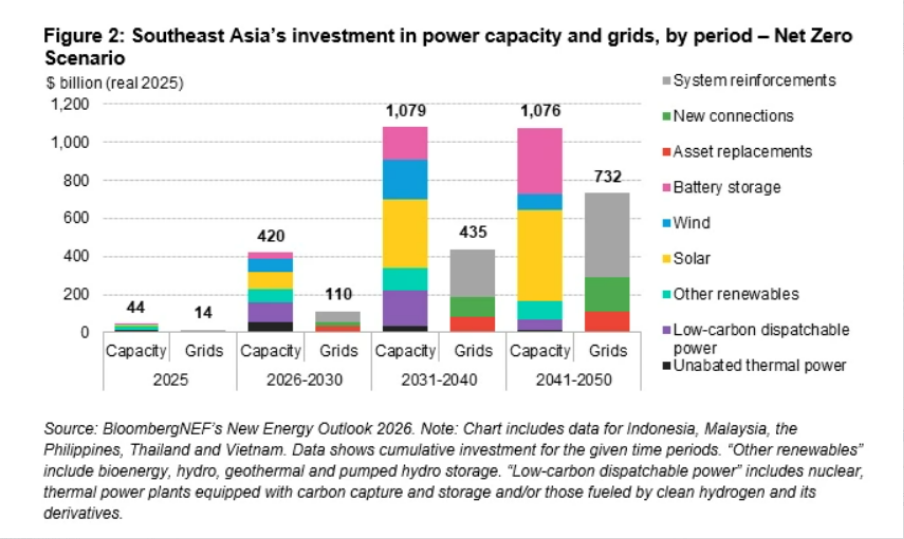
The issue of money is fundamental. Bloomberg New Energy Finance estimates in its "Net Zero Scenario" that in order to fully decarbonize the power industry by 2050, Southeast Asia will need to invest a total of $3.4 trillion in renewable energy, battery storage, and the power grid between 2026 and 2050. Electricity generation is still the largest source of carbon emissions in Southeast Asia, and this transformation bill cannot rely solely on finance.
Analyst Pan Han believes that reducing dependence on imported fossil fuels not only enhances energy security, but also buffers the impact of global fuel price fluctuations on terminal electricity prices; The supply disruption caused by the Middle East conflict has exposed the fragility of the Southeast Asian power industry. Analyst Ke Feili pointed out that if companies are allowed to directly purchase electricity from power generators, the proportion of low-carbon power sources will significantly increase, which is expected to break the tie between economic growth and imported fossil fuels and carbon emissions, expand affordable channels for obtaining clean electricity, and create conditions for electrification in various industries. The judgment of Ruan Mingying, Director of the Office of the Asian Clean Energy Alliance, is that countries have successively introduced new mechanisms, and the urgent task is to transform the mechanisms into practical, cost controllable, and financing eligible procurement opportunities.
Returning to the factory owner in Johor: His answer depends on how quickly these mechanisms are implemented next.Editor/Yang Meiling
Comment


 Praise
 Collect
 Comment

 Share


Write something~