 Search


- Cambodian goods can be transported directly to the Gulf of Thailand via inland waterways
- Logistics costs and time will be significantly reduced
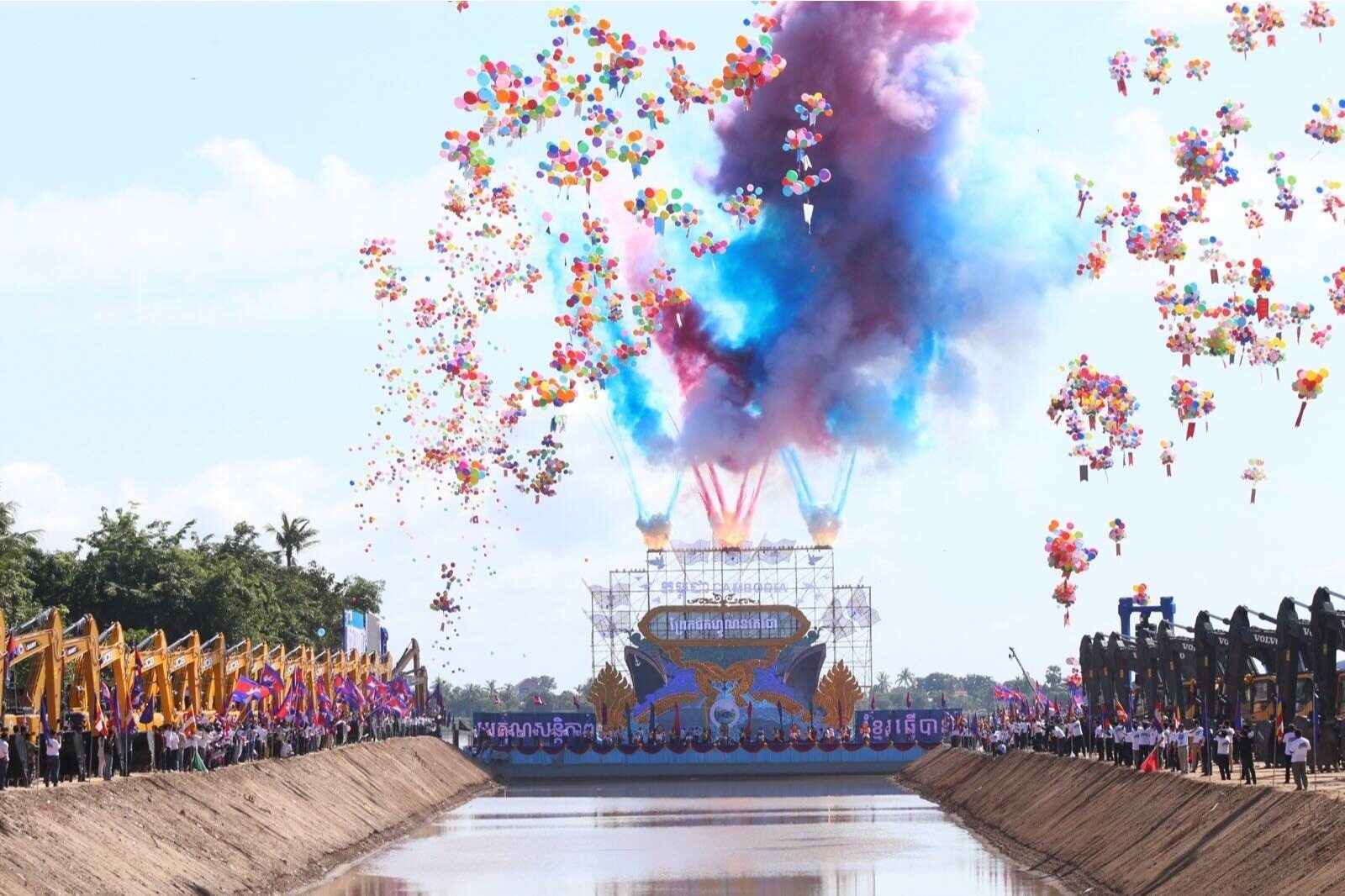
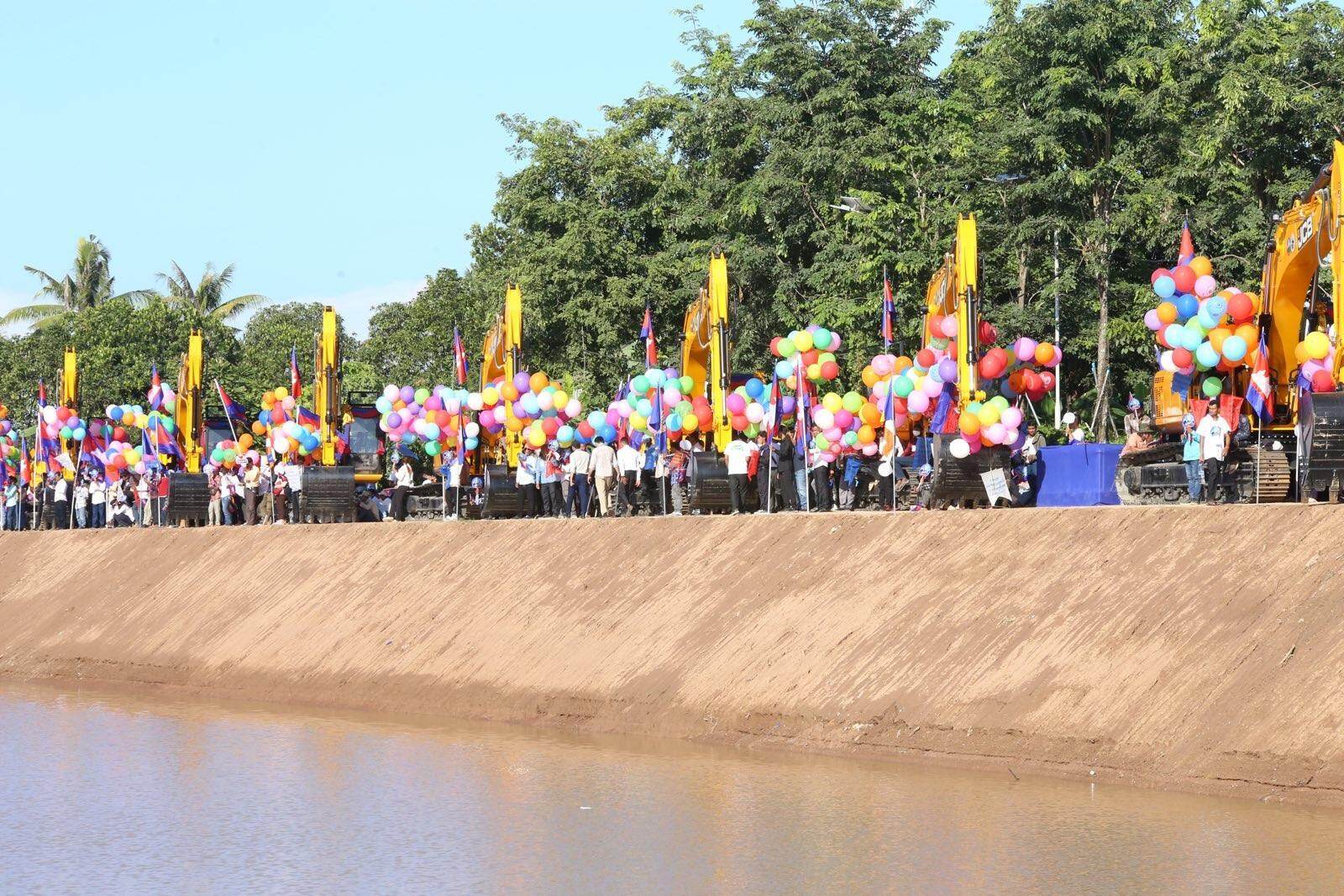
On the morning of August 5, 2024, Cambodians welcomed an unusual holiday. On the day of the national holiday, from Phnom Penh to the countryside, there was a loud drumming and fireworks display. Over 10000 people gathered at the groundbreaking ceremony, and temple bells and drums rang out in unison. Cambodian Prime Minister Hun Ma Nai and Deputy Prime Minister and First Vice Chairman of the Development Council, Sun Zhan Tuo, attended together to press the button for the launch of this project, which is regarded as a national destiny project.
People are celebrating not only the groundbreaking of a canal, but also a coastal country finally regaining control of its lifeline to the sea.
Why do we have to dig
Cambodia has a dense water network, with the Mekong River running through the entire region. The capital Phnom Penh is located at the confluence of the Mekong River, the Tonle Sap River, and the Bassa River. Embarrassingly, the mouth of the Mekong River is not within Cambodia's borders, but in neighboring Vietnam. For a long time, a considerable proportion of Cambodia's import and export goods have to go south of the Mekong River and transit through Vietnamese ports. Port fees, transit fees, and customs clearance schedules all depend on others' preferences. Hong Manet once bluntly stated that after the completion of the canal, Cambodians can finally breathe with their own noses.
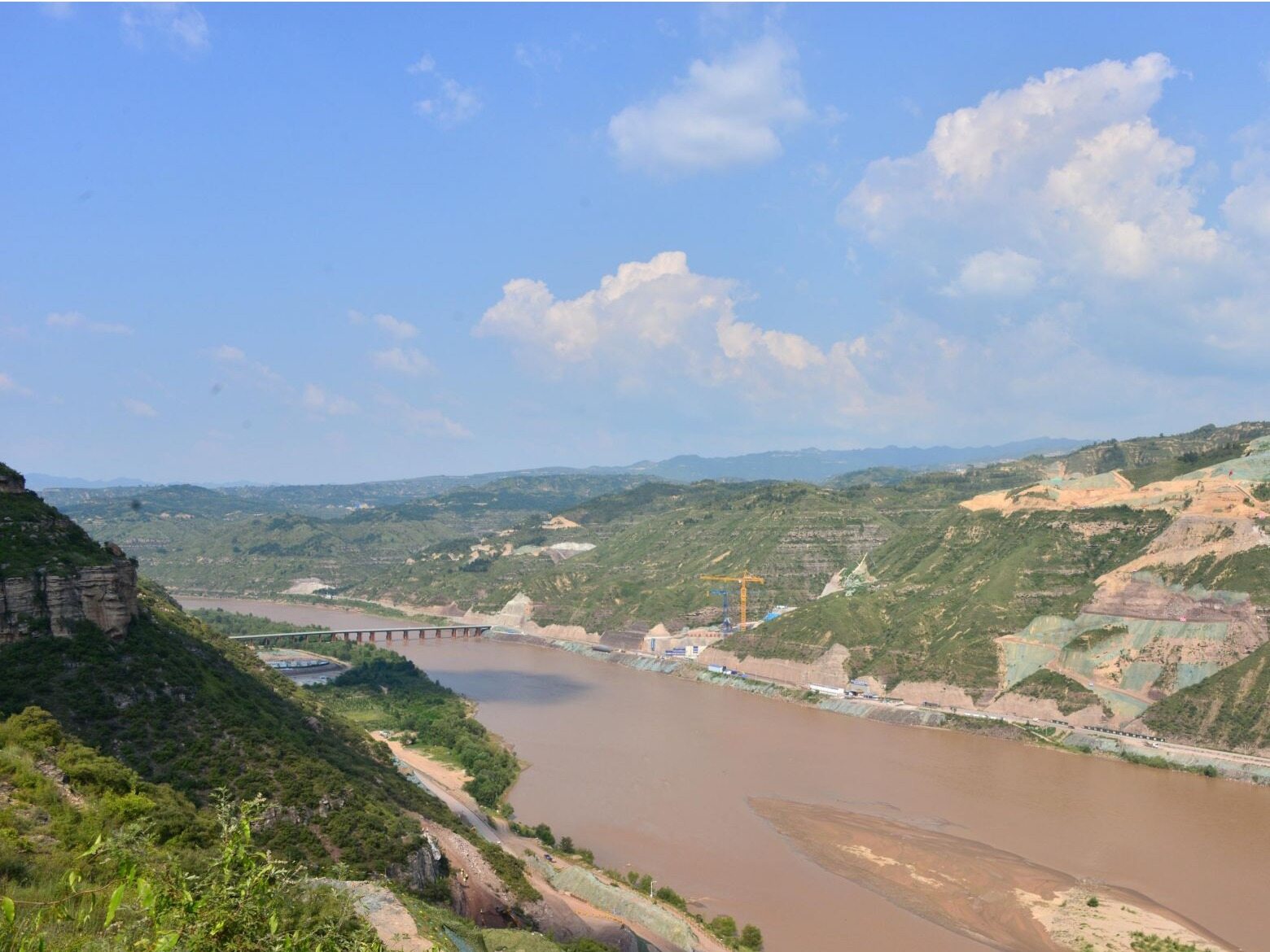
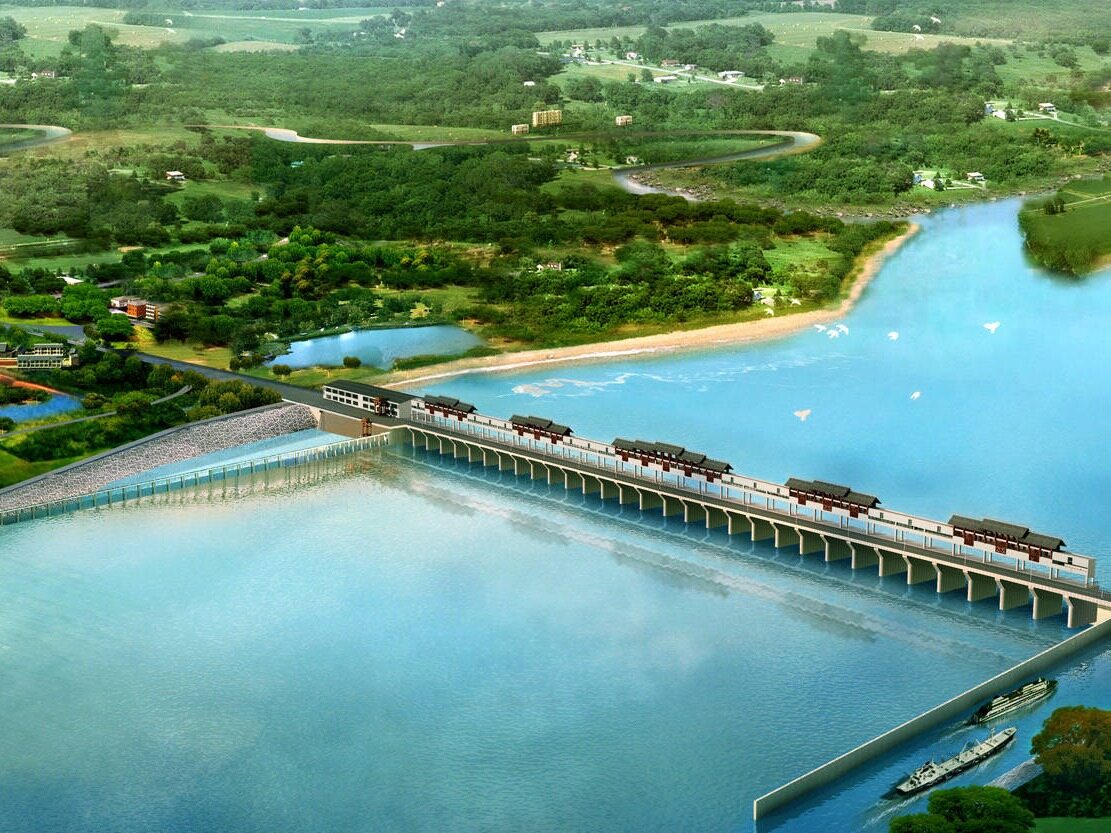
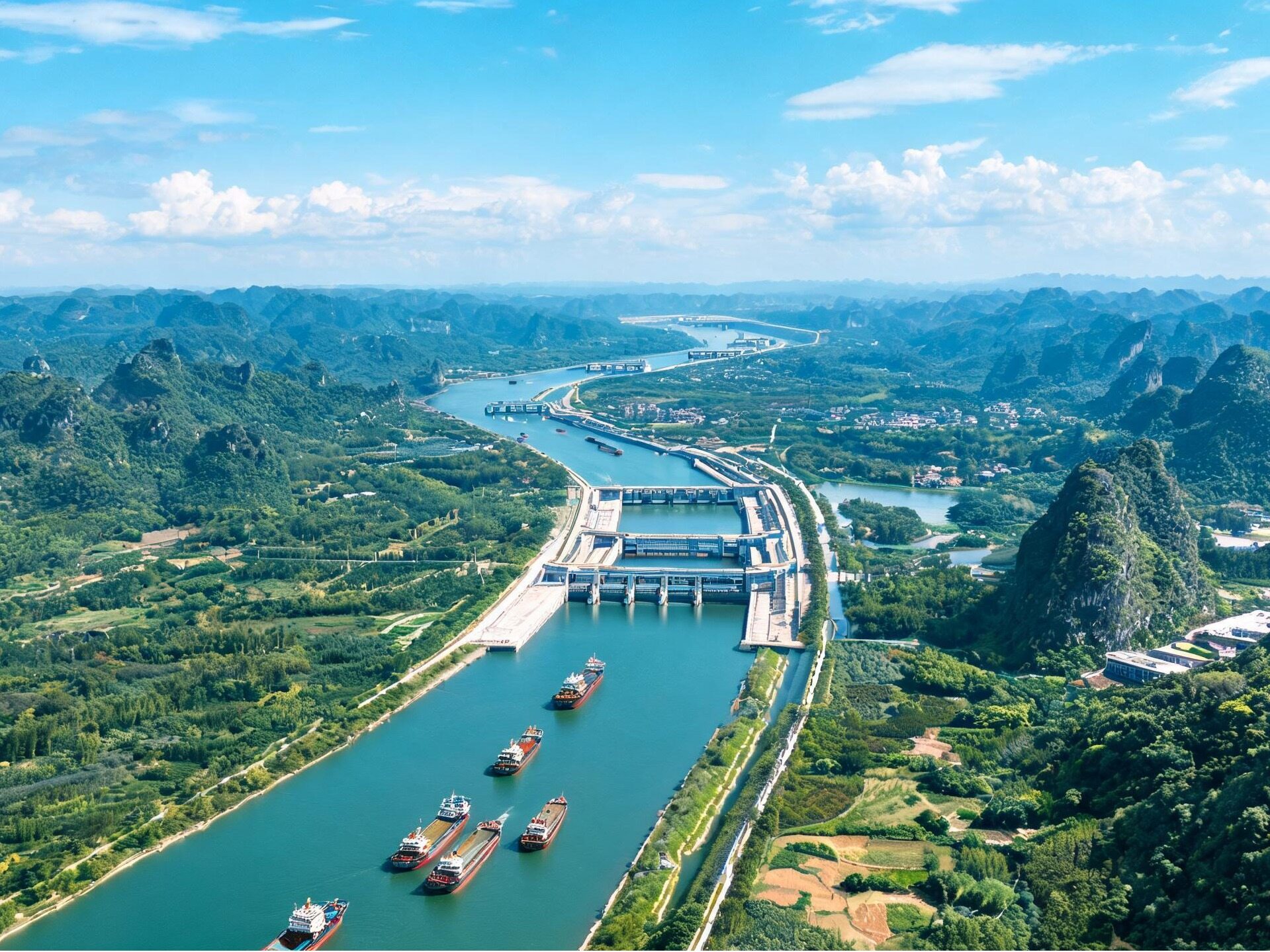
The Dechong Funan Canal was born to untie this knot. It runs south from Phnom Penh, crossing provinces and cities such as Ganla, Chajiao, Gongbu, and Baima to reach the Gulf of Thailand. It is planned to accommodate 3000 ton ships and cover a population of approximately 1.6 million along the route. The project adopts a construction operation transfer model, with Cambodia holding 51% of the shares and China Road and Bridge Corporation holding 49% of the shares. Construction began in August 2024, and the second phase of the project was launched in April 2026.
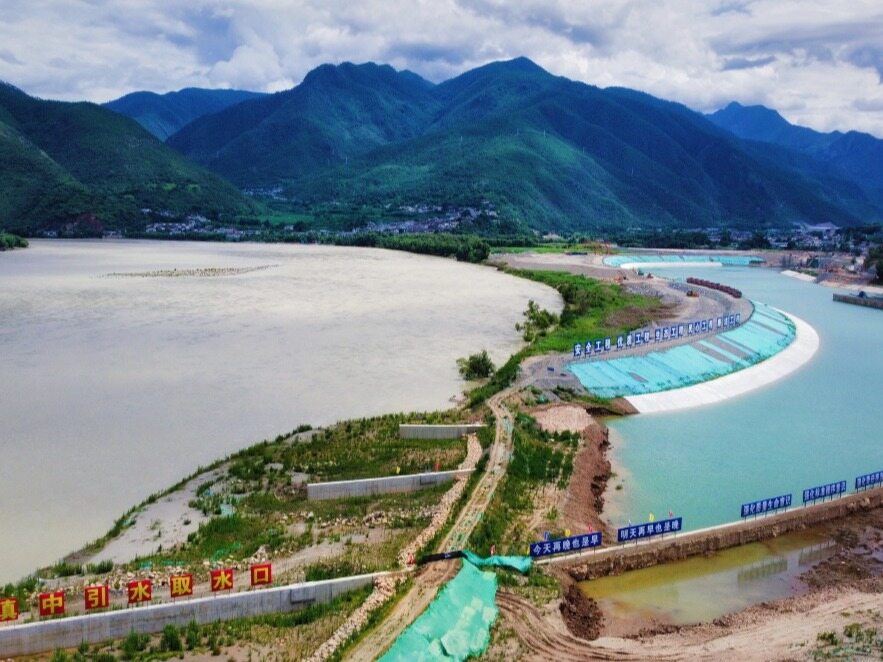
Tea gum station air inlet
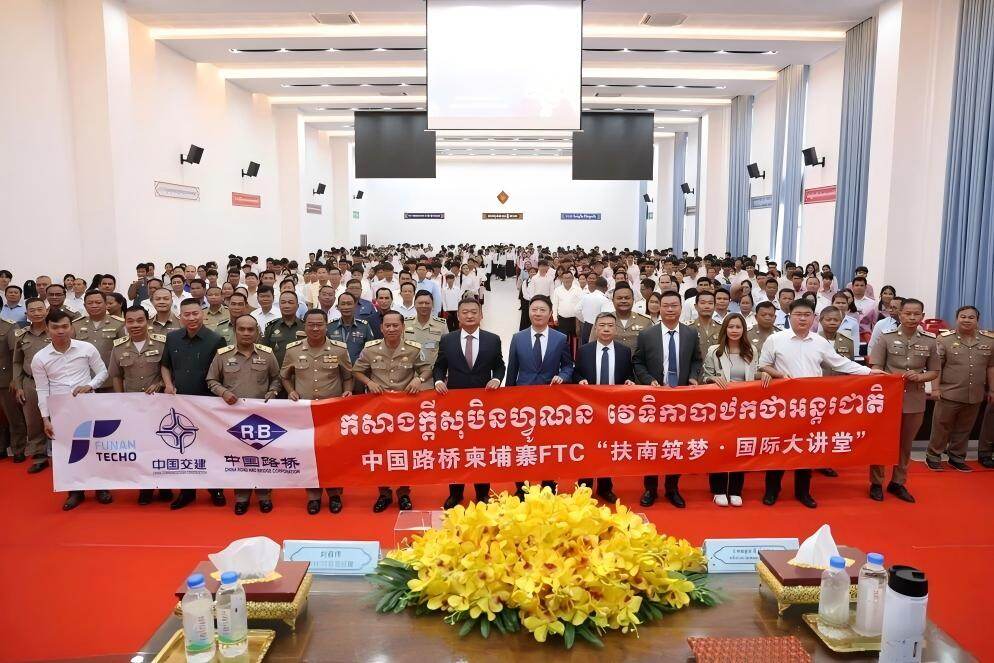
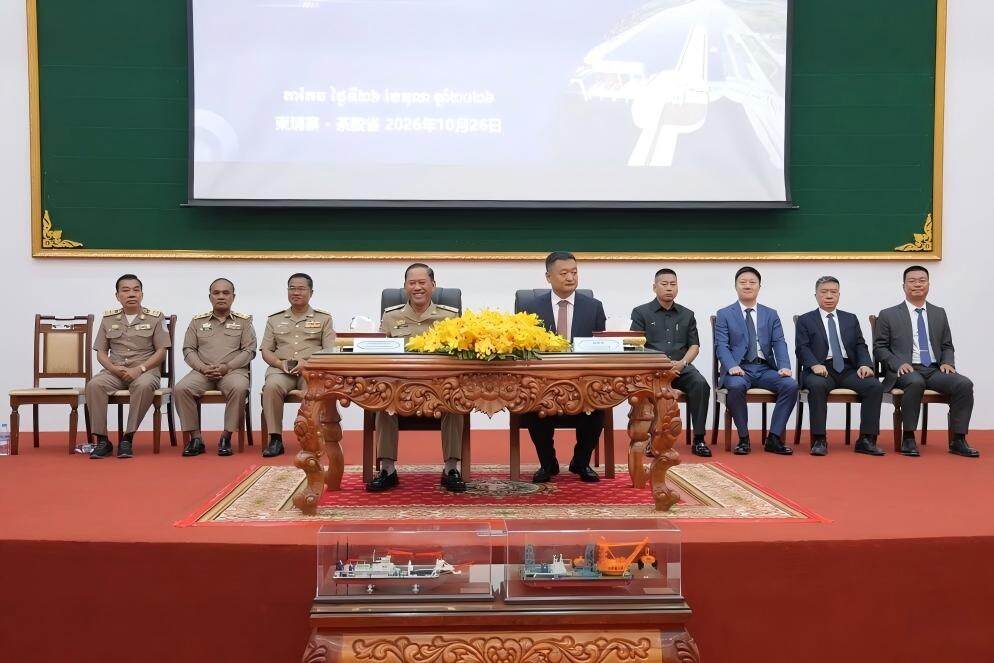
More than two years have passed, and the discussions on the construction site are not only about earthwork and ship locks, but also about how the lives of the people along the line will change. On October 26, 2026, the Tea Jiao Province held the Fu Nan Zhu Meng · International Lecture Hall event to introduce the construction plan, technical solutions, and future economic benefits of the project to local residents and students.
Wei Songnan, the Governor of Chajiao Province, stated at the event that the Dechong Funan Canal is approximately 150 kilometers long, with an investment of about 1.7 billion US dollars, and is planned to be completed by 2028. Liu Zhaowei, General Manager of China Road and Bridge Dechong Funan Canal Project, stated that after the completion of the canal, it will further improve Cambodia's waterway transportation network, enhance cargo transportation capacity, and drive the development of ports and related industries along the route. He pointed out that as an important province along the canal, Chajiao Province is expected to grow into an important shipping hub, benefiting from port construction, logistics transportation, and trade activity growth, injecting new impetus into the local economy.
For tea gum farmers and students, this means that new docks, warehouses, and processing points may emerge at their doorstep, eliminating the need for agricultural products to travel long distances to sea.
After crossing the river and reaching the sea
According to Cambodian calculations, after the canal is opened, the volume of transit through Vietnam will significantly decrease, and the cost of transporting a single container can be reduced by 20-30%. Some goods can also save several days of time; The estimated transportation revenue for the first year of operation is about 88 million US dollars, and it is expected to increase to 570 million US dollars by 2050. Irrigation, flood control, tourism, and urban development will also be driven accordingly.keywords:Engineering infrastructure
A river is connecting the factories in Phnom Penh, the resources in Gongbu, and the port in Baima into a single line. In 2028, when the first cargo ship sailed directly from the Cambodian inland river into the Gulf of Thailand without passing through other countries, the drumming holiday was truly celebrated.Editor/Yang Meiling
Comment

 Praise
 Collect
 Comment

 Share


Write something~