 Search


- Bukhara energy storage project landing, Uzi energy storage market increasing fourfold annually
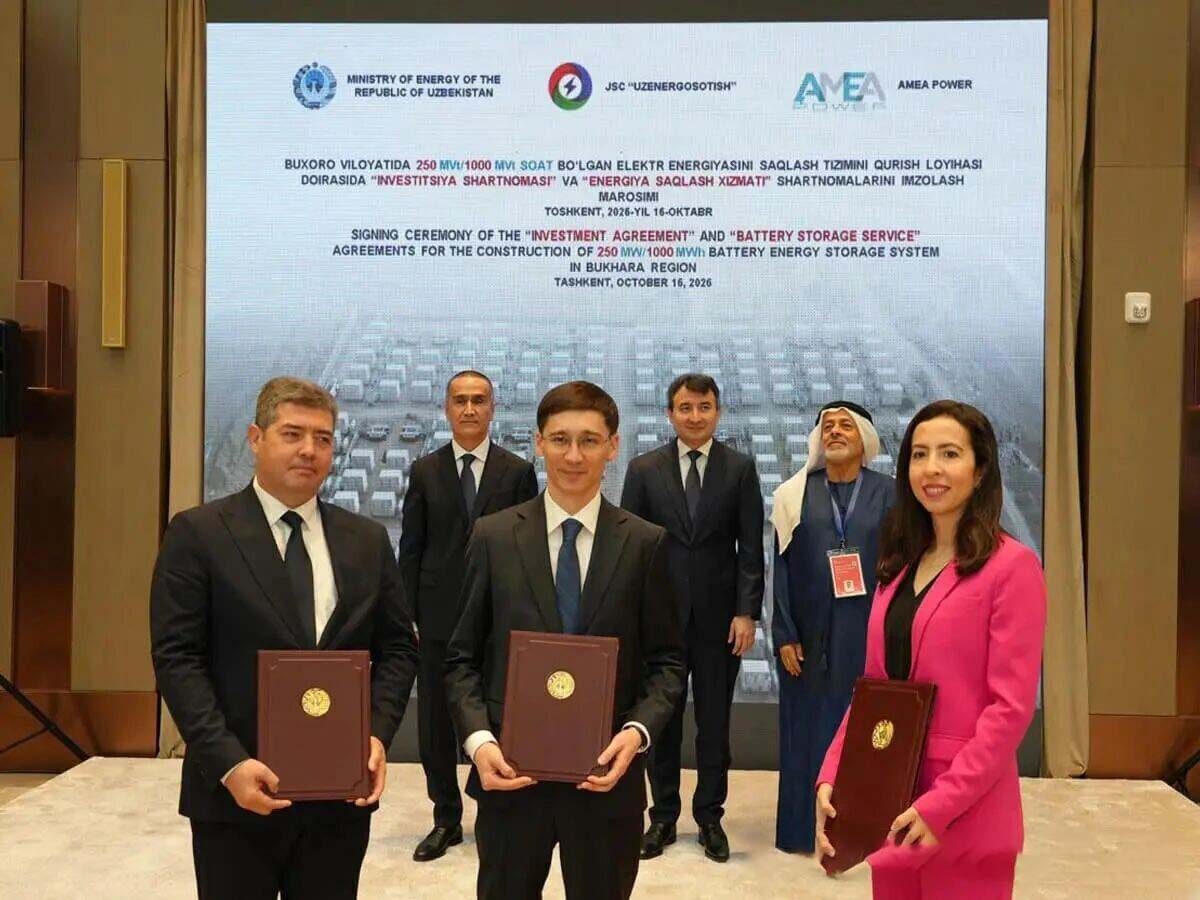
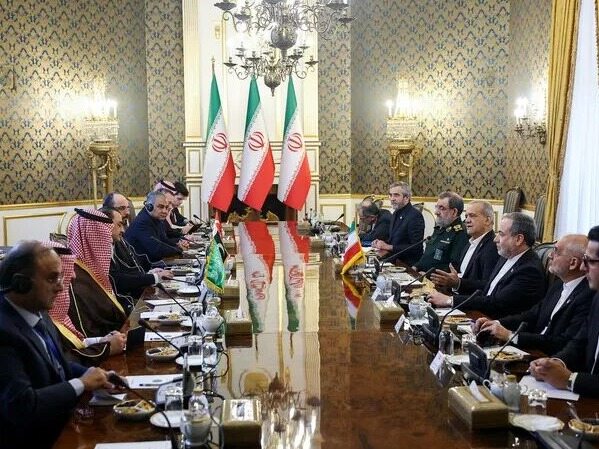
Recently, UAE developer AMEA Power signed an energy storage service agreement with Uzenergosotish JSC, the national purchaser of electricity in Uzbekistan, and signed an investment agreement with the Ministry of Investment, Industry and Trade to construct the 250MW/1000MWh independent battery energy storage project Aftabi in the Bukhara region. The signing ceremony was witnessed by Vice Prime Minister Khojalyev and Minister of Energy Khojalyev. Looking at its size alone, it is not surprising, but it falls into one of the fastest-growing energy storage markets in the world. Uzbekistan's energy storage installed capacity will quadruple in one year by 2025, with 1 kWh of electricity coming from energy storage for every 8 kWh during peak hours.
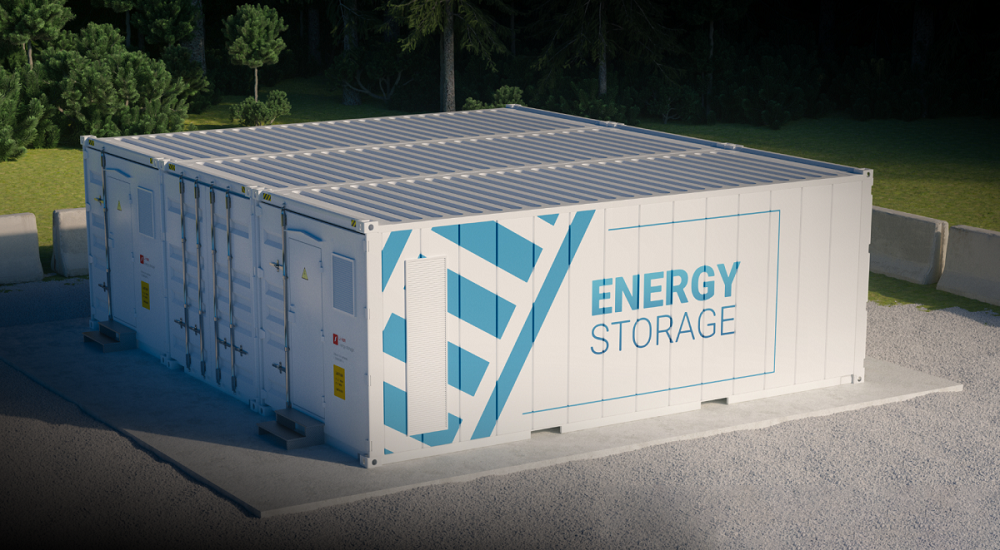
Closed loop independent energy storage mode
The Aftabi project has an installed power of 250MW, an energy storage capacity of 1000MWh, and a full power discharge time of 4 hours. It is located in the Bukhara region and does not rely on a single power station. The two agreements signed are the energy storage service agreement with Uzenergosotish JSC, the national power purchaser, and the investment agreement with the Ministry of Investment, Industry and Trade. The former is close to the internationally recognized capacity leasing model, where developers invest in construction and hold assets to provide peak shaving and frequency regulation services to the power grid in exchange for long-term fixed income; The latter is locked in the investment protection framework at the government level. This means that independent energy storage, which is not tied to photovoltaic wind power and exists purely as a grid asset, has formed a replicable investment model in Uzbekistan.
Four times the market chassis in one year
The energy storage market in Uzbekistan is rapidly expanding. Accumulated installed capacity of 300MW/600MWh in 2024, starting from 150MW each in Fergana and Andijan; By 2025, the cumulative installed capacity will reach 1545MW/2600MWh, with an increase of 1245MW, doubling in a year; By the end of 2026, the target is 2000MW/3600MWh, with a total of 884MW under construction in 6 buildings. By 2030, the target is 4500MW, with an increase of approximately 3GW from 2026 to 2030. The driving factor is rigid. Uzbekistan is laying 3930MW of photovoltaic and 1652MW of wind power, while its power grid is still based on the Soviet era thermal power system, with insufficient regulation capacity. By the summer of 2025, there will be an operating state where 1 kWh of the 8 kWh of electricity is released from energy storage. For every step of wind and photovoltaic power, the energy storage gap widens by one grid. Keywords: Middle East News Network, New Energy, Energy Storage

Chinese enterprise equipment deeply participates
AMEA Power is not a new player in energy storage, and its energy storage sequence has been arranged in a clear route: the 600MWh energy storage supporting the Benban 1GW photovoltaic base in Egypt has been put into operation, and the 150MW/300MWh independent energy storage in Tashkent, Uzbekistan is under construction, in cooperation with Oriental International, the latter's first large-scale independent energy storage EPC in Central Asia, and now the Bukhara project has added 1GWh. Chinese enterprises have been deeply involved in the energy storage market in Uzbekistan. Sunac PowerTitan liquid cooling system supplies Lochin and Tashkent projects with a cumulative capacity of over 800MWh. Shangneng Electric's networked PCS supplies Namangan 100MW/200MWh and completes the first large-scale energy storage black start in Uzbekistan. Jiuzhou Group's standard 400MW/800MWh energy storage cluster. CATL, as the core battery cell supplier, will land in overseas service centers in 2026 and negotiate the localization of the entire battery production and recycling industry chain. BYD blade batteries will enter the industrial side of energy storage, and Huawei's digital energy layout will be distributed energy storage and photovoltaic energy storage industrial parks. The competition dimension in the Central Asian market is different from that in China. Local buyers pay a premium to buy the ability to operate in a wide temperature range of minus 30 degrees Celsius, construct networks, and ensure reliable black start, rather than the price per watt hour. By 2025, Chinese manufacturers will have a market share of over 60% in the lithium battery storage market in Kazakhstan.Editor/Gao Xue
Comment




 Praise
 Collect
 Comment

 Share


Write something~