 Search


- Oman to build 400 MW AI data center for $3 billion
- Entering the Gulf Computing Competition with a combination of local capital leading, green power supporting, and international cooperation

In London in October, the royal procession and business sedan headed towards the same destination. Sultan Hussein bin Tariq of Oman paid a state visit to the United Kingdom, marking the first state visit by an Omani head of state since 1982. Charles III hosted a state banquet at Windsor Castle to welcome him. Beyond the ceremonial agenda, a more future oriented signing was quietly completed: a consortium led by the Omani investment group Mubbadrah Investment announced the construction of a $3 billion artificial intelligence data center with a planned capacity of up to 400 megawatts in Oman.

Written in London
At the signing ceremony, Nasser bin Khamis Al Jashmi, Director General of the Omani Taxation Authority, Liane Saunders, British Ambassador to Oman, and representatives from the UK Trade Office were present to witness the expansion of the scope from investment and space to digital cooperation. The consortium has clear division of labor: Mubbadrah Investment takes the lead, Sustopia Capital, a sustainable financial institution in the UK, is responsible for financing, Vela Tech in the US is responsible for design and construction management, O2 Global Energy specializes in energy support and reserves future expansion space. Sustopia Capital has a total of approximately 5GW of data center platforms in Denmark, the United States, and the United Kingdom; Vela Tech has participated in the construction of large-scale AI data centers such as the Stargate project in Abilene, Texas. According to Yasser Albarami, CEO of Mubbadrah, the group has over 20 companies in areas such as oil and gas, hotels, and healthcare. Oman's stability, strategic location, and energy resources are sufficient to support it as a regional AI infrastructure hub.
Green electric base
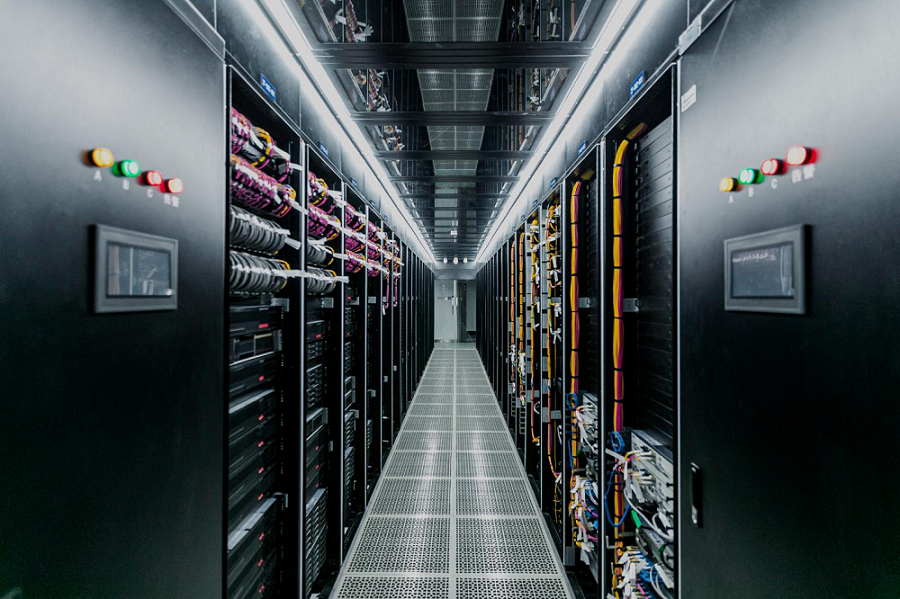
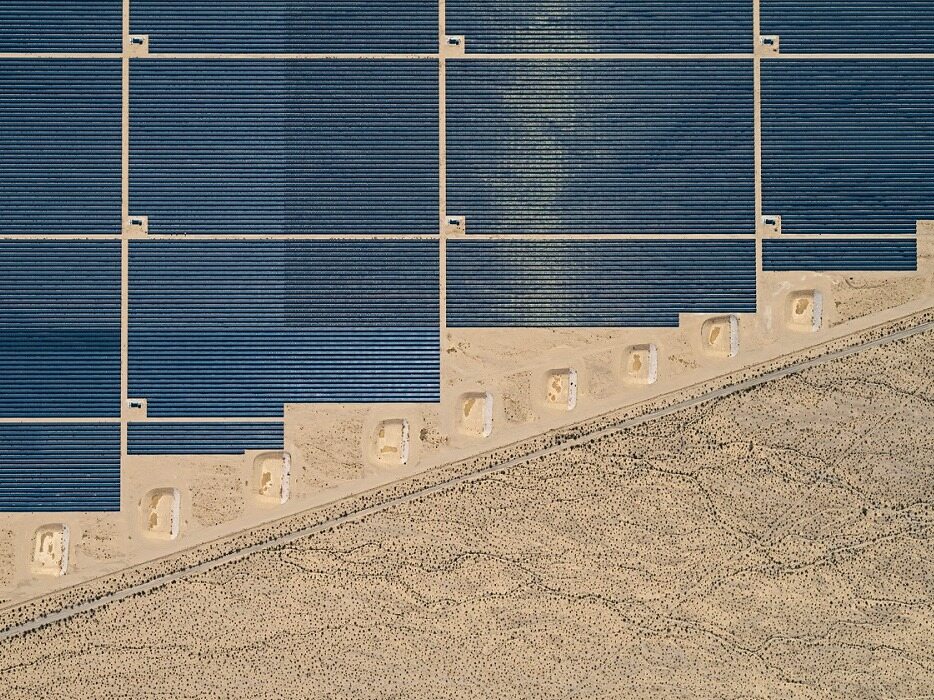
Electricity is the underlying logic of this project. The park adopts a hybrid power supply of national power grid and renewable energy. O2 Global Energy will develop 400MW solar power generation capacity and support battery energy storage to provide clean and reliable incremental electricity. Founder and CEO Yazan Faouri stated that the company has 12 years of experience in solar and renewable energy development, and is involved in the development of green hydrogen and green ammonia projects in the Middle East and North Africa. Oman's confidence comes from its endowment: industrial electricity prices have remained low for a long time, renewable energy installation is still expanding, and the government is also promoting digital regional planning with green data centers, submarine cables, and fiber optic networks as the backbone, and has included the target of the proportion of digital economy to GDP in the 2040 vision. For AI data centers with continuously increasing electricity intensity, putting power and computing power on the same blueprint is the differentiation advantage of Oman's relatively mature market.
Gulf New Seat
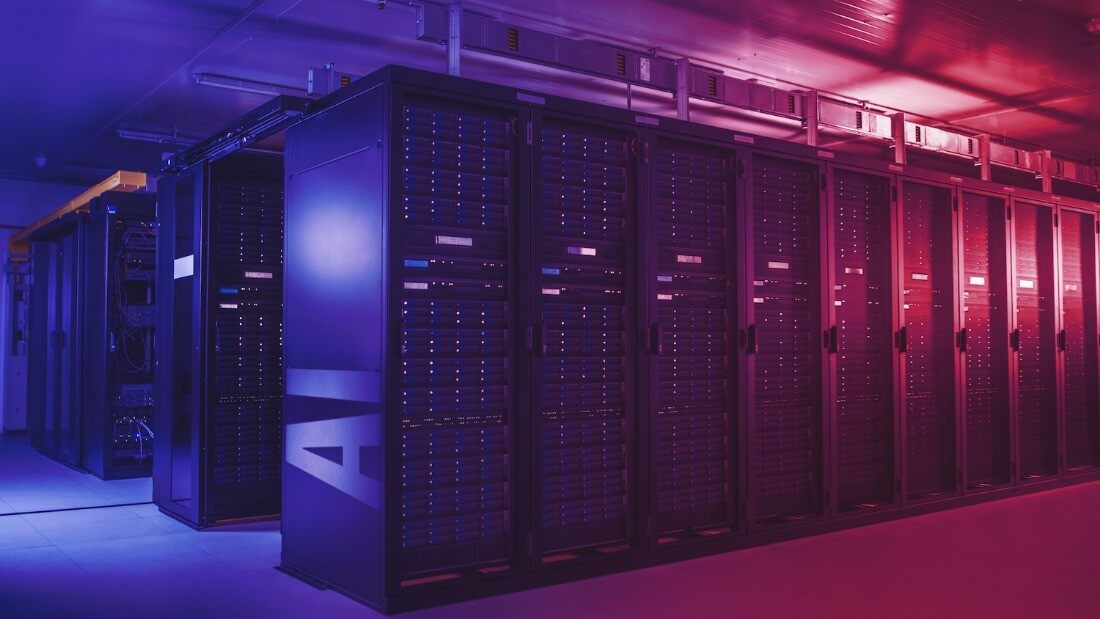
This is the second AI data center transaction in Oman within a week. Previously, British infrastructure developer Yamna had signed a framework agreement with the Omani Ministry of Transport, Communications and Information Technology to build an AI data center in Sierra Leone. The first phase of investment is expected to exceed 1 billion pounds, approximately 1.3 billion US dollars. The English press release of the Mubbadrah project did not disclose the specific location, and some Arabic media reported that it is located in Sierra Leone, pending official confirmation. The bigger focus is on the acquirer: Crusoe from the United States has expressed its intention to become a potential acquirer for the data center capacity of the project, and the consortium is expected to sign confirmation documents in the coming weeks. Crusoe is one of the leading developers of OpenAI and Oracle in the Stargate campus in Abilene, Texas. If it ultimately lands, it will be their first off take arrangement in the Gulf region; The Oman Investment Authority's previous investment in Crusoe has yielded a tenfold return, and this connection makes cooperation not accidental.
From a regional perspective, Saudi Arabia, the United Arab Emirates, and Qatar have formed economies of scale, with Oman being a new entrant after them. But the project is still in its early stages: the intention to purchase is yet to be formalized, the site selection and construction schedule have not been made public, and the pace of the $3 billion in delivery is also yet to be disclosed. Whether the path of energy not leaving the country and computing power achievements going abroad can be successfully achieved not only tests funding, but also execution ability.Editor/Yang Meiling
Comment



 Praise
 Collect
 Comment

 Share


Write something~