 Search


- Help this mountainous country overcome the winter power shortage crisis
- It also enables China's hydropower technology and equipment to take root on the Central Asian Plateau
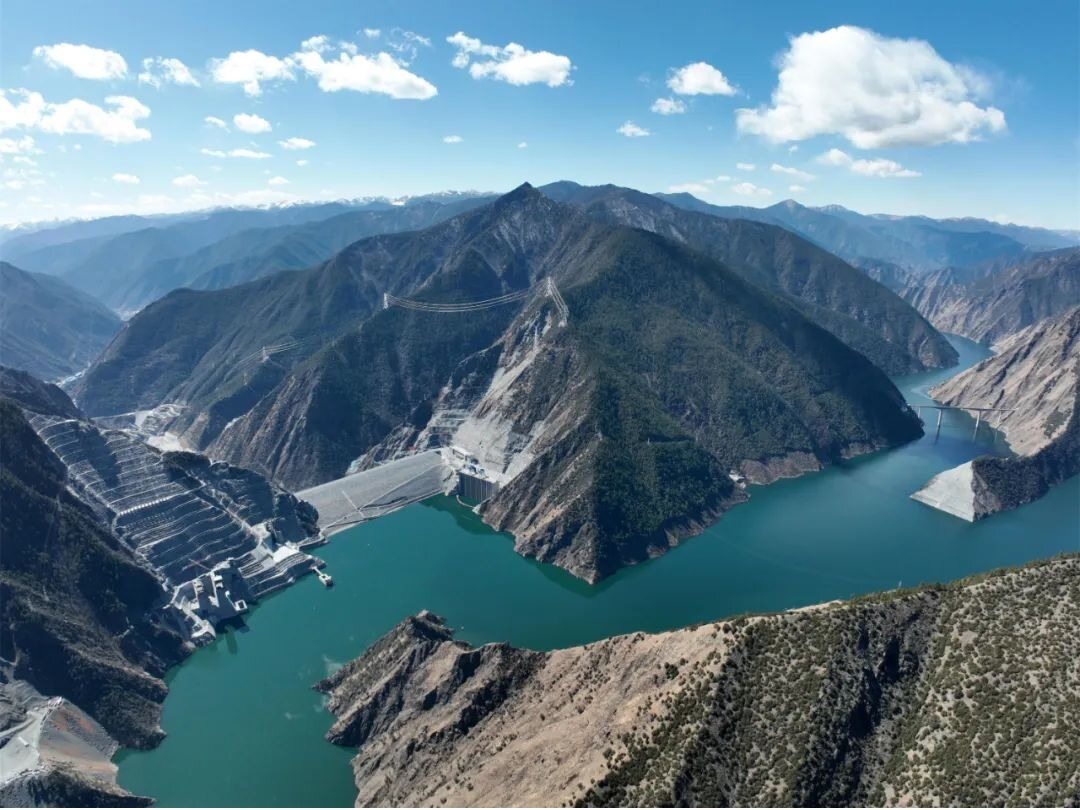
On November 16, 2018, in the depths of the Vakhsh River valley, the cold wind was piercing. Tajikistan President Rahmon personally pressed the start button, and the first unit of the Rogun hydropower station was connected to the grid for power generation. For a country with 90% of its territory consisting of high mountains and plateaus and frequent power outages in winter, this press not only illuminates one unit, but also represents the long-awaited hope of several generations.
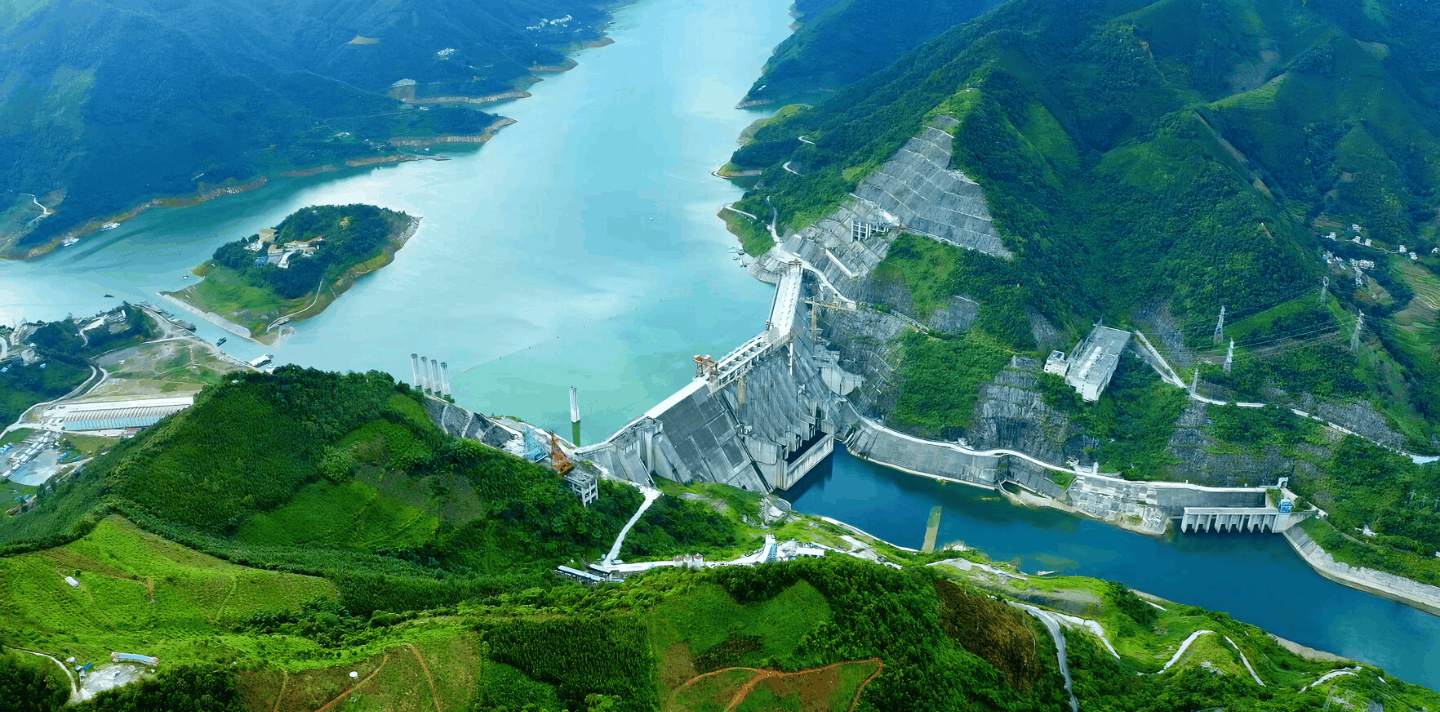
Tajikistan ranks among the top in terms of per capita water resources in the world, with over 90% of the country's electricity generation coming from hydropower. During winter, the water level of rivers drops and power generation sharply decreases, causing many households to rely on candles and firewood for the winter; There is surplus electricity in summer, but it can only be sent out at a low price. The dilemma of summer surplus and winter shortage has elevated the development of hydropower to a national strategy, and has also made the Luogong Hydropower Station known as the Century Project by the people of Tajikistan.
Half a century of waiting
The story of Rogun began in 1975, during the Soviet era when construction began. However, due to the turbulent situation, it was put on hold for a long time and construction was not restarted until 2008. It is located on the upper reaches of the Vakhsh River, 110 kilometers away from the capital Dushanbe, with a designed dam height of 335 meters. After completion, it will become the world's tallest earth rock dam, with a total storage capacity of 13.3 billion cubic meters and six 600 MW units. The total installed capacity is 3.6 million kilowatts, and the average annual power generation is about 13 billion kilowatt hours. The difficulty lies in the environment itself: the earthquake intensity at the dam site is as high as 9 degrees, the rock structure is loose, there is a potential landslide risk on both sides, and the construction difficulty is rare in the world.
China's power on the plateau
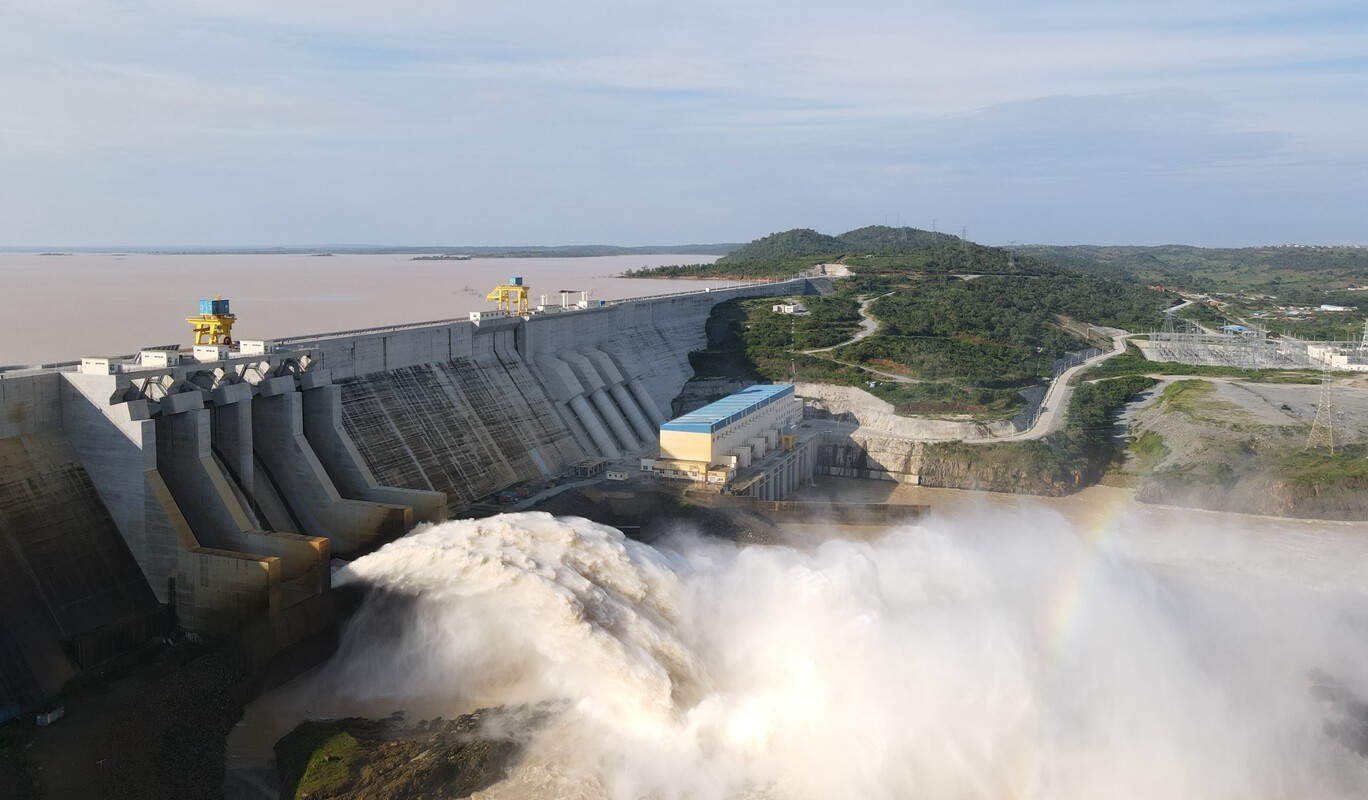
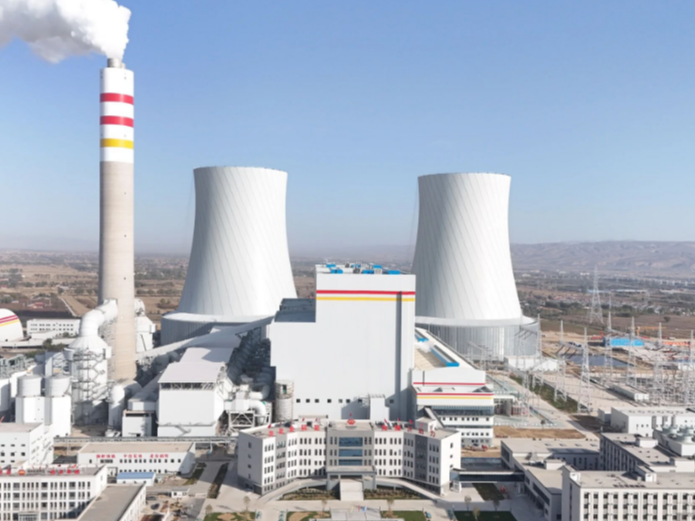
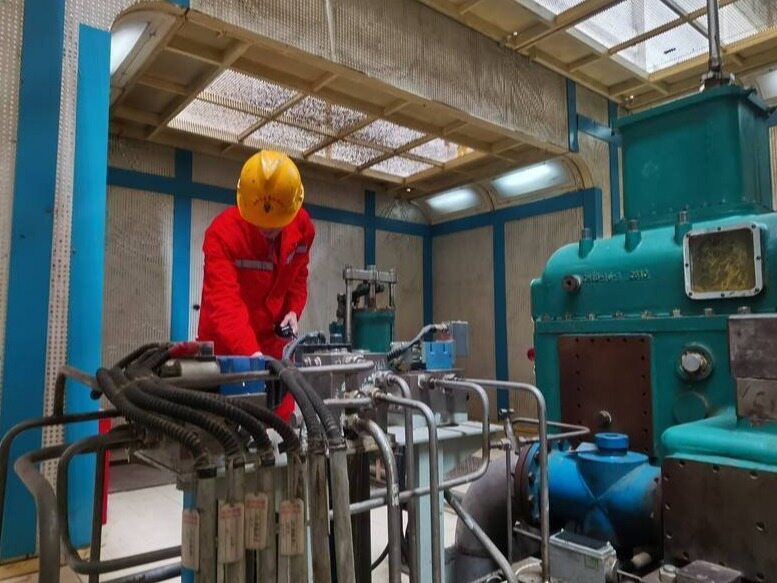
With the deepening of the joint construction of the the Belt and Road, Chinese enterprises have entered the Pamirs. China Power Construction undertakes the construction of the Luogong Hydropower Station's power dissipation pool and other projects, participates in the manufacturing and installation of power distribution equipment, and Chinese experts are stationed on site to provide technical guidance; TBEA has built two new thermal power plants in Dushanbe, and China Power Construction has also participated in the technical renovation of the Grafnaya hydropower station. During his inspection of the construction site, Prime Minister Rasulzoda highly praised the professional ability and collaborative spirit of Chinese enterprises, and welcomed more Chinese enterprises to participate in key projects in the field of energy in Tajikistan. At present, two units have been put into operation, generating a total of 9.1 billion kilowatt hours. Unit 3 is planned to be put into operation in 2027.
New business card for hydropower going global
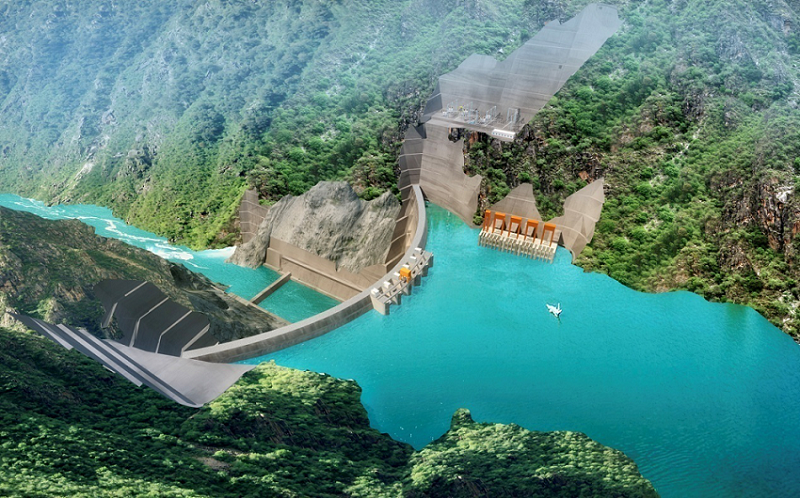
A world-class project like Luo Gong is the best testing ground for China's hydropower industry. China has a complete set of independent technology systems in areas such as giant power stations in major rivers, dam construction in high-altitude strong earthquake areas, and geological disaster prevention and control, which are highly matched with the large amount of undeveloped hydropower resources in Central Asia. The industrial chain links such as electromechanical equipment, special engineering equipment, engineering consulting, geological exploration, and dam monitoring and operation have all entered the window of going global; Hydroelectric engineers and overseas project managers who understand Russian and are familiar with high-altitude mountain construction standards will also be popular in the wave of water conservancy development in Central Asia. With the advancement of regional transmission channels such as CASA-1000, opportunities for cross-border power cooperation will continue to be released.keywords:Engineering infrastructure
From the great rivers to the roof of the world, China's hydropower industry has gone global not only in terms of engineering delivery capabilities, but also in terms of technology and experience that can be retained and used. Green and clean hydropower not only helps the mountain country stabilize its energy lifeline, but also makes the green background of the joint construction of the the Belt and Road brighter and brighter on the Pamirs Plateau.Editor/Yang Meiling
Comment



 Praise
 Collect
 Comment

 Share


Write something~