 Search


- Daily processing of thousands of tons of garbage power plant landed in Harare
- Not only does Zimbabwe bid farewell to the garbage siege, but it also adds another African model for China's solid waste technology to go global
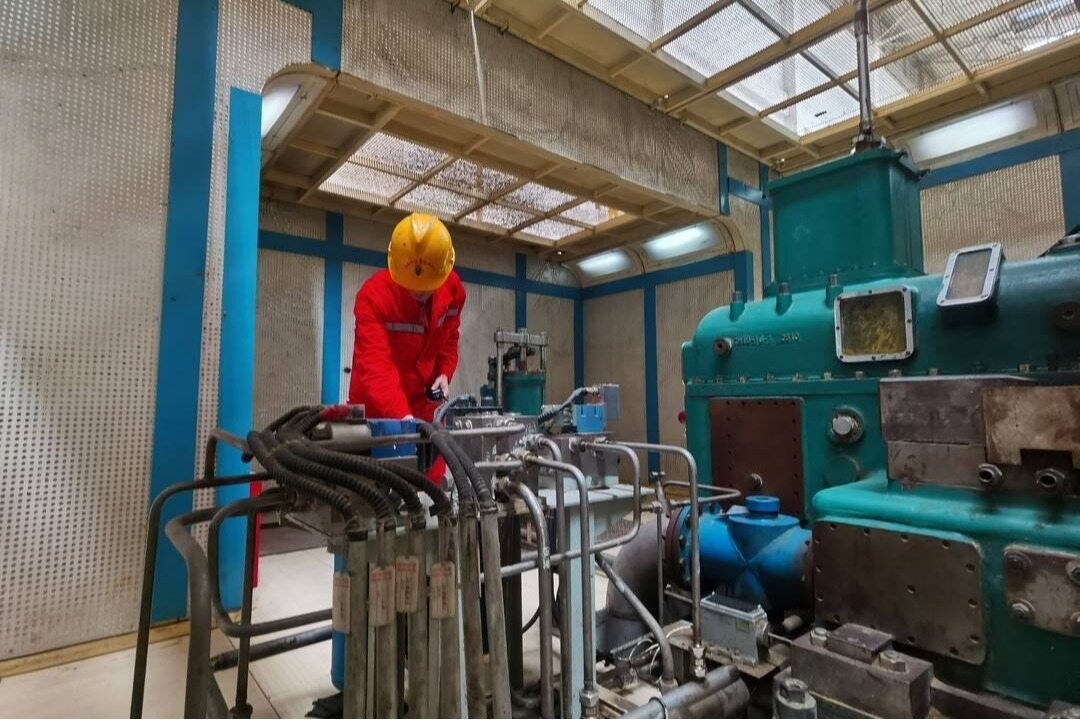
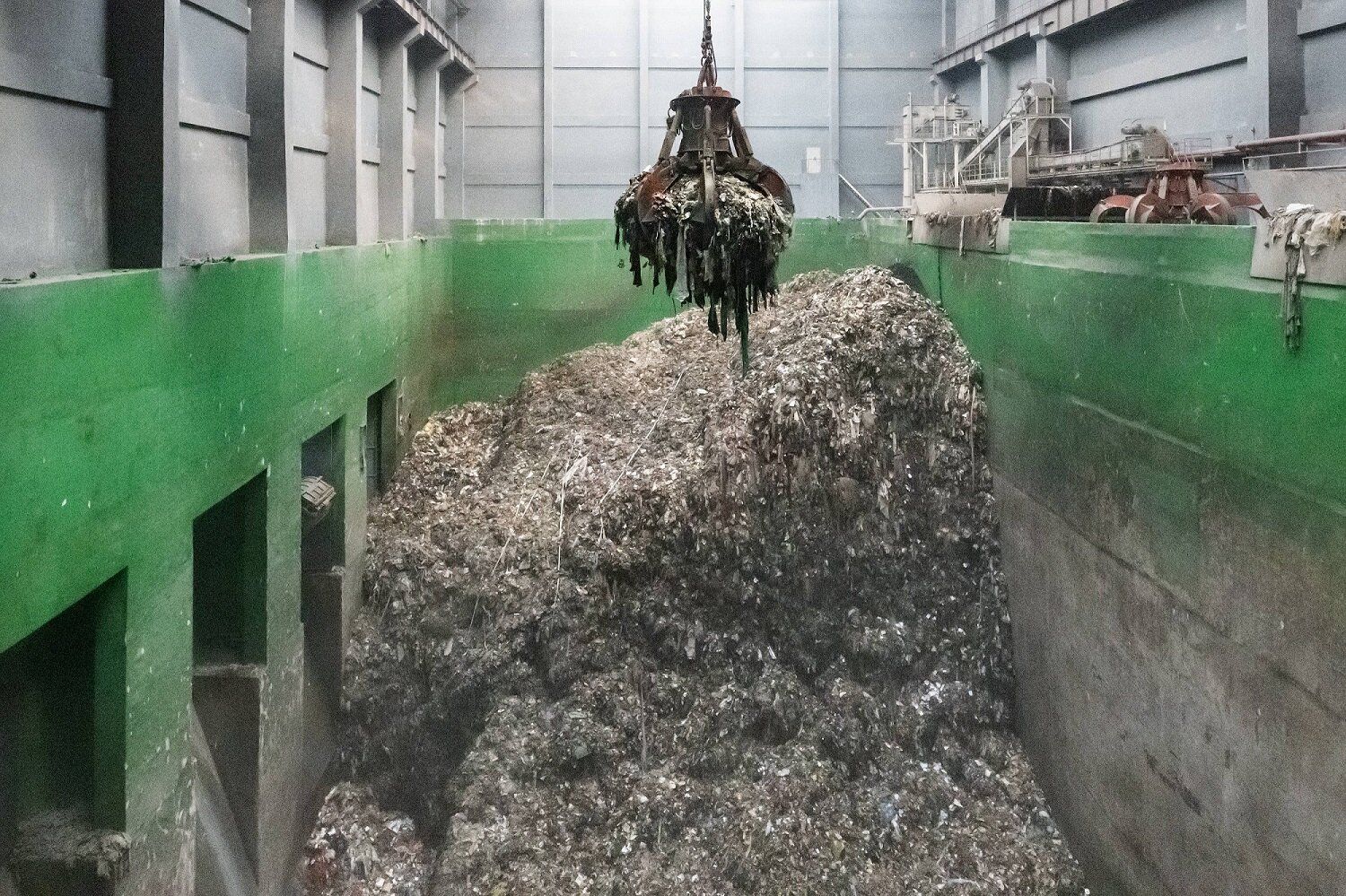
In the early morning of Harare, piles of household waste on street corners are often left unattended for several days. As the rainy season approaches, unrecovered waste blocks ditches and pollutes water sources, piling up in garbage piles next to shopping centers and community open spaces, which is a scene repeatedly reported by local media. The change will start with a contract that has just been signed.
Signing in the Presidential Palace
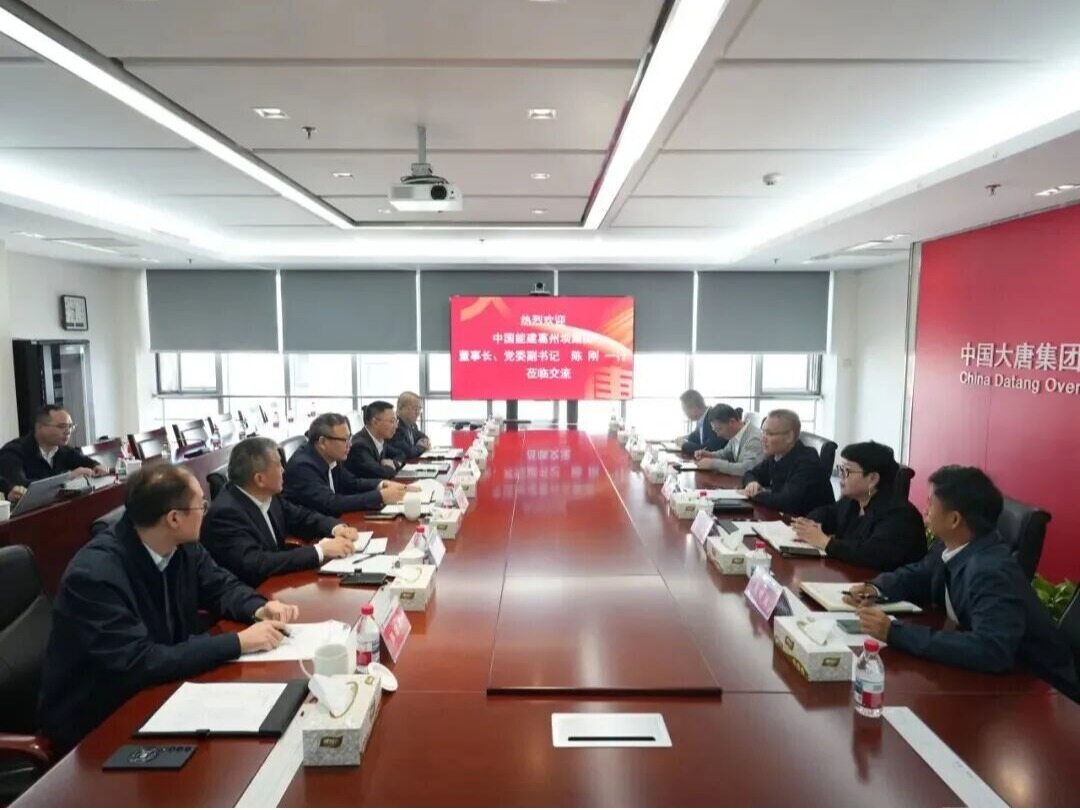
Witnessed by Zimbabwean President Emmerson Mnangagwa, Weiming Environmental Protection and Geo Pomona Waste Management Company held a signing ceremony for the Harare Waste to Energy Project Facility General Contract at the Presidential Palace. Both parties will jointly build the country's first waste to energy plant. The project has a processing capacity of 1000 tons per day, with a total contract amount of approximately 75 million US dollars and a planned construction period of about 2 years. Weiming Environmental Protection is the leading consortium responsible for facility general contracting and has been listed as a national project in Zimbabwe.
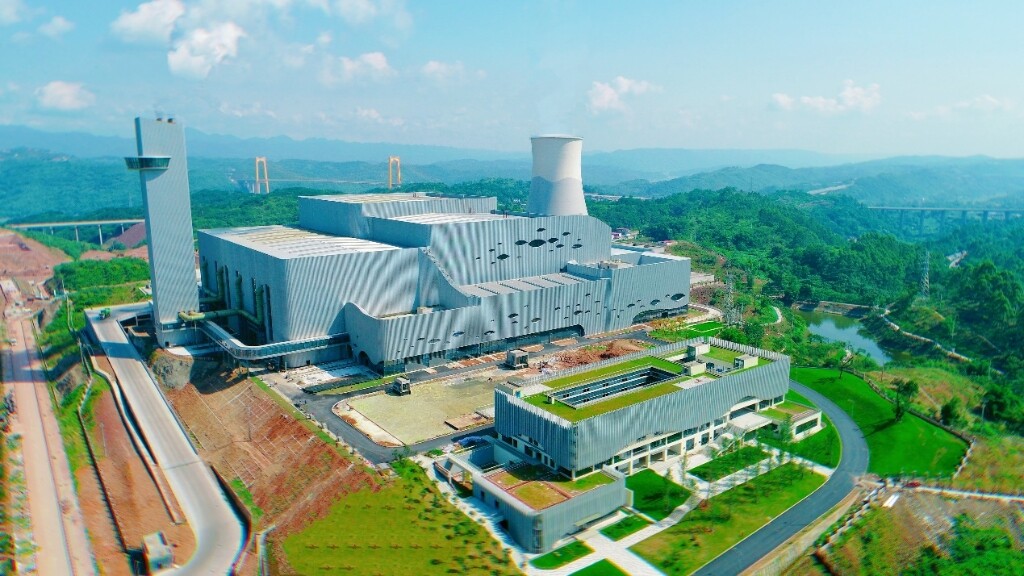
The division of labor is equally clear: Geo Pomona has obtained the franchise for the collection, transportation, and disposal of waste in Harare, responsible for delivering urban waste to the factory gate; Weiming Environmental Protection is responsible for the design and equipment supply. The preliminary design has been completed and the production and supply plan is gradually being arranged. Both parties also agreed to continue exploring cooperation on other projects in Zimbabwe in the future.
Garbage mountain turned into electricity
Garbage to energy generation is not unfamiliar to Africa. Addis Ababa, the capital of Ethiopia, has built Africa's first waste to energy plant, capable of processing 1400 tons per day and generating approximately 185 million kilowatt hours of electricity annually. And China's confidence comes from local practices: by the end of 2025, there will be over 1100 domestic waste incineration facilities in China, accounting for about 60% of the world's incineration capacity. Chinese companies have participated in 101 overseas waste incineration projects. How to burn high water content and low calorific value garbage stably? Chinese companies have developed replicable methods in thousands of power plants, which is exactly the ability that developing countries need the most.
Expand the overseas territory further
Outside of Africa, Southeast Asia is advancing simultaneously. In March of this year, a consortium led by Weiming Environmental Protection won consecutive bids for two waste to energy projects in Bali and Bogor, Indonesia, with a design scale of 1500 tons per day. The operation cooperation period is 30 years after commercial operation, and the Bali project started construction in July. In the third quarter, two projects successively completed the signing of power purchase and sale agreements and environmental impact assessments, obtained the Zhejiang Provincial Development and Reform Commission's overseas investment project filing notice and the Zhejiang Provincial Department of Commerce's enterprise overseas investment certificate, and started construction. Domestically, the company has won the bid for the Shanxi Province Yellow River region domestic waste incineration power generation project, with a designed capacity of 500 tons per day.
The third quarter report released on October 27th showed that the company's operating revenue for the first three quarters was 4.894 billion yuan, a year-on-year decrease of 16.77%; The net profit attributable to the parent company was 1.403 billion yuan, a year-on-year decrease of 34.29%; In the third quarter, the operating revenue was 1.825 billion yuan, a year-on-year decrease of 7.64%, and the net profit attributable to the parent company was 473 million yuan, a year-on-year decrease of 33.36%. Under pressure on performance, the operating end is still growing: the amount of garbage stored in the first three quarters was 11.2703 million tons, a year-on-year increase of 6.8%, the on grid electricity was 3.138 billion kWh, a year-on-year increase of 11.4%, the amount of steam supplied externally was 97900 tons, a year-on-year increase of 24.2%, and 497800 green certificates were sold.
From Wenzhou to Jakarta, and then to Harare, power plants are turning China's pollution control experience into the daily routine of cities in other countries.Editor/Yang Meiling
Comment

 Praise
 Collect
 Comment

 Share


Write something~