 Search


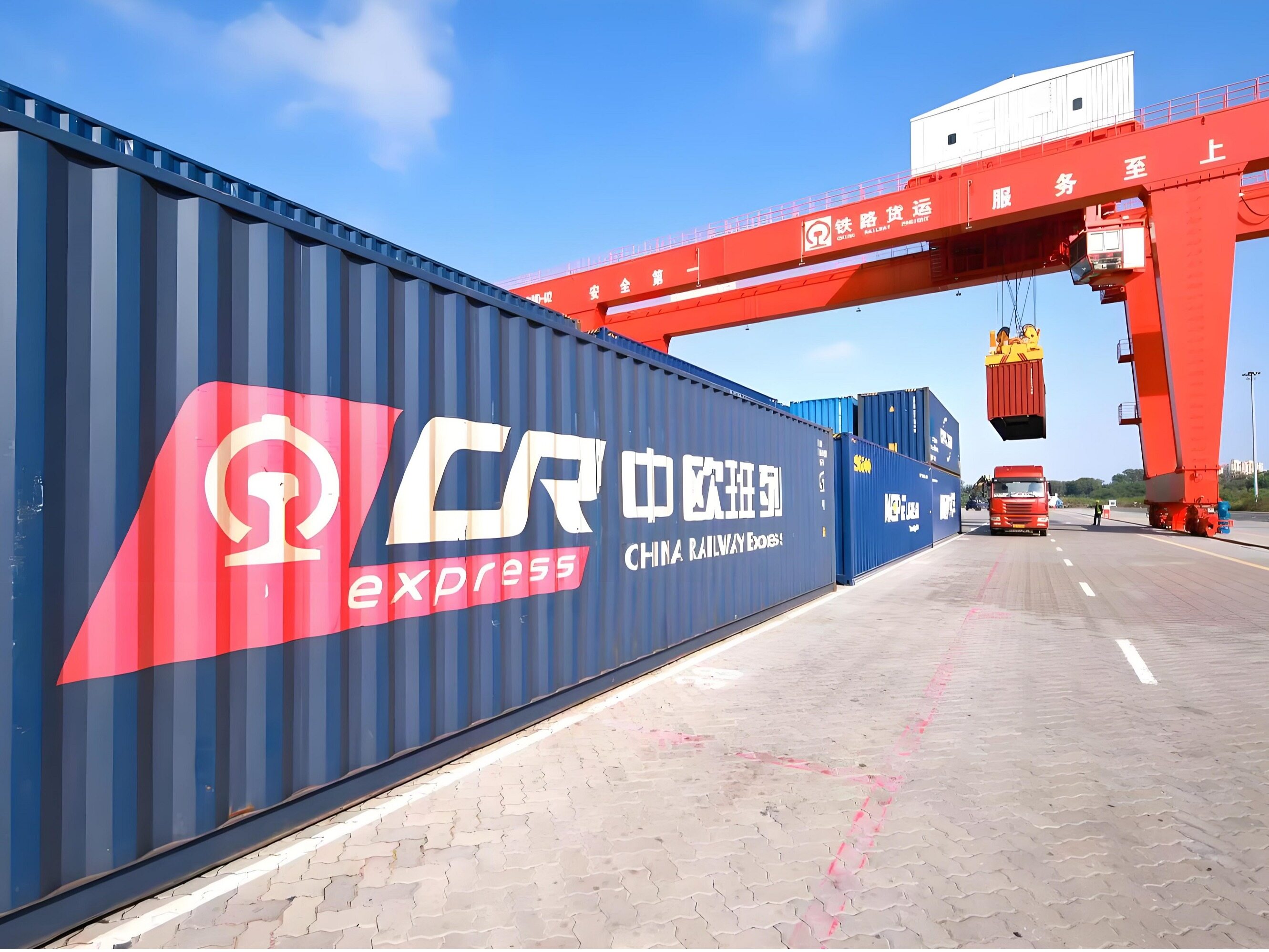
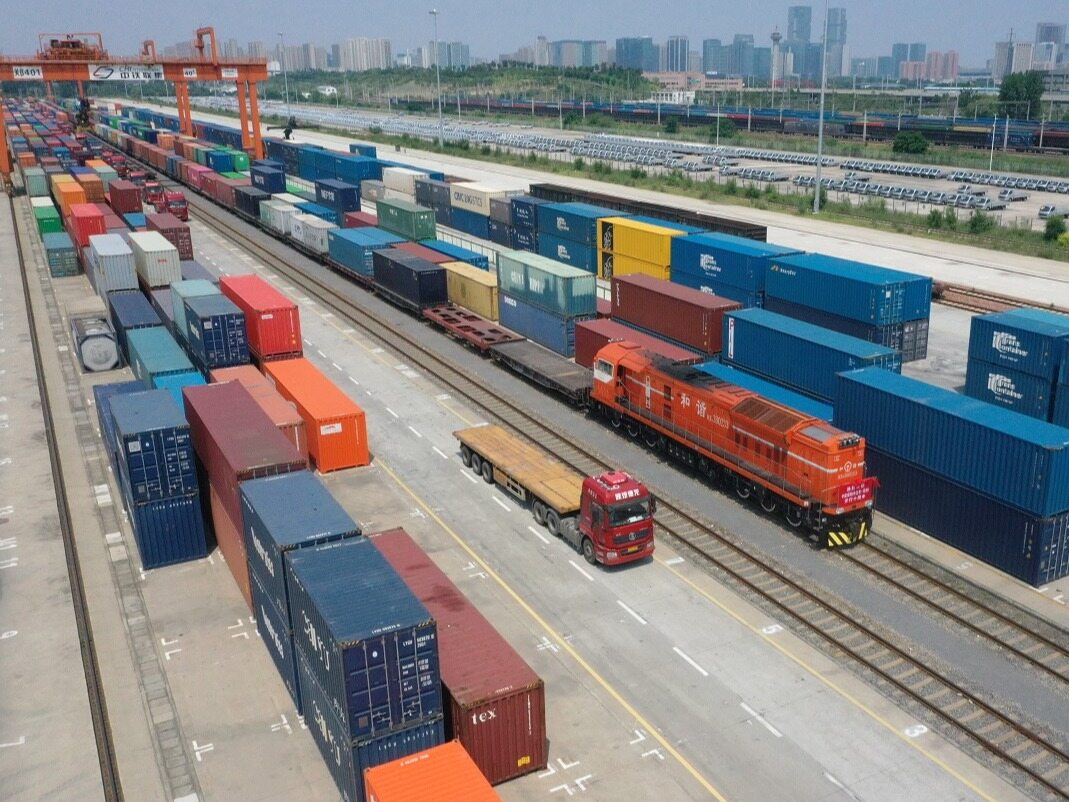
- The expansion of the China Europe freight train corridor adds new momentum to the China Mongolia Russia corridor
Sign and write, a piece of agreement pressed the fast forward button for the construction of Far East Railway. On November 2, 2026, Russian President Putin signed a document officially approving the agreement between the Chinese and Russian governments to jointly construct the 1435mm gauge second line of the Baikal Manzhouli cross-border railway. At this point, the major cross-border infrastructure project signed in Beijing in May 2026 has completed all the domestic legal approval processes of the Russian side, paving the way for the commencement of the project.
Ports are no longer blocked
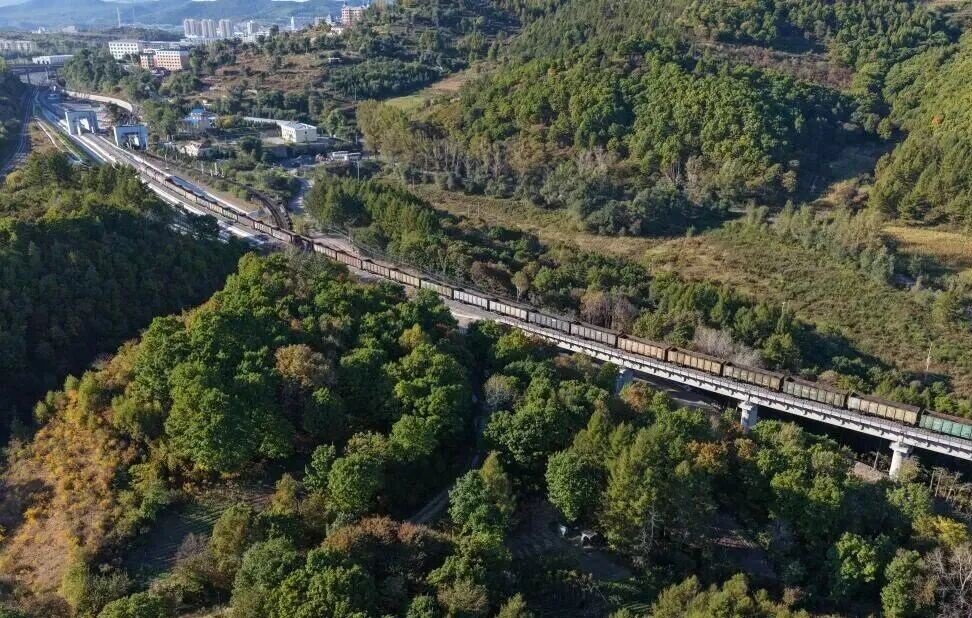
Manzhouli and Houbaijiarsk ports are one of the busiest railway hubs with the largest transportation volume between China and Russia, and also the core nodes of the China Mongolia Russia Economic Corridor. For a long time, there has only been one standard gauge cross-border route here, which is often congested due to changes in equipment and limited traffic capacity, restricting the efficiency of China Europe freight trains, energy and commodity circulation. Russian domestic railways generally use 1520mm wide gauge, while China uses 1435mm standard gauge. The two gauges are incompatible, and cross-border goods must be changed at ports, which is time-consuming and labor-intensive, and has been a bottleneck for a long time.
Second line leads to global activation
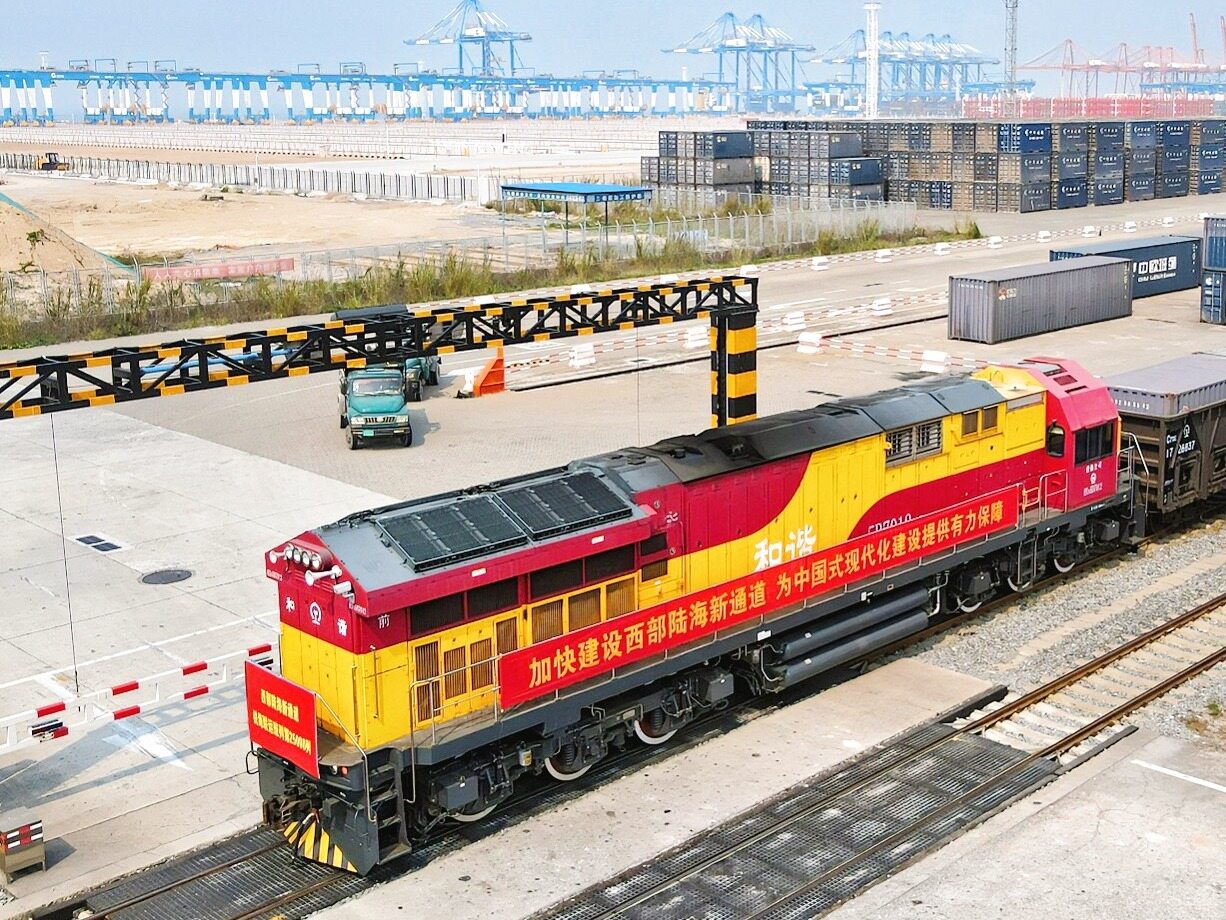
The newly built second line directly adopts China's 1435mm standard gauge, which is consistent with the domestic railway gauge. After the completion of the project, the port's traffic capacity will significantly increase, and the pressure of equipment replacement will be significantly alleviated. The speed of China Europe freight trains and the efficiency of cross-border logistics turnover will also be significantly improved. This is not simply laying an extra section of railway track, but a crucial step in opening up the land artery and consolidating the economic and trade channel between China and Russia. The agreement was signed under the witness of the two heads of state during Putin's visit to China in May, and was subsequently submitted to the Russian State Duma and Federal Council for review. It was passed by the Duma on October 15 and approved by the Federal Council on October 28, and finally signed into effect by Putin. The process was rigorous and orderly, which shows Russia's emphasis on the project.
At present, China Russia economic and trade continue to grow rapidly, and the scale of two-way circulation of energy, grain, minerals, and electromechanical products continues to reach new highs. A stable land route is the foundation of trade growth. Against the backdrop of a complex external trade environment and increasing uncertainty in shipping channels, this cross-border railway line can further enrich logistics options between China and Russia, reduce transportation costs, and enhance supply chain resilience. At the same time, the project is also a landmark project for the docking of the "the Belt and Road" and the Russian development plan, driving the integration and upgrading of port facilities, warehousing and customs clearance, benefiting the economy of the border areas of the two countries, and driving local employment and industrial development.
Many people are concerned about the gauge arrangement, but it should be objectively viewed: the Russian side has not changed the wide gauge system of its railways, only added a standard gauge special line in the cross-border port section, specifically adapted to Chinese trains, taking into account both sides' technical systems and sovereign arrangements, which is a practical solution. This cooperation model embodies the logic of mutual respect, mutual benefit and win-win cooperation between China and Russia. It does not force one party to change its own standards, but solves cross-border transportation pain points through infrastructure expansion. Keywords: China Europe freight trains, interconnectivity
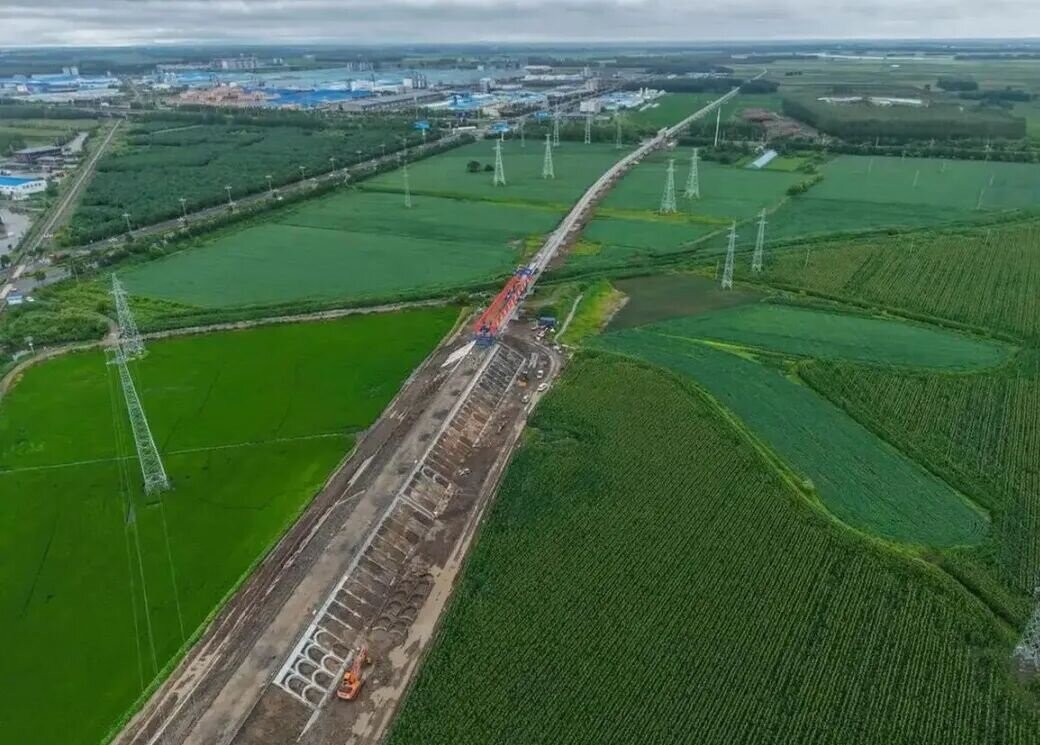
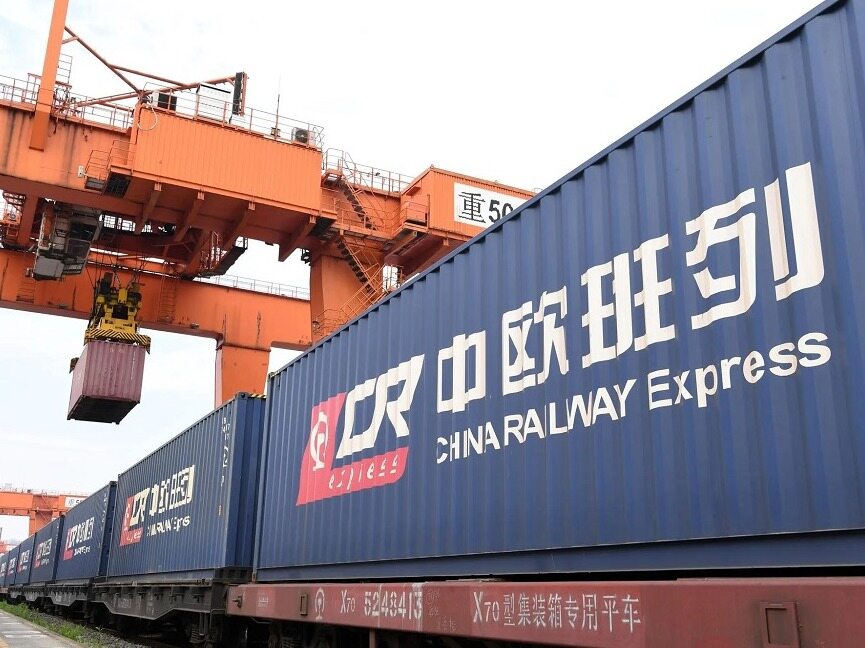
The comprehensive strategic partnership between China and Russia in the new era has never been a consensus on paper, but is supported by a series of infrastructure, energy, and transportation projects that have been implemented. Railway connectivity leads to smooth trade; If the channel is stable, cooperation is far away. This cross-border new railway not only connects freight routes, but also serves as a link for deep linkage between the two countries and the Asia Europe market. With the official entry into force of the agreement, relevant departments of both countries will further refine the plan, prepare for construction, and provide customs clearance support. After the expansion of the channel, the number of China Europe freight trains is expected to further increase, and the vitality of the China Mongolia Russia Economic Corridor continues to be released, injecting strong impetus into regional multilateral trade and connectivity between the Asian and European continents.Editor/Min Jing
Comment

 Praise
 Collect
 Comment

 Share


Write something~