 Search


- Haidong Water Plant Becomes the First ISO 14068 Carbon Neutral Water Plant in the Domestic Water Industry
- Transforming the dual carbon target from a commitment to an accountable and replicable carbon reduction sample
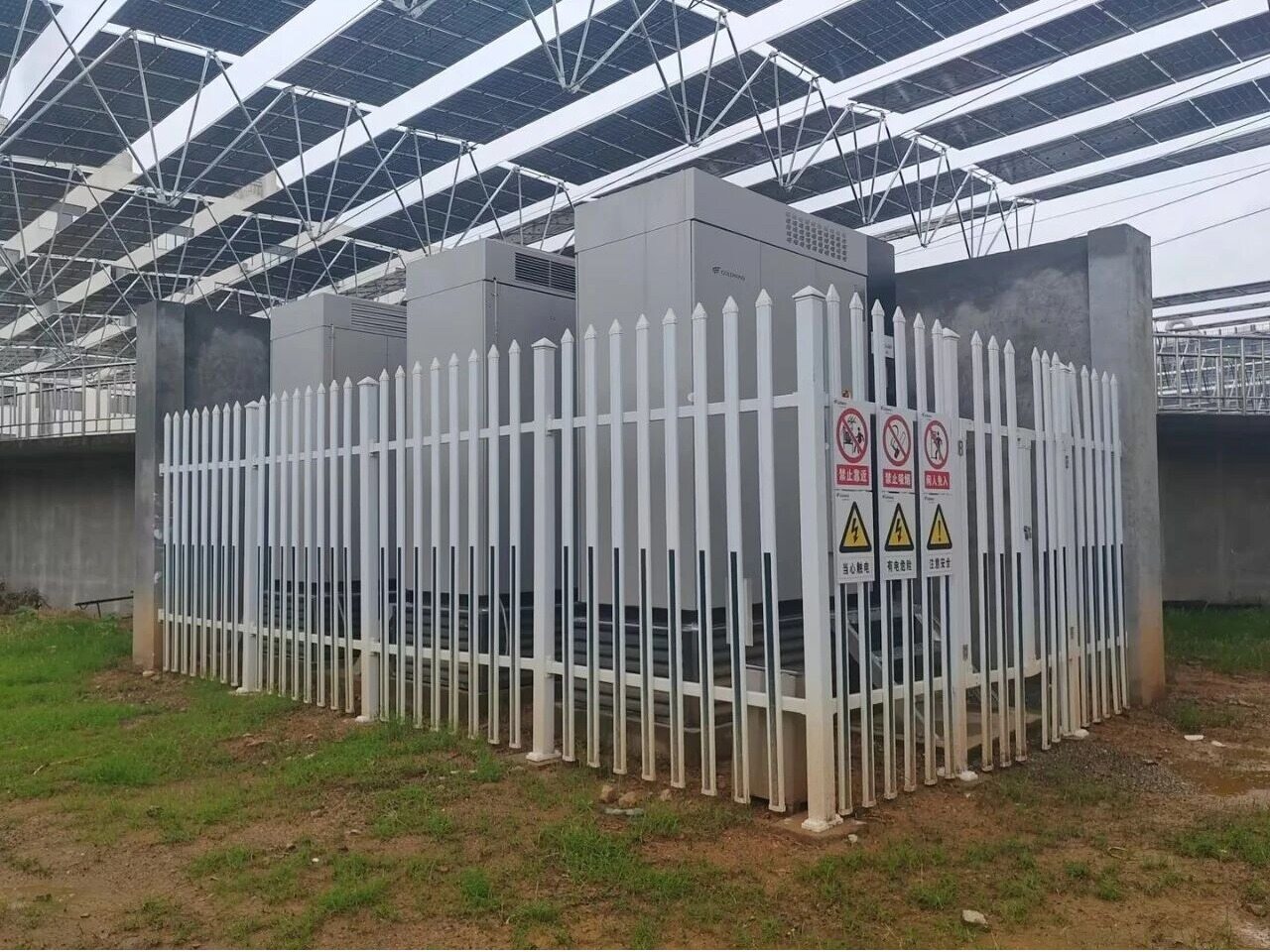
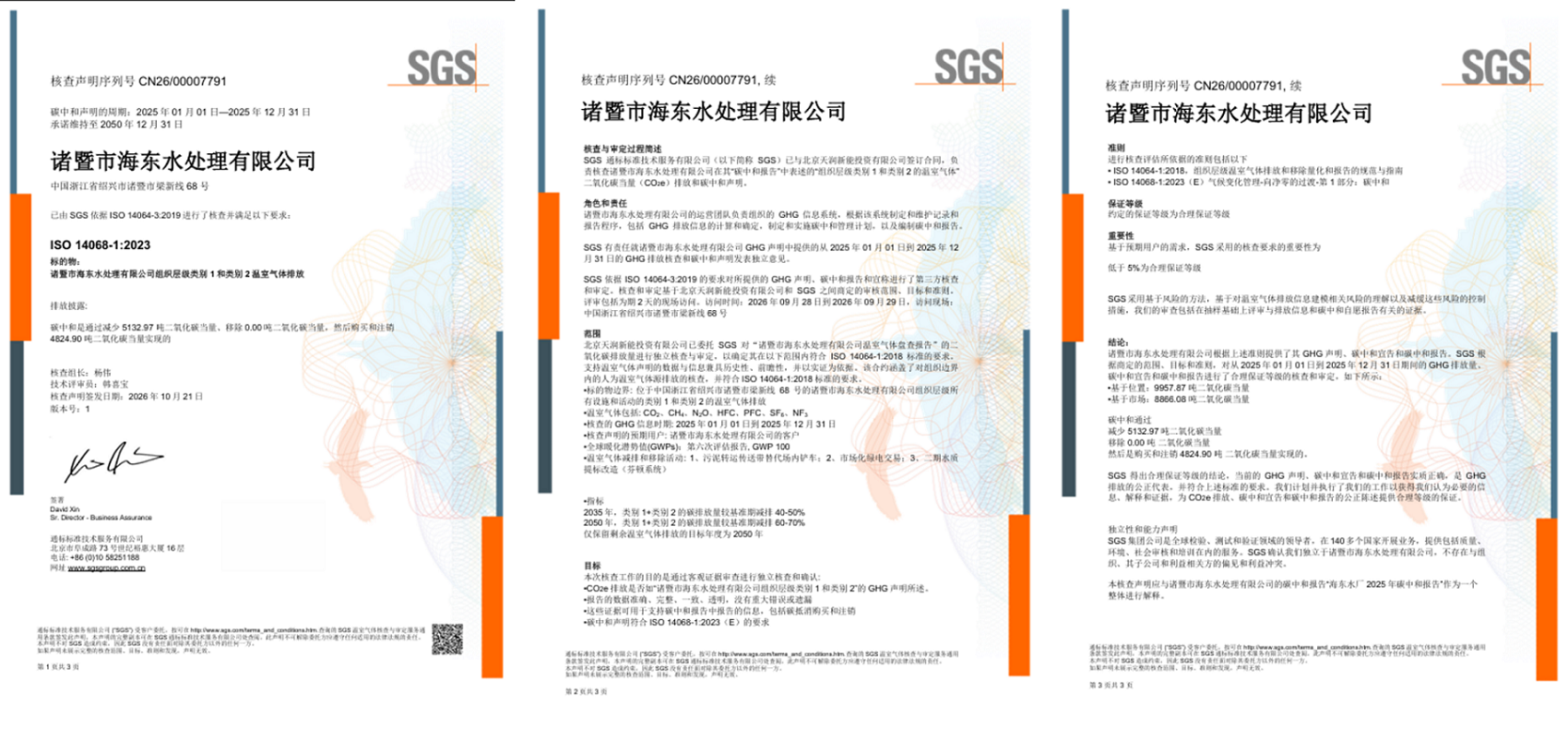
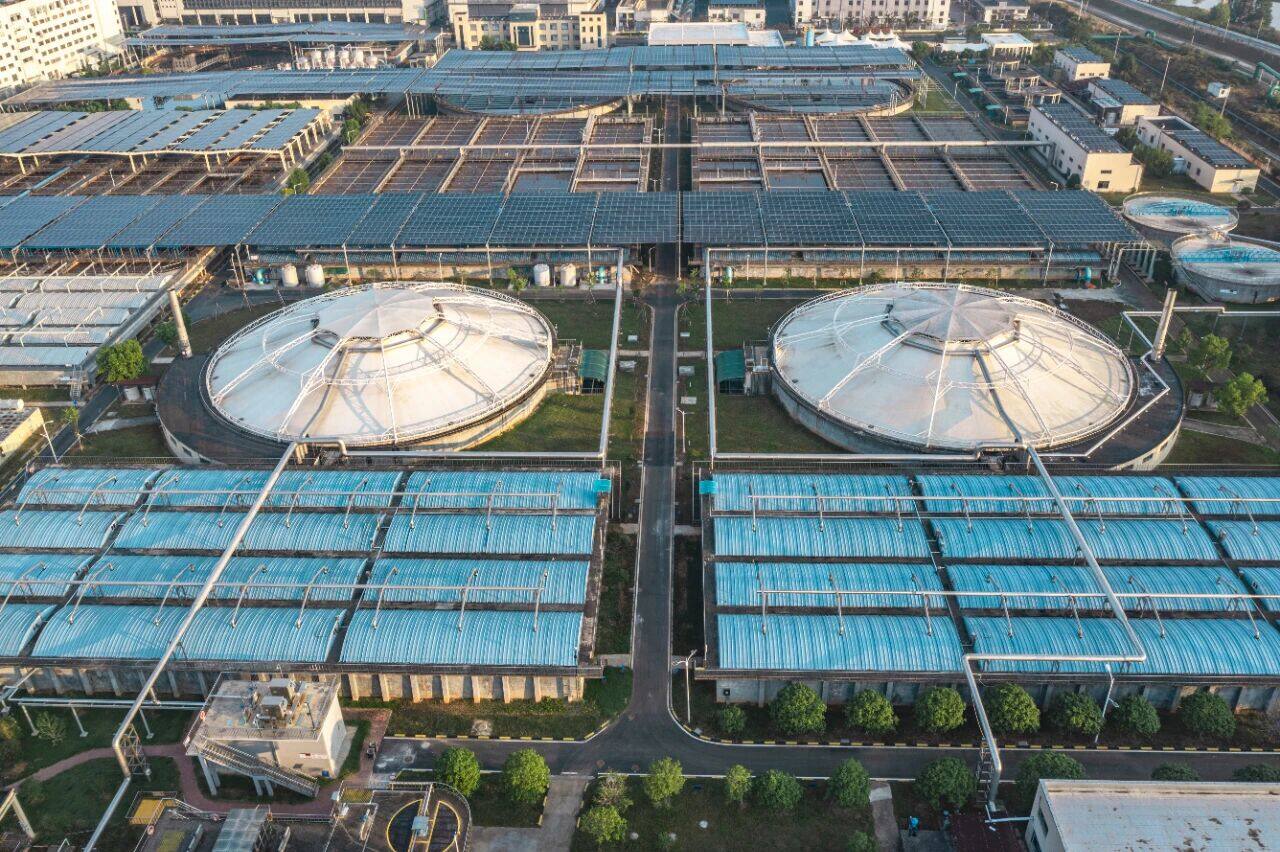
In the early morning of Zhuji, fine bubbles were swirling in the aeration tank of Haidong Water Plant, and textile printing and dyeing wastewater flowed through step by step. The most challenging issue in the past was the constantly rotating electricity meter, which had a much stronger effect on the diffusion and warming of methane and nitrous oxide than carbon dioxide. Nowadays, emissions have been calculated and replaced one by one: achieving carbon neutrality in greenhouse gas emissions for organizational level scope 1 and scope 2 by 2025. SGS has issued an ISO 14068-1:2023 verification statement, marking the first carbon neutral water plant in the domestic water industry to pass ISO 14068 verification. Goldwind Technology has brought the accumulation of zero carbon parks and energy carbon platforms here.
Underestimated emitters
Wastewater treatment consumes electricity and emits methane and nitrous oxide, making it the fourth largest source of nitrous oxide and the sixth largest source of methane emissions worldwide. According to the "Research Report on Carbon Emissions in the Field of Urban and Rural Construction in China (2025)" by the China Building Energy Conservation Association, the annual carbon emissions from the entire process of urban sewage treatment in China have reached 40.651 million tons of carbon dioxide equivalent, with 43.6% of direct emissions from the treatment process, making conventional energy conservation difficult to eliminate; Although many water plants have tested water photovoltaic energy storage, AI aeration, and biogas power generation, they still focus on single point energy-saving. Energy conservation and cost reduction are in the same direction, and industrial parks and export enterprises have incorporated wastewater treatment into their supply chain carbon management. Low carbon performance has become competitive, and demand has shifted towards systematic solutions for accounting, energy supply, energy consumption, and trading. ISO 14068-1:2023 is the world's first international standard for carbon neutrality, which has replaced the previously adopted PAS 2060. The rules have shifted from a declaration oriented approach to a performance oriented approach: declarations require independent third-party verification, insisting on reducing emissions first and offsetting later. The first declaration cannot be achieved solely by purchasing carbon credits.
Reduce emissions first, then discuss offsetting
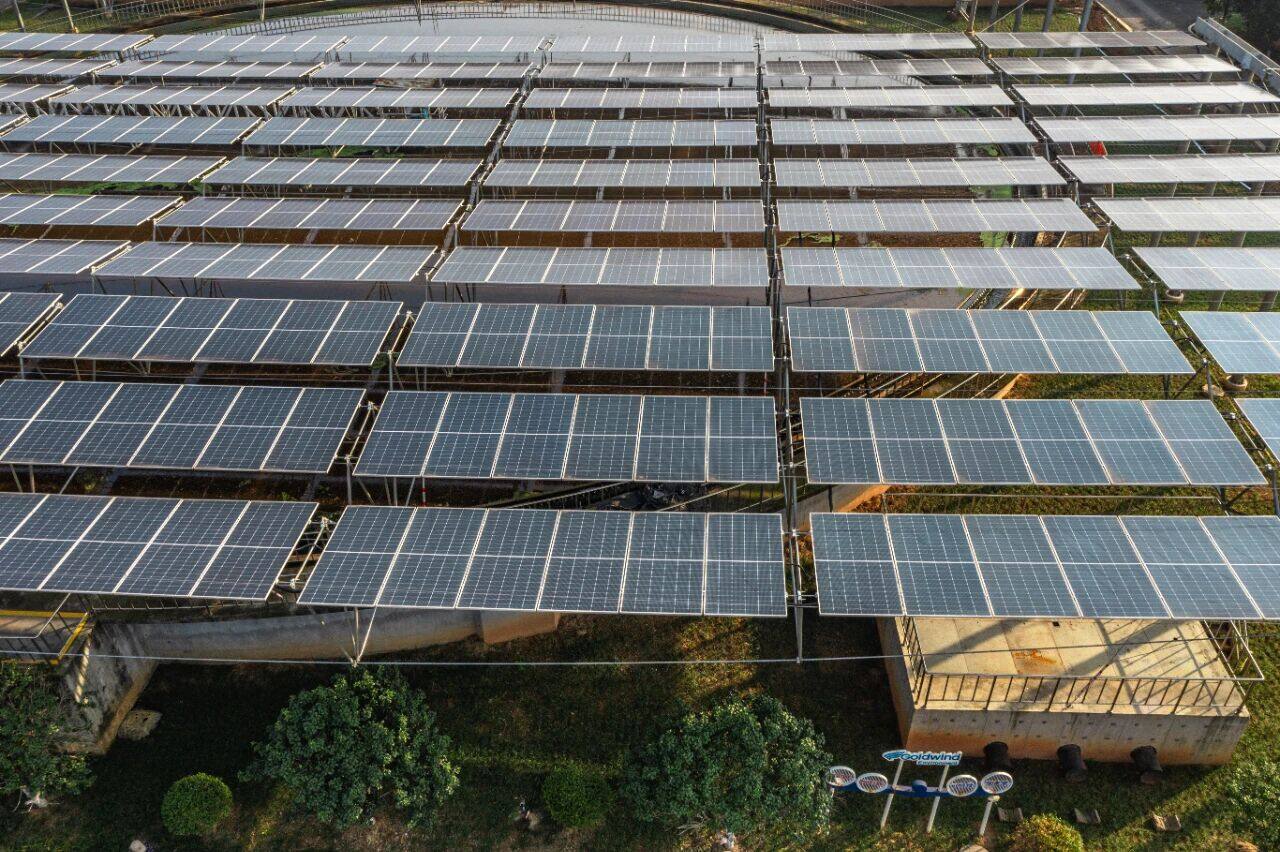
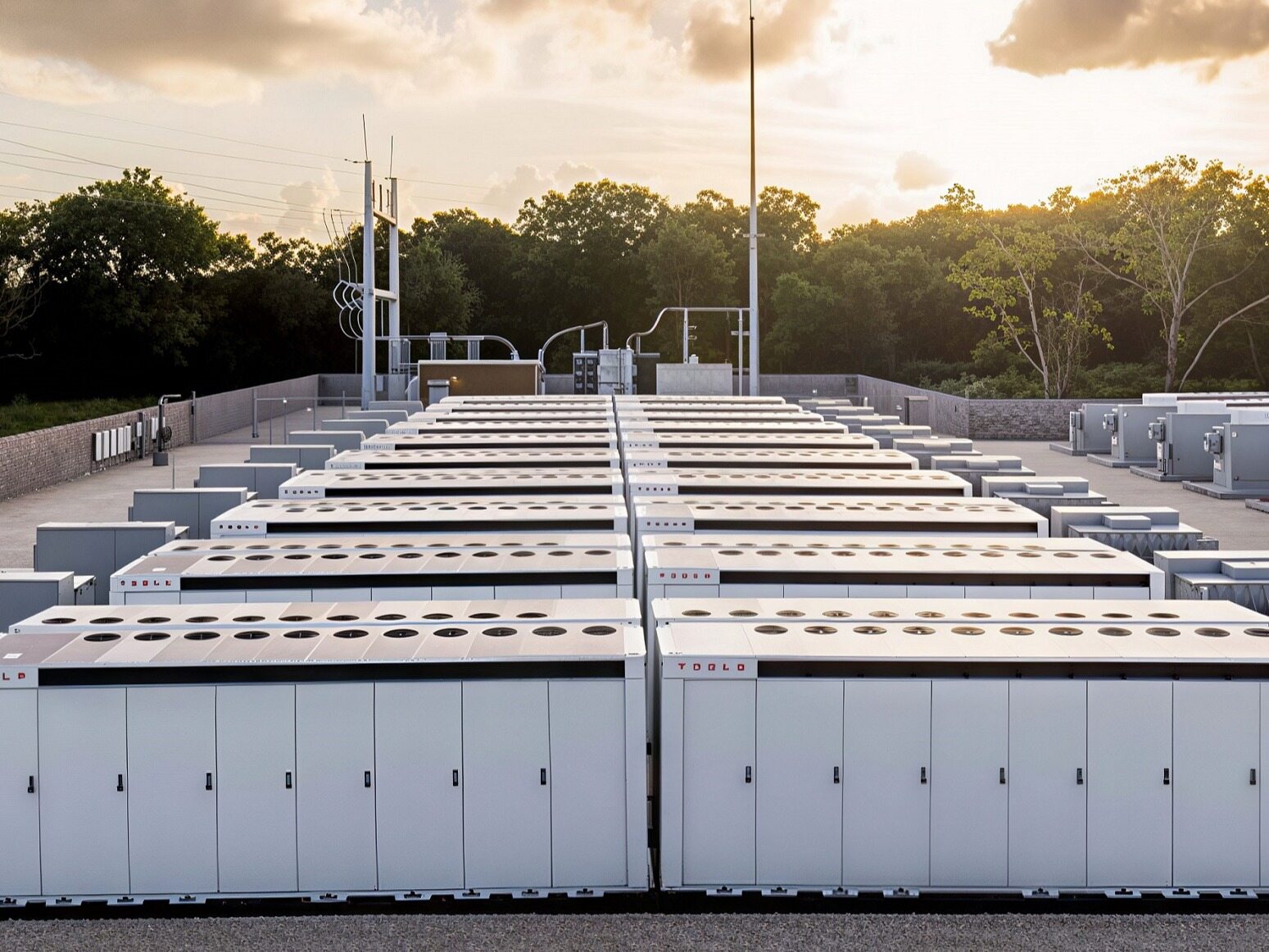
Accounting, emission reduction, and transaction traceability form a closed loop. There are multiple emission categories, and data is scattered in electricity bills and accounting documents, making it difficult to clarify boundaries. According to ISO 14064-1:2018, a traceable digital ledger has been established for five consecutive years. The total emissions in 2025 are 8866.08 tons, with wastewater treatment emissions accounting for approximately 47% of the total emissions and purchased electricity emissions accounting for approximately 52% of the total emissions. There are already 4MW distributed photovoltaics in the factory area, and the proportion of directly connected green electricity has reached 21.22%. However, the space is limited, and the scattered and purchased electricity cannot be neutralized solely by in-house photovoltaics. Three end synchronous emission reduction: By 2025, a 1.1MW/2.53MWh energy storage power station consisting of 11 Goldwind Technology energy storage module machines will be added, which will consume a total of 2239.5MWh of green electricity throughout the year and reduce carbon emissions by 1114 tons; The sludge transportation is replaced by a conveyor belt instead of diesel consumption, and the entire plant is electrified, completely eliminating fossil fuel emissions; The introduction of advanced oxidation deep treatment in process upgrading has reduced methane greenhouse gas emissions per unit of water treatment by about 15%. Outside the factory, purchase 2195MWh of green electricity by 2025 to reduce carbon emissions by 1091.79 tons; The remaining emissions are fully covered by 8125 Chinese green certificates and 4825 tons of VCS carbon credits. After verification by SGS Regional Director Zhang Jing, it is believed that both the principles of prioritizing emissions reduction and focusing on the long term have been implemented.keywords:New energy information network
From a factory to a set of methods
Carbon neutrality is not the end point. In October of this year, a tailwater power generation facility was built and connected to the grid by utilizing the water outlet drop, expanding new power sources beyond photovoltaics; At the same time, the Oasis Energy Carbon Platform was introduced to collect and monitor energy consumption, optimize scheduling with AI, and match source load for precise aeration and deodorization induced draft, resulting in an energy efficiency improvement of over 10%. The experience has been accumulated into the "Guidelines for the Construction and Operation of Zero Carbon Water Plants": following the ISO 14068 principle of reducing emissions first and then removing them, covering five steps of carbon inventory, process energy conservation, energy substitution, carbon offset, and negative carbon sequestration, benchmarking against the energy-saving and carbon reduction technology catalogs of the National Development and Reform Commission and the Ministry of Industry and Information Technology, selecting technologies according to maturity and economy, and carrying out phased transformation, suitable for carbon neutrality planning, construction, operation, and evaluation of urban sewage treatment plants and water plants; The latest catalog of the Ministry of Industry and Information Technology lists green microgrids, electricity substitution, and digital energy carbon management as common directions, which confirms this. Dual carbon not only relies on energy transformation, but also on precise carbon reduction in millions of scenarios. Haidong Water Plant will translate its commitments into actions that are accountable, executable, and verifiable, and this capability will also enter more water plants and scenarios.Editor/Yang Meiling
Comment

 Praise
 Collect
 Comment

 Share


Write something~