 Search


- Optimization of bidirectional supply structure and increase in the proportion of high value-added goods
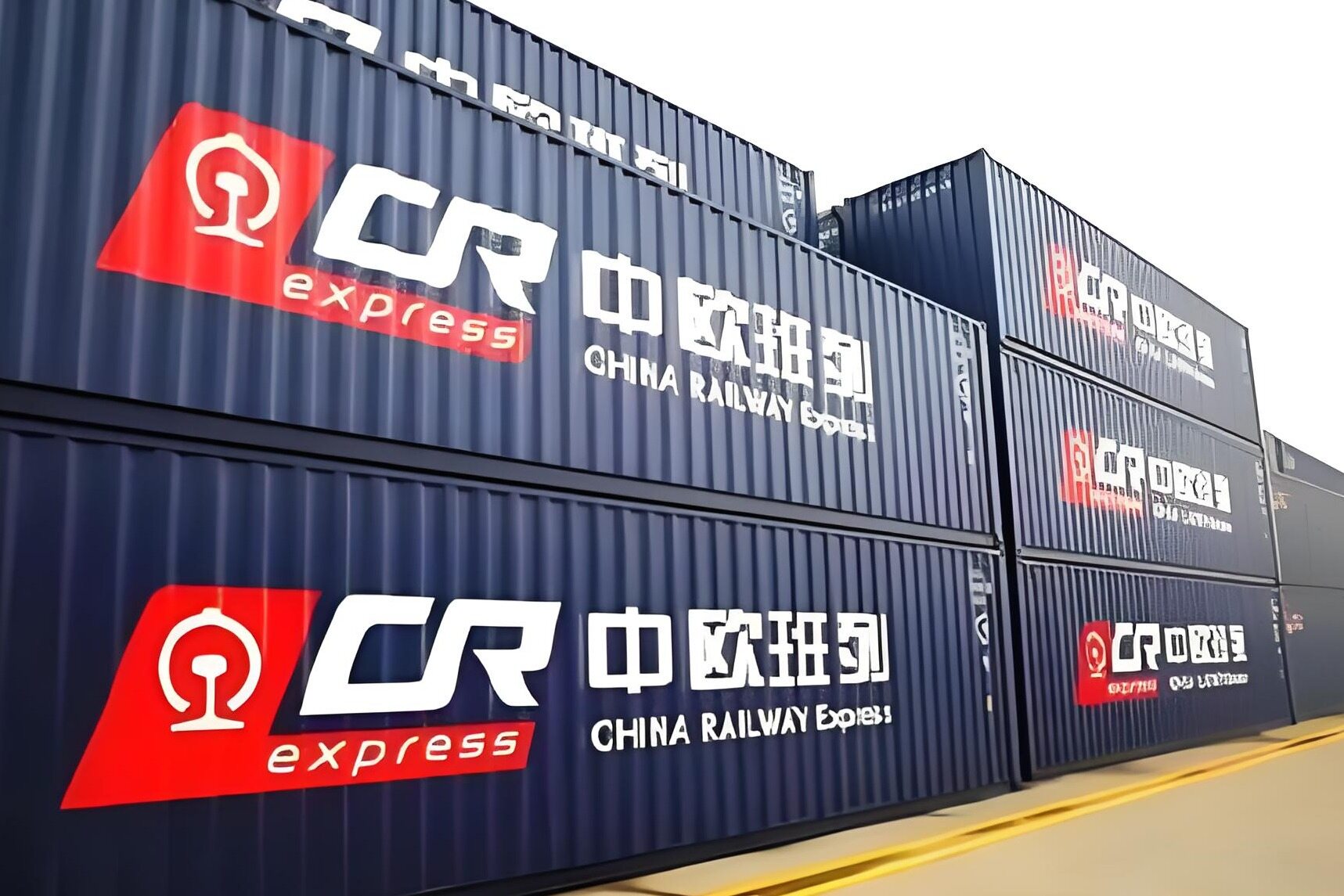
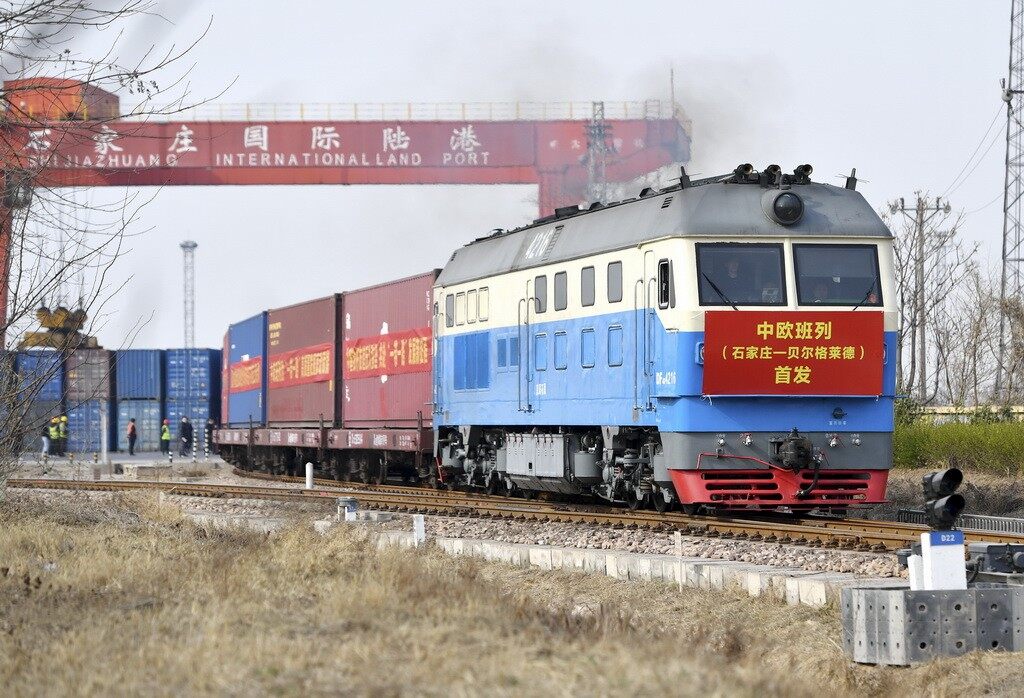
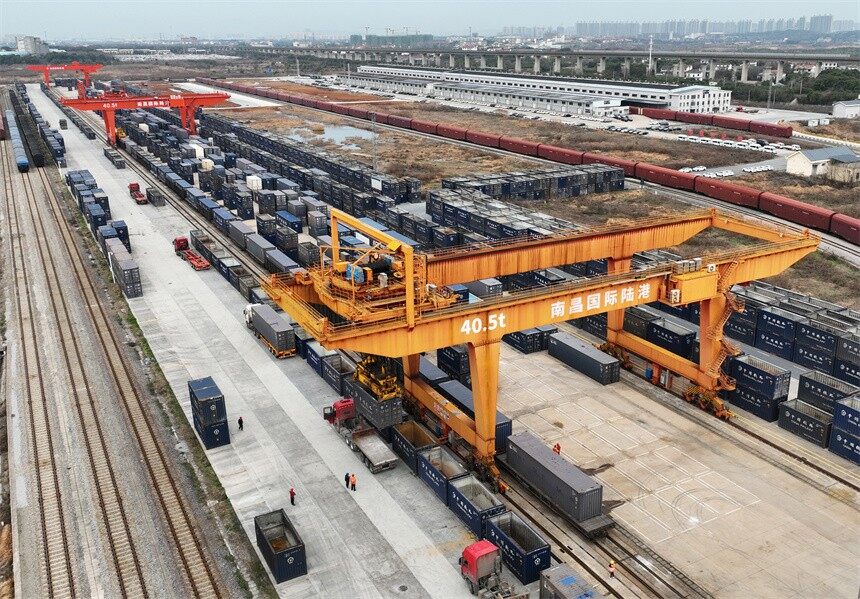
When the first whistle in the morning broke the silence of the North China Plain, the gantry crane of Shijiazhuang International Inland Port had accurately repositioned the container. This inland port, which does not rely on the sea or borders, is using dense railway tracks to stitch together the Beijing Tianjin Hebei region and the Eurasian continent into a network, transforming the concept of land rights revival into daily operating trains.
The novelty of channels lies not in length, but in density
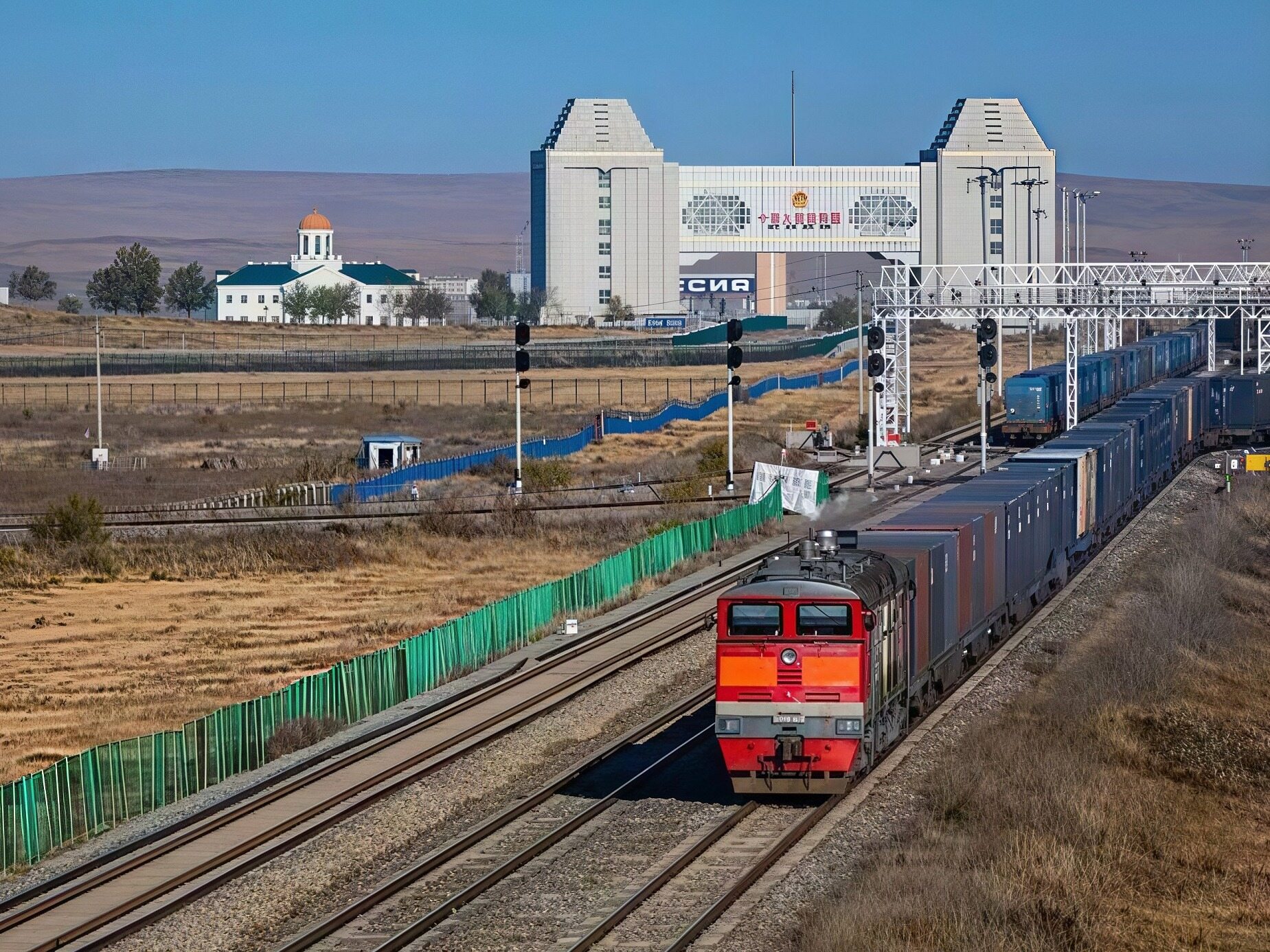
In the first three quarters of 2026, the number of China Europe (Asia) trains operated by land ports exceeded a thousand, with 20 routes radiating to more than 50 countries. To connect with the sea railway to the east, connect with Asia and Europe to the west, integrate with ASEAN to the south, and connect with China, Mongolia, and Russia to the north, the four-way connectivity is no longer just a map drawing line, but a measurable time and cost for enterprises.
More importantly, the structure of goods is changing: Go Cheng is no longer just a daily necessities, but the proportion of photovoltaics, automotive parts, and high-end equipment is increasing; Returning wood, potassium fertilizer, and grain on the way back has become the norm. The value of channels is shifting from being easily accessible to being accurate, expensive, and stable.
The change of rules holds certainty in hand
What truly transforms inland ports is the restructuring of documentation and customs clearance.
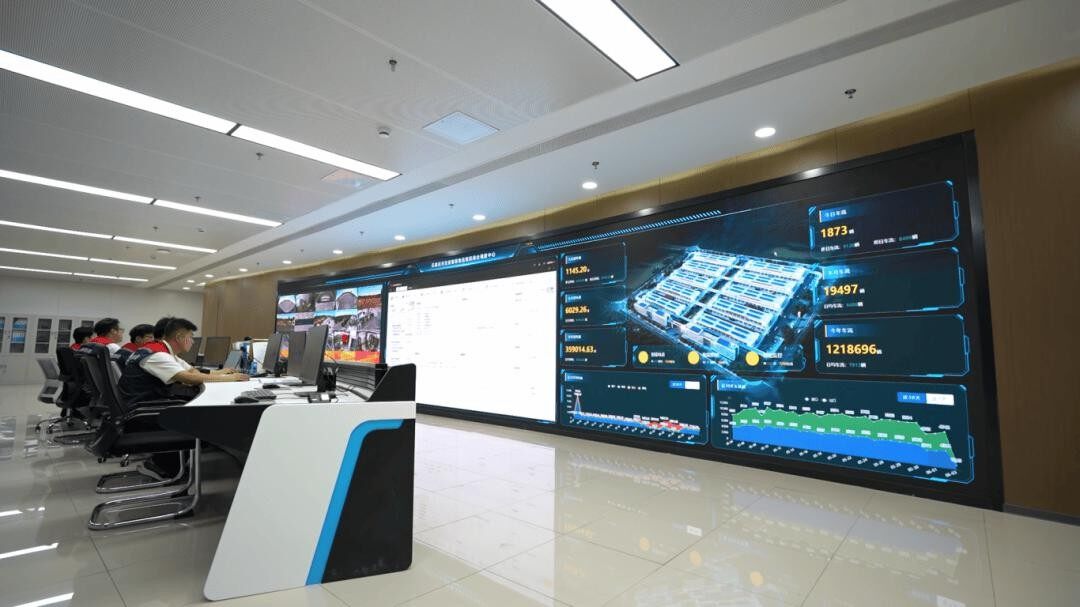
Railway Express keeps inspection and release within the closed loop of the port, saving several days and considerable costs; One order railway public intermodal transportation allows customers to entrust and complete one order at a time, reducing transportation and customs clearance time by more than 30%; Serbia is directly connected to self operated stations, and overseas distribution has changed from borrowing from others to holding the chain on its own.
These actions may seem like process optimization, but they are essentially institutional openness: using the rules of Chinese land ports to connect multiple ports, making logistics certainty a part of foreign trade competitiveness.
The change of energy level from a passing station to an industrial port
Being included in the 15th Five Year Plan for Comprehensive Transportation Hub and becoming a national hub for China Europe freight trains means that Shijiazhuang International Land Port is no longer just a shipping port in Hebei, but a gateway to Asia and Europe in the country's dual circulation. The completion of supporting railway dedicated lines, the gathering of port related industries, and the growth of cloud warehouses and cross-border service platforms are all contributing to the transformation of hubs from transit traffic to industrial stock. Through the channels of logistics, logistics with economy and trade, and manufacturing with economy and trade, inland cities have the possibility to redefine their division of labor. Keywords: China Europe freight train, multimodal transport, railway
The significance of Shijiazhuang International Land Port lies not in proving that one can go out to sea without relying on the sea, but in tearing away the geographical determinism that openness is never exclusive to coastal cities. Whoever first weaves channels, rules, and industries into a system will push the border far away. The iron and steel camel caravan drove out of the North China Plain day after day, carrying goods, leaving behind a judgment: in the reconstruction of the Eurasian continent, the inland is not the back, but also the front facing the world.Editor/Gong Ziwei
Comment




 Praise
 Collect
 Comment

 Share


Write something~