 Search


- This railway opens up a southbound passage for inland Central Asia, and Kashgar rises to become an international logistics hub
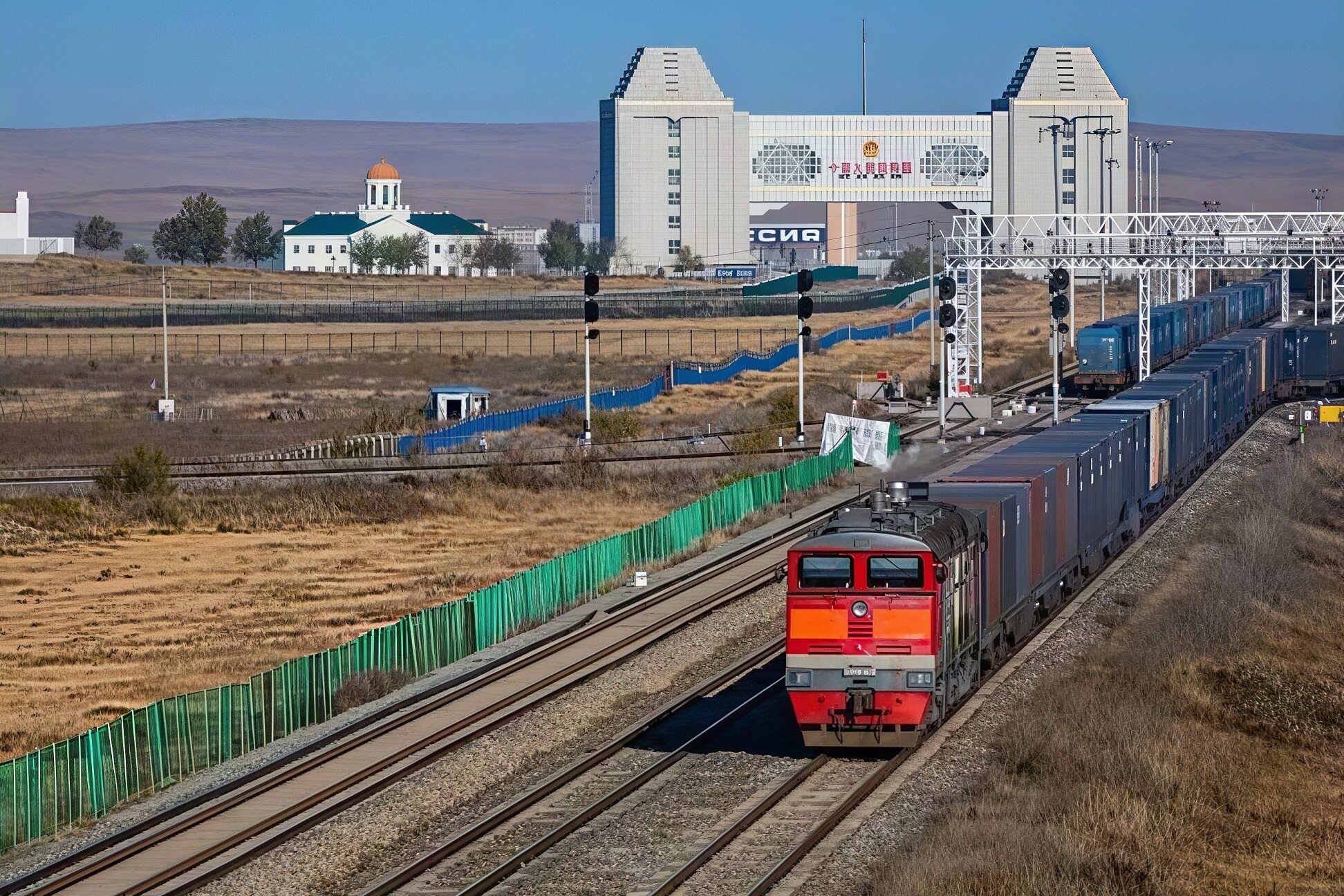
Between the mountains of the Pamir Plateau, a steel artery that has been brewing for nearly thirty years has finally started construction on its entire line. The China Kyrgyzstan Uzbekistan Railway departs from Kashgar, Xinjiang, China, crosses Kyrgyzstan, and arrives in Uzbekistan, leaving the Tianshan Mountains and Pamir Plateau behind. For Central Asian countries that have long been trapped by their inland status, what this railway means is far more than simply shortening the transportation distance by a few hundred kilometers.
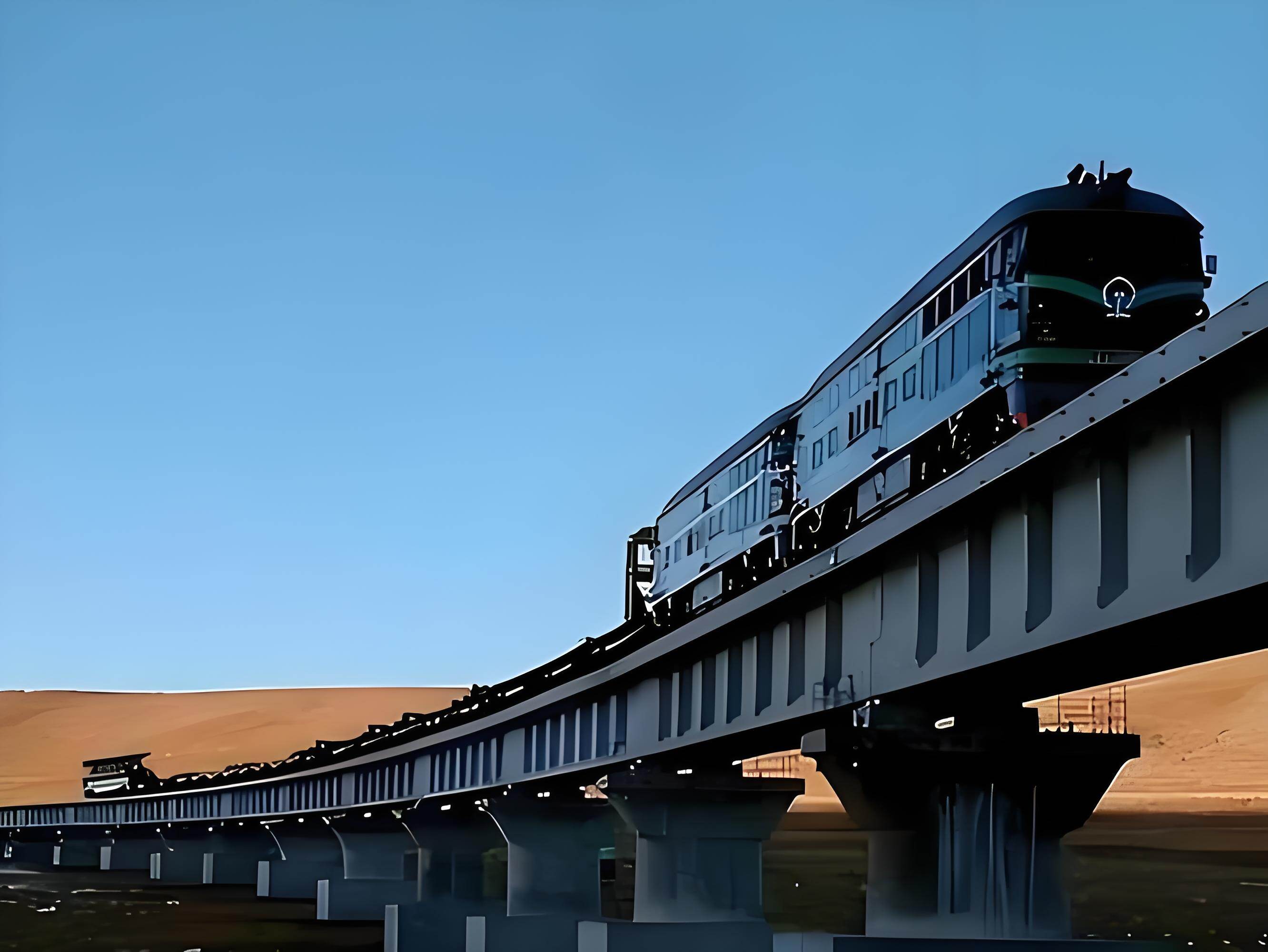
A solution to the inland dilemma
The five Central Asian countries do not have access to the sea, and the long-term transportation of bulk goods relies on the northern passage through Russia. A single route means that logistics costs, transportation efficiency, and trade pace are all constrained by the external environment. Finding a stable and independent southbound channel has been a long-standing demand of Central Asian countries. The China Kyrgyzstan Uzbekistan Railway is a response to this demand. It enables Central Asian countries to have more autonomy in their foreign trade choices, reduces the risks associated with a single channel, and provides more room for regional cooperation to maneuver. Diversification of channels is not just icing on the cake, but a necessary path for inland countries to break through geographical constraints.
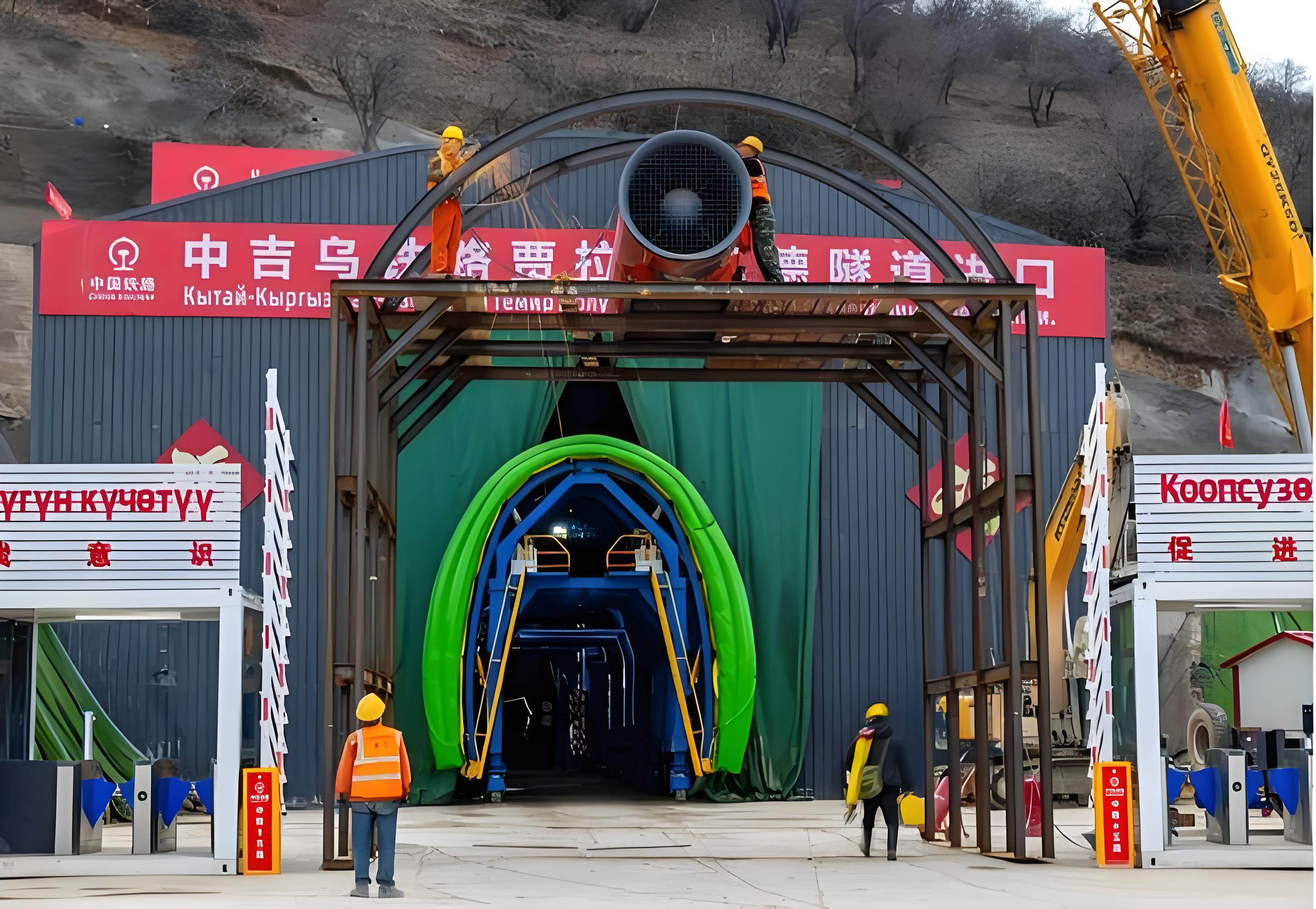
Kashgar transforms from a peripheral to a hub
The significance of this railway to western China is equally profound. Kashgar is located in the western border of China and has long been regarded as an inland tip. After the opening of the China Kyrgyzstan Uzbekistan Railway, Kashgar will become an international logistics hub connecting China with Central and West Asia, activating the enormous potential of Xinjiang's westward opening. From a more macro perspective, this channel further improves China's westward opening land network and opens up key bottlenecks in the China Central Asia West Asia Economic Corridor. The exchange of goods, resources, and personnel has become smoother, and the coordinated development of trade, industry, culture, and tourism along the route has transformed the western region from an open rear to a forefront. Keywords: editorial news and information, China Kyrgyzstan Uzbekistan railway, cross-border trains, international
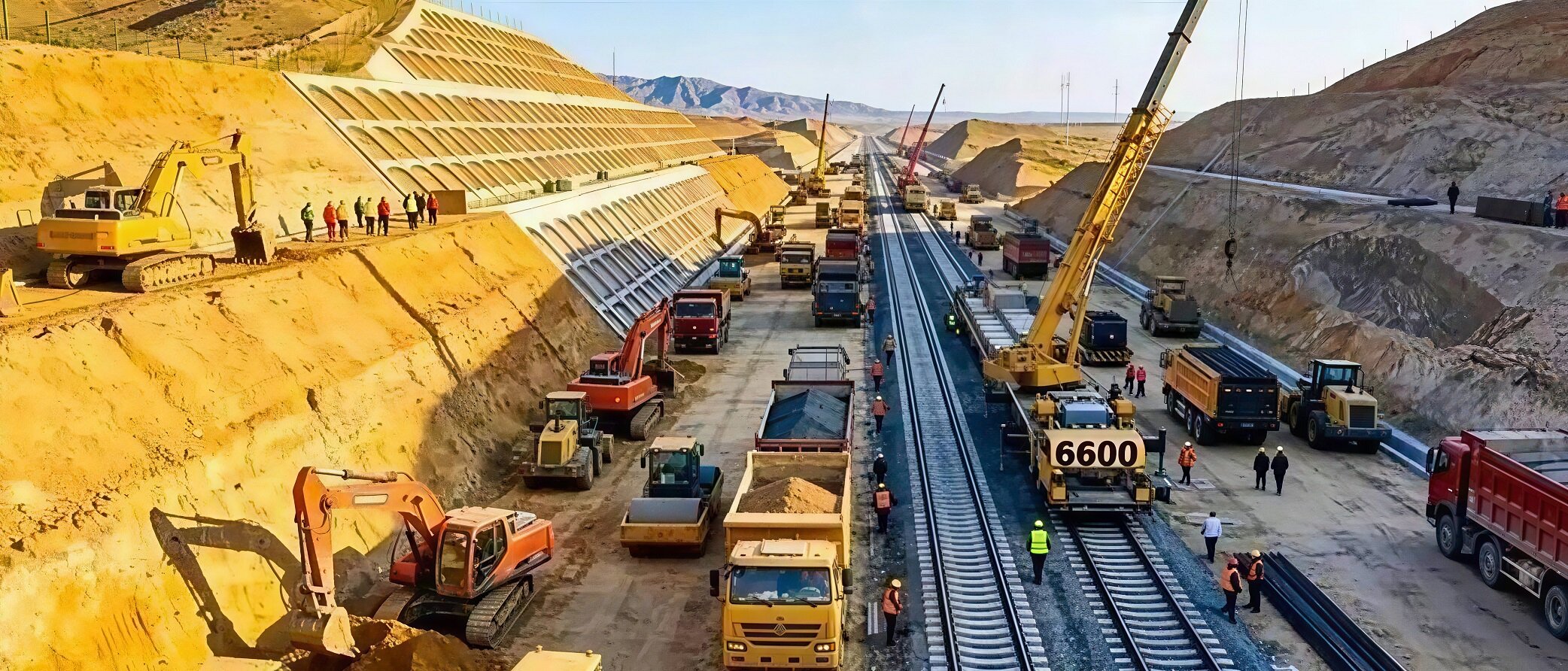
Reshaping the Landscape of Land Channels
In the past, maritime trade has long dominated, but now high-quality land routes continue to rise. The China Kyrgyzstan Uzbekistan Railway has carved a new artery between the mountains, carrying not only goods but also the consensus of regional cooperation and mutual benefit. It transcends mountains and borders, breaking the geographical deadlock in the inland and bringing countries closer together. Building roads is never just about engineering construction. It eliminates blockages in inland areas and provides more avenues for cooperation. With the steady progress of the project, this steel dragon crossing the Pamir Plateau will eventually bring new development opportunities to Central Asia.Editor/Gao Xue
Comment







 Praise
 Collect
 Comment

 Share


Write something~