 Search


- Five Chinese engineering companies have been shortlisted for bidding to avoid risks in the Strait of Hormuz
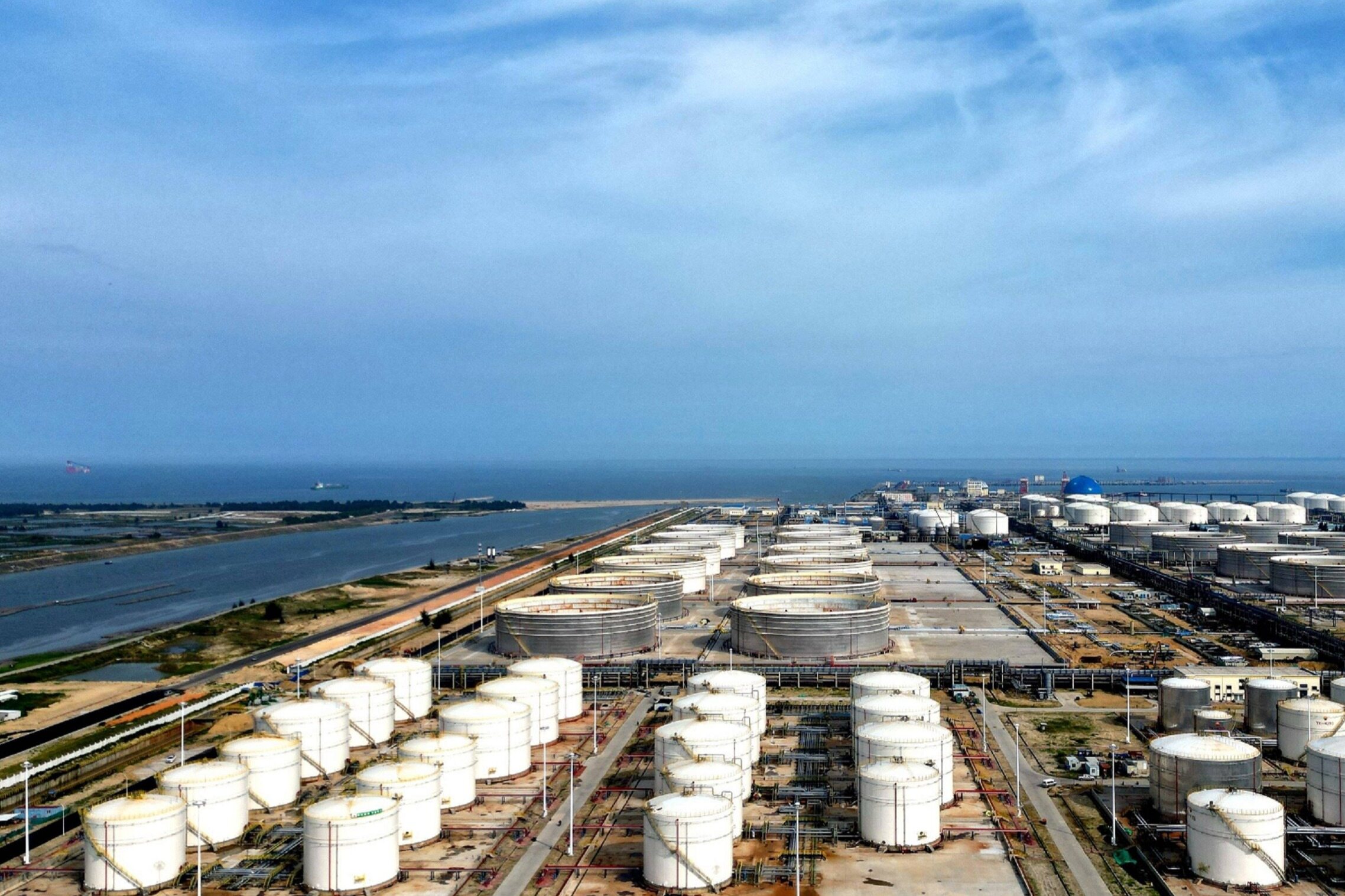
The bidding document for the expansion of a large oil storage hub in Oman along the Arabian Sea coast has been issued. Five Chinese engineering companies have entered the pre qualification list and will compete on the same stage as their counterparts in Egypt, Oman, and Singapore. The core value of this project lies not in the storage tank itself, but in its selection of a special location - outside the Strait of Hormuz. When the geopolitical risks of the global energy supply chain shift from occasional disturbances to normal variables, Oman's move reflects a deep anxiety that is reshaping the logic of energy infrastructure.
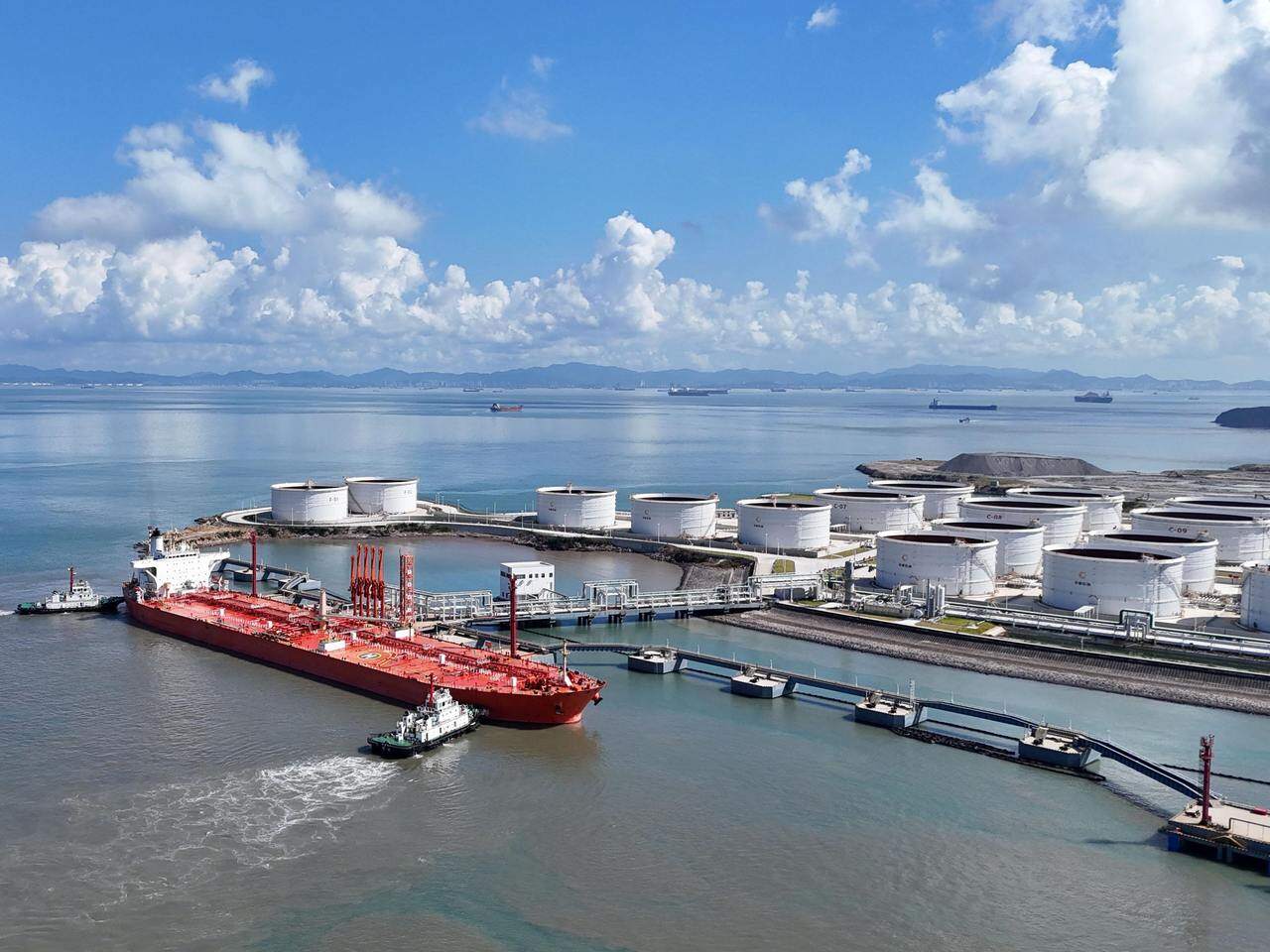
Strait dilemma gives rise to new channels
The Strait of Hormuz has a narrow waterway, complex geopolitical environment, and long-standing conflicts, shipping regulations, and safety incidents. Once the passage is blocked, a large amount of crude oil transportation routes will be directly blocked. Oman's construction of an oil storage hub along the Arabian Sea coast outside the strait is essentially an alternative route for crude oil trade in the Middle East. Crude oil is first collected at offshore hubs for storage and transfer, and then directly shipped from the Arabian Sea, no longer having to squeeze through that fragile throat. This is not a simple infrastructure expansion, but a systematic hedge against a single channel dependency.
Five Chinese enterprises compete for large orders
This bidding belongs to the expansion phase 1.4 of the oil storage park, with plans to build 8 large crude oil storage tanks and increase storage capacity by 5.2 million barrels. The total planned investment for the long term is as high as 5.2 billion US dollars. Tank engineering has extremely high requirements for construction standards, welding processes, anti-corrosion technology, and safety control. For Chinese enterprises, energy storage tanks are a traditional advantage track, and a large number of similar projects have been implemented in the Middle East and Southeast Asia before. If we can win this bid, it will not only consolidate our market share in the Middle East storage tank market, but also accumulate performance for undertaking more energy infrastructure orders along the Arabian Sea coast in the future.
From oil producing countries to trade hubs
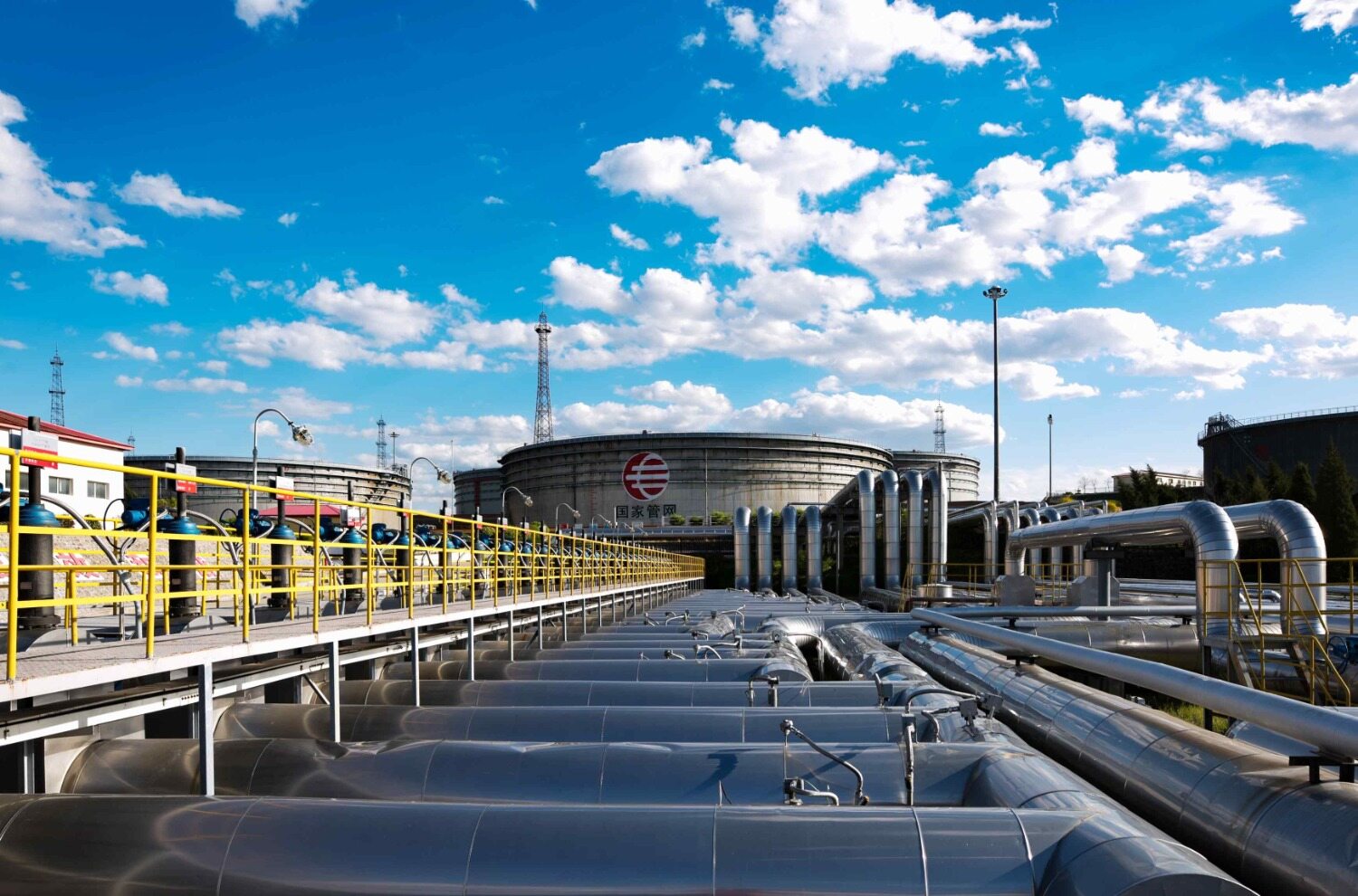
Oman's ambition goes beyond building a few storage tanks. According to the plan, the oil storage hub plans to double its total oil storage capacity within three years, with a long-term goal of reaching 40 million barrels. It is also considering purchasing ultra large oil tankers to transform them into offshore floating oil storage facilities, forming a sea land linkage system. Relying on this hub, Oman is expected to upgrade from a simple oil producing country to a Middle Eastern crude oil storage and trading hub, reaping long-term benefits from storage, transit, and trade. The energy landscape continues to reconstruct, and supply chain security has become a priority for all countries. Oman, a super oil storage port that avoids the strait, is a microcosm of the global energy supply chain actively diversifying risks.Editor/Gao Xue
Comment




 Praise
 Collect
 Comment

 Share


Write something~