 Search


- After the implementation of 91.7GW distributed photovoltaics, the peak shaving logic of the Brazilian power grid will be rewritten
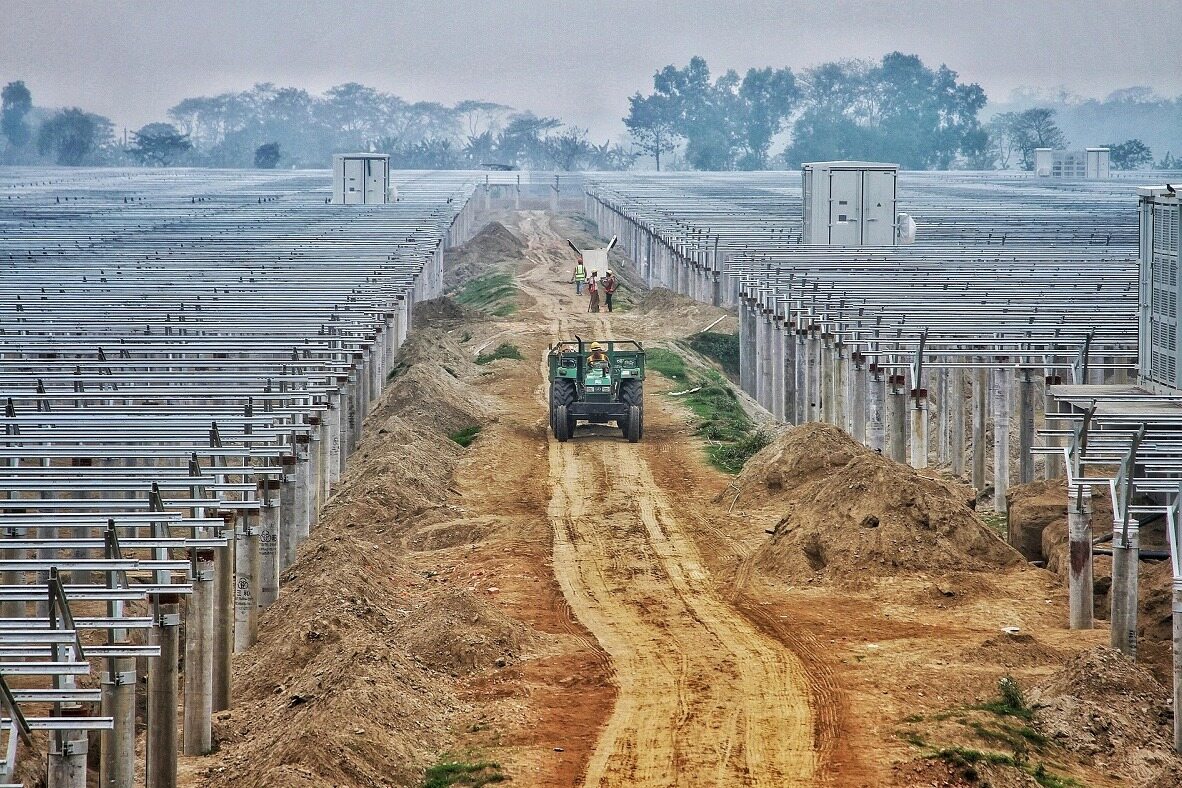
On November 4, 2026, the Brazilian Ministry of Mines and Energy and the Energy Research Agency released a special study on the "2036 Ten Year Plan for Energy Expansion". This document did not stop at the digital carnival of installed capacity, but spread out the real logic of the distributed energy track on the table.
Three core numbers
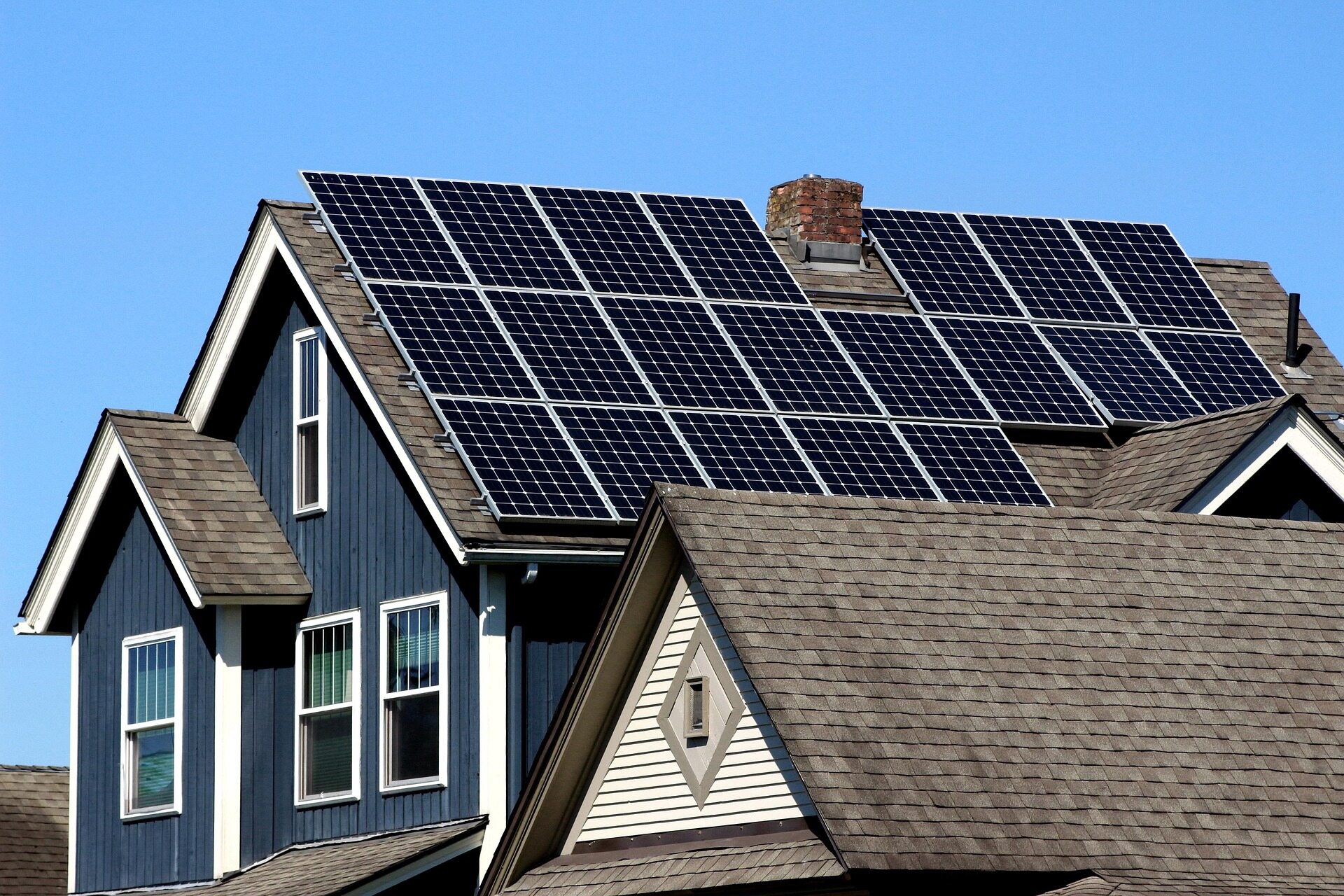
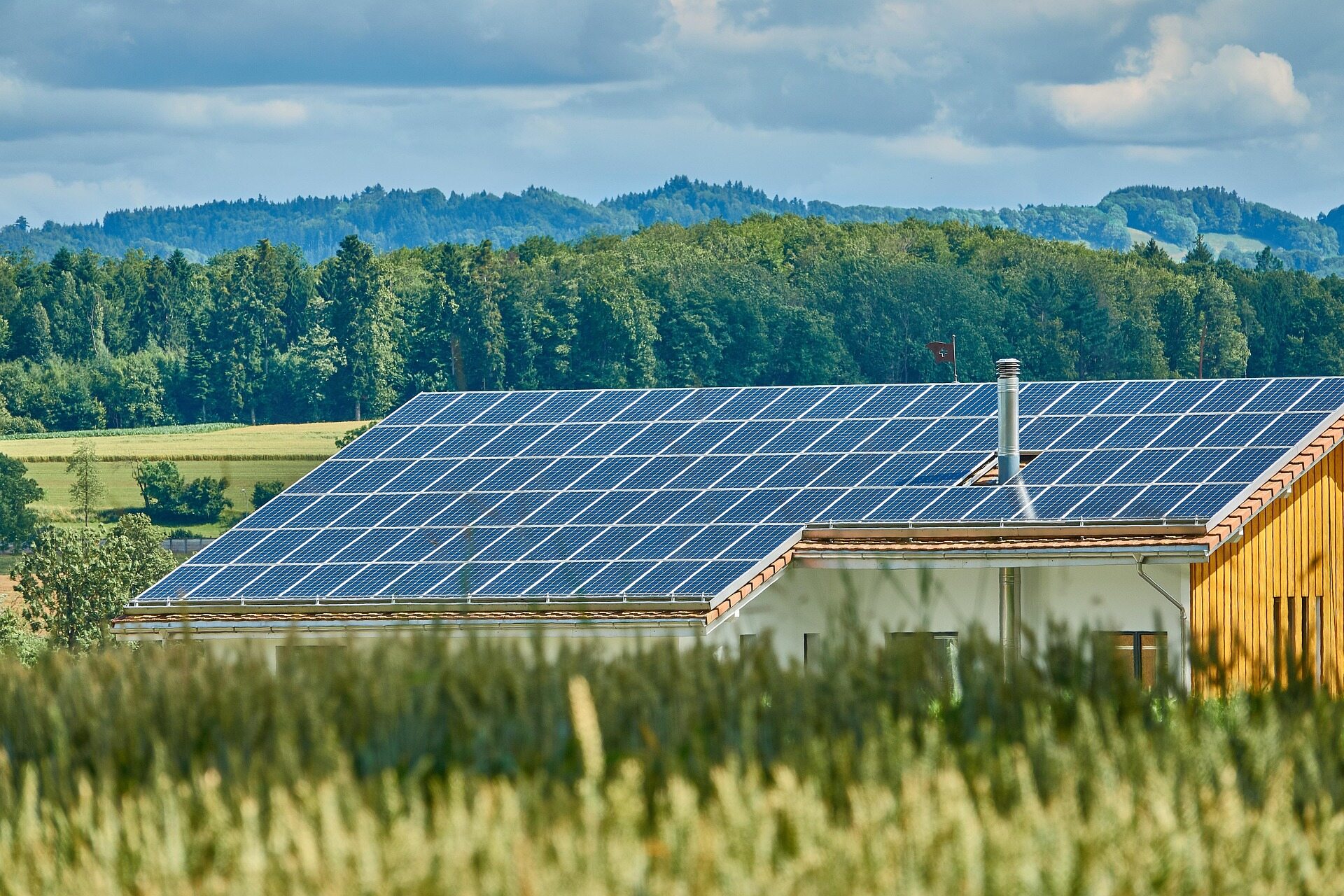
Many people may initially interpret the three numbers 91.7 gigawatts, 53 TWh, and 276 TWh as explosive growth in photovoltaics, which is precisely the cognitive bias that planning needs to correct. 91.7 gigawatts is the cumulative installed capacity of micro and small-scale distributed power generation in 2036, corresponding to an equipment capacity of 91.7 million kilowatts, of which 99% comes from photovoltaics and covers approximately 13.5 million user side entities. It only describes the maximum output capacity of the equipment and does not equal the actual annual power generation.
53TWh is a complete contribution to energy efficiency improvement, approximately 53 billion kilowatt hours. By replacing high-efficiency motors and optimizing refrigeration systems, unnecessary electricity demand can be directly reduced under the same production and service conditions. 276TWh is the comprehensive result of a set of combined measures, which includes energy-saving benefits, self generated electricity that is not transmitted back to the grid, and the output of distributed generation. Therefore, not all 276 billion kilowatt hours can be considered as the output of newly added photovoltaic power generation.
The problem of supply-demand mismatch has surfaced simultaneously
With the installation of more distributed photovoltaics, new contradictions immediately emerge. During the day, the photovoltaic panels on the roof generate electricity at full capacity, but the peak electricity consumption for residents and businesses often falls in the evening to night. A large amount of surplus electricity is either connected to the grid at a low price or directly discarded, and the peak shaving pressure on the power grid increases along with the scale of installed power.
The solution provided by the plan is not a single pile of energy storage, but a combination of punches. By utilizing energy storage, demand response, digital control, and distributed resource aggregation, the power generation and consumption resources scattered across thousands of households are coordinated to dynamically match supply and demand at different time periods. Research has estimated that by 2036, incentive based demand response can contribute 4 gigawatts of effective regulation capacity. This power indicator is completely different from the annual electricity consumption indicator and cannot be directly converted into the corresponding electricity consumption scale.
There is no business that can be won by lying down
A ten-year investment plate of 95.9 billion Brazilian reals is in front of us, but this does not mean that all related equipment manufacturers can directly receive orders. The report specifically points out the practical difficulties of energy storage on the user side, and the economic viability of battery applications on the back of electric meters is only concentrated in specific scenarios. Currently, the most promising direction is the electricity management of some industrial and commercial users.
Whether a battery can make money depends on four conditions: local electricity price structure, hourly electricity consumption curve of users, equipment investment cost, and grid operation rules. The popularization of distributed photovoltaics only lays a demand foundation for energy storage, but does not mean that every household can recover costs by installing batteries. For Chinese equipment companies, photovoltaic modules, inverters, energy storage batteries, energy management software, high-efficiency motors, and data center cooling equipment are all directly related to the planning direction. However, 95.9 billion reais is only a long-term forecast, and the bidding and delivery pace of specific projects depends entirely on subsequent market arrangements.
The current public consultation window for planning ends on November 6, 2026. Low voltage users will enter the free electricity market, time of use electricity prices will be implemented, and the value of distributed resource grid services will be priced. These variables have not yet been finalized, and subsequent adjustments to supporting rules may change the profit logic of the entire market at any time.Editor/Cheng Liting
Comment






 Praise
 Collect
 Comment

 Share


Write something~