 Search


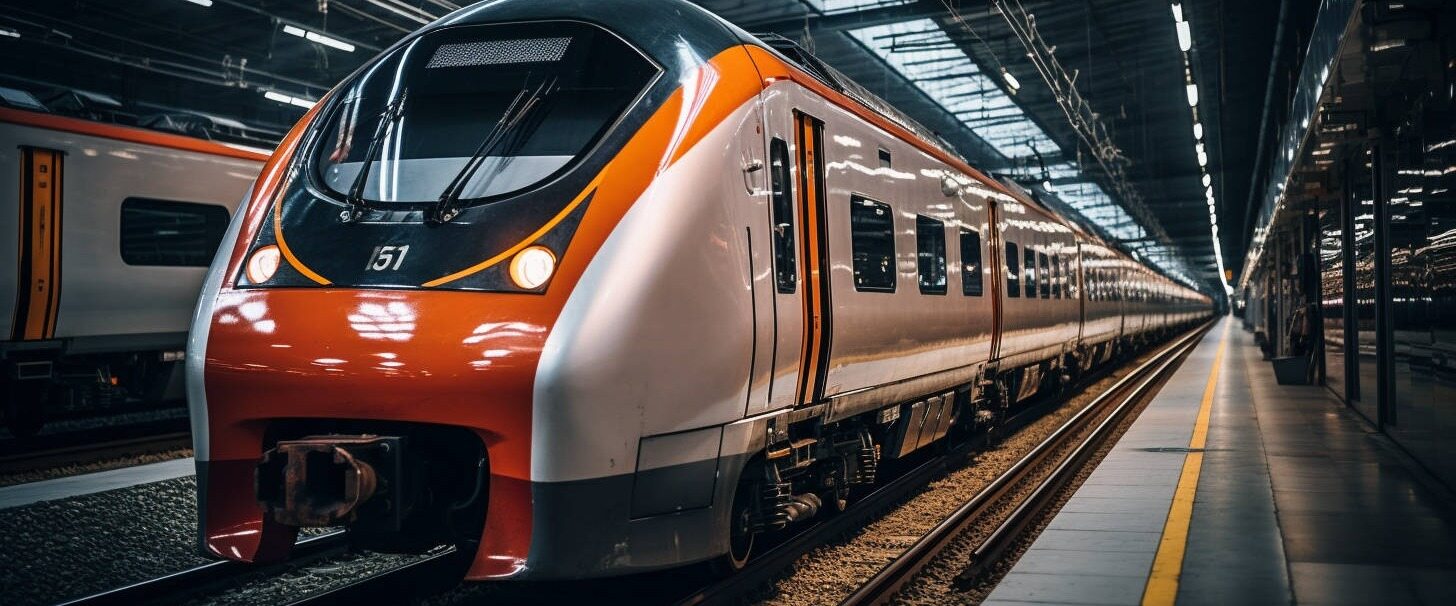
- It will connect northeastern Thailand, Laos, and southwestern China into a single line
- Make the flow of people and goods faster and more efficient, and further promote regional connectivity
In the early morning mist at Langkai Station, a truck from Laos stopped: durian waiting to be transferred to Linchaban Port, and rubber from southern China heading south to Shanghai. Pipa Rajajipakahn, the Deputy Prime Minister and Minister of Transport of Thailand, pointed further north after his inspection: connecting Laos via the Mekong River, and then connecting the China Laos Railway opened in December 2021 to Kunming. The China Laos Thailand all rail cold chain trains have connected Thai orchards with the southwestern Chinese market, and the goods are running first, so the high-speed rail naturally needs to keep up. According to the Thai magazine "National", the schedule for the second phase has been set.
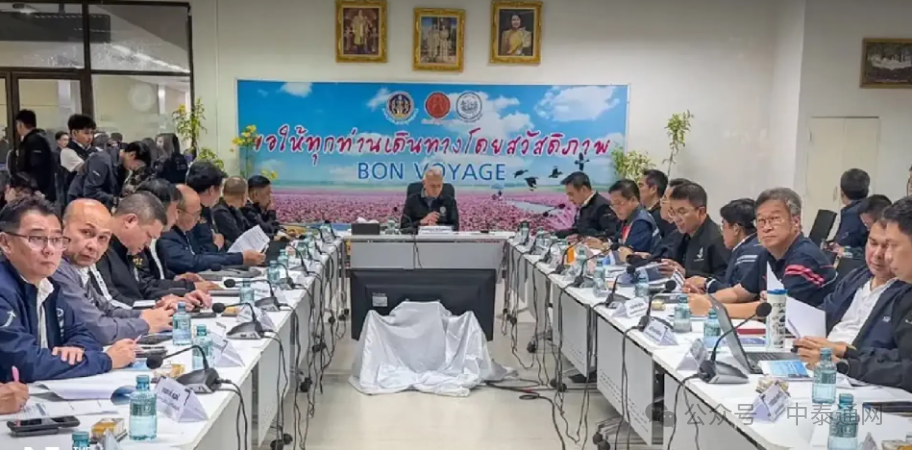
Second phase bidding next year
Thailand plans to launch the bidding for the second phase of the Thailand China high-speed railway project in 2027, connecting Nakhon Ratchasima and Langkawi provinces, with a total length of 357.12 kilometers and an investment budget of 341.35 billion Thai baht. The goal is to open passenger services by 2033. The cabinet has approved the project in principle, and the construction will be carried out simultaneously with the first phase of the project, without waiting for the completion of the Bangkok to Nakhon Ratchasima section. The Phase II high-speed railway mainly serves passenger transportation, with an average operating speed of about 160 kilometers per hour. After completion, it is expected to take only over five hours to travel from Bangkok to Langkawi. From here, the high-speed railway extends to the border between Thailand and Laos, shaking hands with the China Laos railway, and the northeast has also become the front station to China from the hinterland.
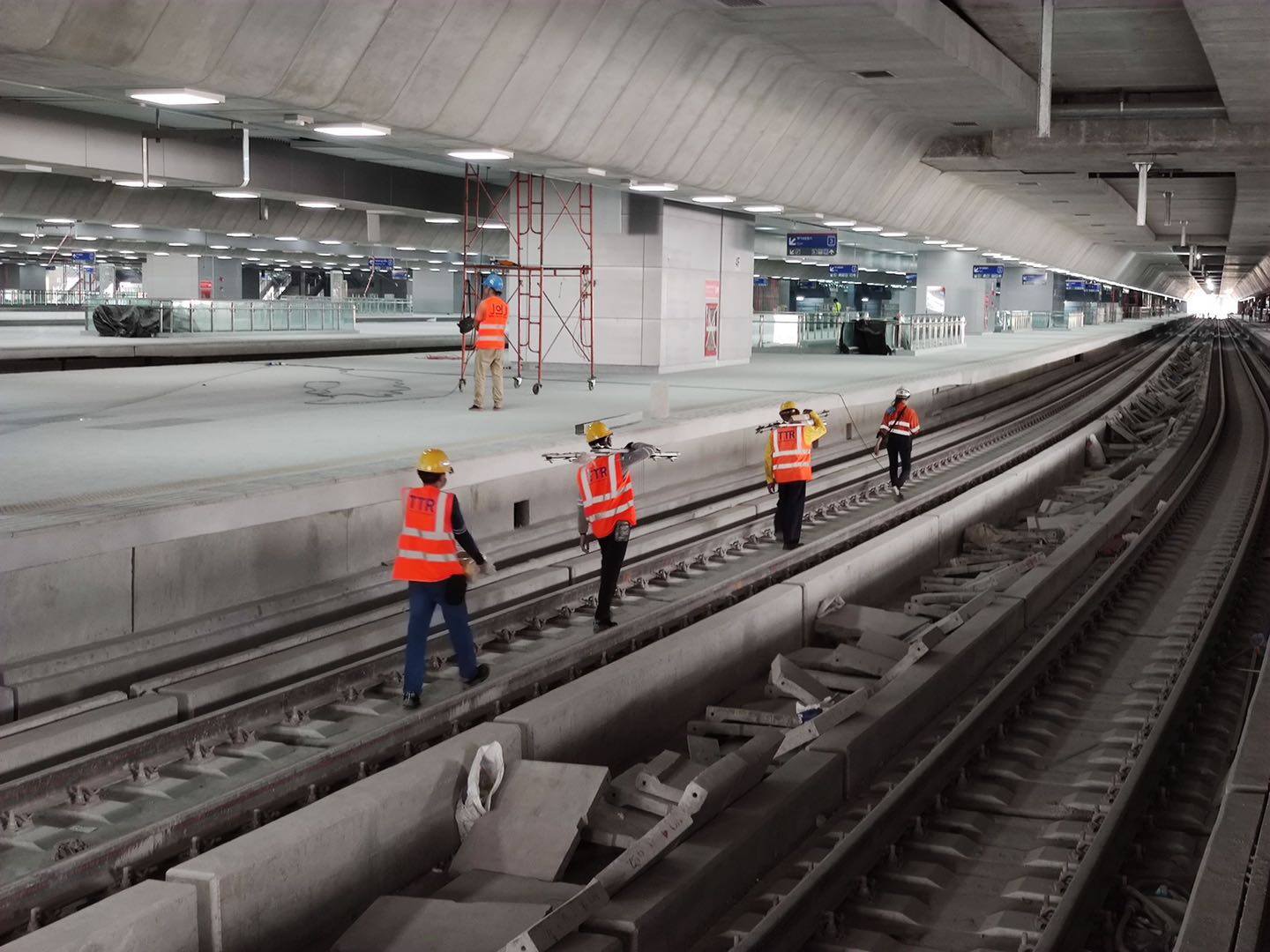
Build while rushing in the first phase
The southern section is also rushing. The first phase of the Thailand China high-speed railway from Bangkok to Nakhon Ratchasima has been completed by about 50%, but two contracts have delayed the progress. Contract 4-1 covers the section from Bang Sue to Don Mueang. As it shares the same line with the three airport high-speed railway project, the State Railway of Thailand is preparing to propose separating it and directly constructing it to accelerate progress; Contract 4-5 involves the section of road passing through the Ayutthaya World Heritage Site, and a solution has been reached with the cultural heritage protection department. Pipat expects the unresolved contract matters to be resolved within one year, and the first phase of the project is expected to be put into operation within five years. The two construction periods overlap, so as not to let the southern section hinder the northern section.
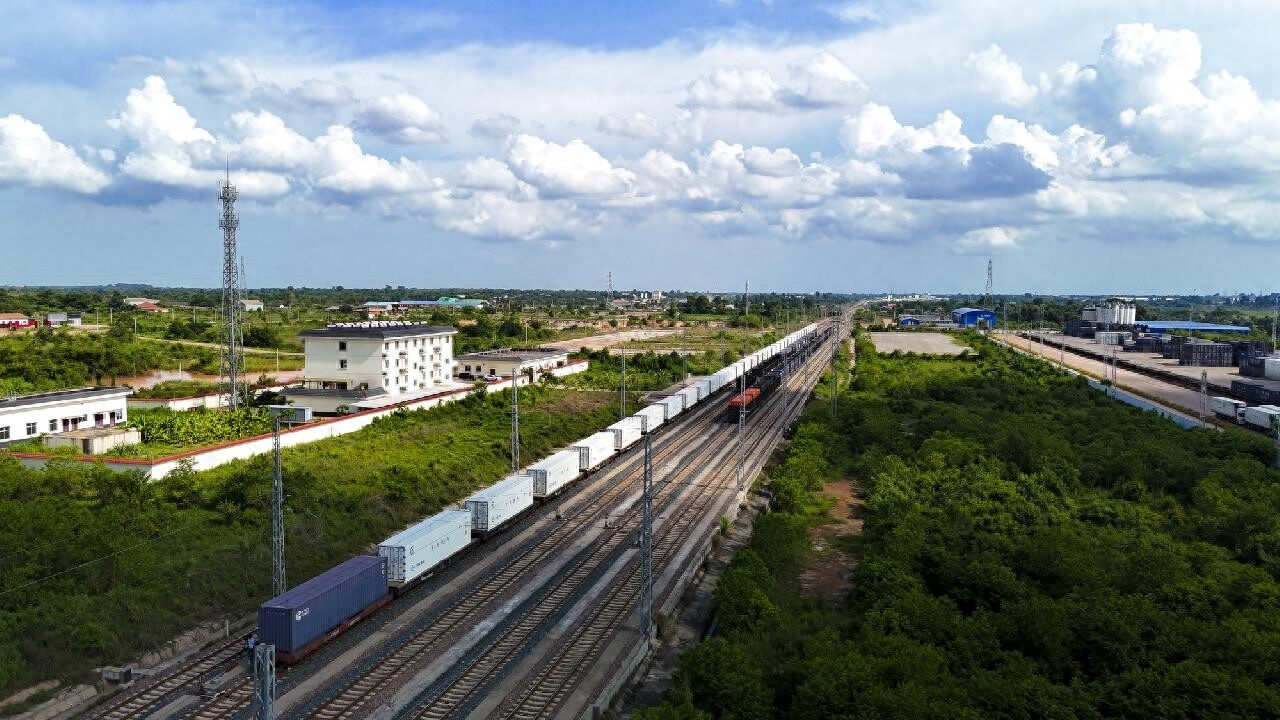
Hub preheating in advance
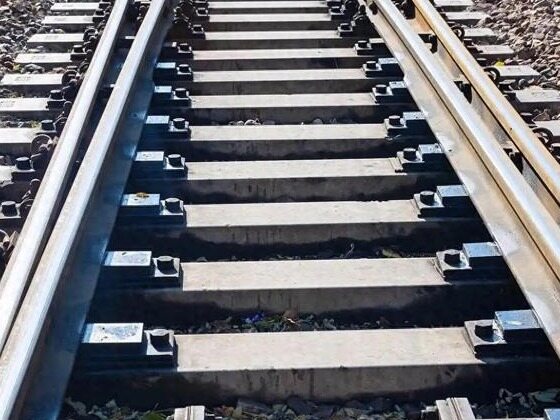
The high-speed railway is still on paper, and freight transportation is getting hot first. In terms of railway upgrading in the northeast, the double track railway from Kongjing to Langkai has a total length of 167 kilometers and a construction budget of 28.68 billion Thai baht. The civil engineering project is currently underway and is expected to be completed and put into use by 2028. Pipat emphasized that the position of Langkai Railway Station as a logistics hub for the transportation of goods between Thailand, Laos, and China is becoming increasingly important. The station handles goods transported from Laos to Linchaban Port for transshipment, including durian and other agricultural products exported to China, with an annual trade volume of hundreds of billions of Thai baht. Agricultural products and raw materials (including rubber) from southern China are transported through Laos to Langkai, then transferred to Linchaban Port and transported to Shanghai. Compared with long-distance transportation within China, this can shorten the time, reduce costs, and support two-way freight transportation.keywords:Engineering infrastructure
With the advancement of railway projects, passenger traffic is expected to increase significantly. The forecast for 2051 shows that Uluntani Railway Station can serve approximately 1.36 million passengers annually, with a daily average of around 3735 passengers. Pipat emphasized the need to ensure that railway investment receives appropriate infrastructure planning support and to develop the surrounding areas of stations to meet the future transportation needs of the region. From durian to passengers, wherever the track is laid, the exam questions for station city development follow.Editor/Yang Meiling
Comment


 Praise
 Collect
 Comment

 Share


Write something~