 Search


- Coordinate energy reserve construction, standardize local investment, and avoid resource waste
- Accelerate the landing of major infrastructure projects on land, sea, and air, and build a regional transportation hub system
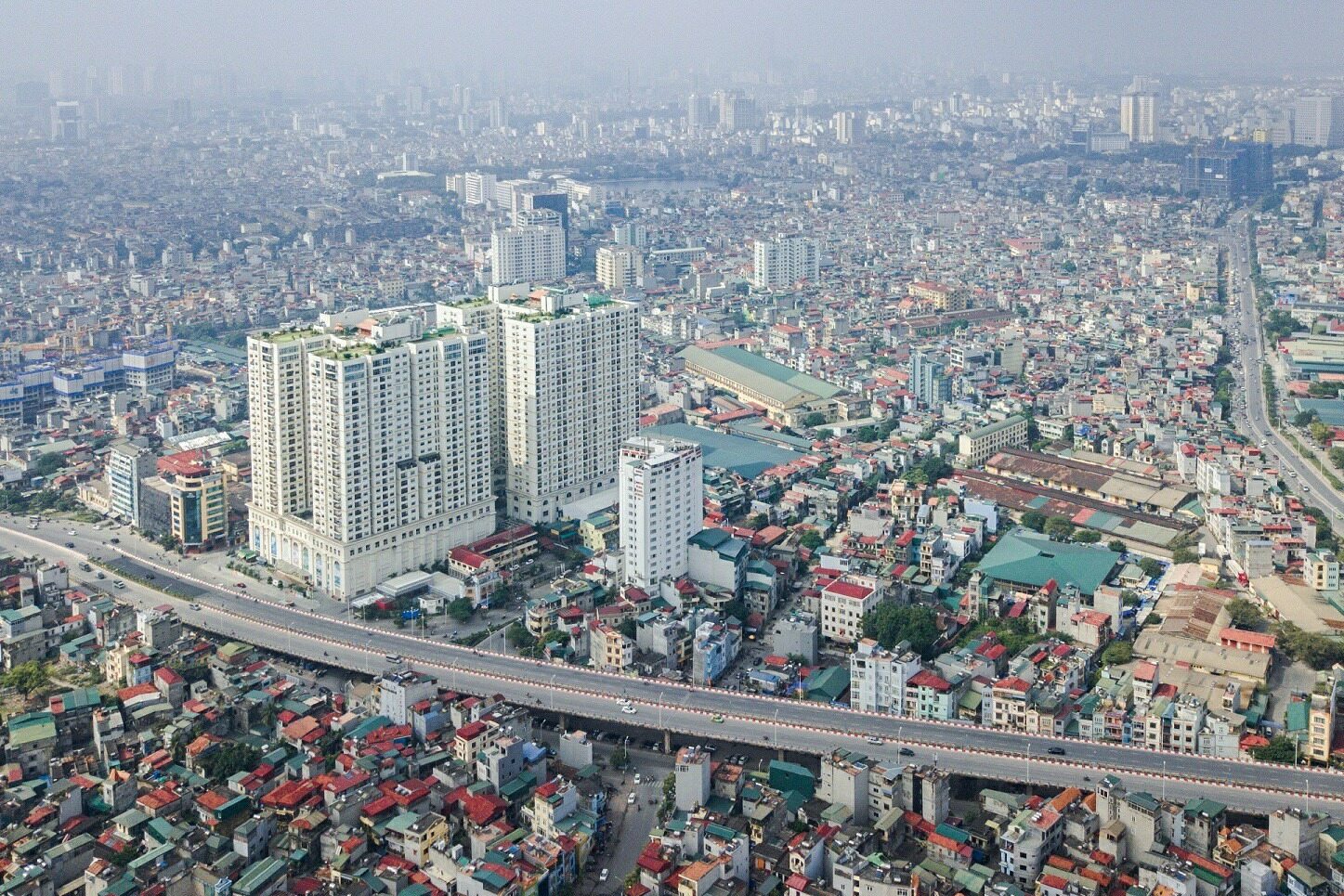
The manufacturing map of Southeast Asia is being redrawn, and Vietnam is using its export chain and foreign-funded factories as engines to try to polish the signboard of the world workshop brighter. The faster the workshop machines rotate, the more exposed the load-bearing limits of the power grid, road network, and airport. The real challenge of writing double-digit growth into the national agenda is to nail inch by inch the steel rails and routes in the blueprint into the red soil.
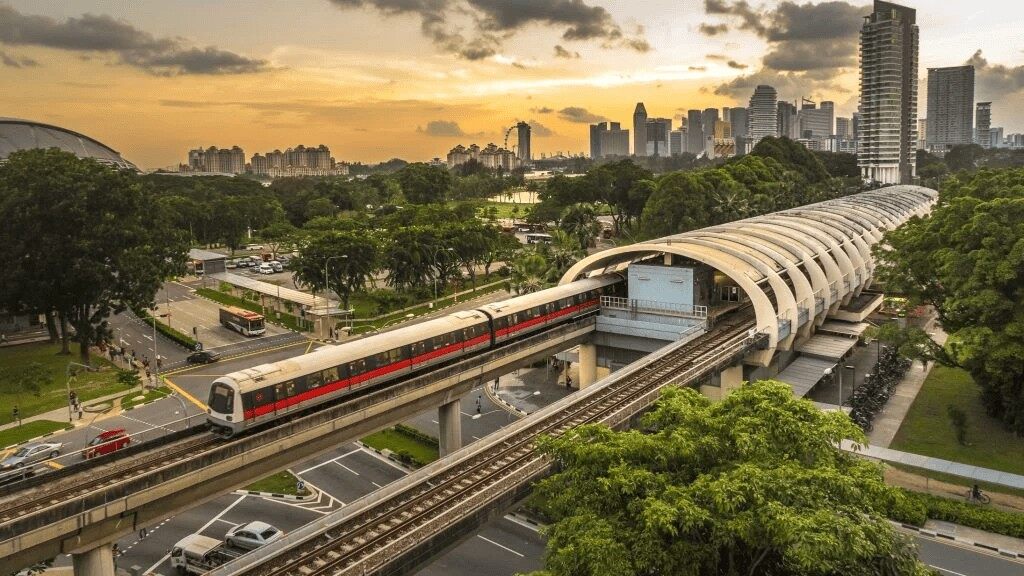
The National Assembly of Vietnam has set a target of a minimum economic growth rate of 10% by 2027, with an expected per capita GDP of approximately 6100 US dollars. The resolution on the 2027 socio-economic development plan was passed by vote on Saturday, with over 93.4% of the members supporting it.
Lock in growth, stabilize and control inflation
The resolution clearly states that Vietnam aims to achieve an economic growth rate of no less than 10% next year and control inflation at around 4.5%. The resolution requires the government to prioritize stable growth, safeguard macroeconomic fundamentals, control inflation, and maintain a balance of various economic indicators.
The government still needs to achieve breakthroughs in resource mobilization and efficient allocation. The measures include expanding fiscal revenue, reducing expenditures, especially regular expenditures, issuing various types of bonds, and seeking ODA official development assistance loans. At the same time, policies will be quickly introduced to relax the upper limit of foreign ownership in non national security fields.
Regulating finance to fill in the gaps
The National Assembly demands that the government adjust interest rates and exchange rates in combination with internal and external situations, lower loan interest rates, and allocate credit specifically to production, operation, and key support areas. The government also needs to introduce measures to narrow the trade deficit, cultivate a healthy and sustainable real estate market, and revitalize long-term suspended projects. In terms of energy security, the resolution requires ensuring stable supply of electricity and oil.
Accelerate infrastructure construction and layout energy
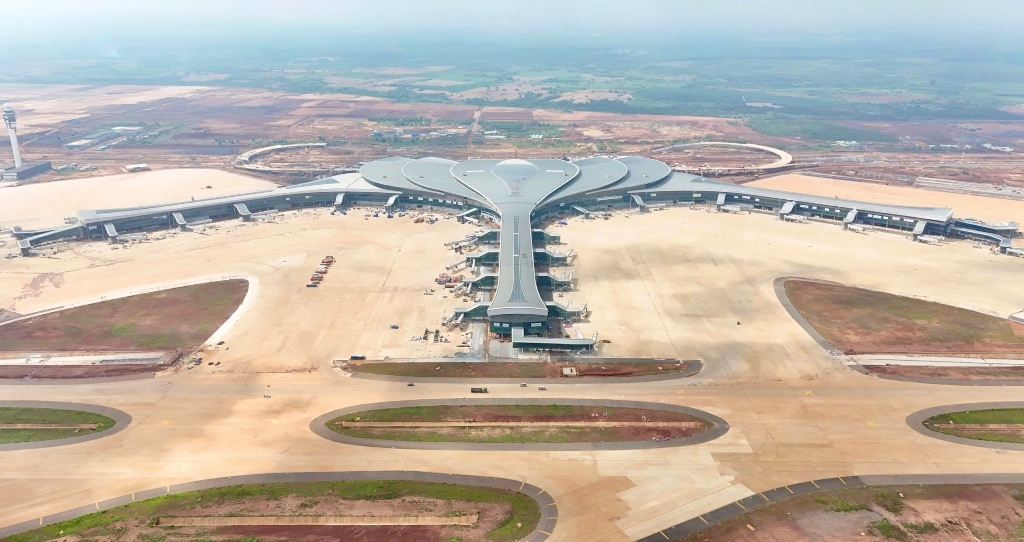
In the field of infrastructure, Vietnam will improve its high-speed road network according to the plan, prioritize the construction of the east-west sections of the north-south expressway and the east-west transportation corridor, and accelerate the construction of key projects such as the Laocai Hanoi Haiphong railway, north-south high-speed railway, cross-border railway, and urban rail transit. Two major airport projects are accelerating progress: Longqing International Airport in Tongna Province is located about 40 kilometers east of Ho Chi Minh City, and after being put into operation, it will share the pressure of Johor Bahru Airport. In the long term, the annual passenger throughput can reach 100 million people; Jiaping International Airport in Beining Province is located 40 kilometers east of Hanoi, creating a northern aviation hub that caters to passenger and cargo transportation, international transit, and aircraft maintenance. Keywords: Vietnam, Southeast Asia, energy, infrastructure
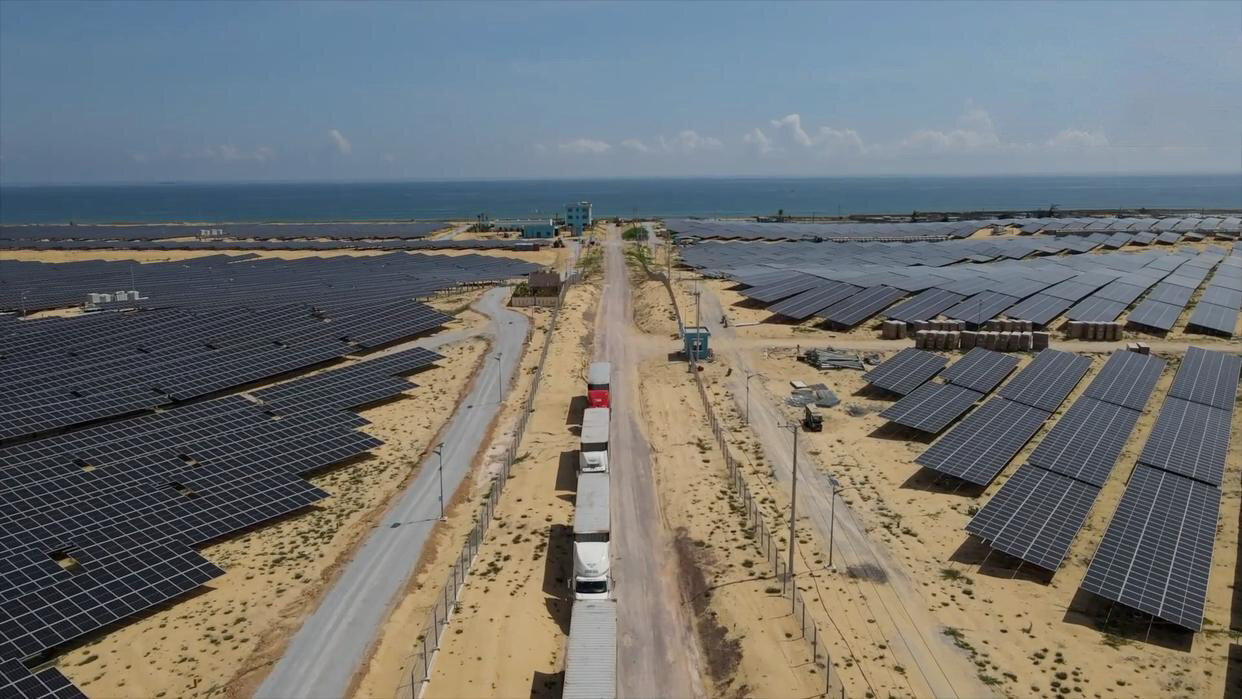
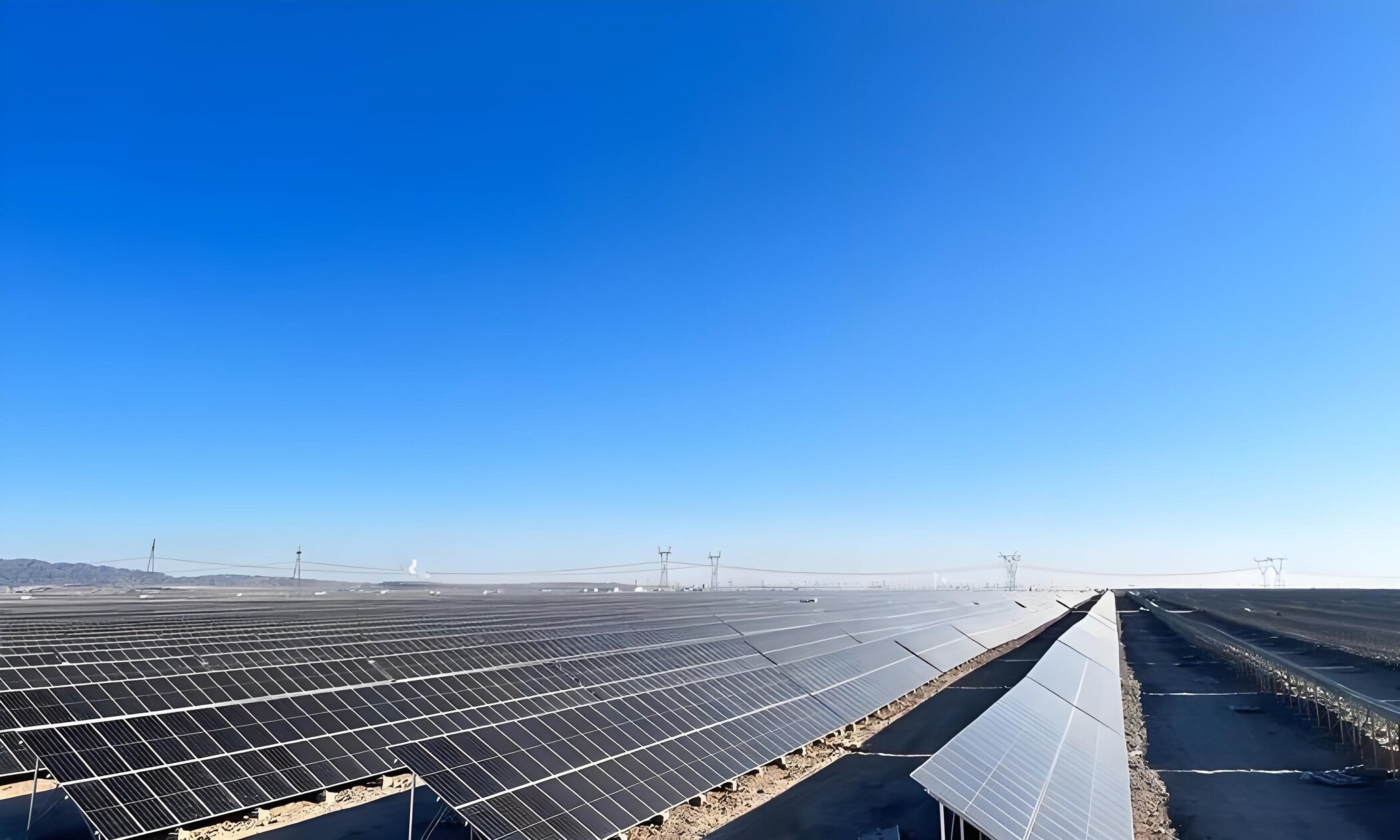
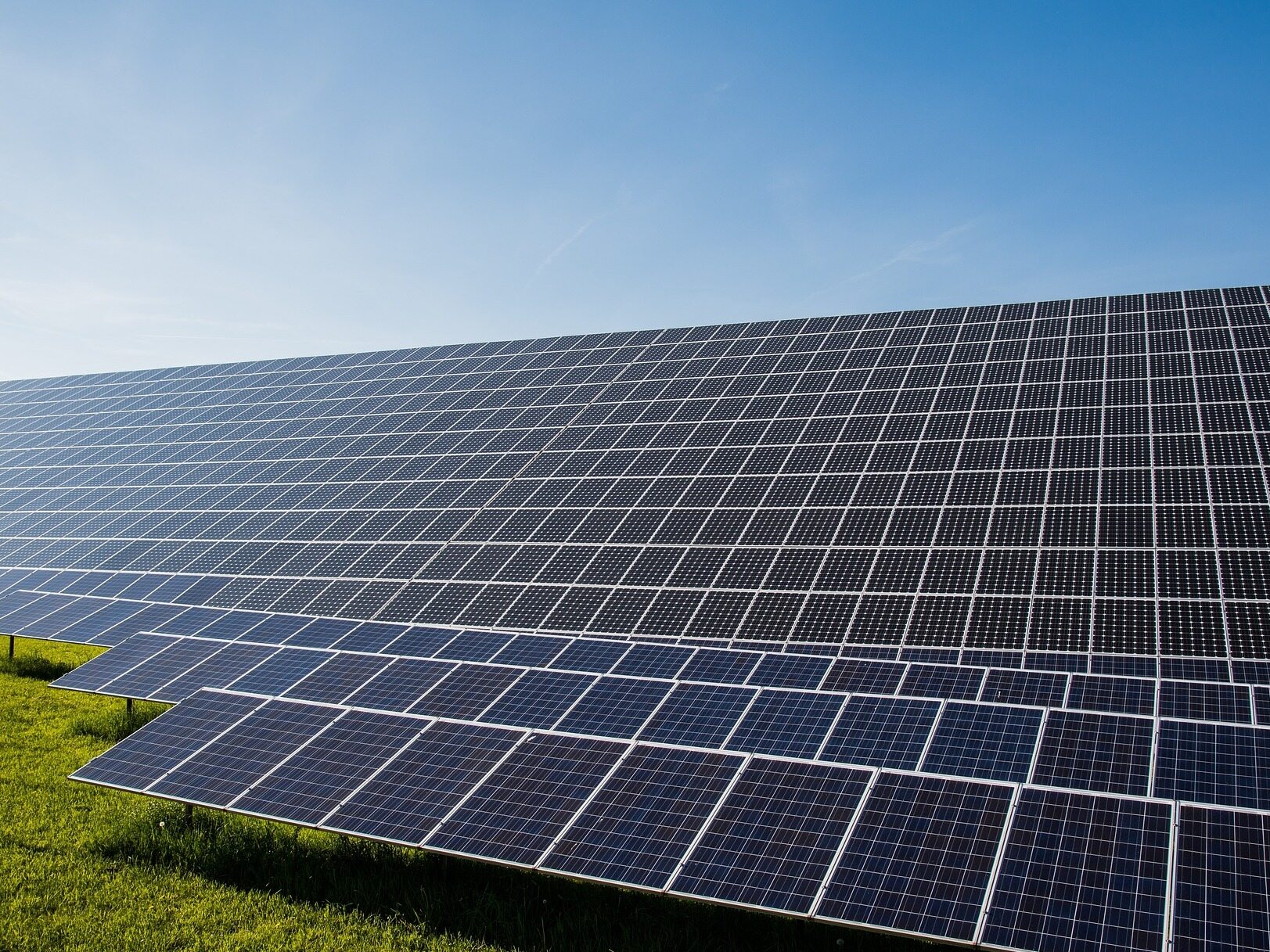
In terms of energy, the resolution requires the introduction of a national energy reserve plan to promote the implementation of power sources, transmission networks, and photovoltaic projects. At the same time, standardize local investment behavior, curb blind project approval for airports, seaports, data centers, and free trade zones, and prevent inefficient and wasteful use of funds.Editor/Gong Ziwei
Comment




 Praise
 Collect
 Comment

 Share


Write something~