 Search


- 30.66 kilometers of elevated railway line connected to the entire Ho Chi Minh City rail transit network in Vietnam
In November 2026, the Ho Chi Minh City Urban Railway Management Committee officially released the draft environmental impact assessment report for the Pingyang New City to Xianquan Urban Rail Transit Line 1, soliciting opinions. The latest construction details and investment adjustments of this line were fully disclosed to the public for the first time.
Investment scale significantly increased by 61%
The environmental impact assessment report disclosed this time shows that the total investment of the project is about 88.875 trillion Vietnamese dong, approximately 3.453 billion US dollars, an increase of about 61% compared to the 55 trillion Vietnamese dong plan announced in June 2026. The total length of the line has been adjusted from the original planned 32.8 kilometers to 30.66 kilometers. After the total investment is split, the construction cost is about 26.53 trillion Vietnamese dong, the equipment purchase cost is about 19.628 trillion Vietnamese dong, the land acquisition compensation and resettlement cost is about 19.575 trillion Vietnamese dong, and the remaining part is project management consulting fees and reserve funds.
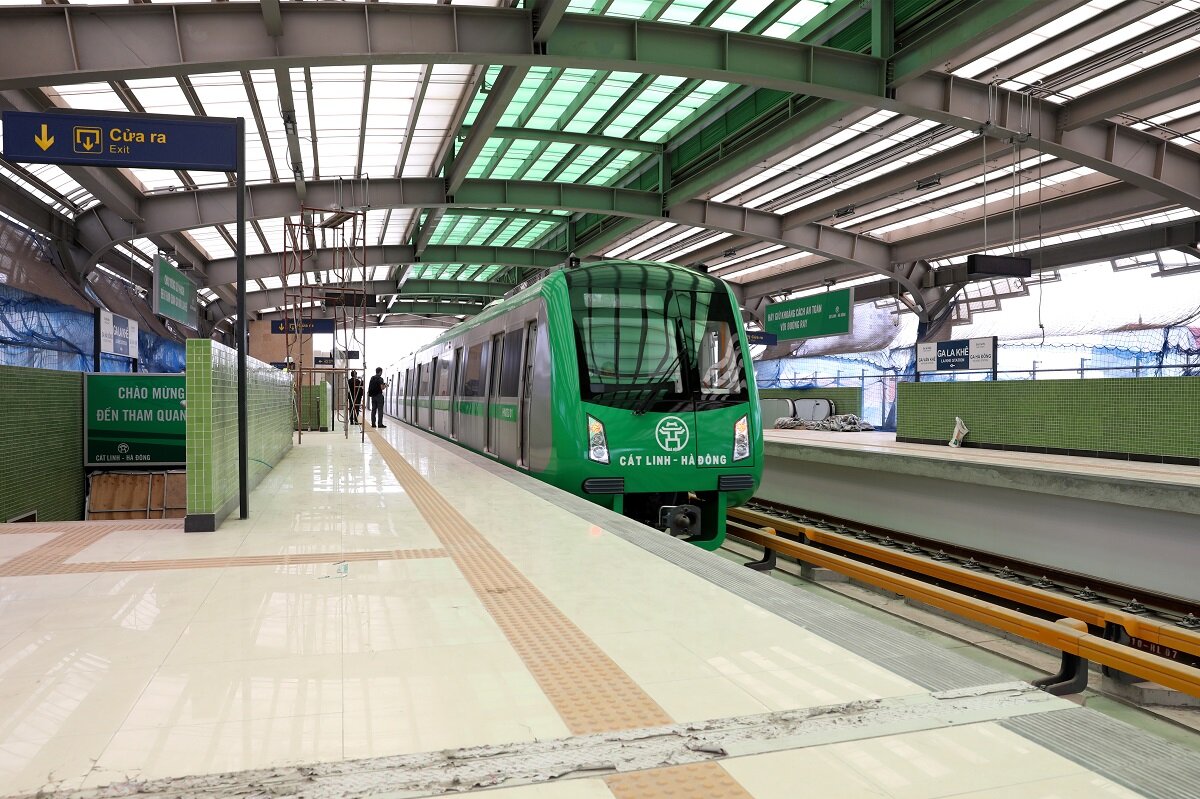
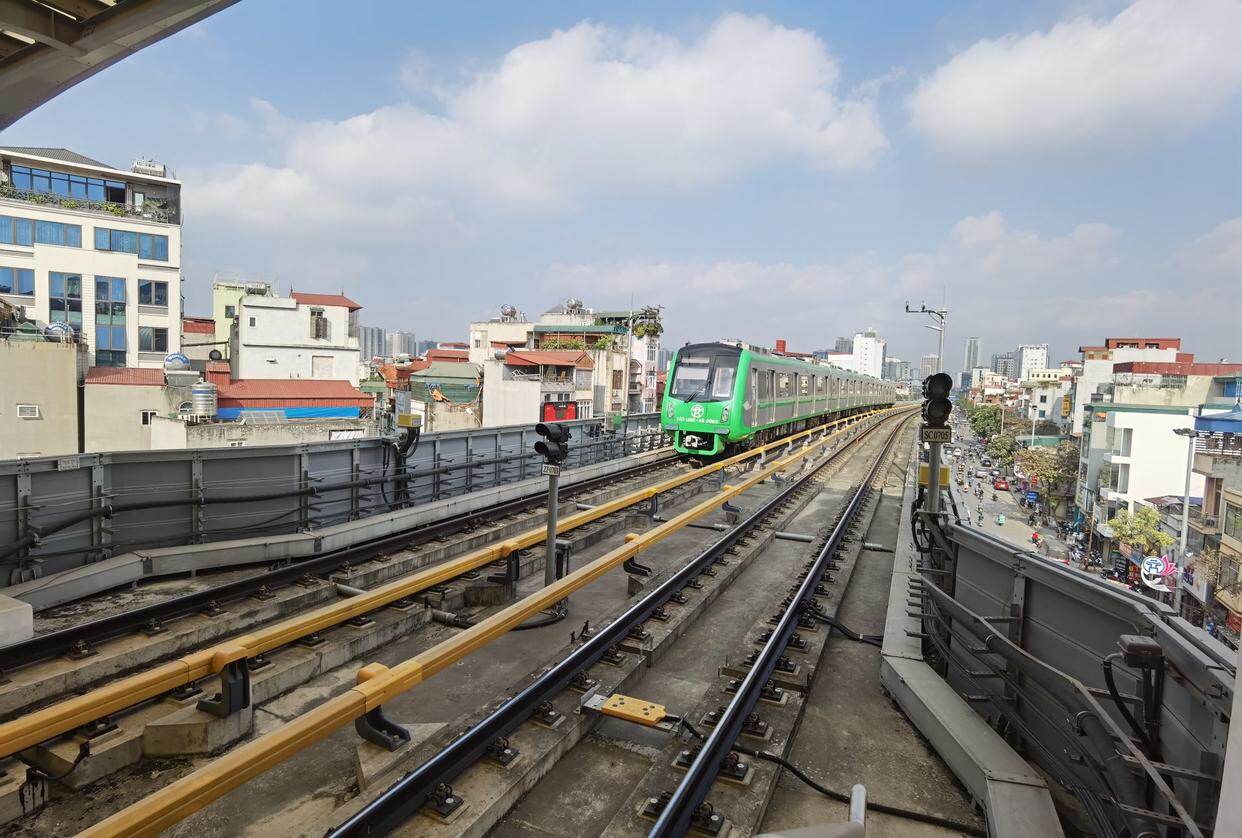
The project is positioned as a high-capacity urban rail transit MRT system, using a dual track electrified railway system with a gauge of 1435 millimeters. The entire line is equipped with 19 elevated stations, of which two terminal stations are planned to be constructed in subsequent stages. The maximum design speed of the train is 120 kilometers per hour, the maximum operating speed is 110 kilometers per hour, and the main construction period is set at 60 months. At present, the report has not disclosed the source of project funds and specific financing arrangements, and the project is still in the early preparation stage.
Incorporate into the Ho Chi Minh City rail transit network
This line was originally an independently planned urban railway project in Pingyang Province. With the integration of Pingyang Province into Ho Chi Minh City, the project has been officially included in the overall planning of Ho Chi Minh City's rail transit network. It is not a direct extension of the existing Bincheng to Xianquan Line, but a completely independent urban railway line that can be connected to the regional rail transit network through station connections in the future. The S17 station is only about 1.9 kilometers away from the existing Ho Chi Minh City Subway Line 1 Bincheng to Xianquan Line, and can also be connected to the planned urban rail transit Line 2 in Dong Nai Province.
The project belongs to the urban railway project under the special mechanism determined by Resolution 188/2025/QH15 of the Vietnamese National Assembly, and does not need to go through the regular investment proposal decision-making process. The Ho Chi Minh City People's Committee is directly responsible for organizing project preparation, evaluation, and investment decision-making. Keywords: Rail Transit, Infrastructure
The starting point of the line is located in the Pingyang Fang New City area of Ho Chi Minh City, and it eventually reaches the Pingsheng area of Donghe Fang. The line covers multiple industrial clusters and residential groups. It is expected that the daily passenger flow will be about 175300 in 2030 and will climb to 830200 in 2050, becoming an important commuting backbone line in the eastern urban area.Editor/Cheng Liting
Comment



 Praise
 Collect
 Comment

 Share


Write something~