 Search


- Mingyang Intelligence collaborates with Philippine enterprises to advance research on large-scale offshore wind power projects
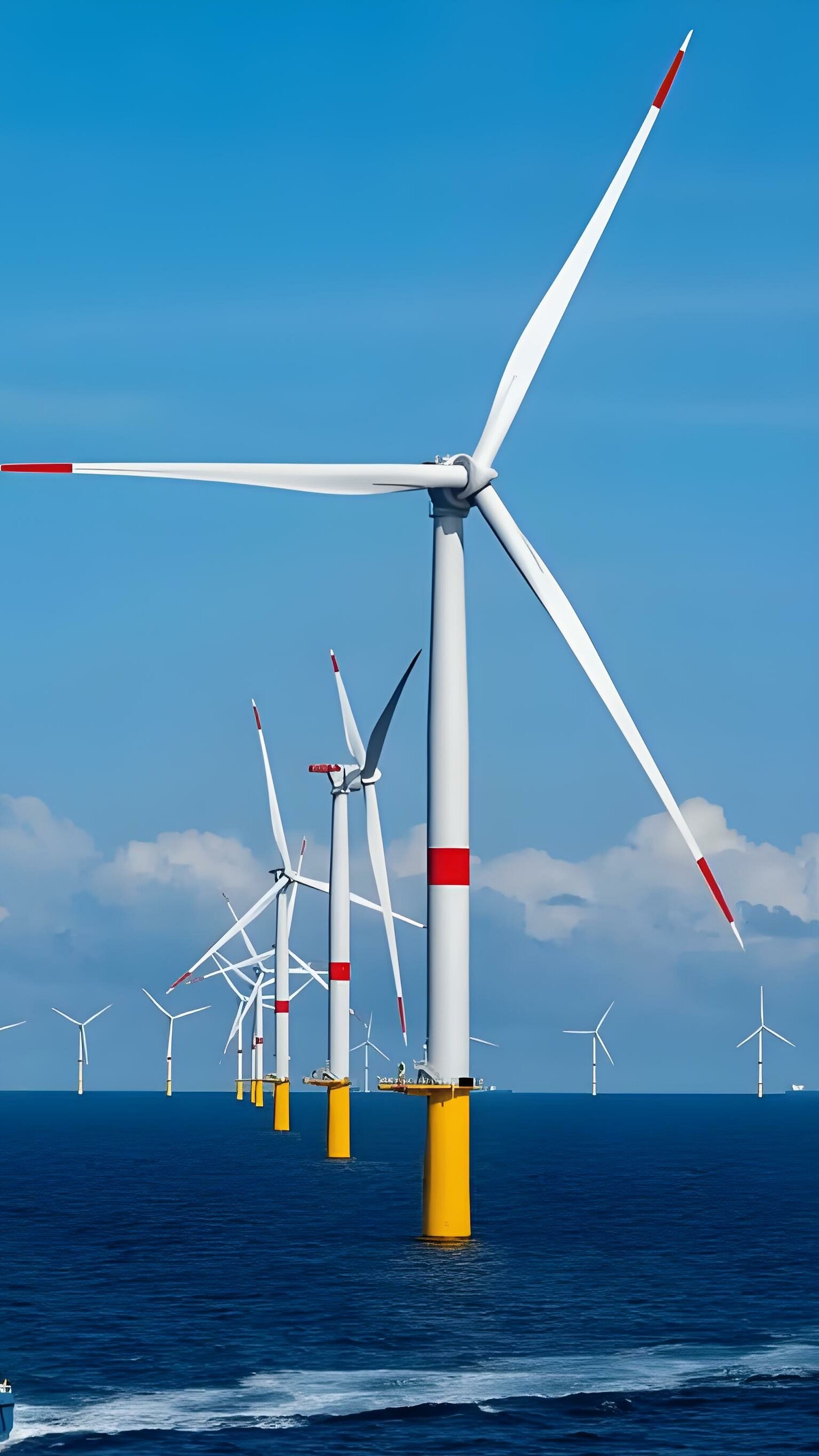
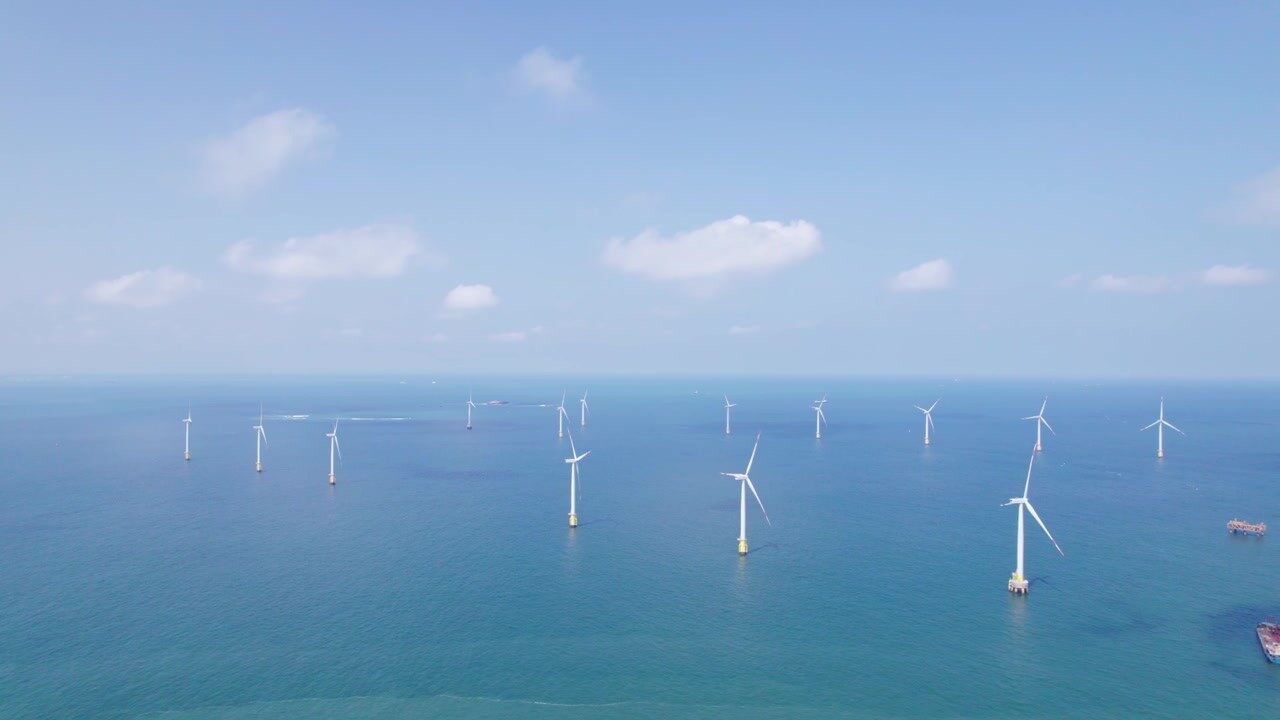
The South China Sea monsoon swept over the Luzon Strait, blowing the Pacific swells and the wind pressure at the front of the typhoon towards the deep blue sea surface of North Ilogo. In this sea area where no offshore wind turbine has yet been erected, Chinese engineers and Filipino developers have bent down to survey wind resources and deduce floating foundations - a layout about deep-sea green power, quietly starting from drawings and surges.
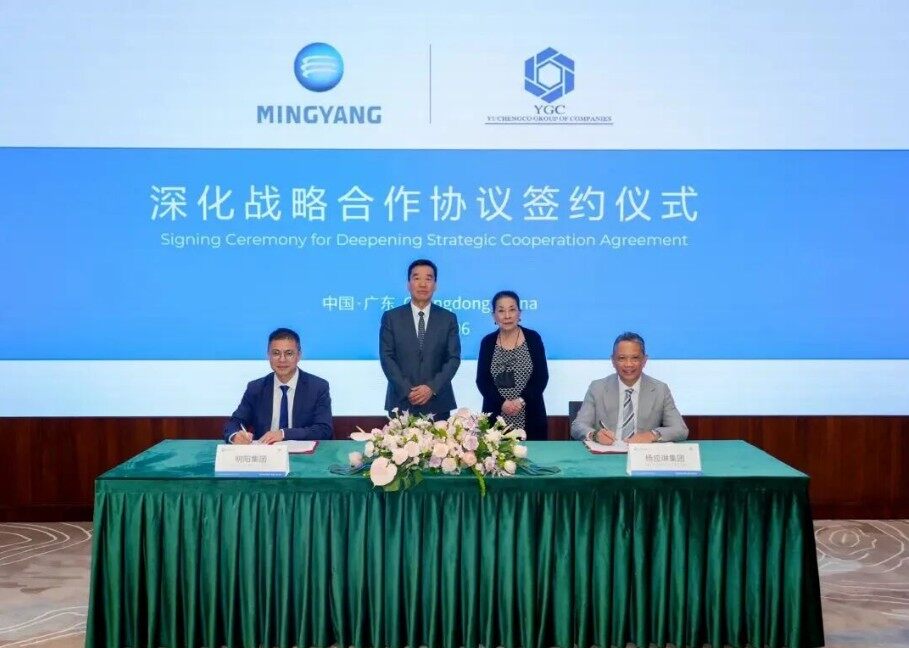
Reaching a cooperation agreement
Recently, Mingyang Intelligent and PetroGreen Energy Corporation of the Philippines signed a strategic cooperation agreement in Zhongshan, Guangdong, to conduct technical, logistics, and economic feasibility assessments around a 2GW offshore wind power project in Northern Luzon, Philippines. The project is located near the coast of North Ilogo Province and is developed by BENLC, a subsidiary of PetroGreen. Both parties will study the compatible models, power generation, engineering solutions, and costs. Mingyang Intelligent will also provide wind power training for local technical personnel and universities.
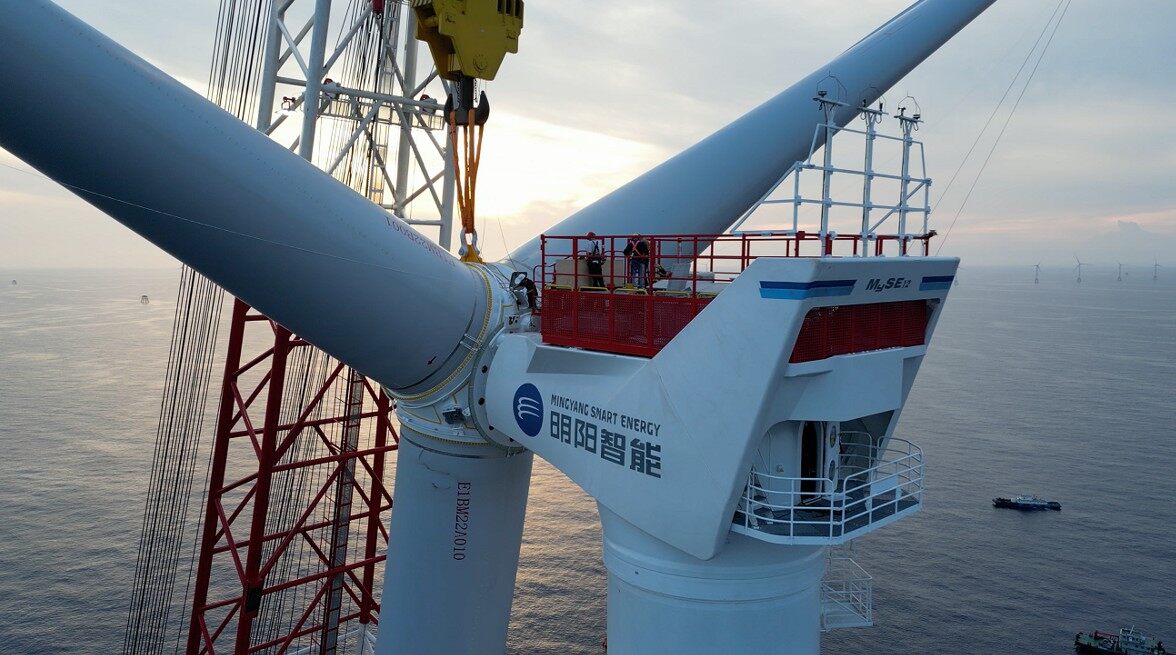
Deepen the preliminary layout
This signing is a continuation of the cooperation between both parties. In November 2025, both parties have signed a feasibility study memorandum; This cooperation has been upgraded to the group level, and opportunities for cooperation in energy storage, photovoltaics, and other fields have been explored simultaneously. The foundation of the project is solid in the early stage, and it has successively obtained green channel certification, key energy project qualifications, and environmental permits. It continues to promote wind resource survey, environmental impact assessment, and other work. Mingyang has previously delivered a total of 306MW onshore wind turbines in the Philippines, and this business expansion extends to the early development of offshore wind power.
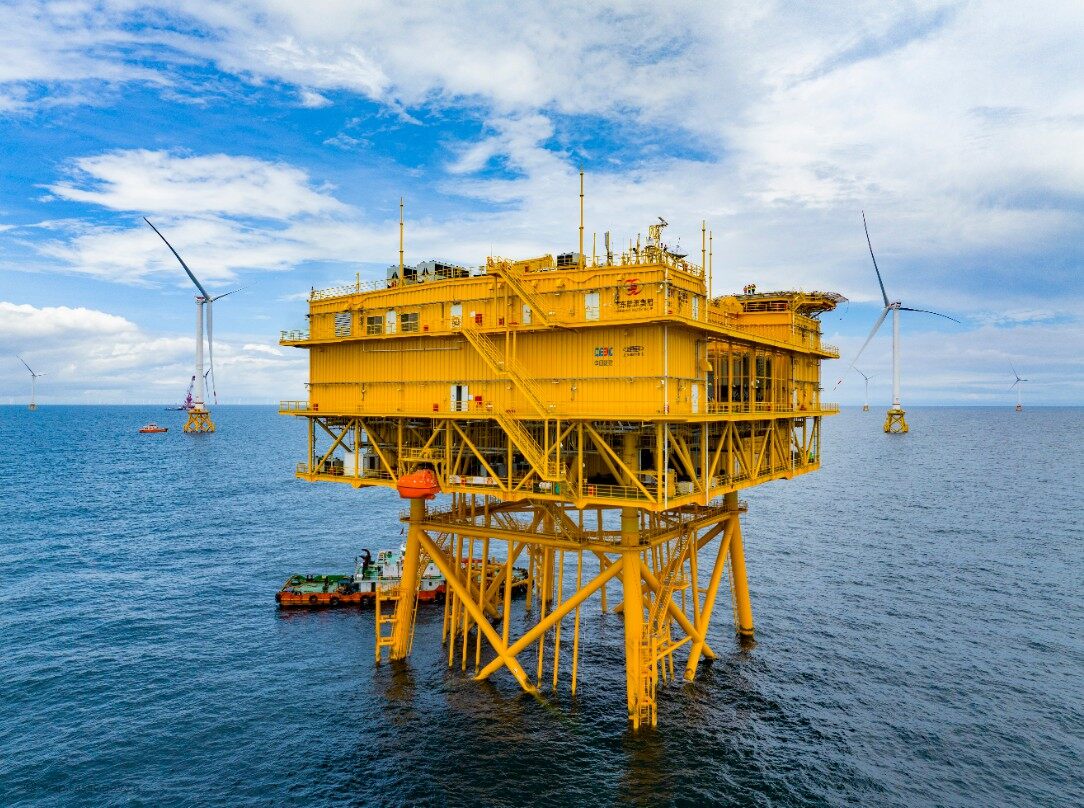
Assessing Development Prospects
As the project plan continues to refine, the subsequent construction will cover offshore wind turbines and foundations, offshore hoisting construction, port logistics, submarine cables, booster stations, and onshore transmission projects. Mingyang's early participation in technical and economic research will help to include its own plan in the developer's selection list, creating favorable conditions for subsequent equipment orders.
The development of offshore wind power in the Philippines is still constrained by port facilities, grid connection conditions, and power purchase mechanisms. In 2026, the Philippine Department of Energy will adjust the fifth round of offshore wind power bidding rules to address the shortcomings in infrastructure and landing conditions. Whether the project can be implemented for procurement depends on the feasibility study conclusion, supporting facilities, financing, and investment decisions. For domestic wind power enterprises, the value of this cooperation lies in the early technical intervention, laying the groundwork for subsequent equipment and engineering cooperation.Editor/Gong Ziwei
Comment



 Praise
 Collect
 Comment

 Share


Write something~