 Search


- The efficiency of exporting coal from Mengxi has achieved a substantial leap
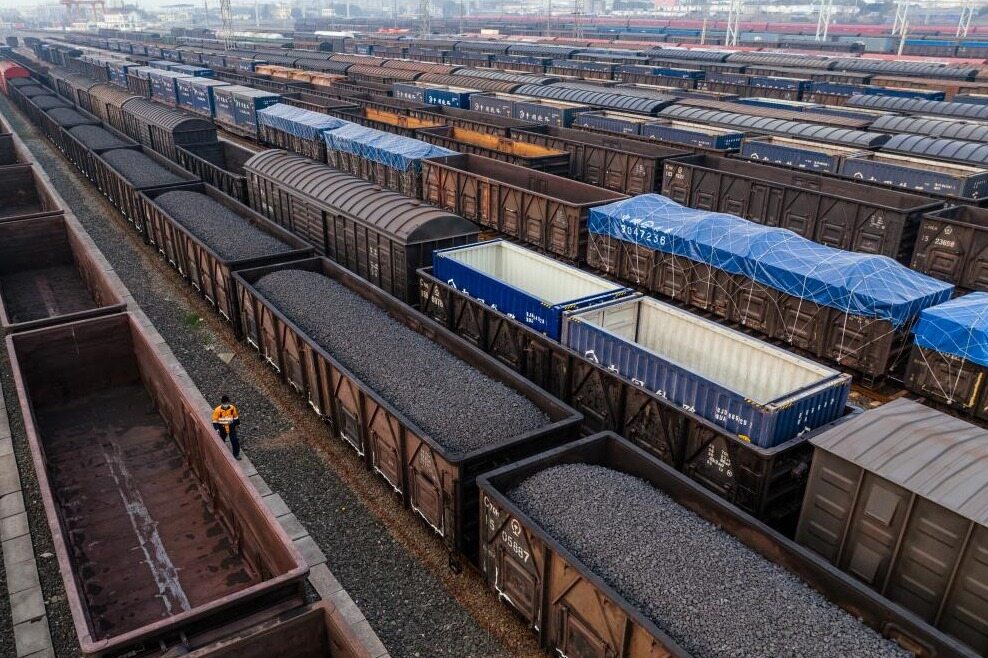
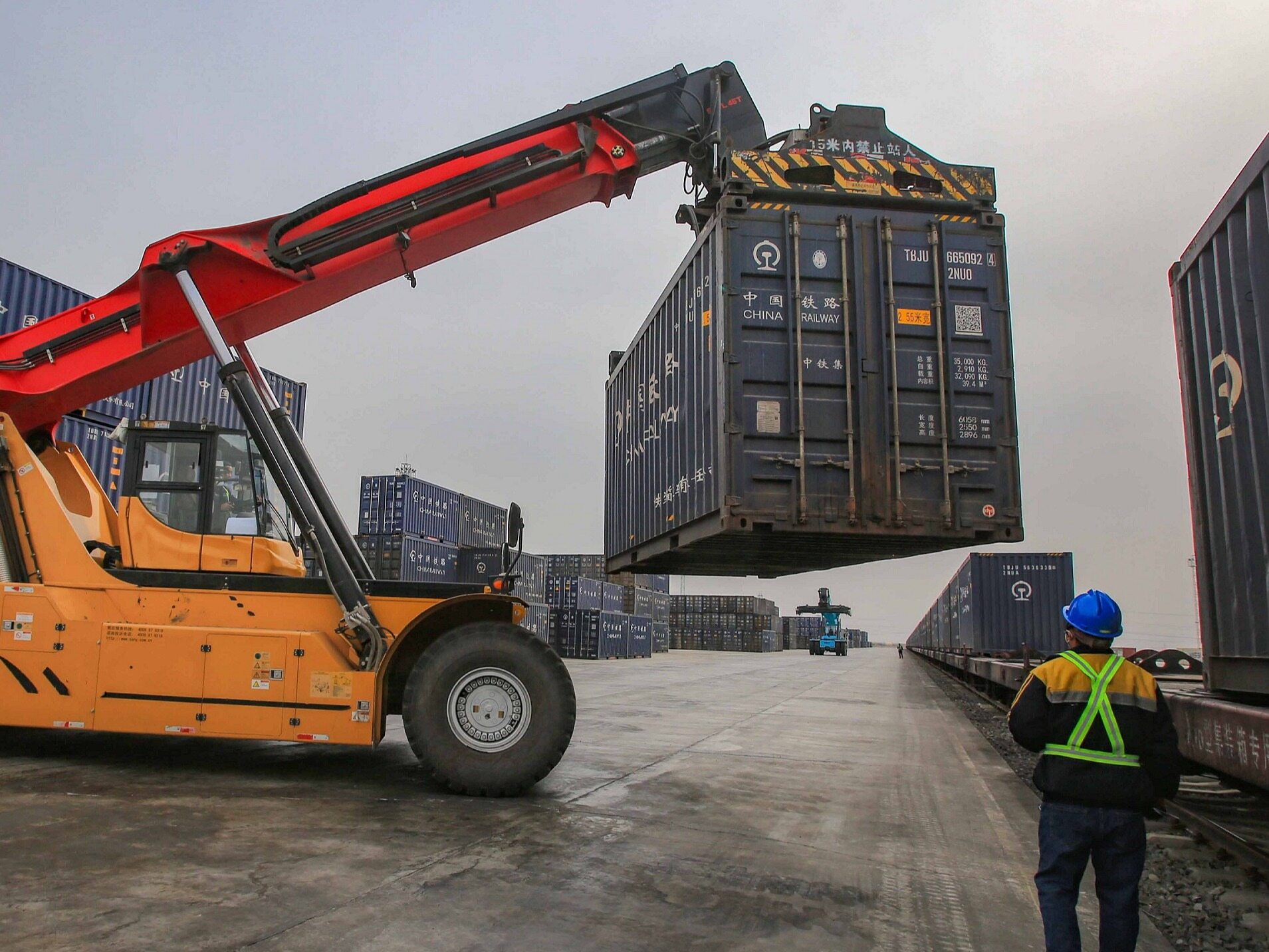
On November 11, 2026, the first fully loaded coal train smoothly departed from the Sandaoqu consolidation station, and the inland port of Zhungeer Banner in Caofeidian Port was officially unveiled simultaneously. A new direct sea channel was officially opened between the Mengxi Energy Production Area and the Bohai Sea estuary. The coal resource production area that has been rooted in the inland for many years has extended its logistics hub directly to the operation chain of coastal ports for the first time.
Four consolidation stations linked together
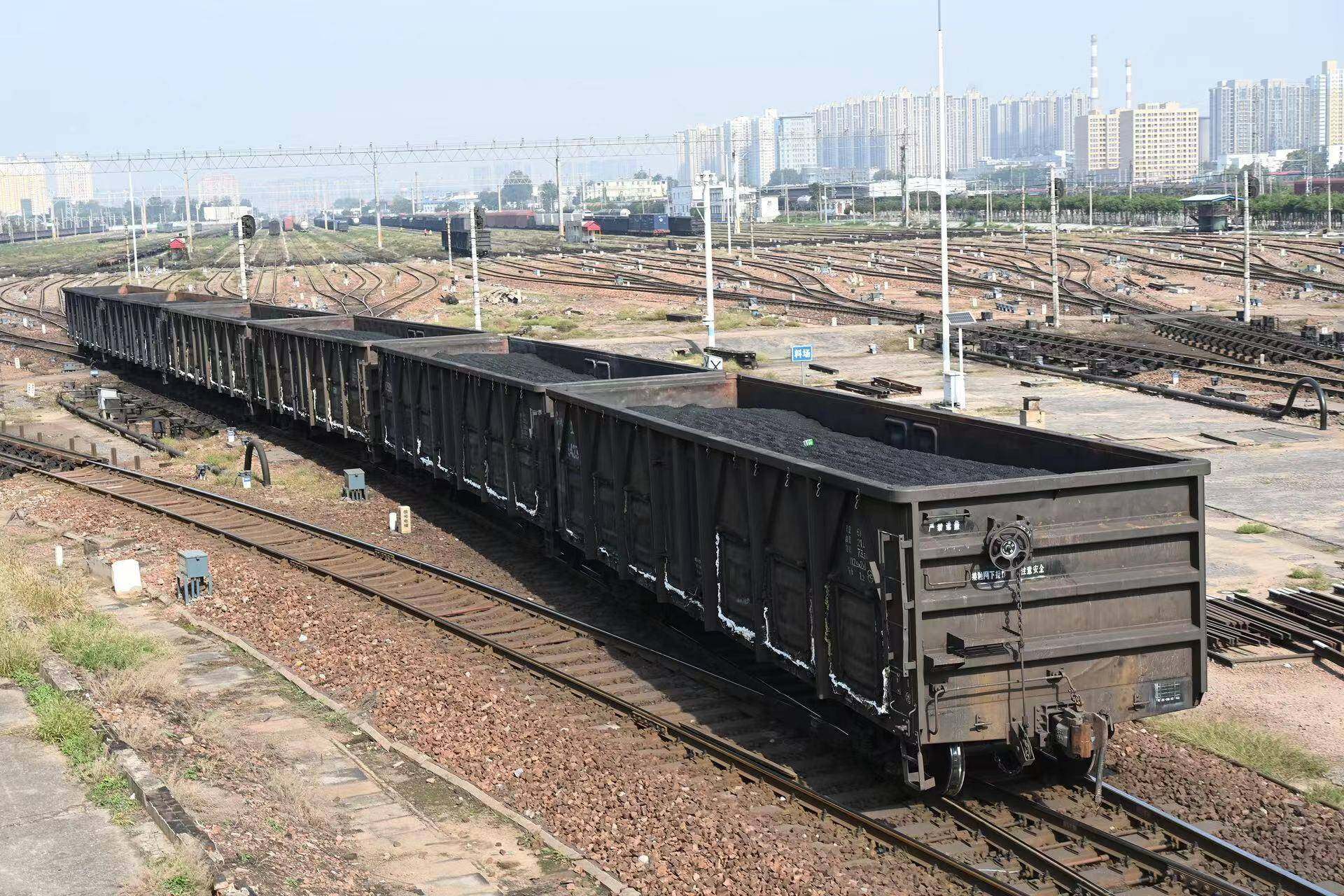
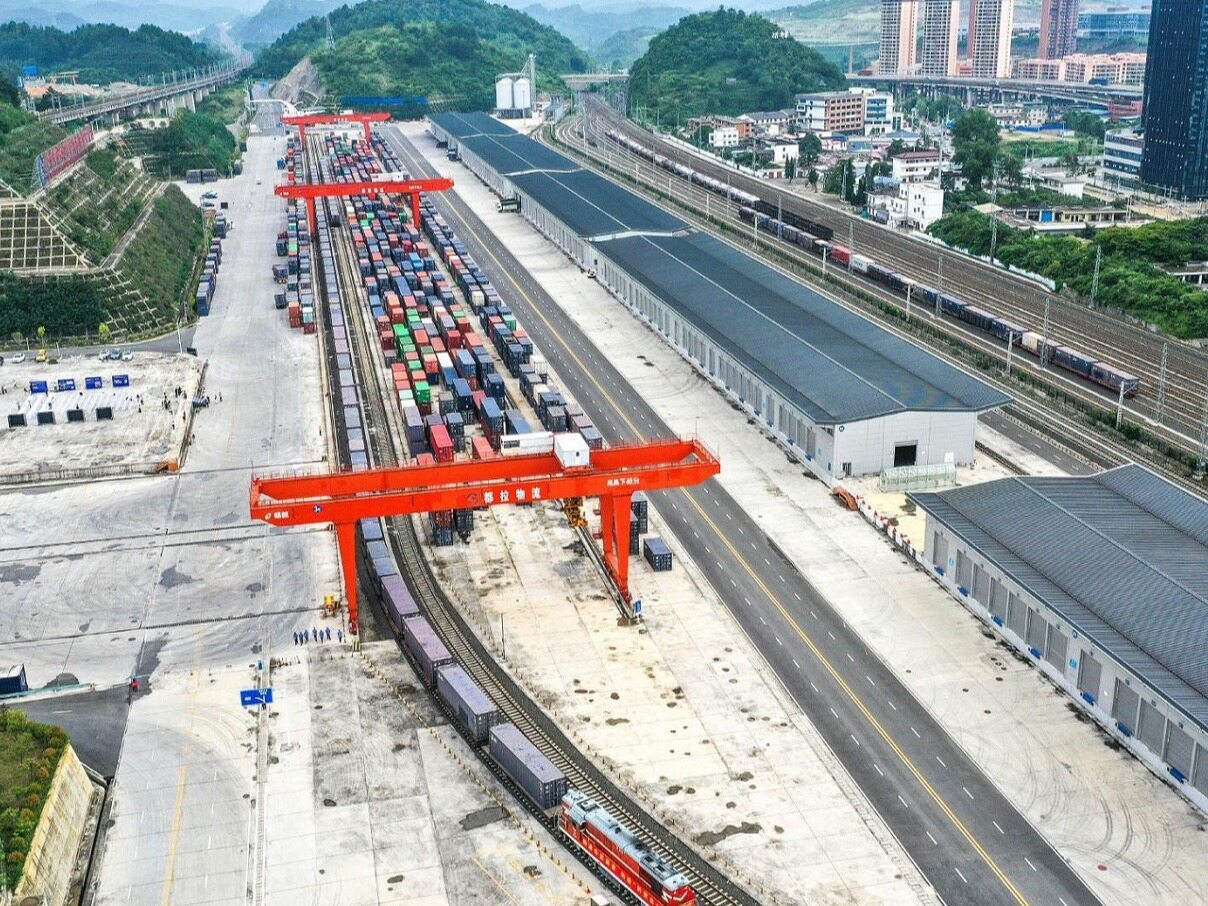
Zhungeer Banner is one of the most important energy supply bases in Inner Mongolia, with a stable annual coal production of around 350 million tons. Previously, a large amount of coal transported abroad needed to go through multiple stages of transshipment to reach coastal ports, resulting in a long transportation chain and low scheduling efficiency. This time, the inland port has directly landed at four core nodes: Sandaoqu consolidation station, Wuzhiwan consolidation station, Ganzigou consolidation station, and Xiyingzi shipping station, fully connecting the advantages of inland cargo gathering with the water distribution advantages of Caofeidian Port.
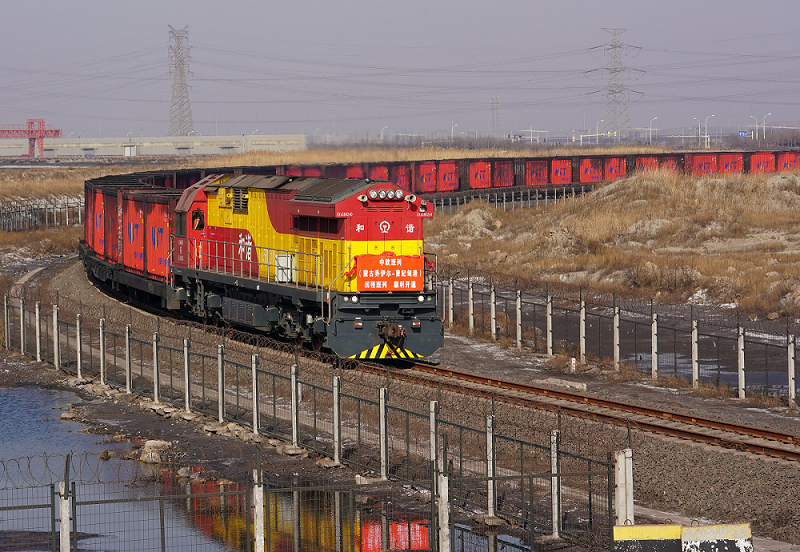
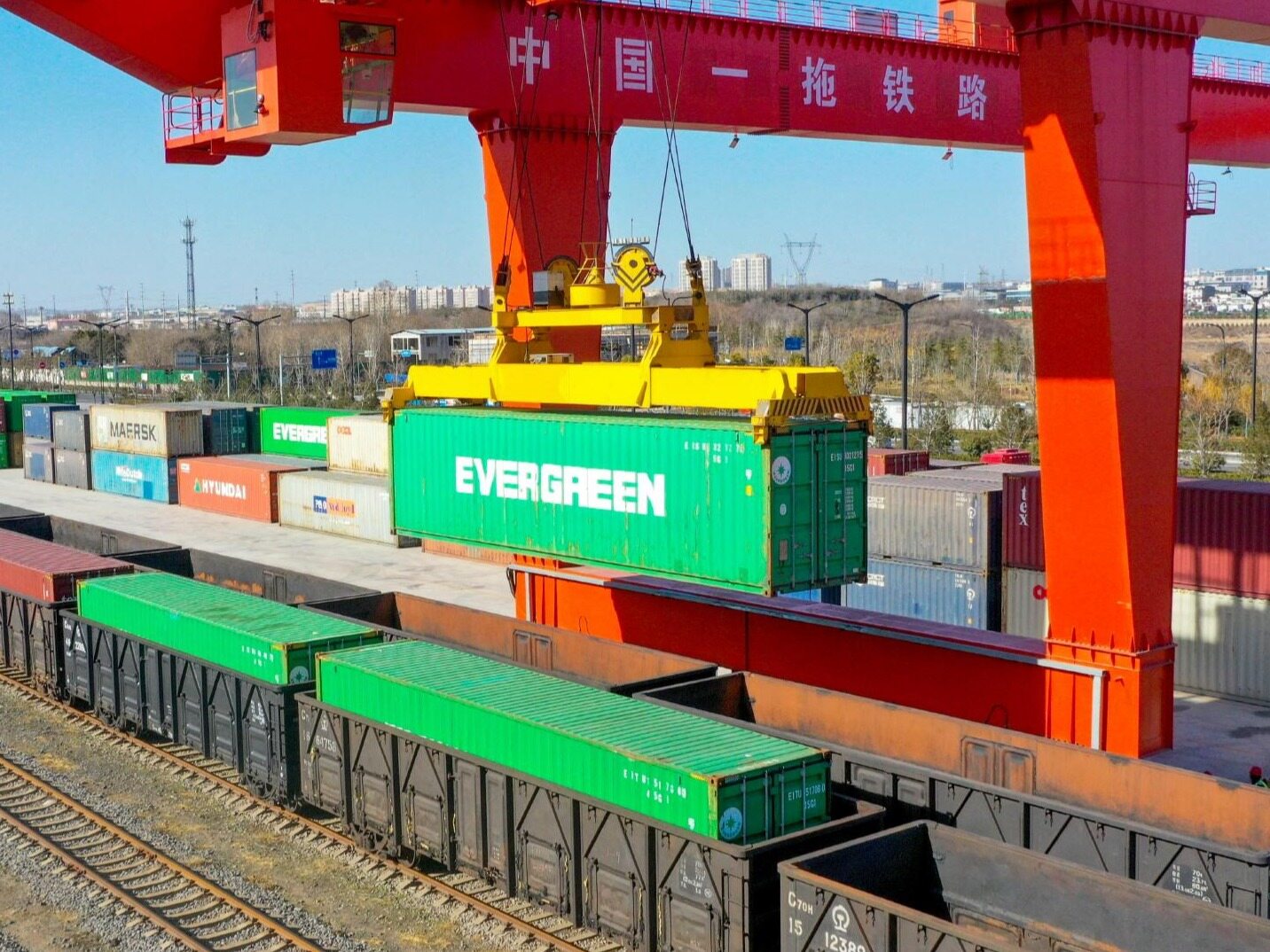
As an important energy and raw material distribution hub in the Bohai Rim region, Caofeidian Port has complete functions such as dock loading and unloading, coal storage and blending, bonded warehousing, customs declaration and inspection, and bulk commodity trading. It is the core port for the export of coal materials from western and northwestern Mongolia. After the direct connection between the two places, coal can be directly linked to the port operation plan after being shipped from the consolidation station, eliminating the need for repeated scheduling in multiple intermediate links, and greatly improving the operational efficiency of the entire iron water intermodal transportation chain.
Dual directional opening of channels
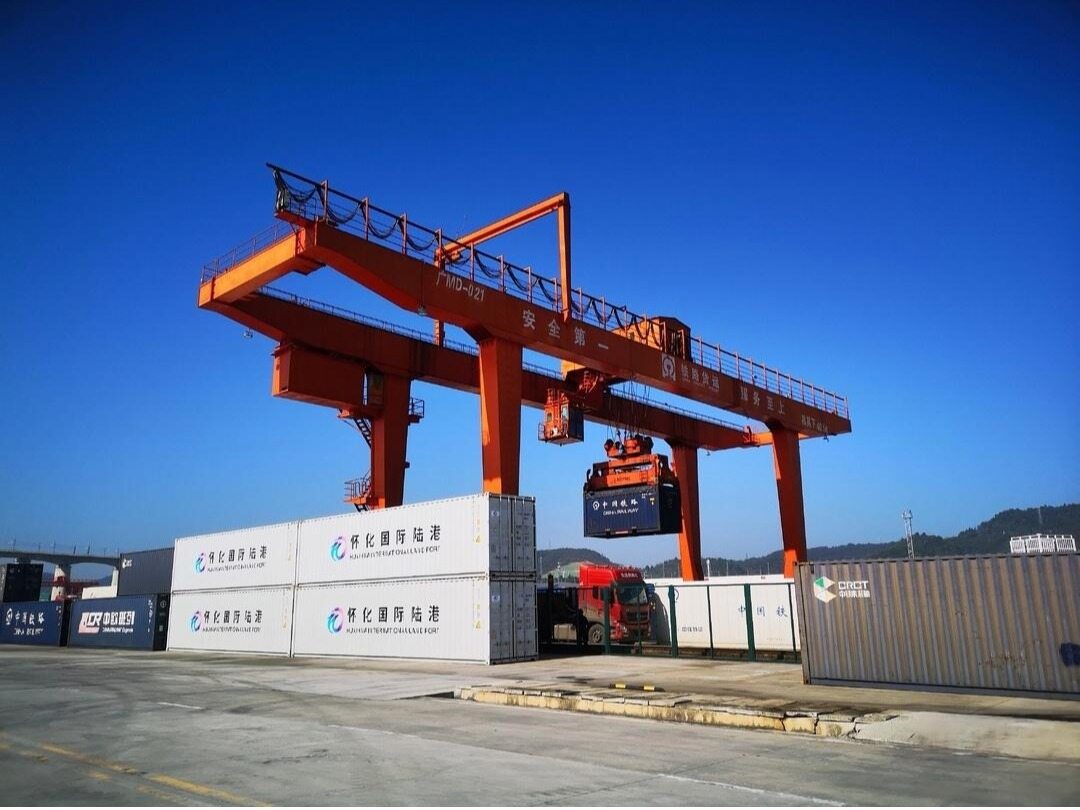
Previously, the coal transportation in Zhungeer Banner mainly relied on traditional railway trunk lines, and there were always efficiency bottlenecks in the direct water to sea channels. The unveiling of the inland port and the launch of the train indicate that inland resource-based areas no longer need to take detours to find Haikou, and directly put the port's functions in their source of goods hinterland.
For Caofeidian Port, this move directly locks in stable inland cargo sources, further consolidating its position as an energy hub, and enhancing port throughput and radiation capacity. The new pattern of channel empowerment, resource linkage, port flag coordination, and two-way win-win formed by the linkage between the two places has also created a replicable practical sample for the deep cooperation between other inland resource producing areas and coastal ports in China.
In the future, the two places will continue to optimize the operation and organization of train services, expand two-way trade categories, and further extend the value of the channel to the upstream and downstream of the industrial chain.Editor/Cheng Liting
Comment

 Praise
 Collect
 Comment

 Share


Write something~