 Search


- Southeast Asia's computing infrastructure construction accelerates

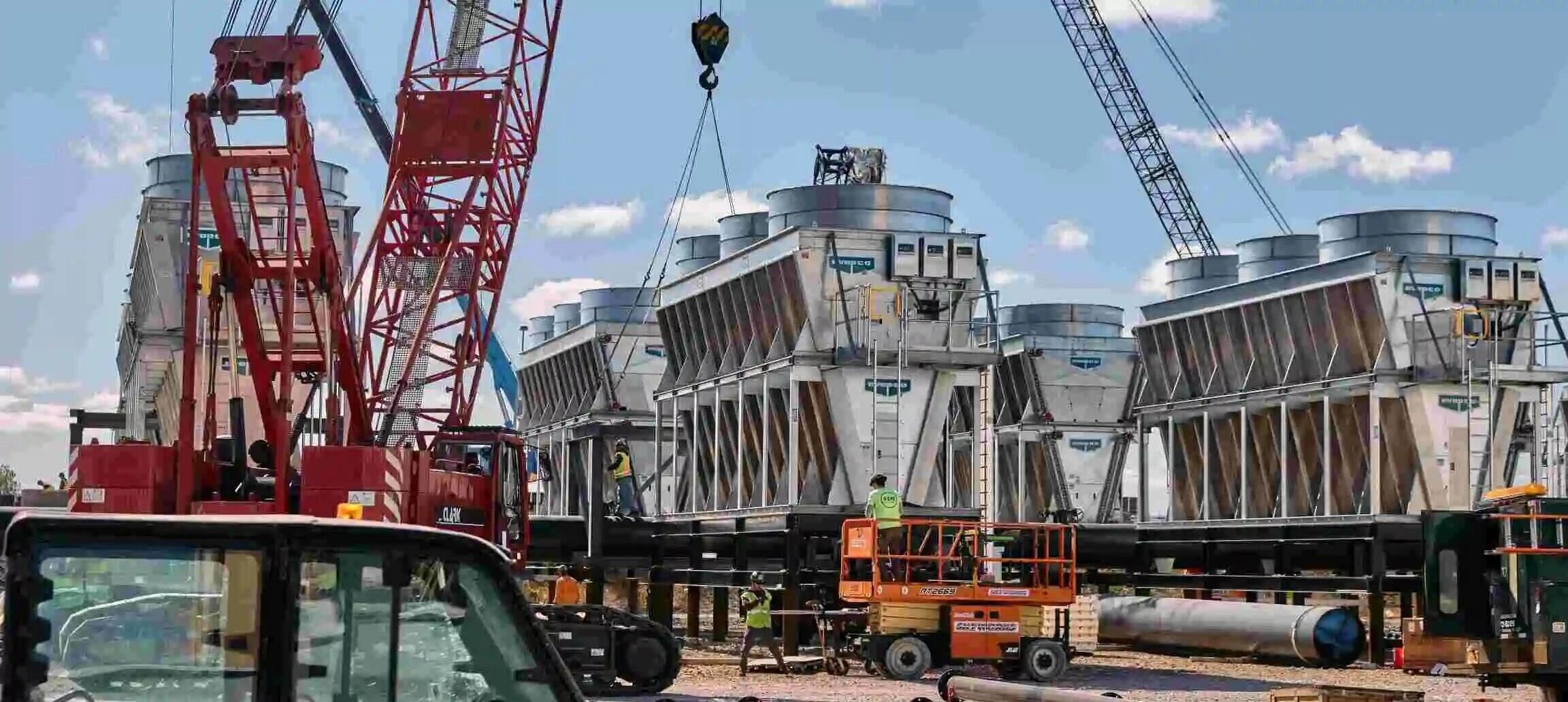
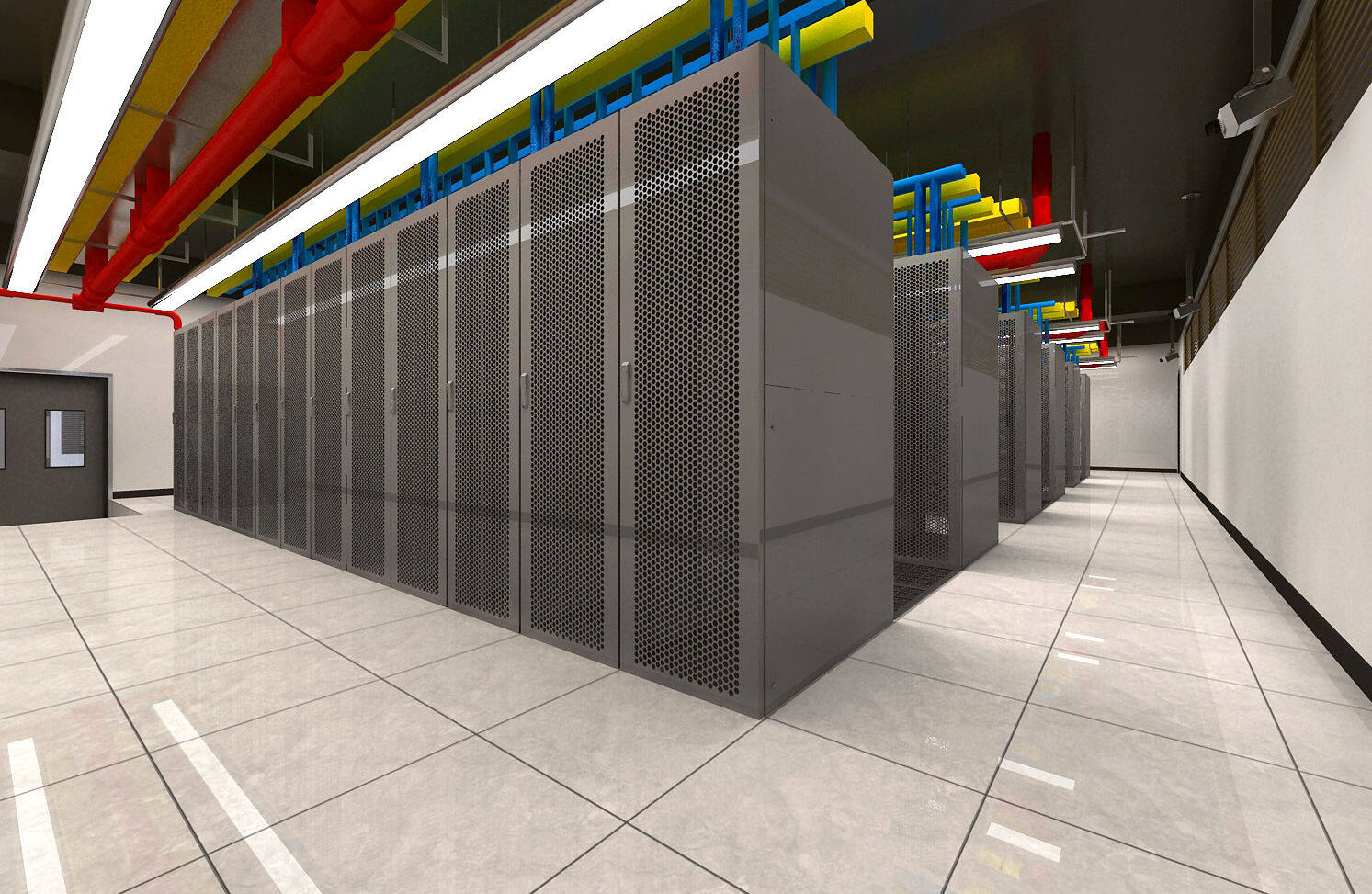
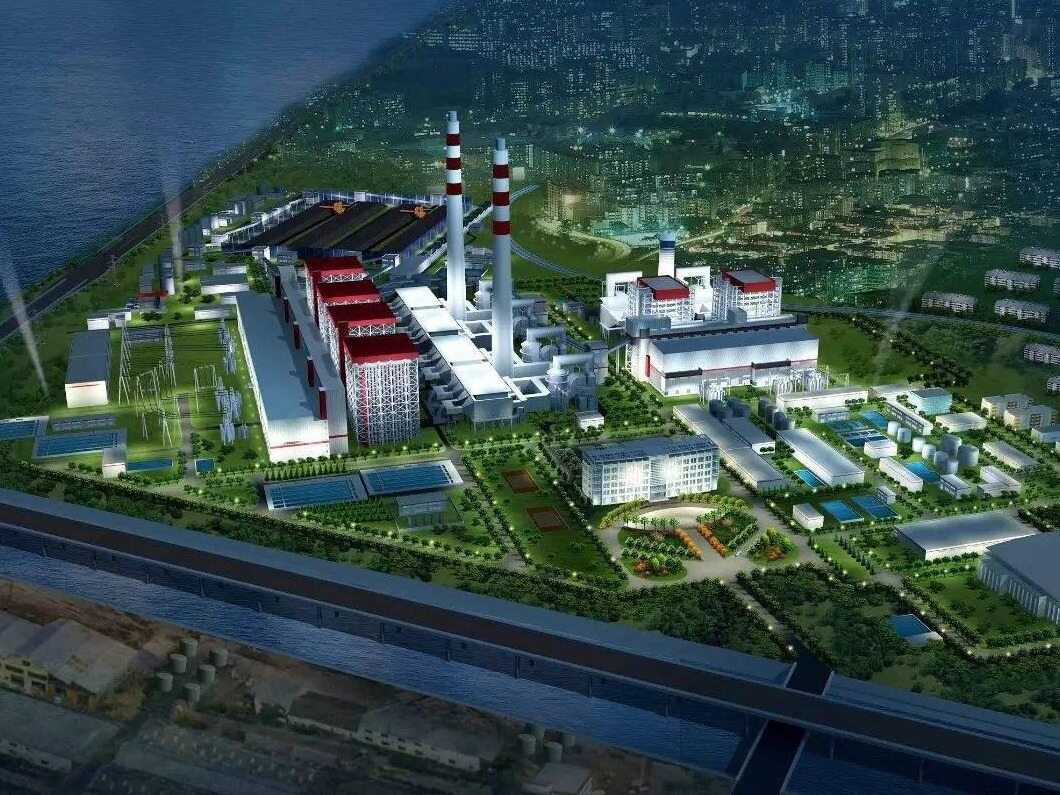
The global AI industry is rapidly expanding, and computing power resources have become the core foundation of the digital economy. Southeast Asia, with its location conditions, energy potential, and policy dividends, has become a key region for cross-border computing power layout. The implementation of the framework agreement for the 1.6GW computing power project in West Java, Indonesia, is a microcosm of domestic infrastructure companies entering the new overseas computing power track. Computing power projects are different from traditional housing construction projects, involving the collaboration of multiple systems such as civil engineering, mechanical and electrical engineering, power supply, communication, and energy storage. They place higher demands on engineering integration capabilities and supply chain organization capabilities, and also open up a new direction for the domestic engineering industry chain to go global.

New round of the track
Computing infrastructure belongs to the category of digital new infrastructure, and market demand is continuously driven by global model iterations. A large number of capital and technology companies are gathering in Southeast Asia, driving the planning of data center cluster connectivity. Relying on mature construction capabilities, Chinese enterprises have gradually extended from traditional road, bridge, and housing construction to high-end engineering fields such as high-level computing power centers. The cooperation model commonly adopts Sino foreign joint cooperation, with the Chinese side exporting engineering technology and supply chain resources, and local partners responsible for local affairs such as approval, land, and operation. This model is becoming the mainstream choice for regional computing power projects.
Landing constraints
The framework agreement only represents the intention of cooperation and is not equivalent to a formal contract with implementation conditions. Large scale computing power projects overseas generally face multiple constraints. Stable power supply and high-speed communication links are the basic guarantees for the operation of computing power centers. Approval processes such as environmental impact assessments, land use, and foreign investment access have long cycles, and variables such as policy changes, labor rules, exchange rate fluctuations, and financial and tax compliance can all affect the pace of project progress. Many similar projects are stuck in supporting resources or local coordination, and the progress is not as expected. Keywords: Southeast Asia, digital infrastructure, computing power cluster
Industry Insights
The wave of computing power in Southeast Asia has driven the demand for upstream and downstream supporting industries, but behind the opportunities lies differentiated project risks. For overseas enterprises, a hierarchical evaluation mechanism should be established to clearly distinguish between different stages such as framework intention, EPC contract, and on-site construction, and project value cannot be judged solely based on planning scale. The core of the long-term development of the industry is to grasp the trend of digital infrastructure while improving the risk control system, relying on localized operations, steadily participating in regional digital infrastructure construction, and seeking sustainable cooperation space in the global computing network layout.Editor/Li Xiaohua
Comment





 Praise
 Collect
 Comment

 Share


Write something~