 Search


- Thailand adjusts its industrial direction and focuses on medium - to long-term structural upgrading
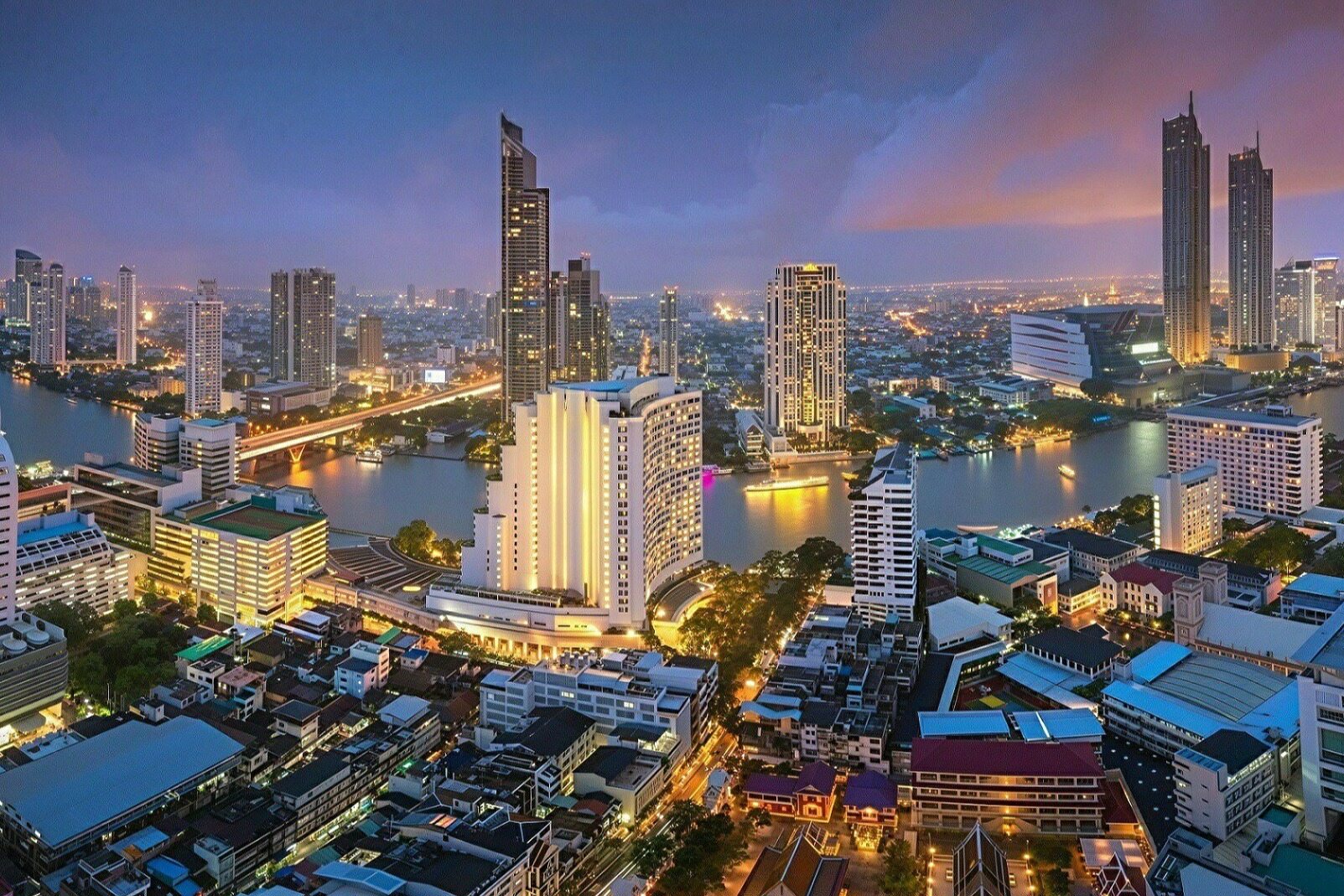
In the evening breeze of Bangkok Bay, there is no longer only the sound of tourist bus engines, but also the low hum of data center cooling towers. As Thailand shifts its bets from building a few more cars to building better cars, more sophisticated chips, and deeper industrial chains, an economic turnaround is quietly taking place, bidding farewell to assembly and outsourcing and moving towards high value-added terminals.
Launch a new transformation strategy
The focus of Thailand's industrial policy has shifted from short-term stimulus to medium - to long-term structural adjustment. On November 13, 2026, the Thai government, together with three private organizations, released a plan to reshape Thailand's economic transformation. The plan aims to add over 5.4 trillion Thai baht in economic value by 2030, relying on seven target industries, promote an average annual GDP growth rate of over 3%, rank among the top 20 in global competitiveness, and increase the proportion of investment to GDP from 23% to 30%. This strategy does not focus on expanding the scale of traditional exports, but rather on using private enterprises as the main force for transformation, laying out industries around seven directions: agricultural food processing, automobiles, smart electronics, tourism, medical and health, retail trade, and creative economy.

Seven major industries are upgrading through stratification
The seven major industries plan their development paths according to the concept of value enhancement. The agricultural food industry breaks away from exporting primary agricultural products, deeply cultivates deep processing, and targets the high-end market; The automotive industry is laying out a multi power route, with a production capacity target of 1.95 million vehicles by 2030, and increasing the proportion of local component matching; The smart electronics industry promotes localized production of core electronic and distribution equipment, adapting to the needs of AI and data center construction; The healthcare industry will increase the proportion of domestic drug procurement and expand cross-border medical revenue.
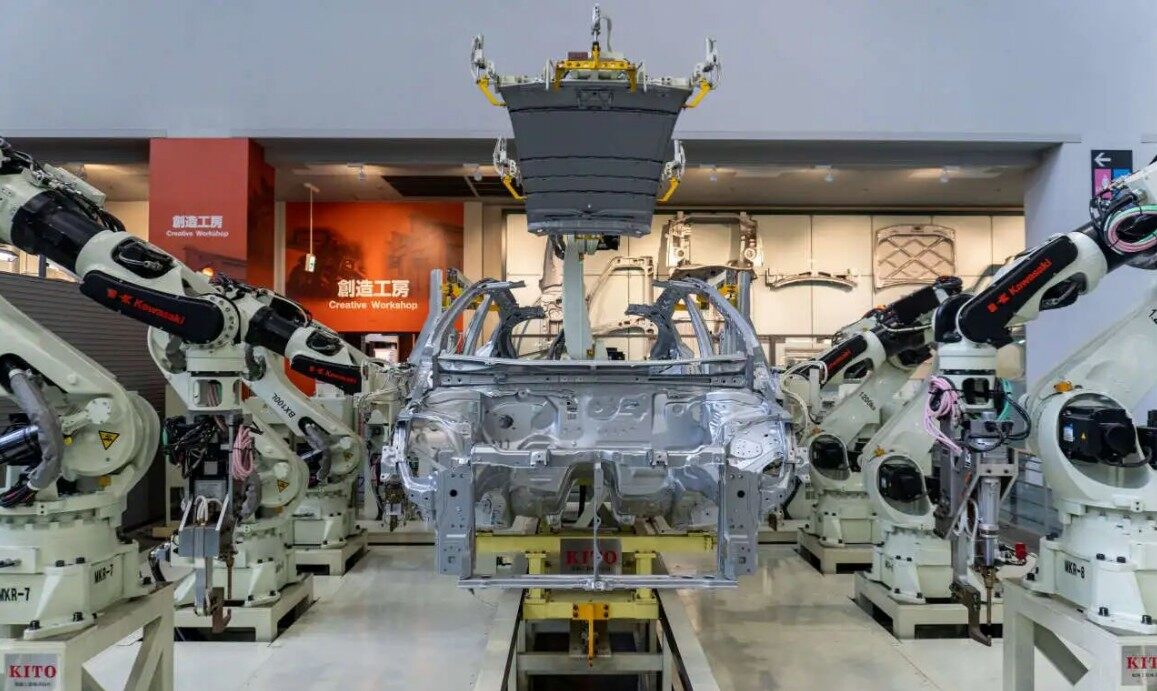
The strategy is to upgrade the terminal value to drive upstream supporting facilities, break away from the simple assembly positioning, and promote growth from K-type growth with a concentration of a few fields to V-shaped growth with inclusive sharing. Keywords: Thailand, reshaping Thailand, industrial transformation
Landing faces multiple challenges
The smooth implementation of the strategy depends on three elements: the implementation of localization indicators, the supply of high skilled talents, and the operation of public-private collaboration mechanisms. The relevant opportunities are no longer limited to large-scale projects, gradually tilting towards intermediate supporting links such as local supply chain cultivation, skill training, and industrial data platforms.Editor/Gong Ziwei
Comment




 Praise
 Collect
 Comment

 Share


Write something~