 Search


- On November 16, 2026, China's longest carbon dioxide pipeline was put into operation
- Connecting the entire chain from capture to storage, providing replicable Chinese samples for the global scale promotion of CCUS
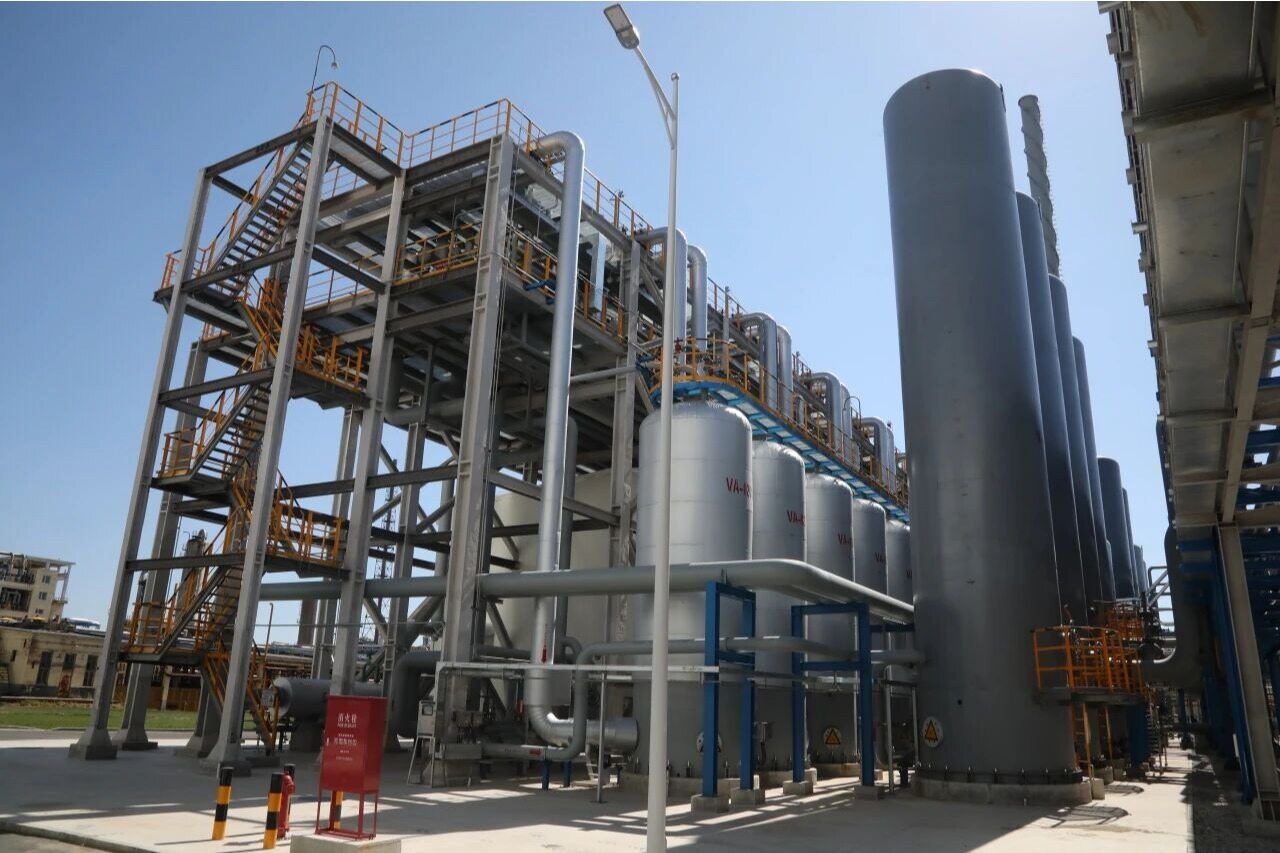
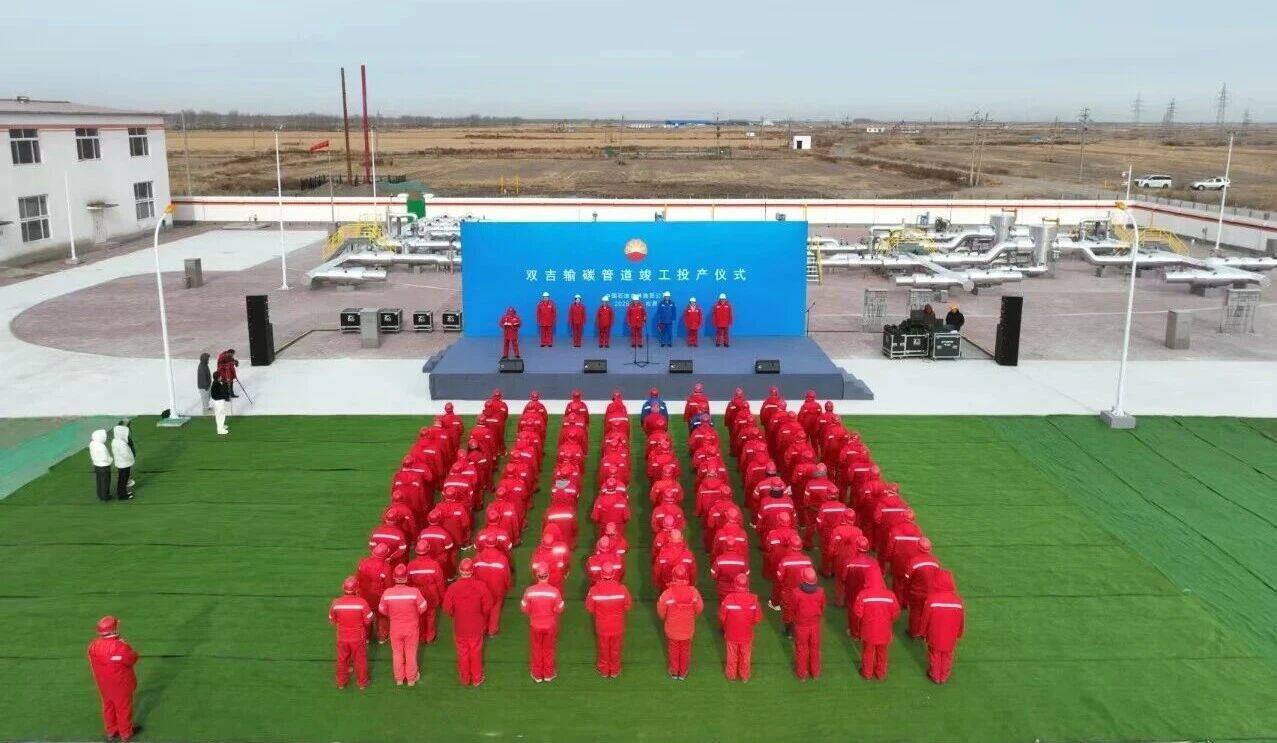
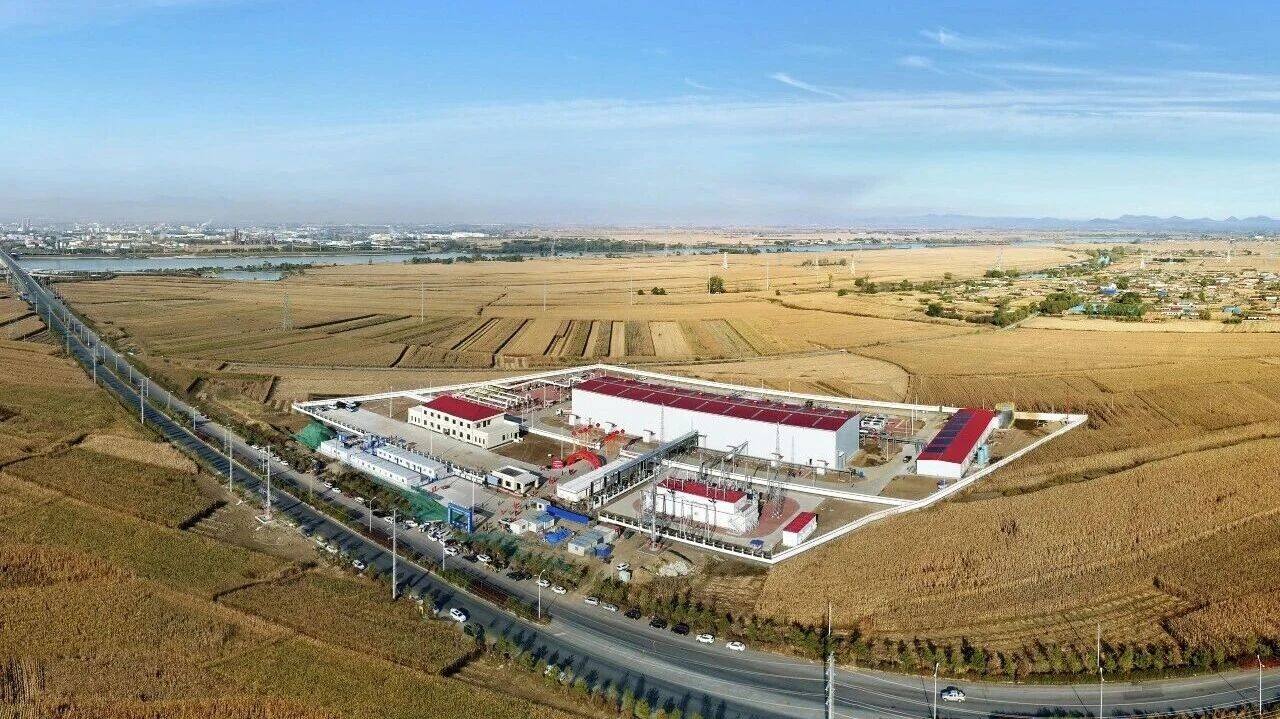
In the early morning, the equipment of Jilin Petrochemical Fertilizer Plant operated as usual. The carbon dioxide that used to dissipate into the sky with exhaust fumes is now captured, pressurized, and drilled into steel pipes buried underground, passing through fields in Jilin, Changchun, and Songyuan, and heading towards the Daqingzijing oilfield 277.6 kilometers away. There, it is injected into underground oil reservoirs, pushing out the remaining crude oil from the rock fissures bit by bit and leaving it in the depths of the formation. On November 16th, the Jilin Petrochemical Jilin Oilfield Carbon Dioxide Pipeline Project was put into operation, connecting the complete industrial chain of carbon dioxide capture, transportation, oil displacement, and storage in Jilin region, and achieving a new breakthrough in China's long-distance large-scale pipeline transportation of carbon dioxide.
From exhaust gas to oil reservoir
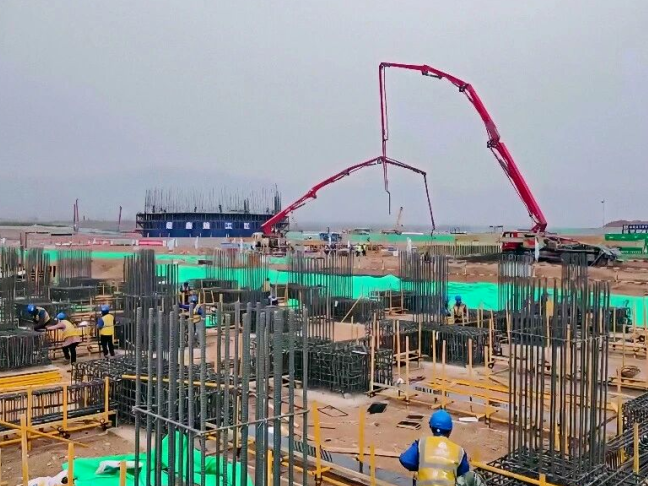
The project started construction in June last year. The pipeline has a total length of 277.6 kilometers and is designed to transport up to 3.3 million tons of carbon dioxide annually. It starts from Jilin Petrochemical Fertilizer Plant and ends at Daqingzijing Oilfield in Jilin Oilfield, passing through three cities in Jilin Province: Jilin, Changchun, and Songyuan. It is currently the longest, largest diameter, highest pressure, and largest scale supercritical/dense phase carbon dioxide long-distance pipeline in China, achieving coordinated linkage between the upstream and downstream industries of oil fields and refining. The project has been included in the list of advanced green and low-carbon technology demonstration projects by the National Development and Reform Commission, and is a key project for the construction of a 10 million ton CCUS demonstration base in Northeast China's petroleum industry.
CCUS is a technological means to address global climate change, which captures carbon dioxide and uses it for oil field displacement and geological storage, achieving coordinated development of emission reduction and resource development. Jiang Qingzhe, Dean of the China International Carbon Neutrality Economics Research Institute at the University of International Business and Economics, believes that this project marks China's ability to independently design, construct, and operate large-scale CCUS (Carbon Capture, Utilization, and Storage) full chain projects; The current global CCUS industry is transitioning from demonstration to large-scale development. This project provides a Chinese practical sample for the global large-scale promotion of CCUS, and also means that CCUS in Jilin region has entered the stage of large-scale industrialization of the entire industry chain from single point experimental demonstration.
High voltage long-distance transmission problem solving
Ma Xiaohong, the chief expert of Jilin Oilfield, said that industrial carbon sources are often far away from underground oil reservoirs suitable for oil recovery and storage. Conventional liquid and gas transportation methods have technical limitations, and road transportation costs are high. Transporting carbon dioxide is an important factor restricting the development of CCUS industry. During long-distance transportation, carbon dioxide undergoes multiple phase states including gaseous, supercritical, and dense phases, with phase control being the most difficult; During the construction, automatic argon welding and non-destructive testing are used to control the welding joints, and real-time data is uploaded to the intelligent management platform for prediction and verification. Management has shifted from experience based control to intelligent management. The innovative application of centrifugal compressor boosting and dense phase pump boosting injection technology in the project has overcome the challenges of frequent phase transition of carbon dioxide and long-distance high-pressure stable transportation.
The project recycles and utilizes industrial by-products with medium to high concentrations of carbon dioxide, resulting in a significant reduction in the cost of lower concentration carbon sources. Compared with traditional road transportation, when the pipeline is fully loaded, the transportation cost can be reduced from 0.88 yuan/ton kilometer to 0.37 yuan/ton kilometer; If calculated based on transporting 1 million tons annually, it can save about 110 million yuan in operation and maintenance costs annually. Since 2026, China has accelerated the construction of carbon dioxide capture, utilization, and storage projects, made new progress in the construction of long-distance pipelines in key areas, and continuously improved the capacity for large-scale transportation.
Pipeline connected industry
At both ends of the pipeline, each has its own place. For Jilin Petrochemical, the project (Phase I) can reduce carbon emissions by approximately 700000 tons per year, equivalent to approximately 38.25 million trees, by recovering carbon dioxide from the by-products of two sets of equipment, namely synthetic ammonia and 160000 tons/year asphalt gasification. For Jilin Oilfield, injecting stable carbon sources underground can expand the scale of oil displacement and geological storage, which is conducive to improving the recovery rate of old oil fields and achieving stable and increased crude oil production; Carbon dioxide flooding covers a geological reserve of 24.43 million tons, with an annual gas injection capacity of 1.29 million tons. The crude oil recovery rate can be significantly improved compared to water flooding development.
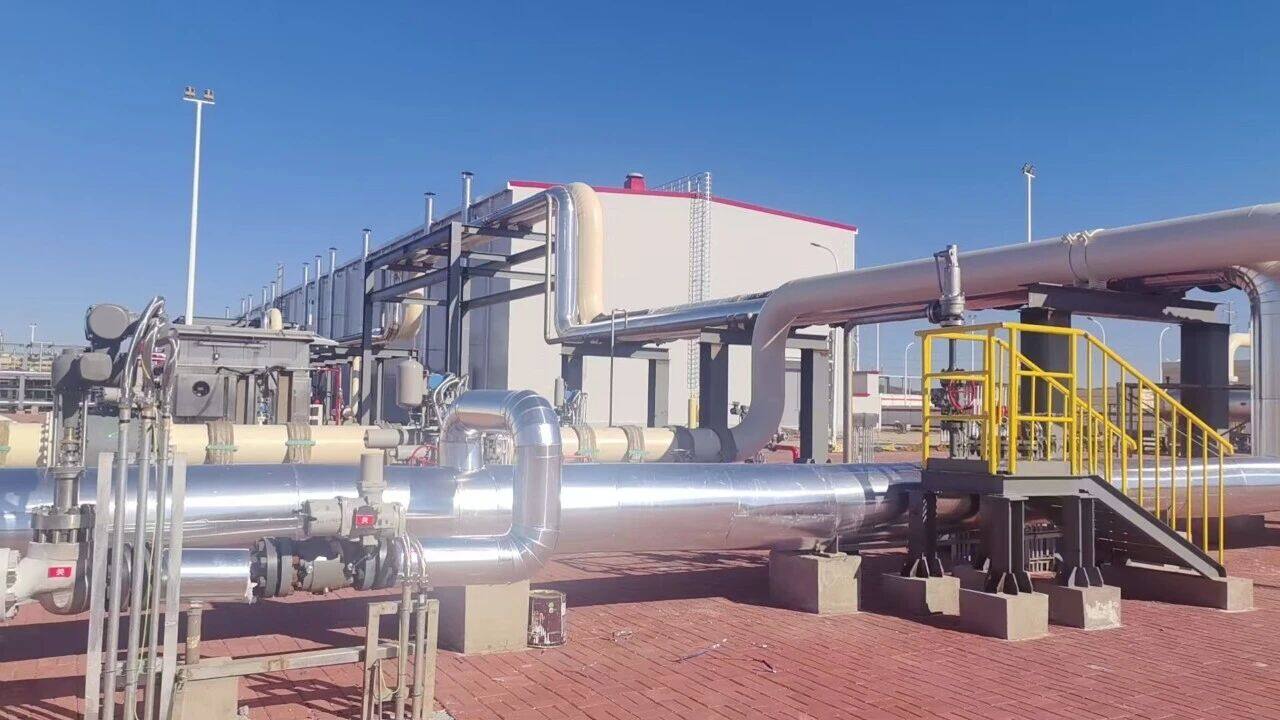
Ma Xiaohong introduced that 16 valve chambers have been built along the line, which can be connected to nearby chemical plants, thermal power plants, biomass power plants and other enterprises to capture carbon dioxide and transport it to Jilin Oilfield for oil recovery and storage. It can also distribute carbon dioxide to enterprises in need, drive the development of engineering construction, equipment manufacturing and other industries in Jilin region, and stimulate local economic development.keywords:New energy information network
CCUS has been positioned as a feasible solution for deep decarbonization in the difficult emission reduction industry and a bottom line technology for carbon neutrality goals. The industry is moving towards scale and clustering, with shared transportation and storage infrastructure becoming the direction. This full chain capability of independent design, construction, operation and maintenance has also gone further with the experimental cooperation with overseas oilfields, which can provide reference engineering experience for countries and regions involved in the joint construction of the the Belt and Road. From factory exhaust to underground oil reservoirs, a pipeline connects emission reduction, production increase, and industrial synergy, creating a visible and clear Chinese sample for the global large-scale promotion of CCUS.Editor/Yang Meiling
Comment


 Praise
 Collect
 Comment

 Share


Write something~