 Search


- Ulanqab Green Hydrogen Channel Reconstructs Hydrogen Energy Industry Pattern
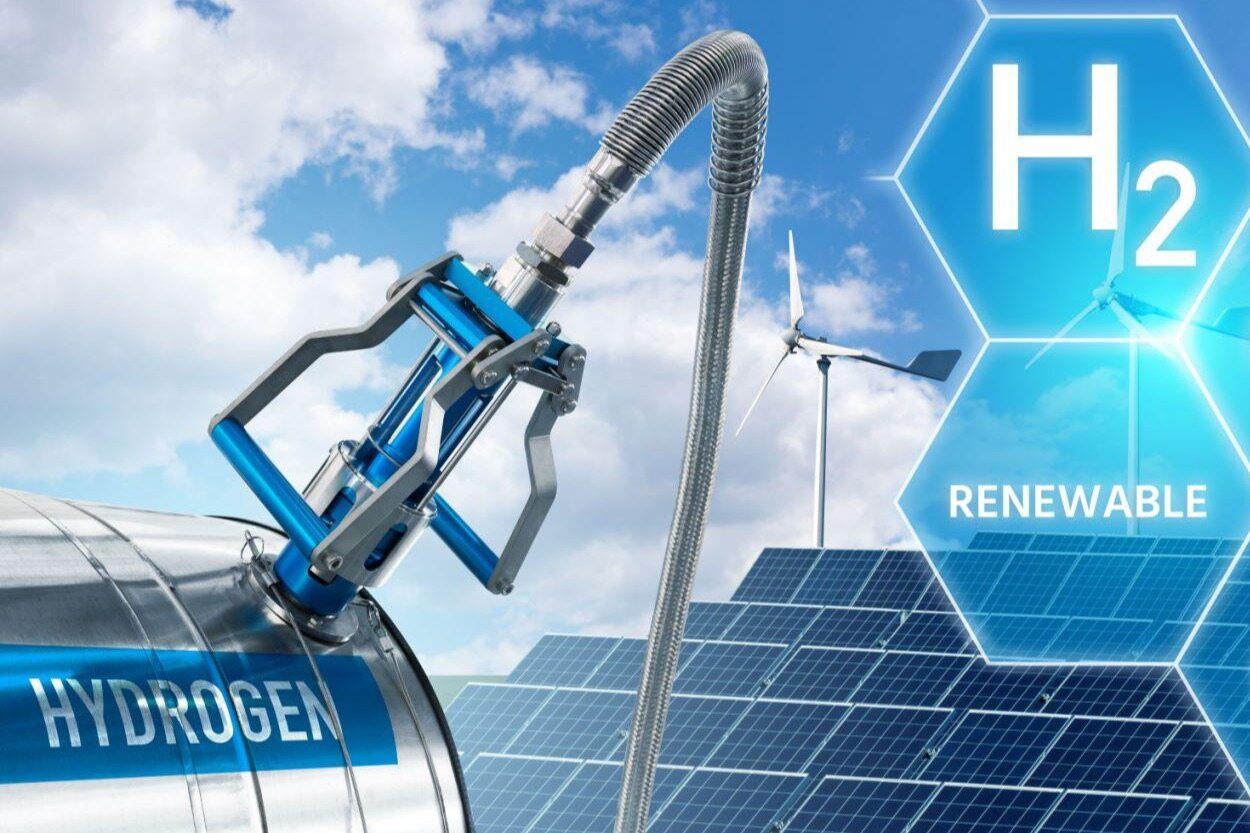
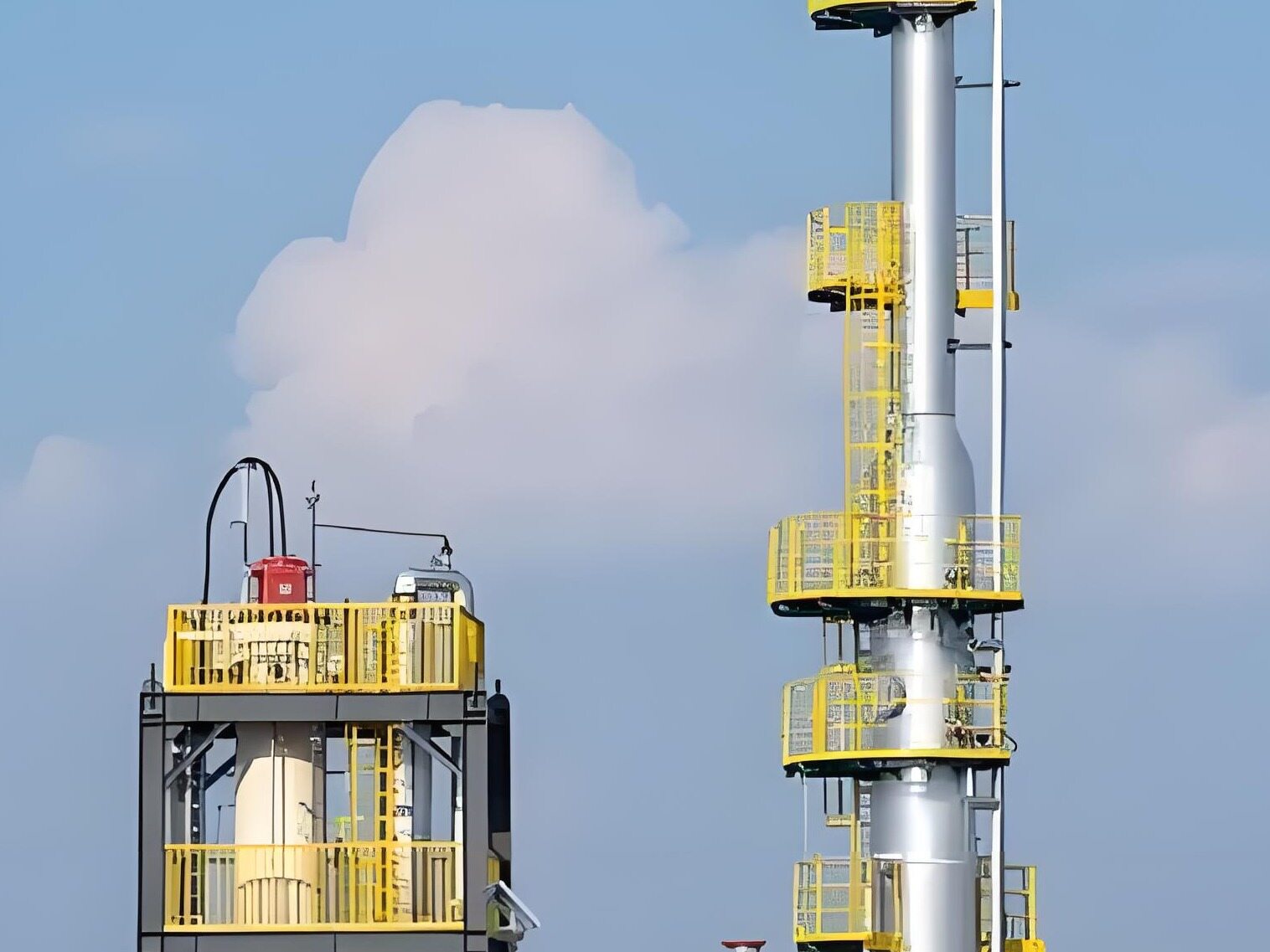
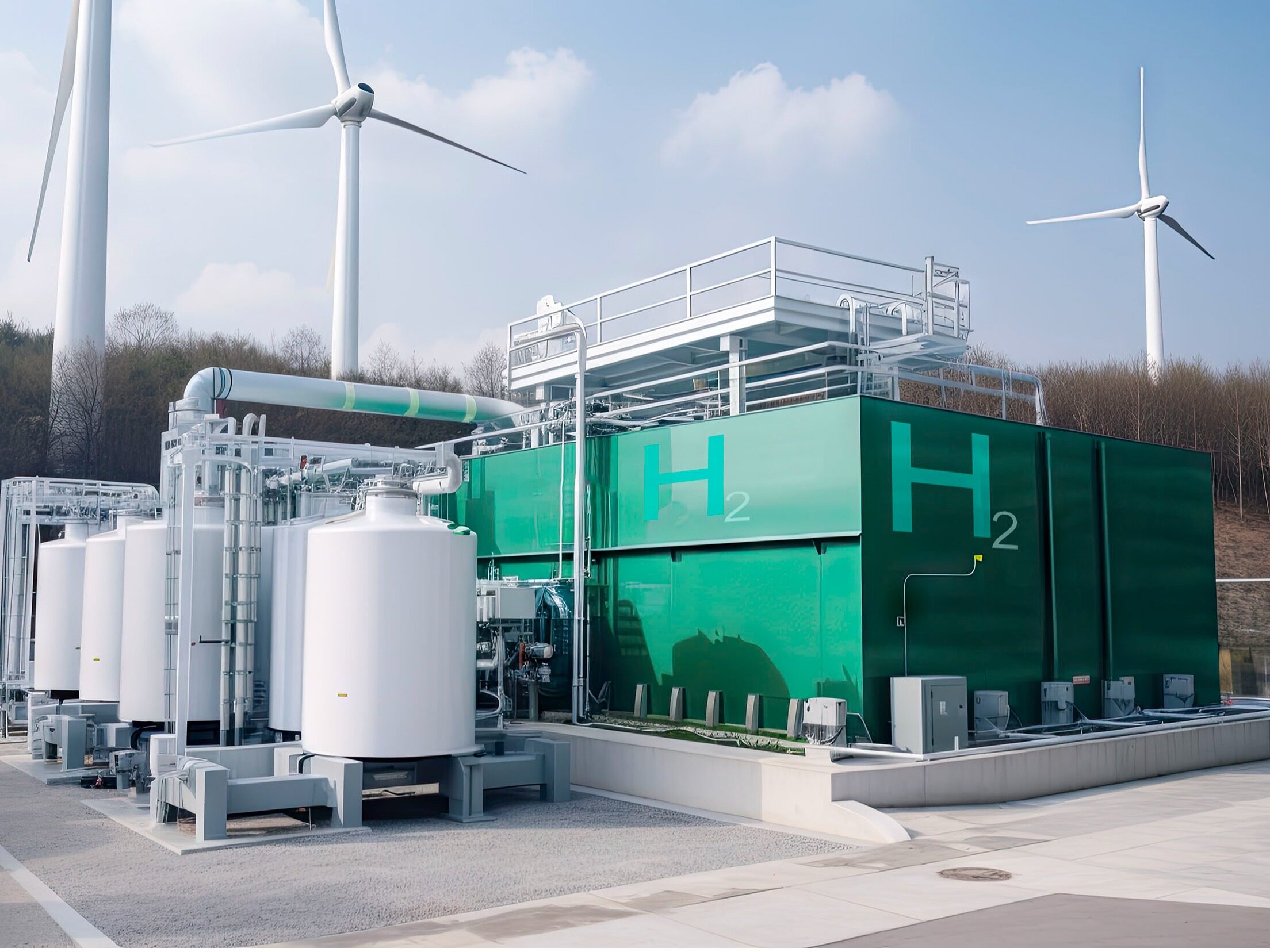
On November 16, 2026, next to the vast wind farm in Ulanqab, the largest integrated wind and solar hydrogen production project in China was officially launched. This long-distance green hydrogen transmission pipeline across the four regions sent the wind and light from the the Inner Mongolian Plateau directly to the Beijing Tianjin Hebei industrial plant thousands of miles away. The green power that once could only be absorbed on the local grid has changed its form and completed long-distance trans regional transmission.
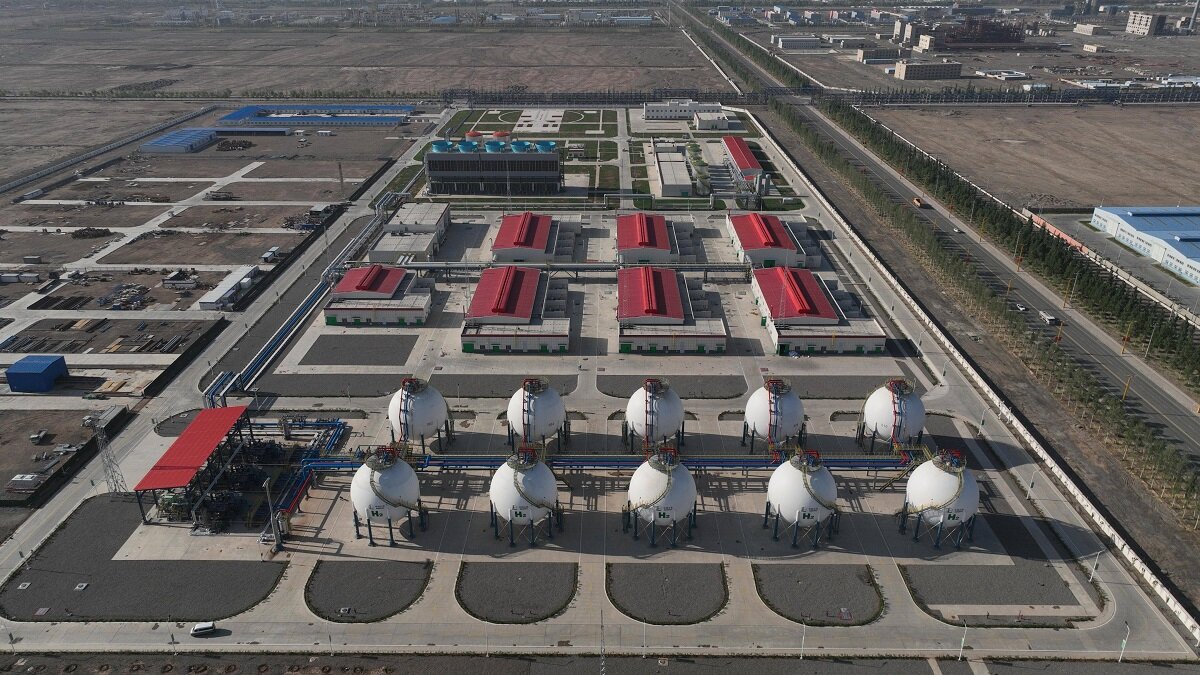
805 kilometers of pipeline laying new energy path
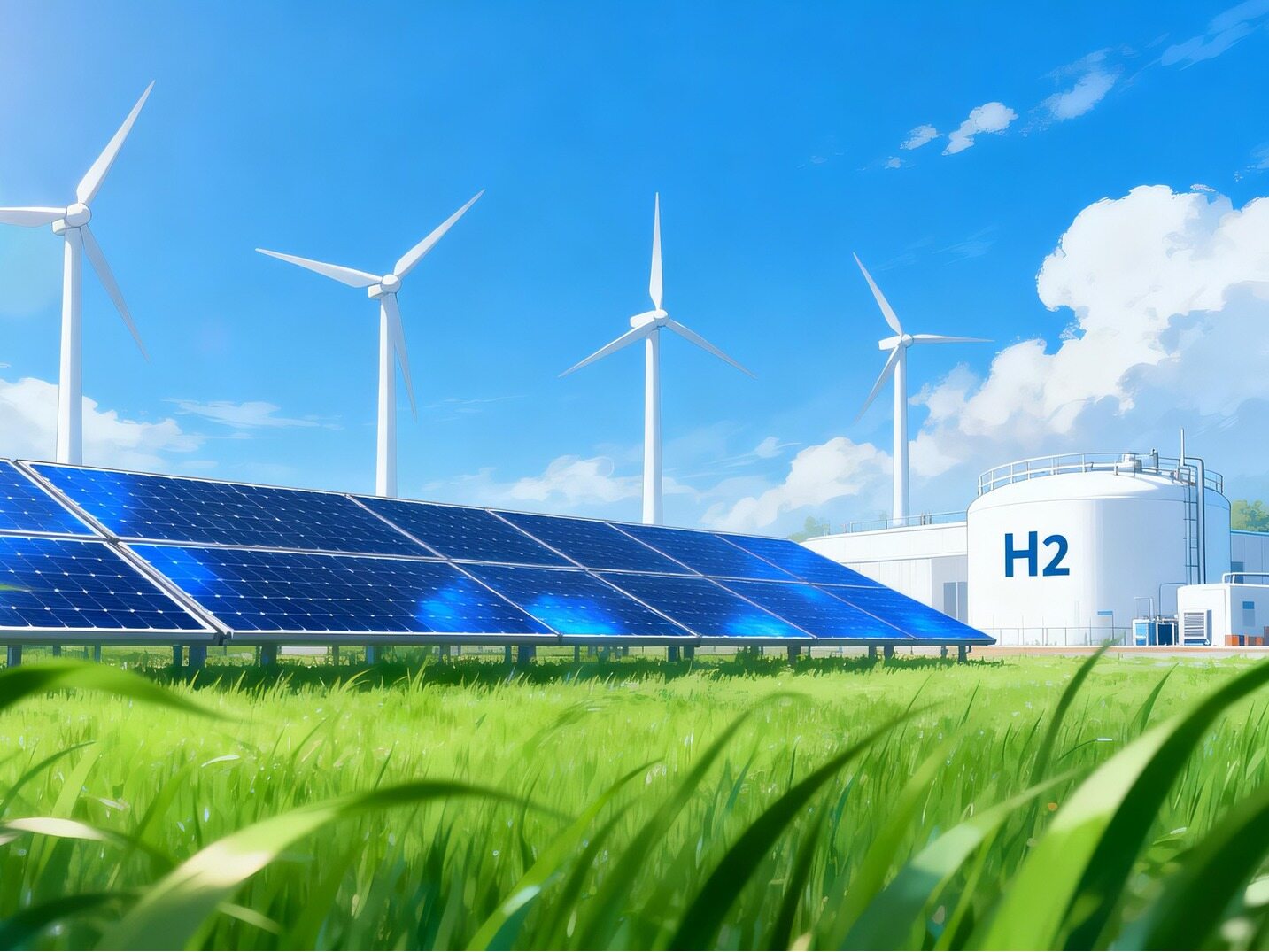
Ulanqab is rich in local wind and solar resources, and a large amount of surplus wind, electricity, and photovoltaic power has been limited by the consumption space of the power grid, making it impossible to fully convert them into high-value energy products. The first phase of the project launched this time is equipped with a 2.45 million kilowatt wind and solar new energy installation, which directly connects local renewable electricity to the electrolytic cell, and zero fossil energy is involved in the production of green hydrogen throughout the process. Then, through a 805 kilometer pure hydrogen transportation pipeline, it passes through 21 counties and districts in Inner Mongolia, Hebei, Tianjin, and Beijing, and directly reaches the plant terminals of Yanshan Petrochemical and Tianjin Petrochemical.
In the past, the transportation of hydrogen energy in China mostly relied on high-pressure tube bundle vehicles, which had high transportation costs and limited distances, making it difficult to support large-scale cross regional deployment. The construction of this long-distance dedicated hydrogen pipeline directly broke spatial limitations, significantly reducing the unit transportation cost of green hydrogen and improving transportation efficiency and stability several times.
Industrial green hydrogen substitution enters a turning point of scale
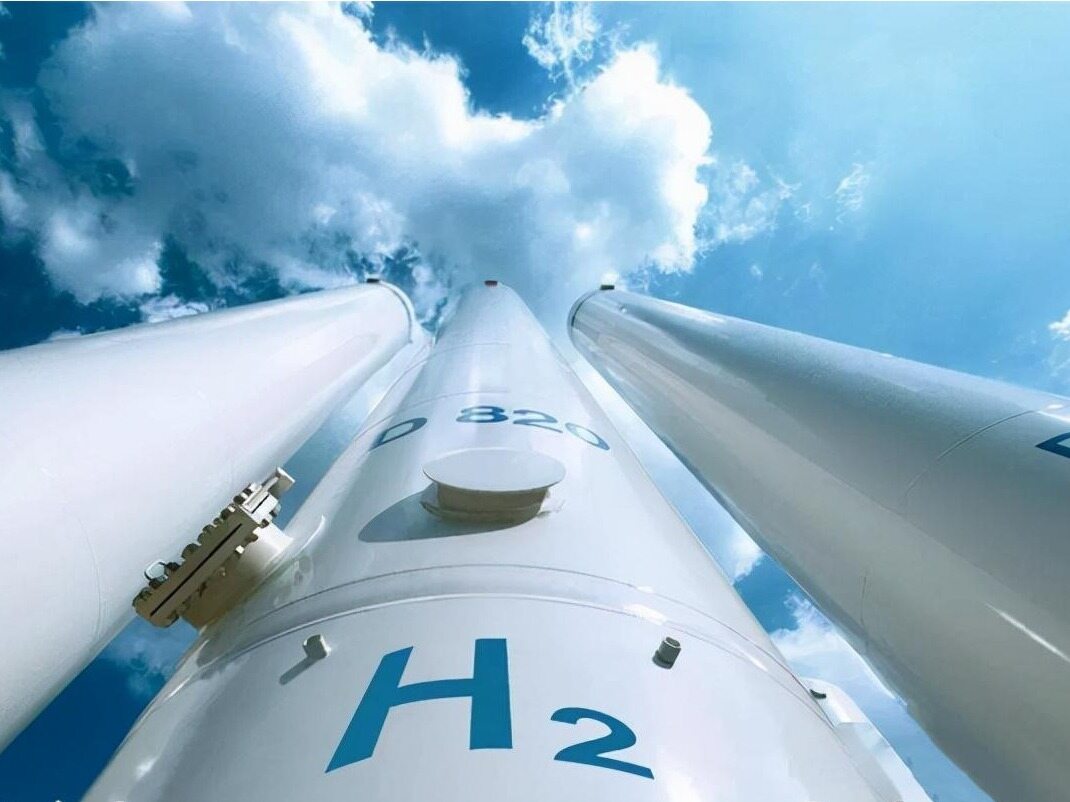
After the completion of the first phase of the project, the annual hydrogen production capacity can reach 100000 tons, achieving a net carbon reduction of about 1.73 million tons per year, directly replacing the fossil energy used by refining enterprises to produce ash hydrogen, significantly reducing the carbon emission intensity of the refining industry in the Beijing Tianjin Hebei region. With the advancement of the second phase of the project, the annual hydrogen production capacity will be increased to 200000 tons, and the pipeline hydrogen transmission capacity will be expanded synchronously. More application scenarios such as hydrogen metallurgy, hydrogen energy transportation, and natural gas hydrogen blending can also be further expanded.
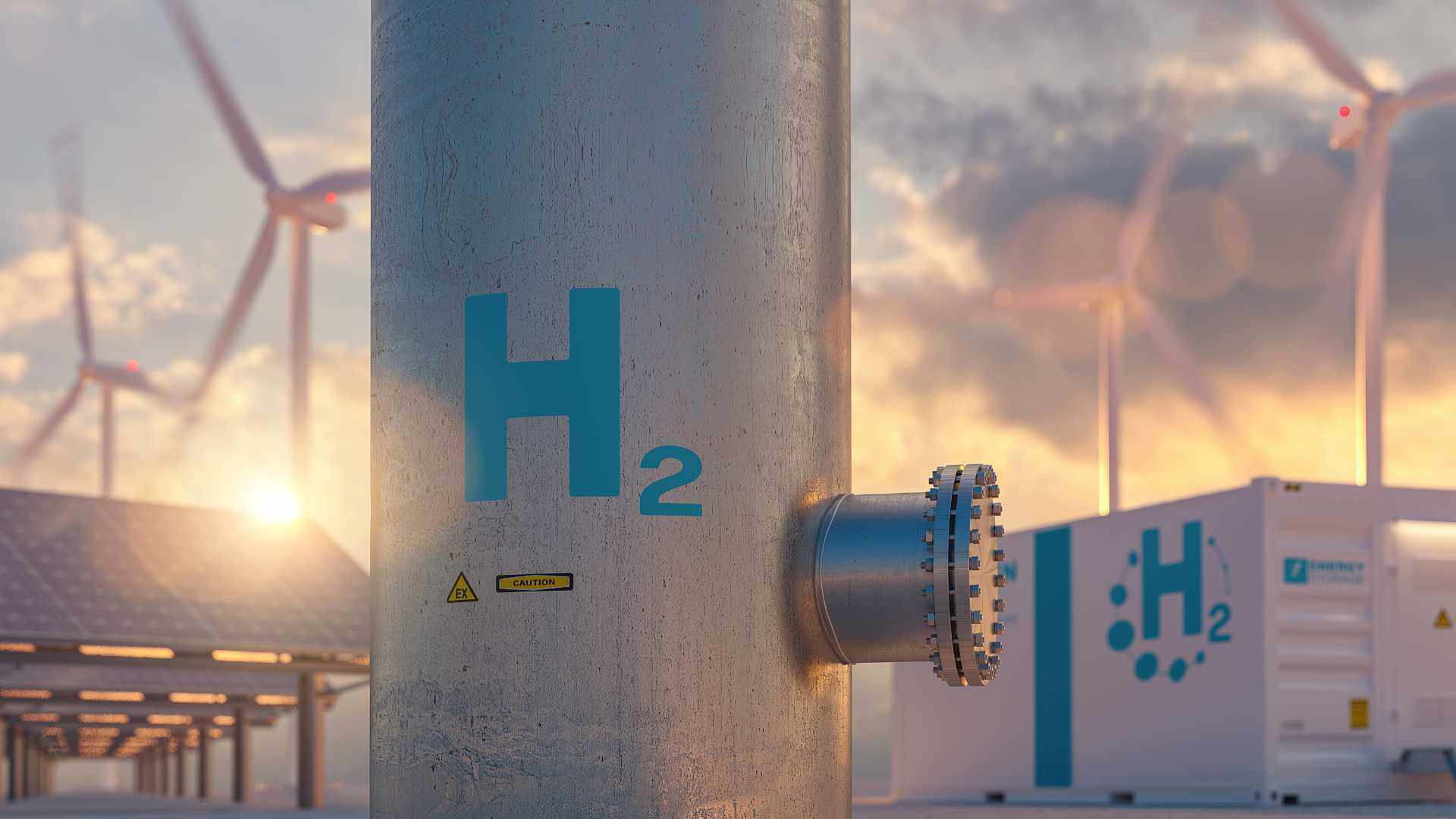
The implementation of this project has completely broken down the barriers between the wind and solar resource rich areas and the eastern industrial hydrogen market. The domestic hydrogen energy industry has finally jumped out of the stage of small-scale demonstration and officially entered a new cycle of large-scale commercialization. It has also found an imaginative new path for the consumption of surplus renewable energy in China's new power system.Editor/Cheng Liting
Comment


 Praise
 Collect
 Comment

 Share


Write something~