 Search


- On November 15, 2026, the main arch ring of the Hada Gorge Bridge in Georgia, constructed by China Railway 23rd Bureau, was closed
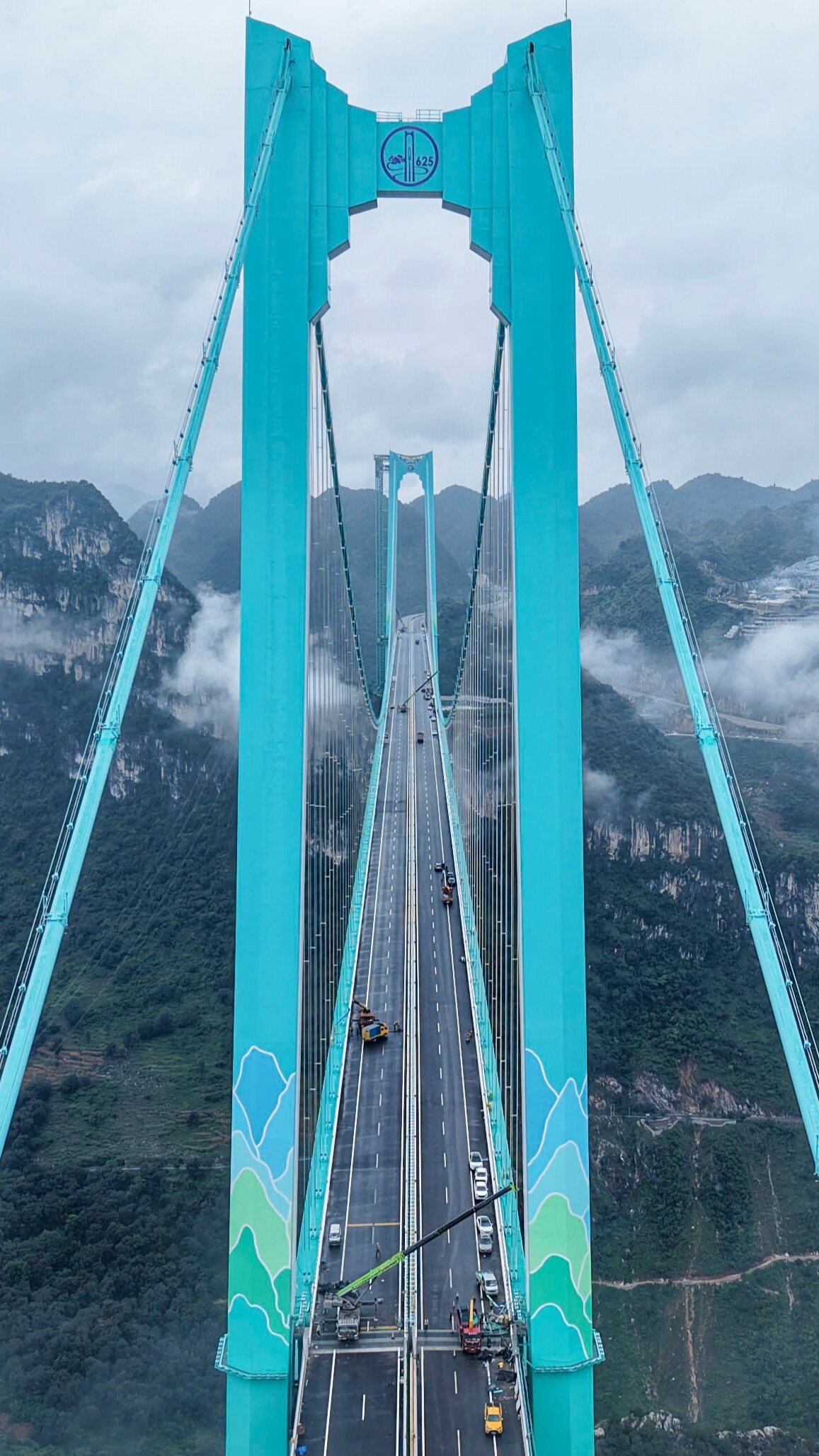
The rugged terrain, complex geology, and harsh climate in the Caucasus Mountains have always been obstacles to north-south transportation in Georgia. The Hada Canyon Bridge, constructed by China Railway 23rd Bureau, has reached an important milestone, with the main arch ring successfully fully closed. The construction team faced the challenges of canyon construction directly, optimized the construction plan within the limited construction window period, and ensured the steady progress of the project. This bridge is a national key project in Georgia, carrying the important mission of improving regional cross-border channels and driving development along the route.
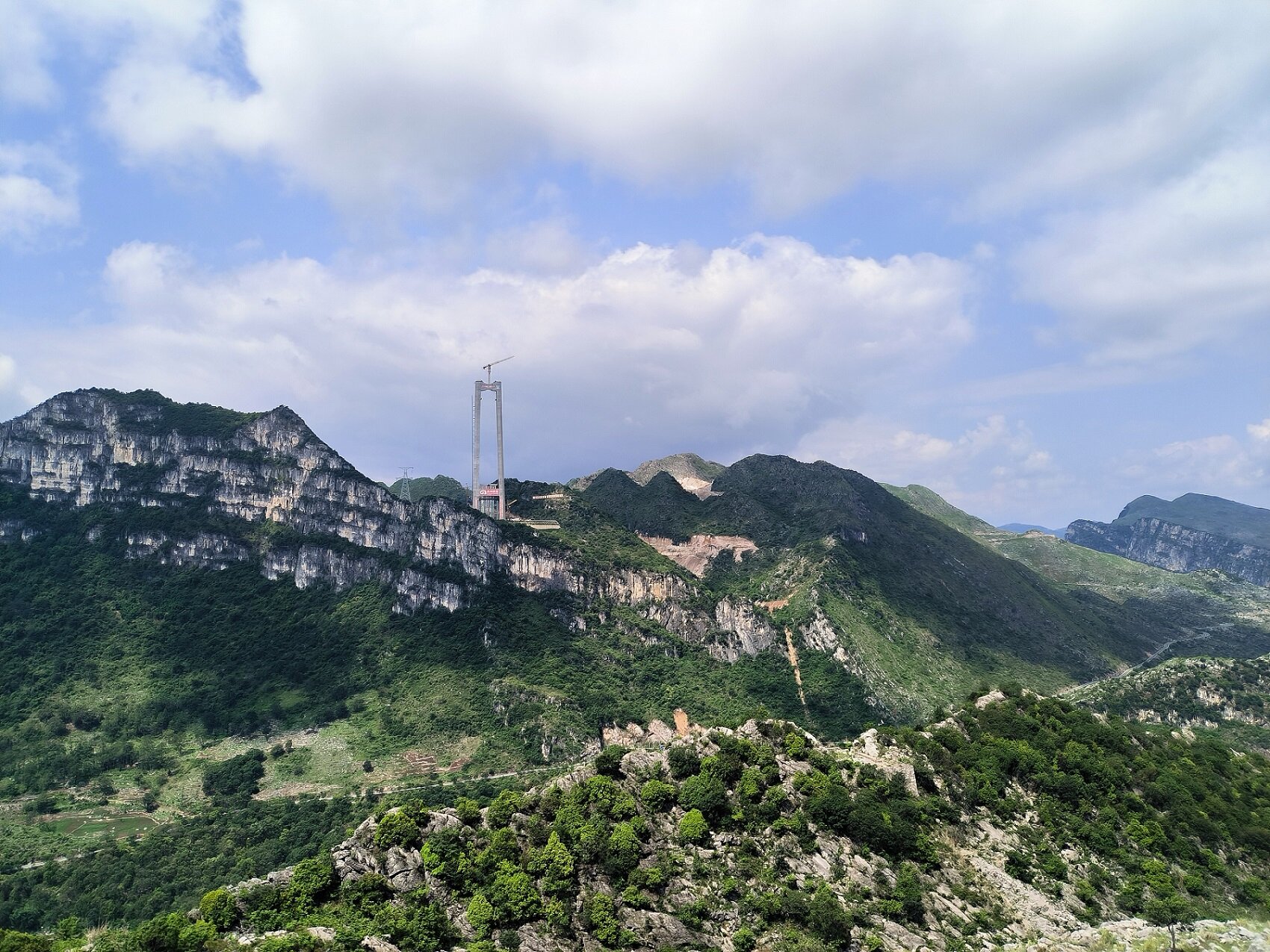
Overview of Engineering Parameters
The Hada Canyon Bridge is located in the Mtskheta Mtianeti region and is a controlled project of the North South Corridor Highway in Georgia. The net span of the main arch of the bridge is 286 meters, and the maximum height difference between the bridge deck and the valley bottom is about 164 meters. It adopts a top supported reinforced concrete box type double arch rib structure. The local construction conditions are strict, and the effective construction time for the whole year is only about 7 months. The project team optimized the process and compressed the fastest construction period for a single section to 6 days.
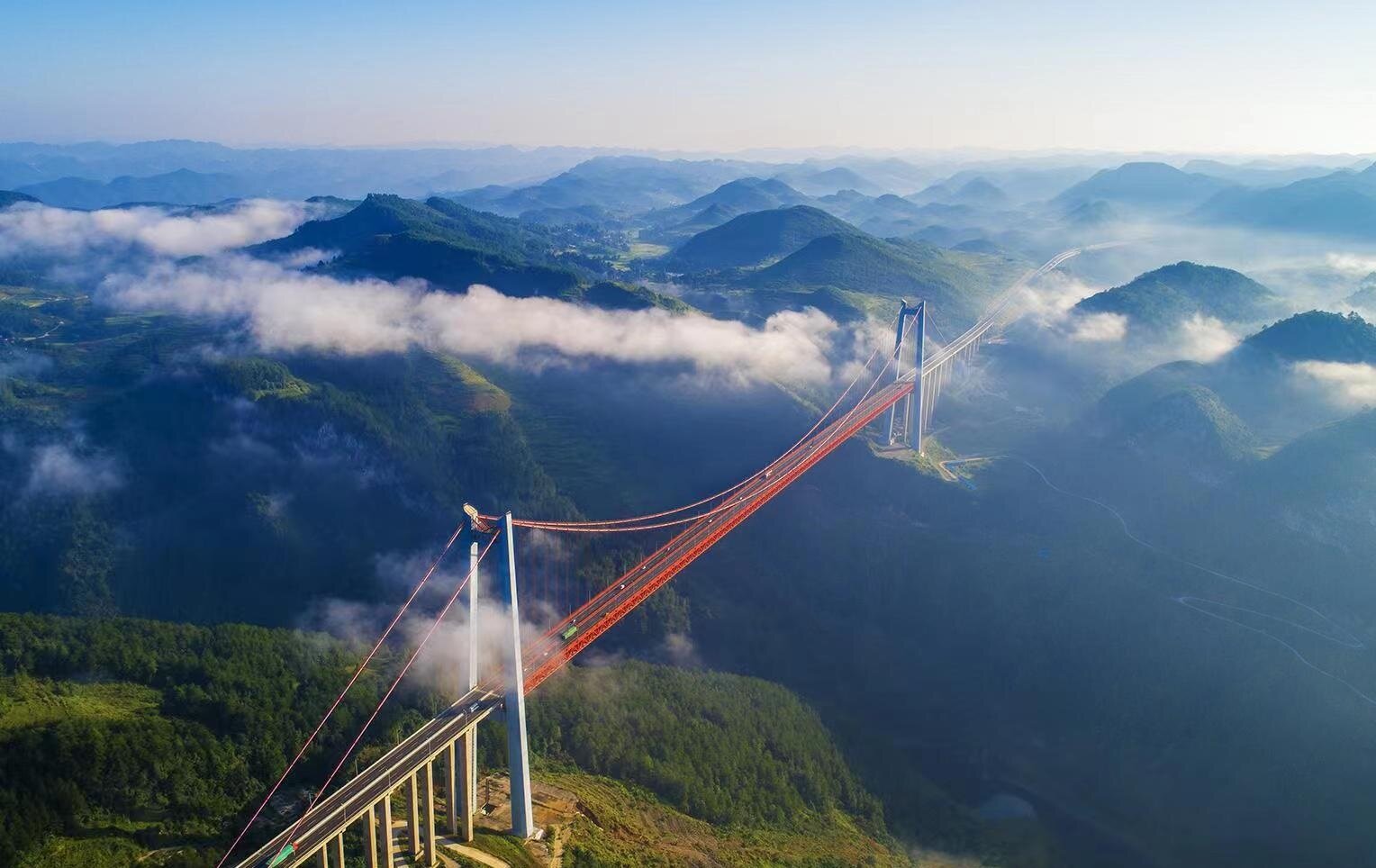
Subsequent construction plan
The main arch ring closure sign project has achieved a phased breakthrough. Next, the Chinese enterprise construction team will focus on the arch structure, bridge deck structure, and ancillary works, implement refined control, strictly adhere to safety and quality standards, orderly promote the remaining construction content, and make every effort to sprint towards the goal of opening the entire bridge. Keywords: Hada Canyon Bridge, Georgia, overseas infrastructure of Chinese enterprises
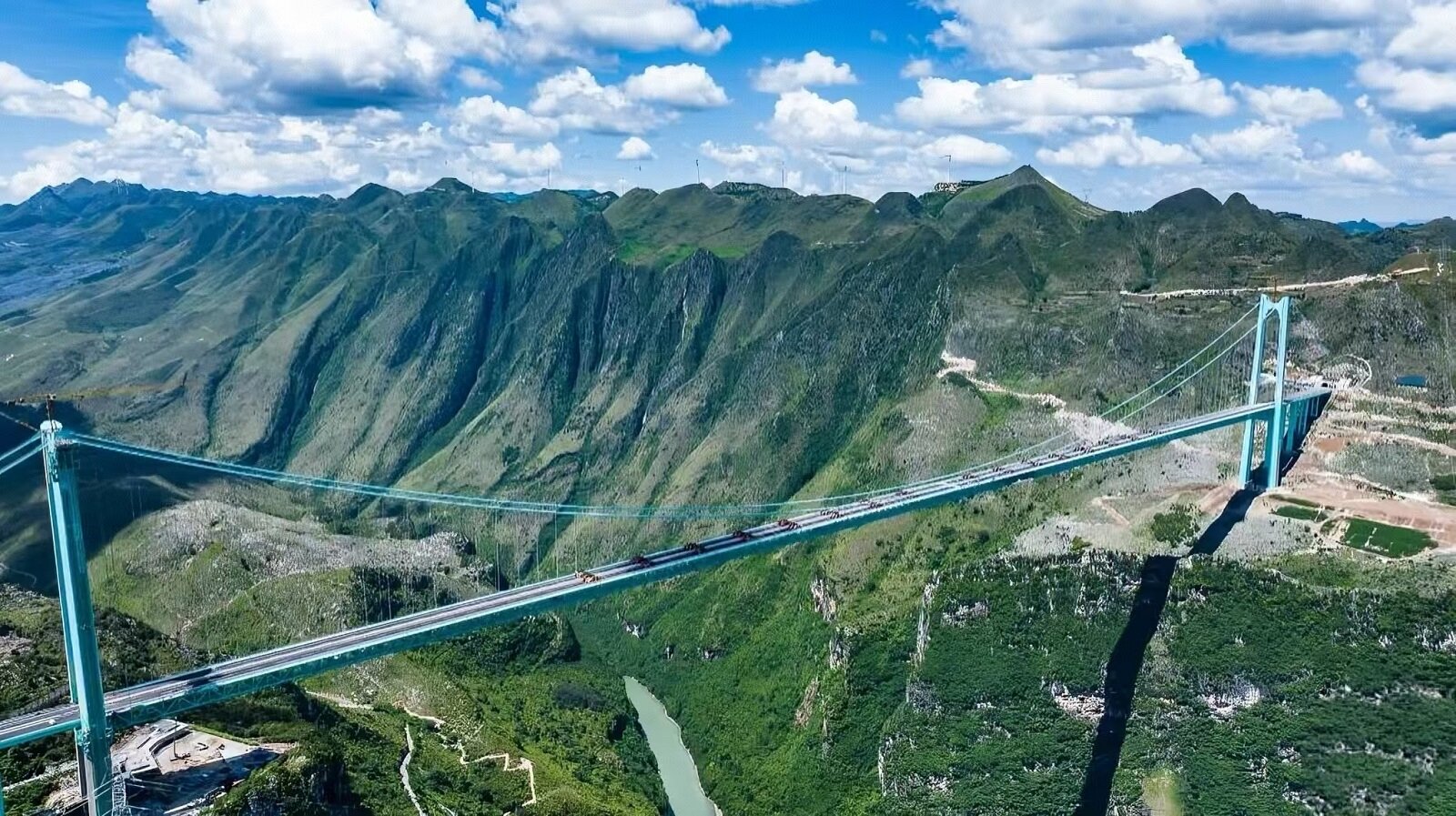
The benefits of the channel are far-reaching
After the bridge is opened to traffic, it can break through the bottleneck of north-south transportation in Georgia, avoid the risk of avalanches and rockfalls on old roads, improve cross-border transportation channels in the Caucasus region, and promote the development of commerce, culture, and tourism industries along the route. This project is a landmark infrastructure project of Chinese enterprises overseas, and continues to help the construction of transnational transportation network under the the Belt and Road framework.Editor/Li Xiaohua
Comment



 Praise
 Collect
 Comment

 Share


Write something~